|
Cheshire County Conservation District's
October Farmer Newsletter
| | | October is National Apple Month | | |
October is National Apple Month!
Thank you to the apple producers in Cheshire County and beyond for all that you do to conserve and steward local soils, provide diverse apples to our community, and make our lives so crisp!
Learn more about resources available through the NH Fruit Growers Association here!
A great way to celebrate is by shopping local. Enjoy some apple picking, a warm apple cider, or a delicious apple pie this month! View CCCD's Find a Farm Map below, or update your farm's information to be featured on the map!
| | CCCD Workshops and Events | | |
CCCD Grant Season Kickoff Party & Info Session
When: Monday, November 2nd
5:30 PM-7:00PM
Where: Brewbakers Cafe, Keene, NH
| | |
CCCD invites you to the first Grant Season Kickoff Party & Info Session! Join us in person to learn more about our programs! Hear from farmers about their projects and how they benefited their farm or property. We will also offer time to brainstorm and workshop your current ideas for the upcoming 2027 grant season!
We hope to see you there!
Cost: Free, Registration Required
| | |
|
Climate Resilience Grant Virtual Office Hours
When: Wednesday, November 18th, December 9th, & January 20th
12:00 PM-1:00PM
Where: Zoom, Online
| |
Join us for three Climate Resilience Grant Virtual Office Hours. Use this time to brainstorm your application with us, bring a draft for review, or discuss any other questions you have!
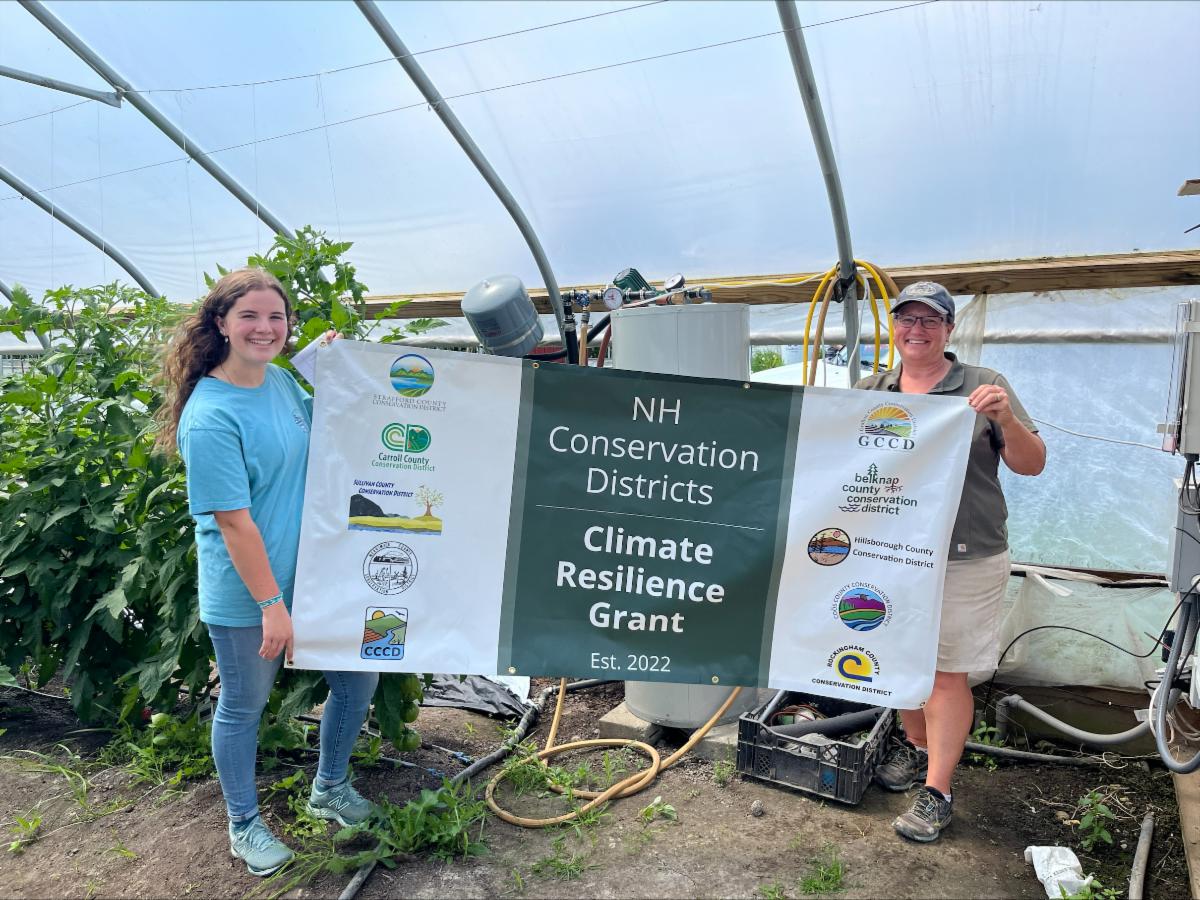
The 10 NH Conservation Districts will be hosting three office hours during the grant period (November, December, and January). Use this time to brainstorm your application, bring a draft for review, or ask any other questions you have!
Applications are due on February 1, 2027!
Presented by the 10 NH Conservation Districts
After registering, a Zoom link will be sent to your email.
This is not the same as the informational session.
Cost: Free, Registration Required
| |
|
Monadnock Food Co-op Farm Fund Informational Session
When: Monday, December 7th,
5:00PM-6:00PM
Where: Zoom, Online
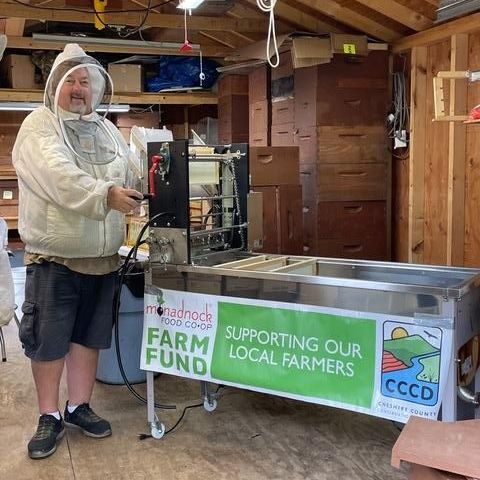
The Monadnock Food Co-op Farm Fund program, in partnership with the Cheshire County Conservation District, is now accepting applications from local farmers.
The Monadnock Food Co-op Farm Fund's mission is to support local farmers in increasing sustainable food production and wholesale sales to contribute to a thriving local farm economy. This grant supports several of the co-op's goals, including building a healthy, sustainable food system, supporting local farmers and producers, and contributing to a strong, sustainable, and improving local economy.
Interested farmers are invited to the online informational session!
Applications are due February 1, 2027 and materials will be made available on November 1st: www.cheshireconservation.org/farm-fund
Presented by the Cheshire County Conservation District and Monadnock Food Co-op
Cost: Free, Registration Required
| | |
|
Conservation Opportunity Fund Informational Session
When: Monday, December 14th,
4:00PM-5:00PM
Where: Zoom, Online
| |
The mission of the Conservation Opportunity Fund is to provide funding for owners of small tracts of land who are interested in improving the wildlife habitat on their property. This program is an annual opportunity to support environmental stewardship and the ecological integrity of Cheshire County, NH.
The Cheshire County Conservation District (CCCD) requests proposals from landowners of small tracts, less than 25 acres total, who seek funding to make meaningful long-term impact on wildlife habitat and biodiversity. CCCD will be holding an optional virtual informational session for interested applicants.
Proposals are due on February 1, 2027!
Apply Here: www.cheshireconservation.org/cof
Cost: Free, Registration Required
| |
|
NH Conservation Districts Climate Resilience Grant Informational Session
When: Wednesday, December 16th
5:00PM-6:00PM
Where: Zoom, Online
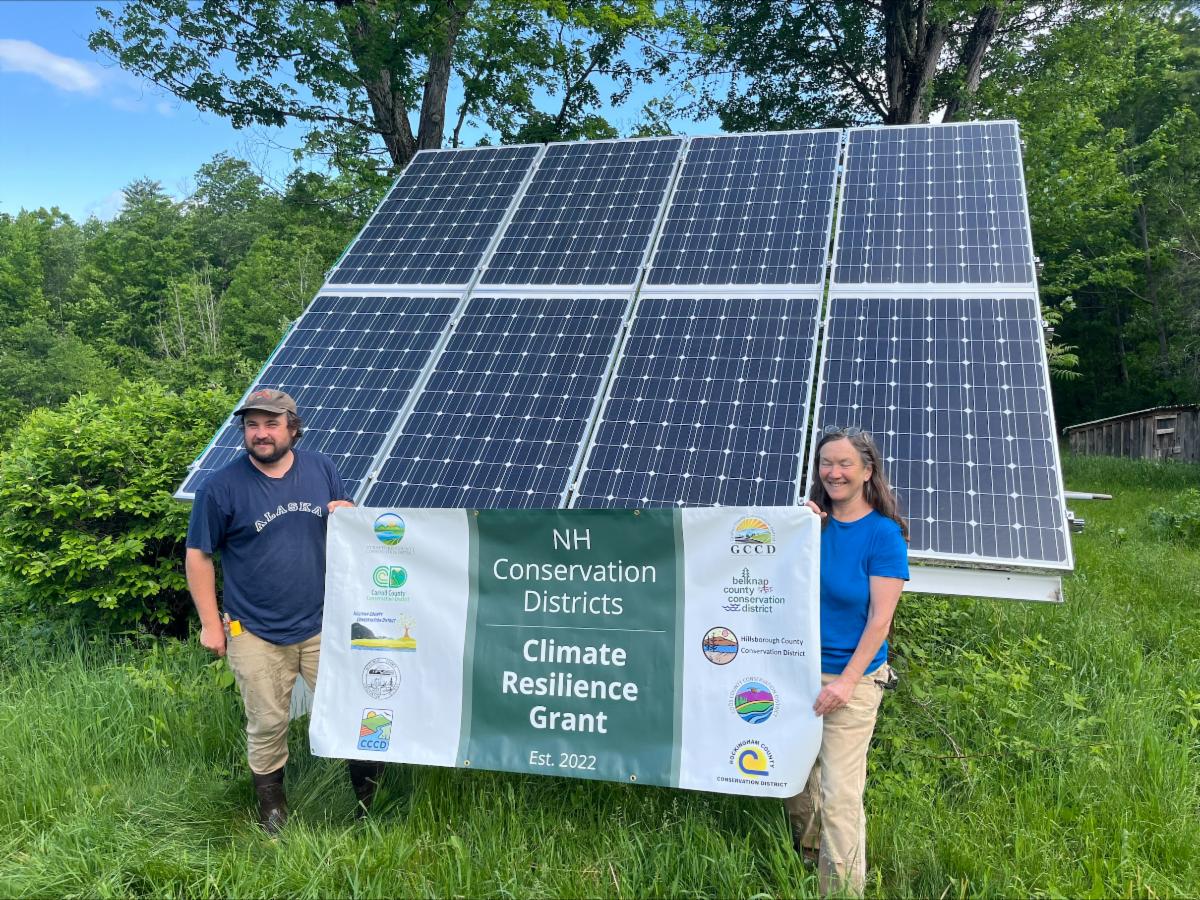
The 10 NH Conservation Districts are excited to announce an opportunity to improve your farm's resilience through a climate adaptation or mitigation project! We encourage you to apply for the fifth round of the New Hampshire Conservation Districts Climate Resilience Grant!
Applications are due on February 1, 2027!
Interested applicants can contact their conservation district for more information: www.cheshireconservation.org/nh-districts
Presented by the 10 NH Conservation Districts
After registering, a Zoom link will be sent to your email.
Cost: Free, Registration Required
| | CCCD Grant Program and Opportunities | | |
2027 Grant Opportunities Open November 1st!
Grant season is upon us! If you plan to or are interested in applying for a 2027 grant, learn more at the links below!
CCCD offers several grant opportunities in the fall:
| | Get social with CCCD! Stay updated on all the latest news, events, and grant opportunities! | | Sponsorship Opportunities | | |
CCCD offers several sponsorship opportunities at different giving levels for our Pollinator Palooza, Annual Celebration and Veteran Appreciation Month Programs.
Sponsorships are available to businesses, organizations, and individuals!
Sponsorships are a meaningful way to directly support these programs while promoting yourself, business, or organization!
| | Thank You to our Sponsors! | | Grant and Funding Opportunities | | |
Seedlings Loan Readiness Program | |
The Seedlings Loan Readiness Program is offered in partnership with Walden Mutual Bank and Small Business Butter to address longstanding systemic inequalities of opportunity in conventional credit offerings.
Rather than relying on traditional “short hands” for character (namely FICO scores and personal credit histories), Walden Mutual Bank relies on the demonstrated commitment of the borrower, as measured by character references (including endorsement from their peers) as well as their commitment to, and participation in, this program.
Seedlings consists of a three-day in-person intensive workshop followed by six months of virtual and in-person group check-ins, 1:1 coaching, and peer support. Participants walk away with comprehensive cash flow projections, an understanding of traditional bank loans, and relationships with business coaches, lenders, and peers.
Graduates of Seedlings have secured $71,800 in loan capital since 2024.
Applications are due November 8th, 2026
Apply Here
| |
2027 Internship Opportunities With Holstein Association USA and Holstein Foundation | |
Running from mid-May through mid-August 2027, both paid internships are based in Brattleboro, Vermont
Holstein Association USA and Holstein Foundation are now accepting applications for two paid summer internships. The Digital Content and Communications Intern will gain hands-on experience creating multimedia content while telling the stories of Registered Holstein breeders and highlighting the programs and services offered by Holstein Association USA. The Holstein Foundation Youth Programs Intern will gain experience in youth development and event planning, while supporting educational opportunities for young people in the dairy industry. Applications for both internships are due October 31, 2026.
Learn More
| | |
|
Farmer Self-Care Grants
Apply Today!
| |
Since 2020, Real Farmer Care's flagship program has awarded self-care grants directly to farmers and ranchers — no strings attached. Starting Fall 2026, farmers can apply online for two grant types: the Immediate Care Grant ($200), for a single, immediate self-care need — a first therapy session, an initial body treatment after injury, or a restorative wellness visit — and the Sustained Care Grant ($1,000), for ongoing care across a farming season — a series of therapy sessions, multiple chiropractic or bodywork appointments, or sustained mental health support. Over 600 farmers across 45 states have already received a grant, each choosing exactly what care looks like for them: a massage, a therapy session, a gym membership, a night away from the farm.
Eligibility: You are eligible to apply if you...
Farm or ranch in the contiguous United States or any U.S. territory
Have an annual farming income of $1,000 or more
Priority is given to farmers who have not previously received a Real Farmer Care grant
How It Works: Applications are accepted on a rolling basis and reviewed in the order received. Awards are distributed in seasonal rounds when funds are available. Late applications are held for future rounds. Grants are delivered either as mailed checks or ACH direct deposits.
Status Notice: Applications will open Fall 2026.
Learn More
| |
|
The Jumpstart to Produce Safety Program
Learn More Today!
| |
When you pick up a pint of fresh berries at the farmers’ market or buy crisp greens from a local co-op or grocery store, you’re not just supporting New Hampshire farms; you’re trusting that the food is safe for your family to enjoy. Behind the scenes, farmers across the state are working hard to meet that responsibility through practices that protect produce from field to fork.
At UNH Extension, our Food Safety team partners with farmers to help them understand and apply best practices in safe produce handling, this can range from testing irrigation and produce wash water to improving handwashing stations and keeping harvest tools clean.
Whether big or small, every farm benefits from practical, science-based food safety education. That’s what the Jumpstart to Produce Safety Program, a four-year grant project led by UNH Extension and UMaine Extension, has been doing. The program helps small and mid-sized farms put produce safety into practice. Many of these farms aren’t fully covered by the FSMA rules, but they recognize that adopting safe handling practices protects customers and strengthens their businesses.
(FSMA = the Food Safety Modernization Act. The Produce Safety Rule is one of the FDA regulations that farms covered by FSMA must follow. Most NH farms are not fully covered by FSMA)
Learn More
| | |
|
Northeast Farmers of Color Land Trust's Black Farmers Learn Scholarship
Application Period: Open during the first week of every month
| |
The Black Farmers Learn Scholarship provides financial support to Black farmers and land stewards seeking to grow their agricultural skills. Recipients can receive up to $500 to cover tuition or registration fees for training programs, conferences, schools, or collectives that deepen farming knowledge and capacity.
Learn More
| |
|
Tuition-free Meat Processing & Food Safety Certificate
Sign Up Today!
| |
In New Hampshire, meat processing is an important step in local food systems; however, it can be tough to start a career in this important field. A free course from the University of NH aims to address this issue. Free enrollment is now available for the UNH Meat Processing and Food Safety Certificate program—a comprehensive training that equips individuals with essential skills for careers as butchers, chefs, food machine operators, slaughterers, food science technicians, and agricultural inspectors.
This opportunity is made possible by funding from the NH Dept. of Agriculture, Markets, and Food through the American Rescue Plan State and Local Fiscal Recovery Funds
Learn More
| | |
NOFA-NH Pasa Farmer Technical Assistance & Outreach | |
Direct support to help farmers meet their environmental, business, and community goals
Farmers are highly skilled tradespeople who provide essential community and environmental services. Increasingly severe weather brought by climate change is multiplying the already high amount of risk they endure.
We meet farmers where they’re at and connect them with relevant resources to navigate the challenges of farming in a changing climate.
Connecting farmers with technical & financial support
Learn More
| |
New Program at AFT to Help Producers Access NRCS Funding | |
American Farmland Trust is launching a new service called Prosperity Partners to help you reach your farming goals. Do you need help planning for improved soil health, better nutrient and pest management, or making the transition to organic production? Would you like help accessing financial assistance through the Natural Resources Conservation Service (NRCS)? Our experienced team can help! As you may know, NRCS has experienced cuts in staffing lately and will likely experience more. We at AFT are looking to step in and fill a gap, using our understanding of the agency’s processes and decades of combined farming knowledge to provide a comprehensive service to farmers while accessing funding resources. Please reach out to Leigh Mae MacLellan lmaclellan@farmland.org or Rachel Carow rcarow@farmland.org for more information.
Learn More
| | |
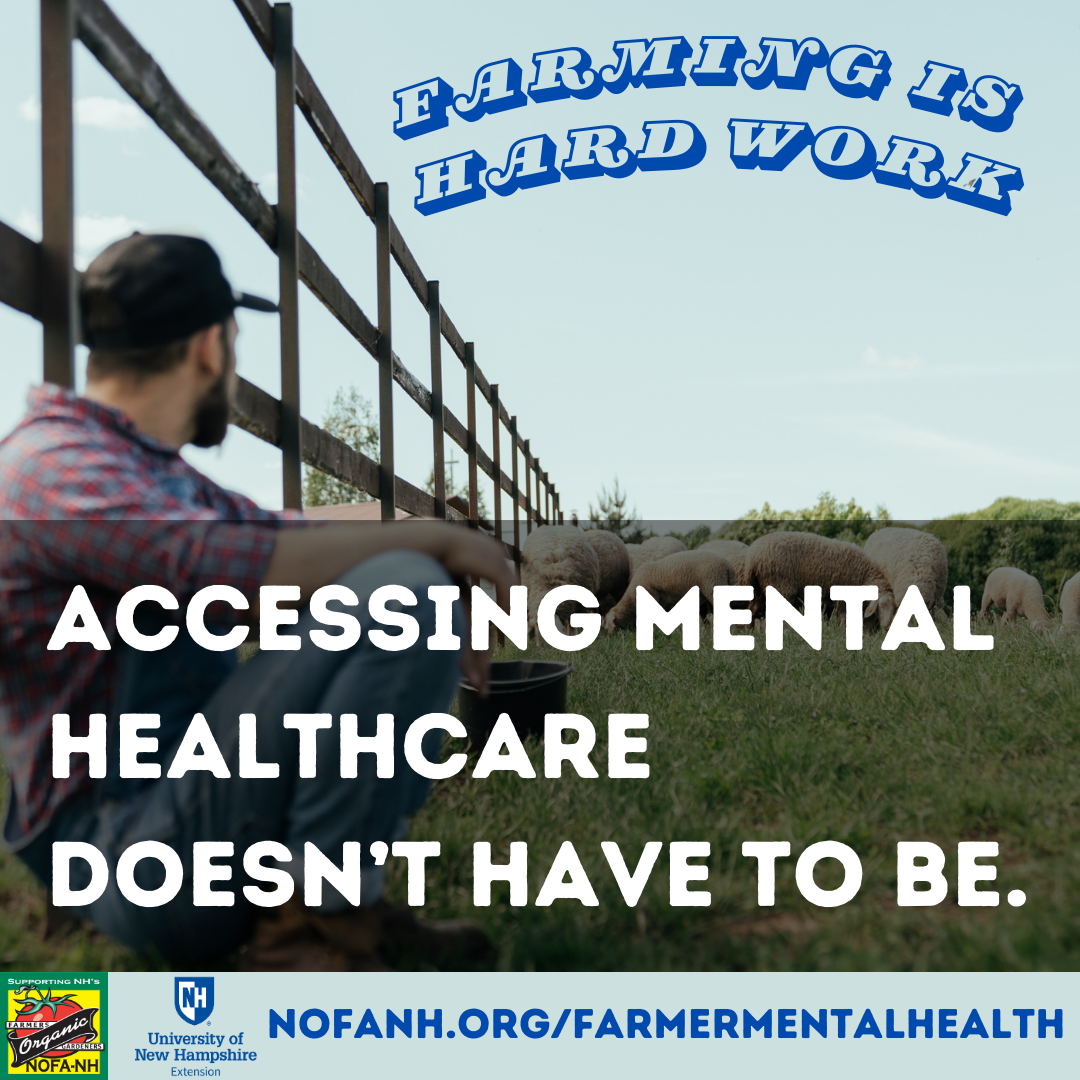
Farmer Mental Health Support Program: Access Mental Health Resources and Financial Services! | |
We know that farming is hard work. The environmental, financial, social, physical, and emotional pressures on farmers can be an intense burdens to bear - but that doesn’t mean that you have to bear them alone. The unique and nuanced stressors associated with farming, from unpredictable weather patterns to the effects of climate change, policies that hinder farm business success, and market volatility cement farming as a dangerous profession in regard to mental and psychological wellbeing, partially evidenced by higher rates of suicide among farmers than the national average.
In order to provide support for New Hampshire farmers and combat the stigma associated with mental health challenges, NOFA-NH has developed a Farmer Mental Health Campaign and a comprehensive list of resources for farmers in search of mental health services, as well as mental health resources for professionals who provide services and technical assistance to farmers.
Learn More
| |
Funding Sources for Food-Related Businesses, Digital Directory | |
To help food and farm entrepreneurs learn how to jumpstart their businesses, the Michigan State University Center for Regional Food Systems created a new searchable directory for funding sources. This updated web resource identifies local, national, and global opportunities for financial support for farmers, food producers, distributors, food hubs, other food-related businesses, and business assistance providers.
In the digital directory, funding sources are organized into four major categories:
- Ownership
- Funding type
- Business sector
- Funding amounts
The directory includes over 80 sources of funding, guidance for what kind of financing to seek, and tips for getting funding.
Learn More
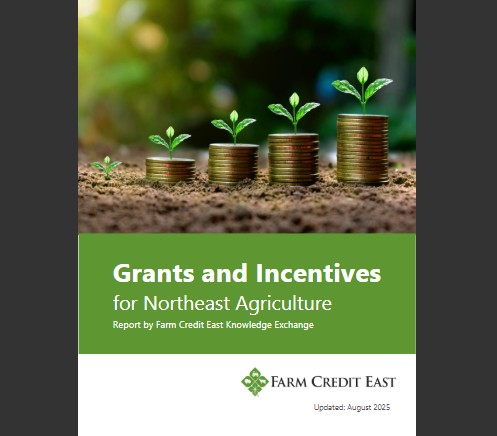
| | Grants and Incentives for Northeast Agriculture | |
Updated for 2026 Grant Opportunities!
This report includes funding opportunities available in the eight states served by Farm Credit East: Connecticut, Maine, Massachusetts, New Hampshire, New Jersey, New York, Rhode Island and Vermont. Programs are divided into broad categories according to their main focus: beginning farmers, conservation, environment and forestry; energy; fisheries and aquaculture; organic; rural business development; and research, education and promotion.
Please note that as grant programs often change, this list should not be viewed as a comprehensive compilation of all grant opportunities. Interested parties should consult other sources to identify all potential sources of grants and incentives.
Learn More
| | |
Statewide Rental Equipment List for Conservation Districts Released
| |
County Conservation Districts across the state received federal funding earlier this year to purchase additional rental equipment available to farmers. From aerators to no till equipment, mulch spreaders and more. The full list of equipment is at the link. Get in touch with the local district manager to inquire about rental price and logistics.
Learn More
| | |
Non-Crop Farm Losses Survey:
New England and Pacific Block Grant
Take the Survey Today!
| | |
In 2024, Congress appropriated $220 million for farmers in eight states with smaller agricultural footprints to help address weather-related, non-crop losses from 2023 and 2024. This includes infrastructure, future economic loss, market loss, timber, and reestablishment of certain practices. Alaska, Connecticut, Hawaii, Maine, Massachusetts, New Hampshire, Rhode Island, and Vermont meet the criteria to receive funding through block grants. This survey will help the NH Department of Agriculture, Markets, and Food gather data to make a request for funds to USDA, as well as help guide the allocation of these funds in New Hampshire.
If your farm recorded an average of $10,000 in gross revenues per year over the past three years, please complete the survey using the link below.
Learn More
| | Community Events and Workshops | | |
|
Transitioning to Organic Partnership Program (TOPP) Virtual Roundtable
Transitioning to Organic Partnership Program (TOPP) is a mentorship program for farmers who want to transition to certified organic production. This program provides the farmer with an experienced organic farmer to help with changes that might be needed in their production, creating the Organic System Plan (OSP) and helping them through the organic inspection. This mentorship program fills a gap that provides generational knowledge, builds a farming community and farming network within the state. It is bringing farmers together to share knowledge and experience that will launch transitioning farmers on a successful path.
Read more about TOPP and register for upcoming workshops at: organictransition.org or at nofanh.org/topp.
Upcoming workshops:
Third Tuesday of Each Month | Online - Farmers Organic Roundtable
| |
TOPP Technical Assisants Program | |
Get the support you need to grow organic with confidence.
NOFA-NH offers Organic Technical Assistance to help you navigate the details of organic production and certification.
Whether you're just getting started, transitioning, or already certified, we’re here to support your farm every step of the way. From recordkeeping and soil health to certification requirements and on-farm practices, our team can work with you one-on-one to find solutions that fit your operation.
Learn More
| | |
|
Cornell Small Farms Business & Production Courses
September 21st - October 28th
Mondays,Tuesdays, Wednesdays
| |
Do you want to learn, improve, and make better decisions for your farming operation?
The Cornell Small Farms Program’s online courses connect you with experts, experienced farmers, and practical knowledge to help you understand your farm, strengthen your business, and uncover new opportunities.
The first block of our online courses begin live webinars next week! Enroll now to gain valuable skills on countless topics, including finances, cattle, pigs, land health, and vegetable production.
Starting at Square One
Mondays at 6:30 p.m. from September 21 – October 26
Building Farm Financial Records to Measure Success
Tuesdays at 7:00 p.m. from September 22 – October 27
Beef Cattle Management
Wednesdays at 6:30 p.m. from September 23 – October 28
Vegetable Production I
Wednesdays at 7:00 p.m. from September 23 – October 28
Learn More
| |
|
Super-vision: Developing a Clear View of the Rules and Responsibilities of Holding a Supervisory Commercial Pesticide Applicator License
October 20th
9:00AM - 10:00AM
Virtual Event
| |
This monthly webinar series takes a practical look at the rules and responsibilities you encounter in your day-to-day work as a pesticide applicator. Each session brings together UNH Extension educators and staff from the NH DAMF, Division of Pesticide Control to help you learn about applicable regulations, common mistakes and practical strategies you can use to avoid problems in the field.
UNH Extension is an educational organization and does not enforce pesticide regulations or report violations.
Learn More
| | |
|
2026 Cut Flower Growers' Conference
October 20th
8:30AM - 4:30PM
Puritan Conference Center
Manchester NH
| |
Join us for a statewide Cut Flower Grower Conference, EXCLUSIVELY for commercial cut flower growers!
The Cut Flower Industry in New Hampshire is vibrant, growing and full of challenges! Join UNH experts and your fellow growers for a day of structured networking, informative learning sessions, moderated panel and group discussions… even a demonstration session.
This year, two sessions will be broken into Beginner and Advanced, to give meaningful learning to all growers, regardless of experience level.
If you grow cut flowers to sell or intend to do so in the next few years, this conference is for you.
Lunch and morning refreshments included.
Cost: $75.00 - Registration is Required
Learn More
| |
|
Getting your Farm Funded: Understanding FACT’s Fund-a-Farmer Grants in 2026
October 20th
1:00PM - 2:30PM
Virtual Event
| |
In this online session, Food Animal Concerns Trust’s (FACT) Humane Farming Director, Samantha Gasson, will discuss the Fund-a-Farmer grant process, application tidbits and application no-no’s. If you’re planning on applying this year, you won’t want to miss this informative session.
Learn More
| | |
|
Graze on Over: Making Biosecurity Work in the Real World
October 21st
12:00PM-1:00PM
Virtual Event
| |
Join NatGLC’s Central Region Resource Manager, Tom Shea, for a webinar featuring Dr. Jim Lowe, who will discuss the importance of biosecurity for animal and human health. Tune in for a practical discussion on biosecurity you can implement on your operation.
Learn More
| |
|
New England BIPOC Festival
October 25th
12:00PM-5:00PM
Strawberry Banke Museum
Portsmouth NH
| |
A food festival at heart, we welcome a wide array of restaurants and chefs, as well as non-profits, small businesses and community organizations for and by the BIPOC communities of New England. We believe shared food and joy are critical means for building connections and community and you will find plenty of both at this family friendly event. Featuring cultural performances, local musicians and artists, this is a day you don’t want to miss. Join us in October at Strawbery Banke Museum and see for yourself!
This festival is for everyone. All are welcome.
Admission is free. All of the food is free.
Suggested donation is $10.
Learn More
| | |
|
Plant Growth Regulator (PGR ) and non-chemical Growth Regulation of Greenhouse Crops
October 27th
6:30PM-8:00PM
Virtual Event
| |
The monthly sessions of the 2026 Webinar Series for Greenhouse, Nursery and Garden Center Professionals on a variety of topics are intended to provide practical training for greenhouse, nursery and garden center professionals, although all are welcome to attend.
One New England pesticide applicator recertification credit has been applied for for each event. Register for as few or as many as you like!
Learn More
| |
|
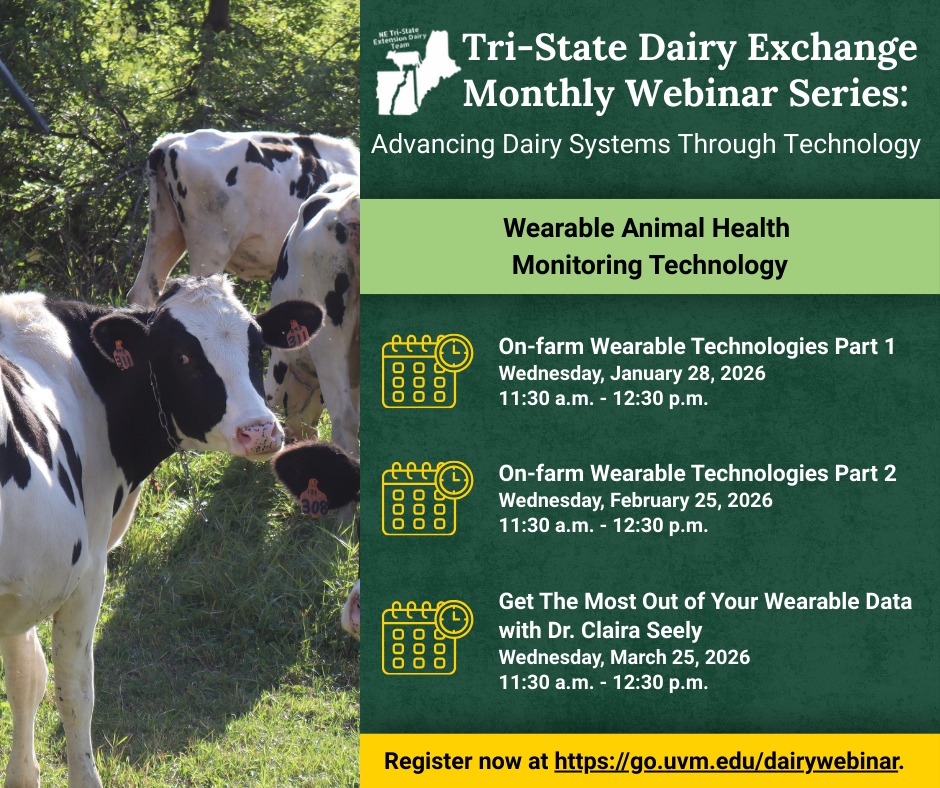
Tri-State Dairy Exchange: Advancing Dairy Systems Through Technology
October 28th
11:30AM-12:30PM
Last Thursday of the Month, Online
| |
Workshop: October 28th - Enhancing Dairy Farm Employee Management
The mission of the Tri-State Dairy Team is to unite Maine, New Hampshire, and Vermont in advancing dairy management through collaborative educational programs, addressing shared industry challenges, and fostering innovation across northern New England.
Join the team of Dairy Extension Professionals from UMaine, UNH and UVM and guests for live monthly webinars held on the last Wednesday of each month from 11:30am-12:30pm. Sessions will focus on current dairy research and programs happening in the tri-state region, including interviews, presentations and roundtable discussions. Tune in live to stay up-to-date and join the conversation.
Learn More
| | |
|
Rich Earth Summit for Urine Diversion and Source Separation
November 4th - 6th
9:00AM - 2:20PM
Online Event
| |
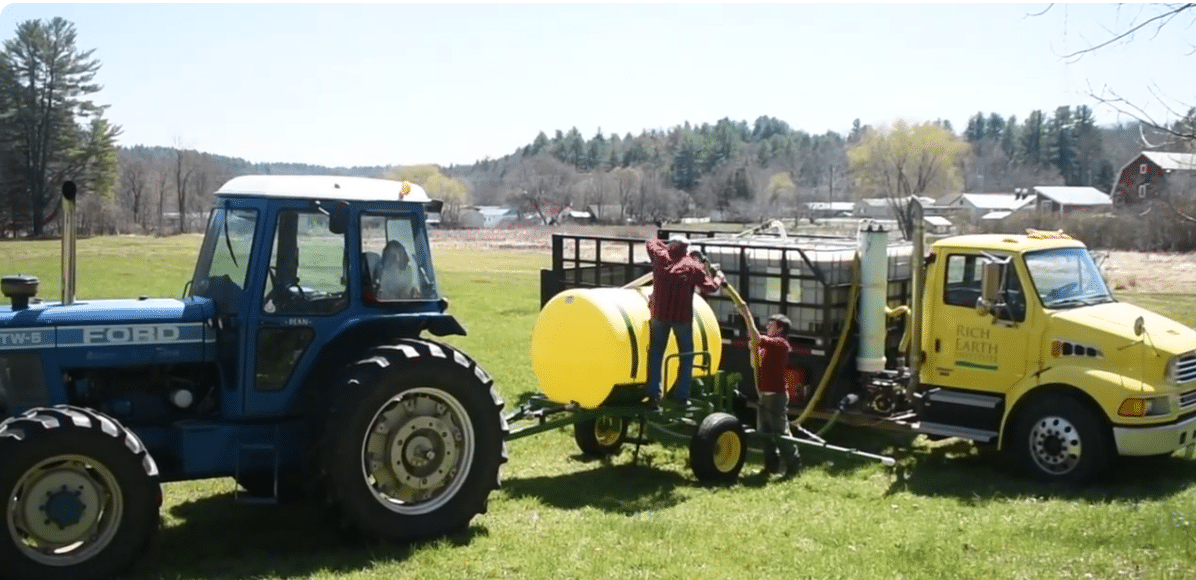
The 2026 Rich Earth Summit is the 12th annual global gathering advancing circular sanitation for clean water and sustainable agriculture. The virtual Summit explores how nutrients in human “waste” can be reclaimed as a valuable resource for farms instead of becoming costly watershed pollutants, completing the nutrient cycle. Forty-six presenters from around the world will share research, storytelling projects, economic strategies, pilot projects, and more.
Learn More
| |
|
2026 RCP Network Gathering
November 5th
UMass Amherst
Amherst MA
| |
Welcome to the website for the 2026 RCP Network Gathering, the region’s premier conference for collaborative landscape conservation! This annual full-day event is free and open to all. Below you will find information about this year’s program, including directions and important details about parking. Registration closes on Monday, October 26.
This year’s program, Cultivating a Shared Food Future through Conservation, Community, & Collaboration, will explore real solutions to the interconnected biodiversity and food system crises, and the vital role that diverse and resilient partnerships, such as RCPs, play in creating a healthier, equitable, and sustainable food future. We hope you’ll come gather with us!
Please contact RCPinfo@highstead.net with any registration questions.
Learn More
| | |
|
National Organic Convening
November 6th
1:00PM - 4:00PM
Online Event
| |
The National Organic Coalition is hosting a National Organic Convening. This free online forum provides a space for information-sharing and dialogue and is open to all organic community members. The agenda will include a federal organic policy and midterm update led by National Organic Coalition Policy Director Steve Etka, a panel and participatory session, and a Q&A with NOP Deputy Administrator Jenny Tucker.
Learn More
| |
|
Rooted in New England
November 6th
1:00PM - 5:00PM
Center for Agricultural Economy
Hardwick VT
| |
The Center for Agricultural Economy (CAE), Vermont Specialty Food Association (VSFA), and Naturally New England (NNE) will be celebrating food and beverage producers from the New England region. The Rooted in New England event includes an exclusive tour of CAE’s recently renovated Venture Center, a Food Hub tour, and keynote, followed by a producer showcase.
Learn More
| | |
|
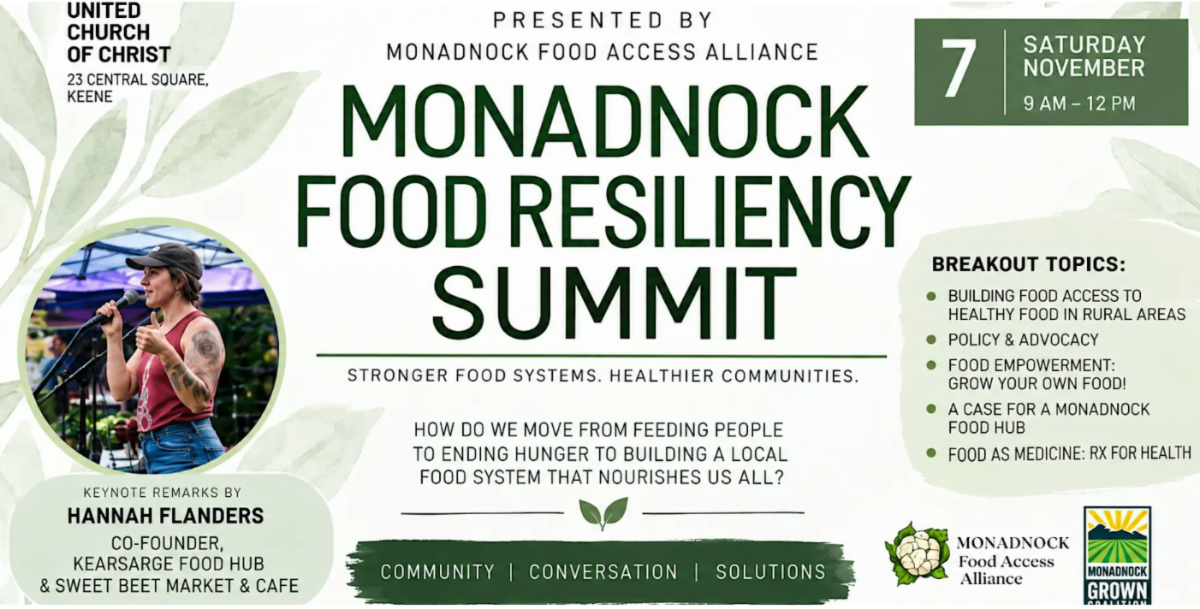
Monadnock Food Resiliency Summit
November 7th
9:00AM - 12:00PM
United Church of Christ
Keene NH
| |
Monadnock Food Resiliency Summit to Bring Community Together Around Food Access and a Stronger Regional Food System
How do we move from feeding people, to ending hunger, to building a local food system that nourishes us all?
That question will be at the center of the Monadnock Food Resiliency Summit
Learn More
| |
|
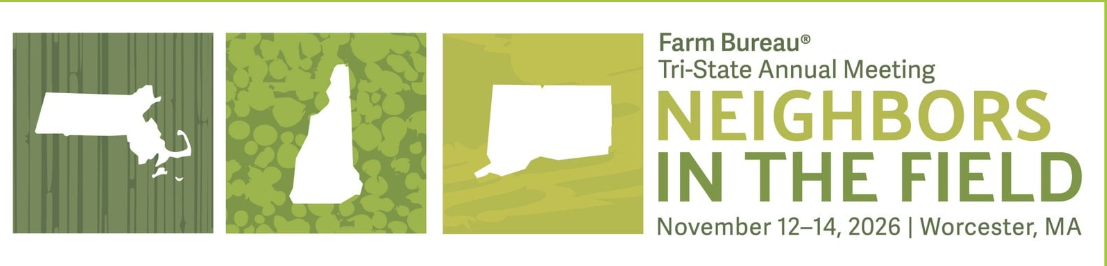
Neighbors in the Field
November 12th - 14th
12:00PM - 1:00PM
DCU Convention Center
Worcester MA
| |
Agriculture is evolving faster than ever, and the decisions you make this season will define your success for the next decade. Whether you are managing 10 acres or hundreds of acres, diversifying into agri-tourism, or looking to save money on labor and inputs, the TRI-STATE ANNUAL MEETING is your dedicated hub to gain a practical, competitive edge.
Learn More
| | Greenhouse Production Videos by UNH Cooperative Extension | |
From pest and disease management to water training and fertilizer use, these videos help growers succeed in the greenhouse.
Check out our 41 Greenhouse Production videos (and counting)!
Learn More
| | Cut Flower Production Videos by UNH Cooperative Extension | |
Dig in to learning about Cut Flowers with our first 6 videos!
- An integrated approach to diagnosing plant problems in-house
- Calculating Fertilizers
- Cut Flower Costing and Pricing
- Cut Flower Scheduling
- Fertility for Cut Flowers
- Pest Scouting and Identification in Cut Flower Crops
Learn More
| | |
Monadnock Grown Coalition New Website:
Farm Directory & Food System Resource
| |
Monadnock Grown Coalition, formerly the Monadnock Farm and Community Coalition, has launched a new website designed to make it easier for residents and visitors to find food grown and produced throughout the Monadnock Region while connecting farmers, gardeners, and community members with valuable food system resources.
The newly redesigned website provides a user-friendly way to discover local farms, farm stands and farmers markets, products, and services throughout the region. Visitors can explore area farms and producers, learn what foods are available locally and in season, and find new ways to support the people growing and producing food close to home.
Learn More
| | |
Call for Farms!
Share Your surplus with NH Gleans
| |
With the growing season in full swing across New Hampshire—maybe you have surplus to share?
Get your extra harvest to local food pantries and meal programs with help from NH Gleans organizations! Whether you're harvesting a summer crop or a backyard grower with extra produce—or even eggs—we’re here to help. NH Gleans organizations can coordinate a harvest or pickup around your schedule and ensure the food is distributed to community members in need, quickly and efficiently.
Learn More
| | Bat as a Form of Biological Pest Control | | |
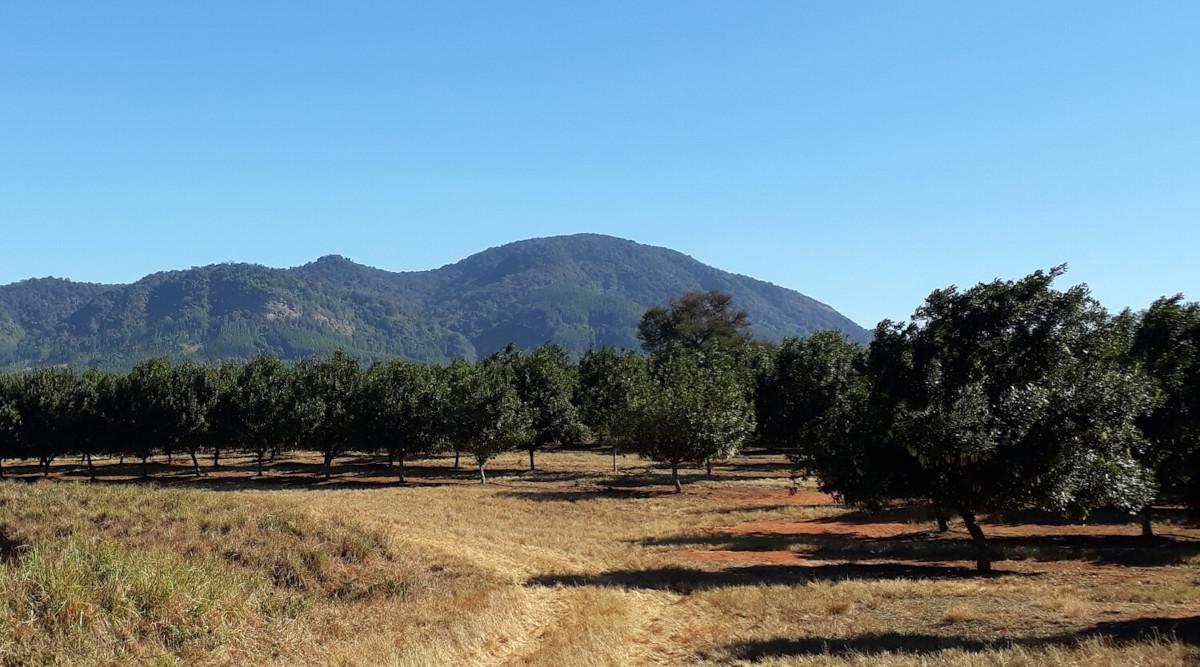
Labour-intensive harvesting, complex processing: the macadamia is one of the most expensive nuts in the world. This makes it all the more important to protect the trees from pests. An international research team led by the University of Göttingen has now investigated how natural vegetation in and around macadamia plantations affects pest infestation, paying particular attention to bird and bat populations. The researchers were able to demonstrate that the higher the level of bat activity, the lower the incidence of pest infestation. At the same time, yields increased in landscapes with a higher proportion of natural vegetation. The findings were published in the journal Agriculture, Ecosystems and Environment.
Learn More
| | NOFA-NH Agroforestry Blog Post Series | |
No tree is ever alone. Above, in its branches, birds and squirrels make their homes, eating the fruits and nuts that the tree provides. Underfoot, deer eat low-hanging leaves and underbrush, making space for new growth to come through. In the soil, fungal systems communicate and give nutrients through mycorrhizal networks to and from other trees. Together, they create a method that works, one that gives and takes in a balance. By taking a page from how an ecosystem works, Indigenous practices learned from these systems and started to grow like a forest. Agroforestry is not a modern concept, but a reintroduction of traditional knowledge. By combining forestry, pasture, and crops into one system, agroforestry mimics structures found in nature to best utilize space and production systems. By having each element build off each other, through the exchange of water, nutrients and space, all parts are part of a whole. Instead of a monoculture system, agroforestry allows for multiple products to be grown in one spot, and for more security for crops, livestock, trees, and farmers.
Learn More
| | Free Tool Helps Growers, Advisors See Impact of Regenerative Practices on Drought Resilience | |
Drought Resilience Calculator draws on soil health data and management insights from real-world production systems.
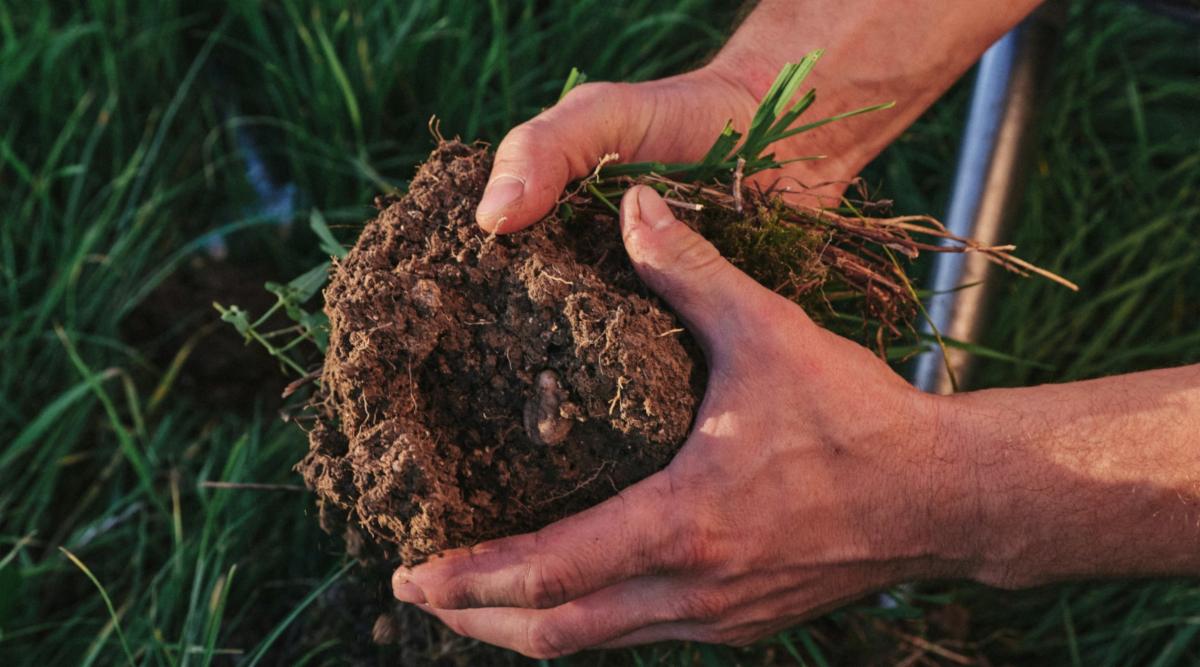
As drought risk intensifies across U.S. farmland, the Soil Health Institute (SHI) has launched a new, science-based tool to help farmers and advisors understand how soil health management can improve water availability and crop resilience. The Drought Resilience Calculator (DRC) models how increased residue cover and soil organic carbon can help crops better withstand dry conditions.
Learn More
| | Northeast Farmers Could Profit From Grass-Fed Beef if They Expand, Join Forces | |
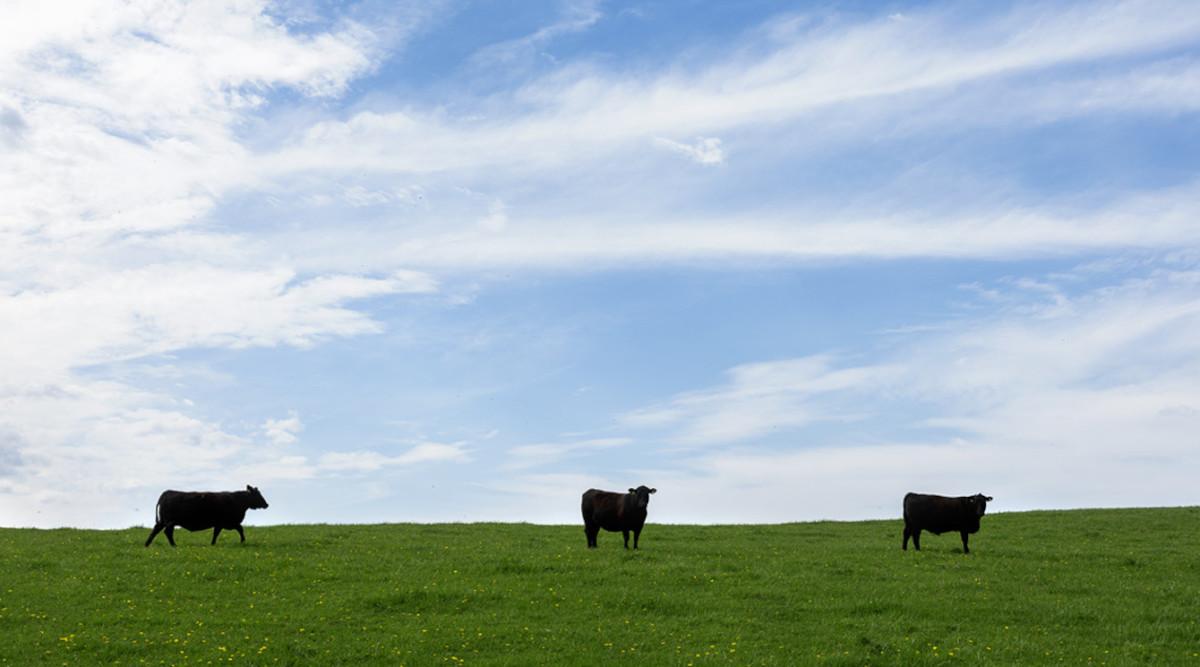
New York state and New England have optimal conditions for grass-fed beef production – with an abundance of pasturelands and forage – but higher production costs have made farmers wary of expanding operations.
In a new analysis, published in Agricultural Systems on March 25, researchers find that grass-fed beef can compete with grain-fed beef in the region, even given those higher costs and prices for consumers – particularly if operations are scaled up, either through larger farms or farm cooperatives, which could drop production costs and prices by 24%.
The study comes as the demand for grass-fed beef is on the rise, particularly in the region’s urban markets, where consumers want a healthier, more environmentally friendly alternative to grain-fed beef and are willing to pay higher prices for it.
Learn More
| | Guide to Using Wood Ash as an Agricultural Soil Amendment | |
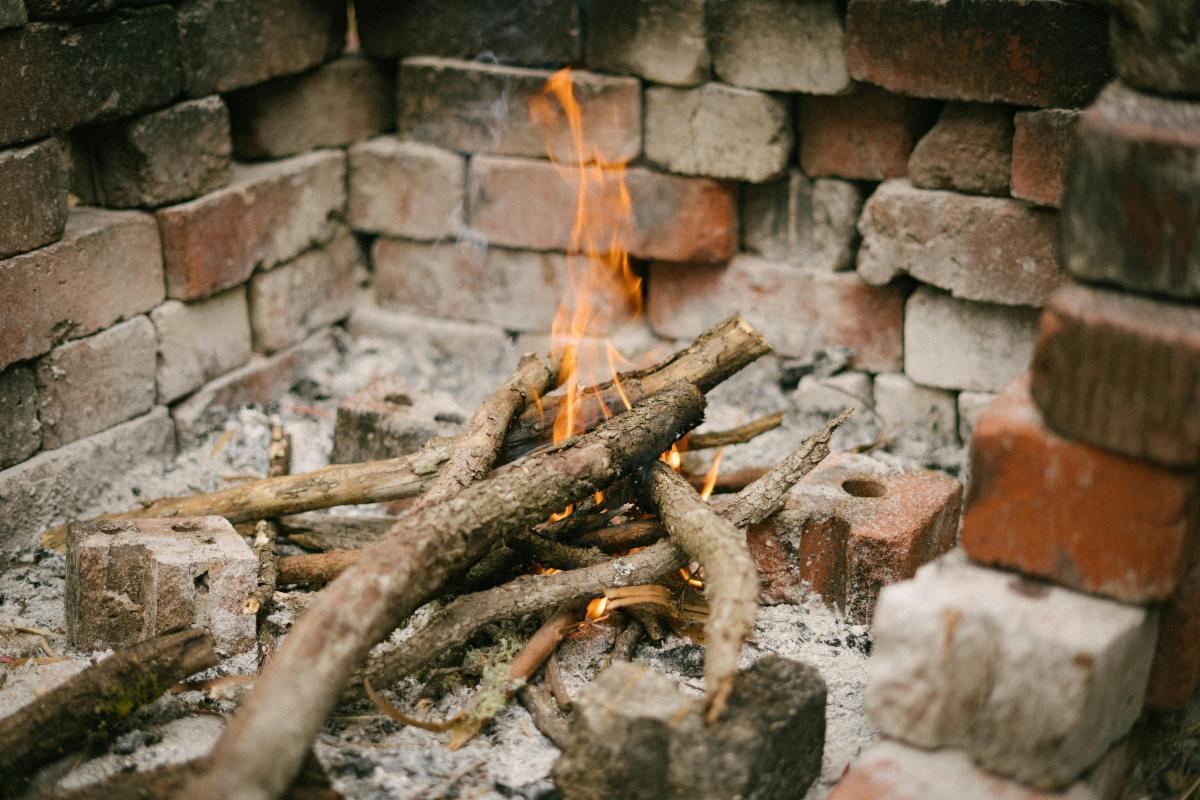
Wood ash has a long history of use in New England. Our Yankee ancestors used wood ash to make lye for soaps, to clean glass, silver and pewter. Ash is also used as an agricultural soil amendment to add nutrients and raise the soil pH. Burning wood is still very popular in New England and sources are readily available. This document is focused primarily on the use of ash from residential woodstoves, but touches on the use of ash from larger commercial sources such as wood-burning biomass plants which produce heat or electricity.
Learn More
| | Rising Above Traditional Crop Disease Scouting | |
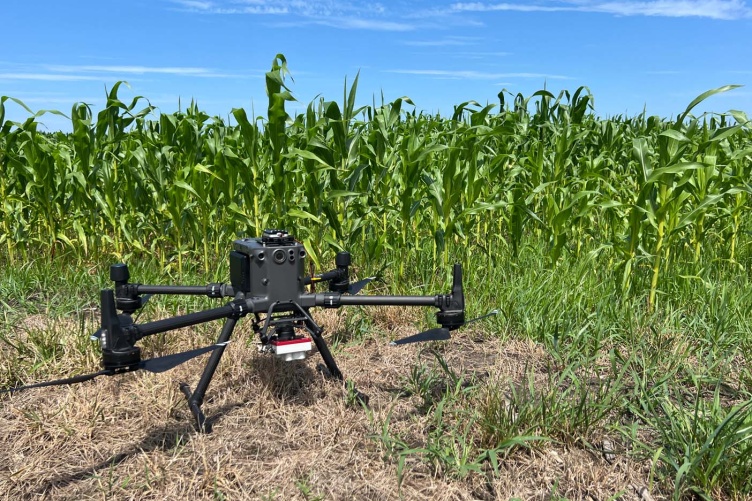
Research at the University of New Hampshire is assessing whether drones could be a tool for small and medium-sized New England farms to identify plant disease pressure earlier, more accurately and at a lower cost. “When harvest time comes, often the BMR corn is brown from top to bottom—it doesn’t have the disease resistance of non-BMR corn, and that’s a big issue for farmers,” explained Tom Beaudry, a commercial crop advisor and CCCD Board Member who works with dairy farmers across New Hampshire as well as in Massachusetts and Vermont.
Learn More
| | True Love, Tomatoes, and Trouble: Managing Heat Stress in Tomato Production | |
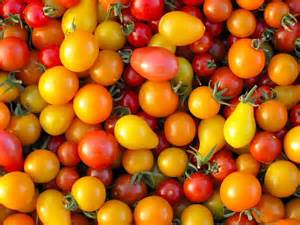
Tomatoes are a staple summer crop for many diversified farms: high-value, in-demand, and, when conditions are right, highly productive. But as summers grow hotter and more unpredictable, even this dependable crop can show signs of stress. Blossom drop, sunscald, delayed or uneven ripening, and declines in yield are symptoms caused by intense heat.
Read this blog post written by Andy Pressman, CCCD Board Chair & NCAT Sustainable Agriculture Program Director!
Learn More
| | Farm Estate Planning Resource in NH | |
Video series provides insights into securing your farm and your farming legacy
Discover essential estate planning tips for farmers in our new video series featuring attorney Stephanie Burnham. Learn how to protect your farm and secure its future with insights on wills, trusts, asset transfer, and more.
Learn More
| | Why We Keep Farming When the Going Gets Tough | |
Meaningful rewards, personal fulfillment and sense of purpose keep farmers going
Farming is no stranger to stress. Whether it’s unpredictable weather, fluctuating market prices, or rising operational costs, the challenges that come with farming often make headlines. News reports frequently focus on the negative, painting a picture of an industry in crisis, where farmers are caught in a cycle of hardship. Report show that farmers are an aging workforce, farmers are at high risk of injury and farm incomes fluctuate. These reports can be discouraging to read or watch, especially when the daily pressures of farming are already overwhelming.
But beyond the headlines lies a different story — one that doesn’t always get the attention it deserves.
Learn More
| | Filling Your Toolkit to Manage Stress On and Off Farm | |
The stress associated with farming is very real and has very real-life effects... farmers, your feelings are valid, and you are not alone in them. The unique and nuanced stressors associated with farming, from unpredictable weather patterns to the effects of climate change, policies that hinder farm business success, and market volatility cement farming as a dangerous profession in regard to mental and psychological wellbeing, partially evidenced by higher rates of suicide among farmers than the national average.
Stress shows up in our bodies in so many ways, from nausea, to high blood pressure, fatigue, headaches and grinding teeth – influencing our behavior, mental state, and more.
While it is not possible or even necessarily good to eliminate all stress (yes, stress has a function in our bodies and helps keep us safe!), there are many strategies farmers can employ to manage and balance stress. Mindfulness, spirituality, yoga, meditation, breathwork and art are just some of the useful tools and strategies to lean into when managing stress on and off the farm.
Learn More
| | CSA Ideas Lab Recording and Resources Available Now! | |
Watch our most recent CSA Innovation Network Ideas Lab to learn more about online sales, e-commerce platforms, and marketing tactics for your CSA!
Are you hoping to improve your marketing techniques and see an increase in your online sales for your CSA business? We share several educational materials and various options to support your sales goals in this CSA Ideas Lab session.
The CSA Innovation Network has an e-commerce report to show you various platforms that exist, and CAFF has a new e-commerce assessment tool that can help you decide which might work best for you. Taste the Local Difference has many resources, tips, and tricks to provide you ample opportunity to up your marketing game and make those online sales regardless of which platform you use, and is also releasing a new e-commerce comparison guide soon - sign up to get notified of its release!
Resources from the event:
Learn More
| | Why the US Food System Needs Agroecology | |
Agroecology—a science, practice, and movement which seeks social, political, economic, and environmental sustainability in the global food system—is gaining momentum in the U.S., according to a new Dartmouth-led commentary in Nature Food. As the co-authors report, the approach requires coordination between scientists, farmers, and activists.
Learn More
| | |
Important Food Safety Information for Donating Produce to Food Pantries
| |
New Hampshire food pantries benefit from fresh produce that is safely grown, harvested and donated by community members.
More details available in the latest UNH Extension blog!
Learn More
| | |
What it means for New England Farms to be Viable in the Present Day
With food production alone falling fall short of paying the bills on small New England farms, how are they able to remain viable? NHAES scientist Analena Bruce interviewed farmers across northern New England, documenting the need to develop alternative income sources on the farm, such as agritourism, as well as diversification into other non-farming ventures. The findings underline the need to rethink how farm viability is defined.
Learn More
| | Farmer Mental Wellness Articles | | NH Energy Efficiency and Renewable Energy Resources | |
CCCD has compiled a list of resources for farmers interested in improving their energy efficiency and renewable energy infrastructure. Resources include grants, rebates, tax incentives, and technical assistance.
Learn More
| | Climate Resources through Vital Communities! | |
Vital Communities and its partners are developing digital toolkits to help farmers adopt climate-friendly practices and communicate them through your marketing.
Climate Adaptation and Mitigation on the Farm: Resources that any farm can use to adapt to climate change and lessen its output of greenhouse gases – regardless of the farm’s type (livestock, produce, and more), size, or certification in terms of organic or regenerative practices.
Learn More
| |
|
The Local Infrastructure Hub is a national program designed to connect cities and towns with the resources and expert advice they need to access federal infrastructure funding in order to drive local progress, improve communities, and deliver results for residents. The Bipartisan Infrastructure Law consists of nearly 400 funding opportunities. Their tool can help you find those that best align with your community priorities.
Learn More
| | The Anti-Racist Farmers Market Toolkit | |
The Anti-Racist Farmers Market Toolkit from the Farmers Market Coalition exists to help farmers market managers make progress toward becoming anti-racist managers of anti-racist markets. Learn more at the link below!
Learn More
| | Free Farmer Business Planning Resources | |
In 2022, CCCD partnered with the Hannah Grimes Center for Entrepreneurship, and National Center for Appropriate Technology (NCAT) to host a free 7-week-long business planning course (waived fee of $600!) for specialty crop producers in New Hampshire. The course aimed to strengthen the viability of local farms, and in turn, our local food system. Through the course farmers learned how to enhance the competitiveness of their business, received technical assistance, received peer support, created a business plan, and received an additional $2,000 stipend to implement their business plan at the close of the course.
This program was made possible through funding in part by the New Hampshire Department Of Agriculture and the Markets & Food USDA Specialty Crop Block Grant Program. Free business planning resources from the course can be accessed below!
Learn More
| | Look For the Monadnock Grown Label! | |
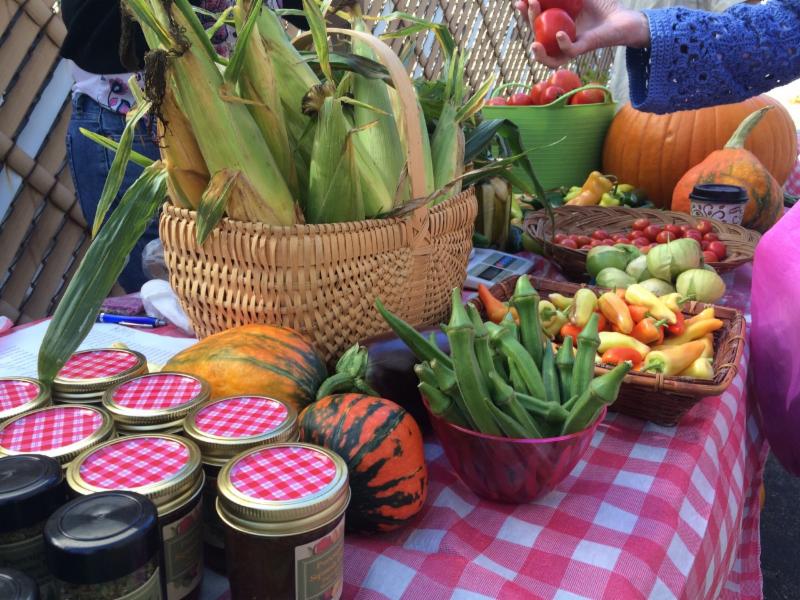
Thanks to support from a NH Champions of Agriculture grant, MFCC developed a new “Monadnock Grown” label and branding campaign that will help consumers identify Monadnock-grown products from other “local” products offered at the point of sale in grocery outlets, help increase sales at local grocery outlets, and better educate the public with farm business names and associated products.
“Monadnock Grown” products are those grown within the 34 towns of the Monadnock Region. “Monadnock Grown” products must be made from items grown in our region.
See list of participating farm stands and grocery outlets!
About the Monadnock Farm and Community Coalition
MFCC is a 140+ member organization that brings its members together regularly to build a robust, equitable, and sustainable local food system in the Monadnock Region of SW New Hampshire.
Learn More
| |
The Agricultural Viability Alliance in search of food and farm businesses to support with business and technical assistance! | |
The Agricultural Viability Alliance is looking for more food and farm businesses to support with business and technical assistance. Farms and food businesses in Belknap, Carroll, Cheshire, Coos, Grafton, and Sullivan counties are eligible.
The Agricultural Viability Alliance is a collaborative group of technical assistance providers that are focusing of farm viability in New Hampshire. The partners include Vital Communities' Food & Farm Program, Land For Good, New Hampshire Community Loan Fund, and the ATTRA Sustainable Agriculture program.
Learn More
| | A Cover Crop Selection Tool for Northeast US Farmers | |
The Northeast Cover Crops Council and Precision Sustainable Agriculture (PSA) created a Cover Crop Decision Support Tool that can help producers navigate cover crop choices. The web-based app allows you to try out different functions and characteristics of cover crop species suited to the Northeast. The tool provides recommendations for cover crops based on user specifications.
Learn More
| | Equipment Rental Season is Coming to a Close! | | |
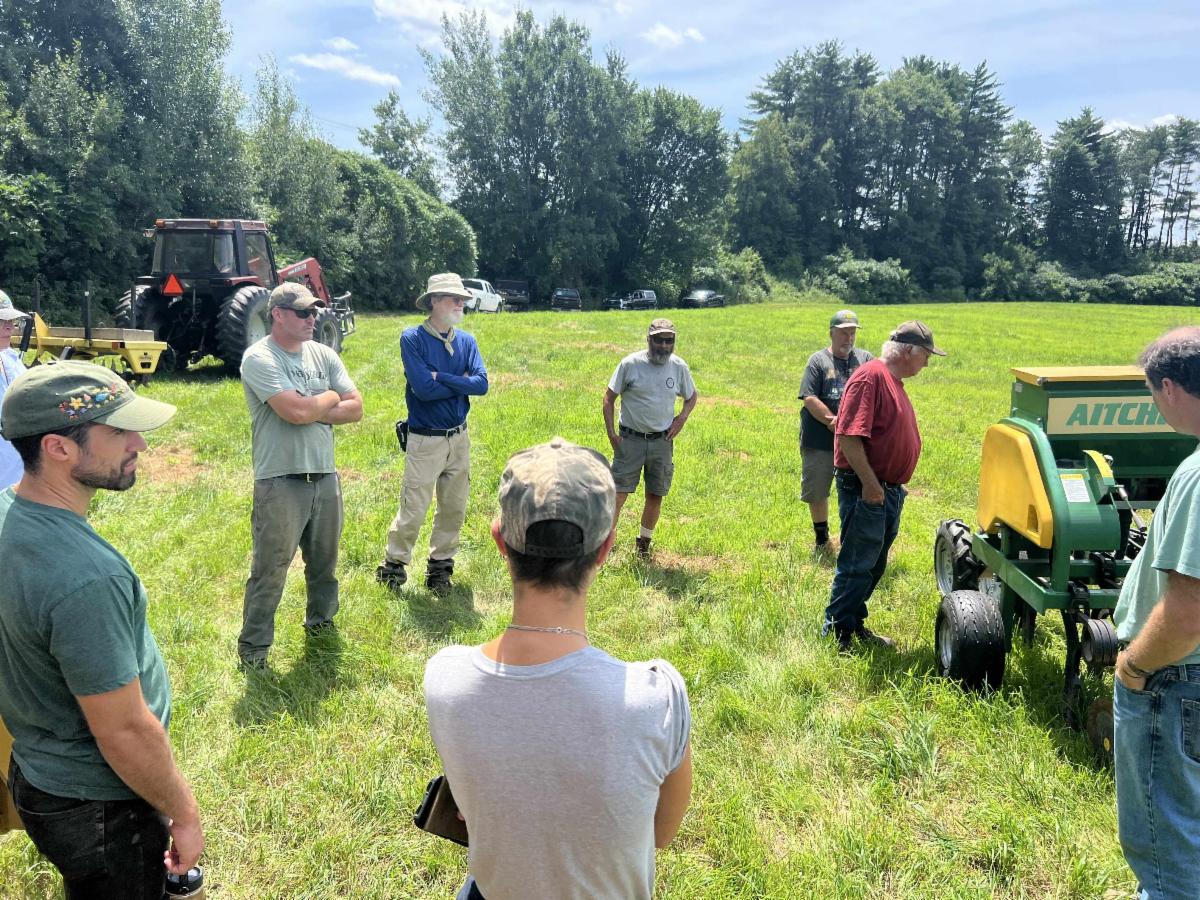
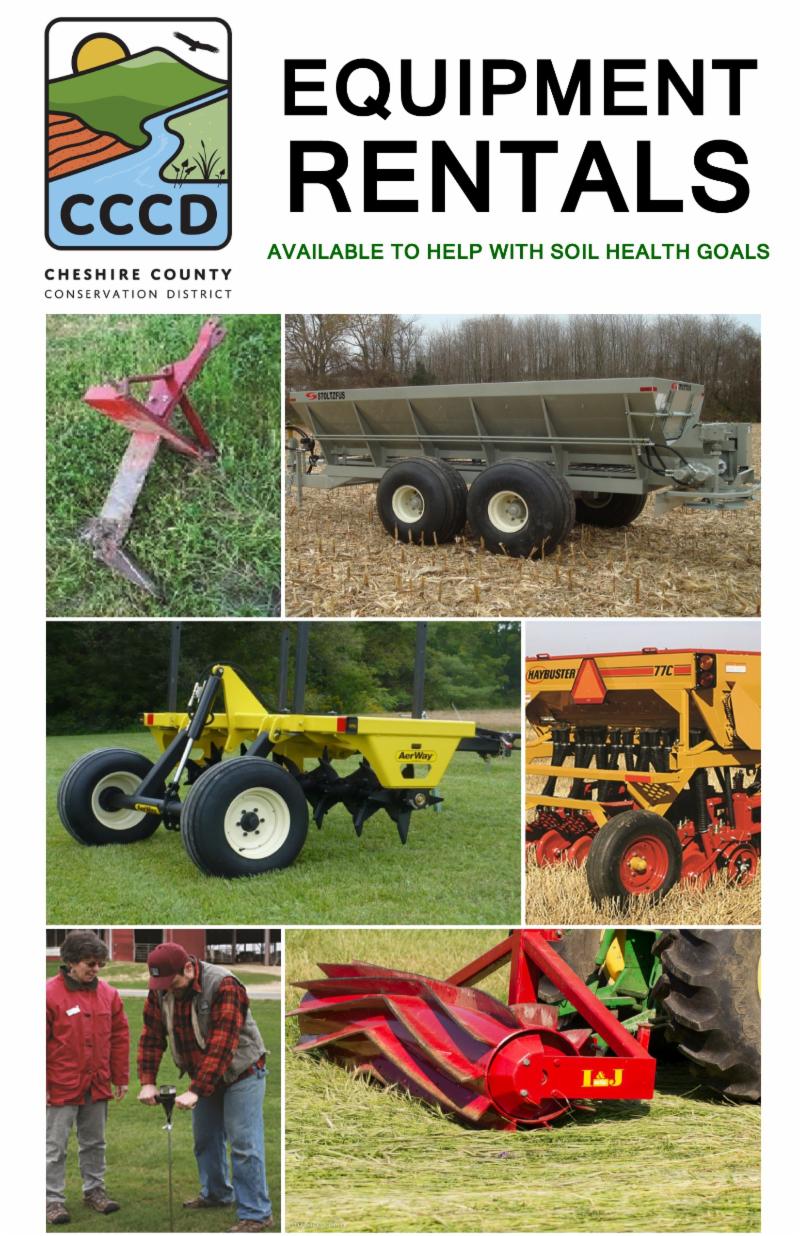
The Cheshire County Conservation District provides low-cost farm equipment rentals each year in and around Cheshire County.
This is a valuable cost-saving service to local growers that supports the CCCD's mission of improving soil quality and management through the conservation and responsible use of natural and agricultural resources.
Available Farm Equipment in 2026:
- 7' Each No-Till Drill
- 12' Esch No-Till Drill
- Roller Crimper
- Wood Ash/Lime Spreader
- Aerway Aerator
- Soil Steamer
- No-Till Vegetable Transplanter
- BCS Tractor
- Subsoiler
- Penetrometer
| | | If you would like to reserve a piece of farm equipment listed above, contact CCCD at 603-904-3011 or send an email to info@cheshireconservation.org | | Help Us Update Our Local Farm Map! |
Now more than ever, folks straying away from grocery stores and looking to local farms for fresh food, milk, eggs, bread, etc.
Help us ensure that folks know about your farm's offerings, hours, location, & more as we update our Find A Local Farm Map!
| | | | | How to Update your farm's info: | |
Step 1: Visit the CCCD website
Step 2: Use the map to locate your farm
Step 3: Review your farm's listed information
Step 4: Email us with any necessary updates
Email to: info@cheshireconservation.org
Subject line: "Farm Map: "Your Farm Name"
| | | | | |