Update Library Theory of Service


Every Library Needs a New Service Plan


Every library reflects the community it serves and needs to update their fragmented services. Indeed, you can learn how to read how a library functions by analyzing the how the place functions and its relationships to the technology of today.


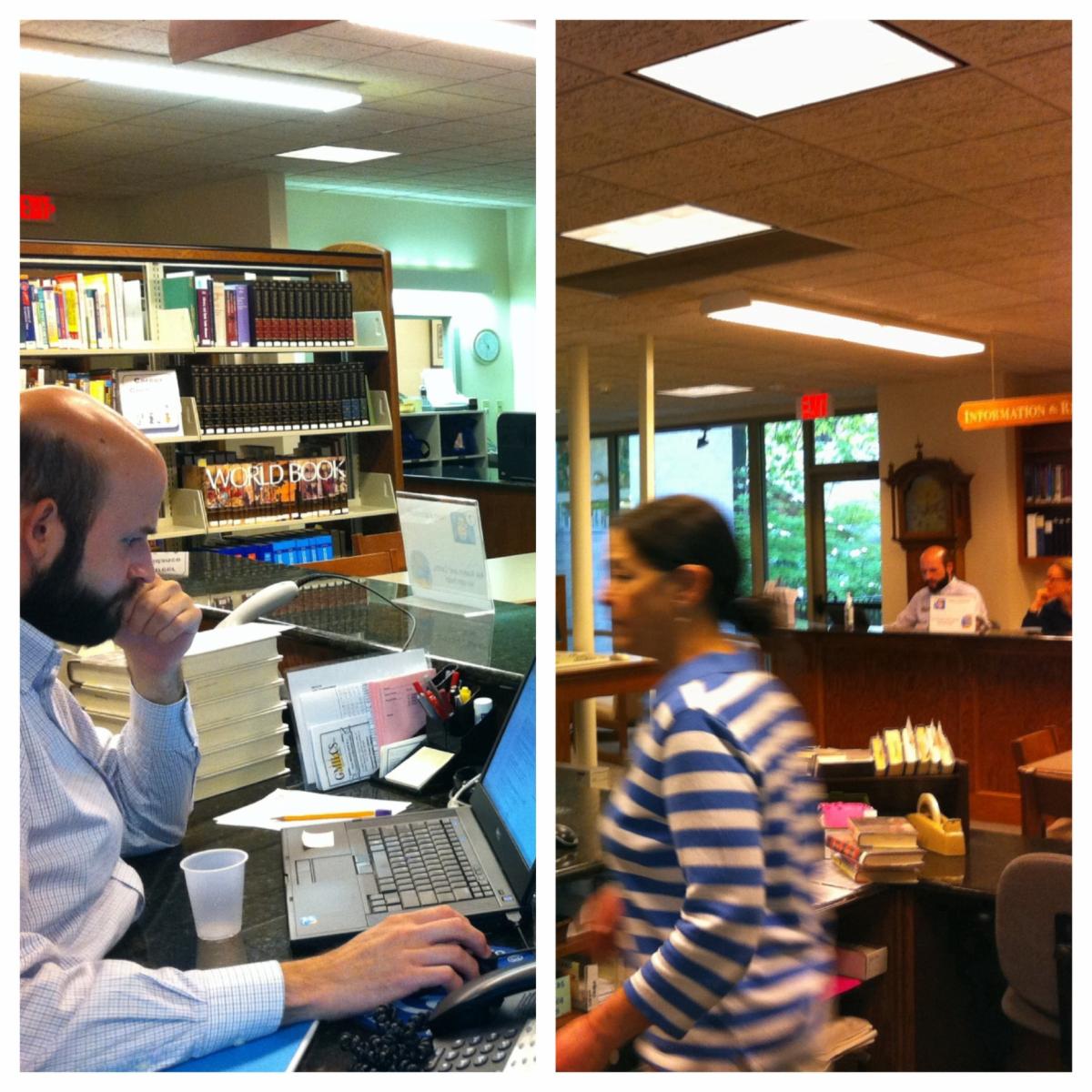
For example, the ratio of stacks to seating shows the lack of seating in relation to the need. The location and configuration of the public / access service desk and/or reference desk can indicate a people focused methodology. 


Thought leadership helps define what we call theory of service. Periodically library services needs data audits including IT / tech / data / management and library software platforms. New tech provides endless options: how will you update how collections and services functions? How will you ensure the library is fundamentally sound?


Researching library data helps us encode the library service plan. It is important to get a handle on patron use and student services. Through benchmark findings, before and after studies we can align library values.


The question is whether there is a plan in place or whether you still need to understand how will you provide them, and what that choice would say about the library as a whole.

Turn the Collection into an Opportunity


Auditing, planning, funding, designing, and managing the library requires a review of users, collections and data.


An audit of services creates a familiar paradox. Indeed, many new libraries are built on old ideas and old technologies not on new tech, new ways to access collections and new use of it need to be explored.


Politics always makes the problem worse. The more expensive the project, the more political it becomes. Power, money, and media attention travel together, and small difficulties grow into major ones.


If you are thinking about how to get funders, administrators, councils, and admin professionals to engage in the process. Start getting rid of the existing services mess; we can help you kick start design and create new apps with vibe coding.


Libraries can improve communications. If you can show what happens when functionality is updated and how the service plan improves operations, you can help the organization remove what its struggling to provide.


We help provide discipline through thought leadership. Its how we support libraries. Team building sessions, helps the planning teams grasp the service options. 


Note, technology can speed up the analysis. However, it can not decide who participates, what questions get asked, or whether the people affected feel ownership of the result.

Digital Considerations


Medical Science has become more collaborative, more data-intensive, and more computational. This is changing the library's theory of service. Indeed, government funding agencies need to manage collections, IT and data better. Academic library management plans need to include both the need and the mandate for research data services on college and university campuses.


In 2012, Carol Tenopir, Ben Birch, and Suzie Allard published an ACRL white paper that tried to answer this question about service data. Beginning in November 2011, they surveyed a stratified random panel of 351 academic library directors in the United States and Canada. The panel covered associate's colleges, baccalaureate colleges, and research and doctoral universities. They received 223 responses; 63 percent response rate.


The findings were sobering. Only a small minority of academic libraries offered research data services at the time. Indeed, 1/4 to 1/3 planned to offer some services within two years. Of the libraries that responded to the question, 60 percent said they were not involved in research data services at all.


Our research data services fall into three categories.


  • Informational services include consulting on data management plans
  • Metadata standards, giving reference support for finding and citing data sets, and building web guides and finding aids.
  • Technical services include supporting data repositories, preparing data sets for deposit, creating metadata, and deaccessioning data sets.


All together your library needs to support the organizations life cycle.


Facebook  Web