Rail & Labor News from RWU
| |
Weekly Digest Number 36 - September 3, 2024 | |
Welcome to the RWU Rail & Labor News! This news bulletin is produced and emailed out each Tuesday morning. We hope you find each week's news and information useful. If so, please share with co-workers, friends, and colleagues. If you like, you can sign them up to get all the news from RWU HERE. Or forward them the link. Got a hot tip? Please forward the article and a link to raillabornews@gmail.com. Note: If you read over this news bulletin each week, you will be sure to never miss the important news of what is going on in the railroad world from a worker's perspective! | |
THIS WEEK'S RAIL AND LABOR NEWS | |
Great to see an opinion piece of this nature in a major daily newspaper. Perhaps the idea of public ownership - promoted now by Railroad Workers United since 2022 - is starting to catch on! | |
|
Taylor C. Noakes is an independent journalist and public historian /THE CANADIAN PRESS
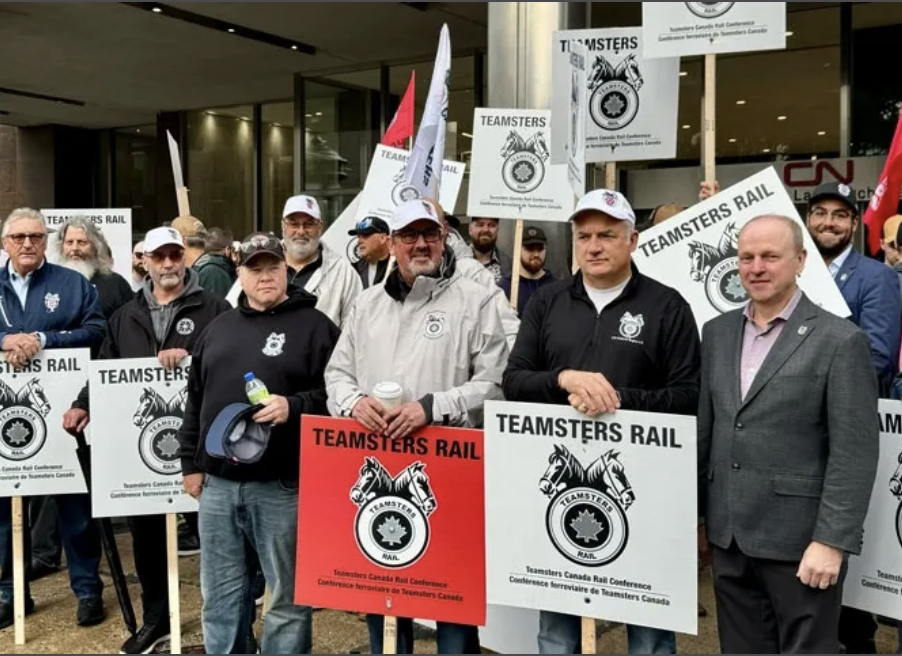
Labour Minister Steve MacKinnon’s move to push for binding arbitration in the dispute between railway companies and their workers confirmed what was
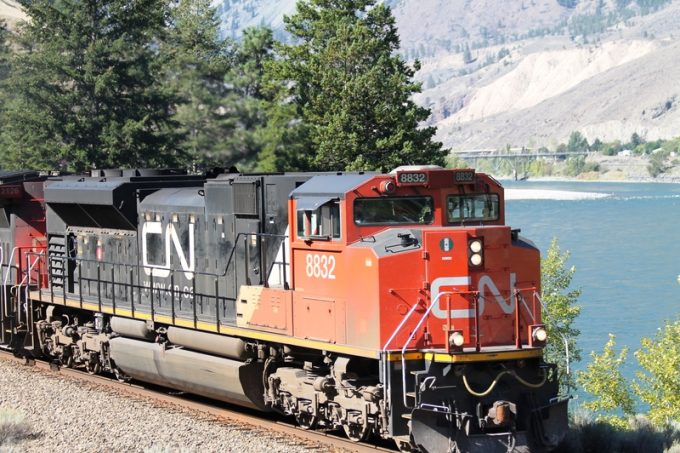
obvious to most Canadians: Railways are vital to the national economy. What is less obvious is that the country’s principal railways – which have both benefited immensely from direct and indirect public financial and political support since their creation – have demonstrated they really don’t care about their workers, the country or the economy. Yes, both sides bear responsibility for how events escalated into a shutdown, and the Teamsters Canada Rail Conference issued a fresh strike notice just a day after Mr. MacKinnon‘s directive. However the events unfolded, let’s not forget how they began. These negotiations have been going on for a long time, and the Teamsters have been consistent and clear that improving safety and working conditions are their primary concerns. It is the railways who appear to have negotiated in bad faith. As such, we should consider at least a partial nationalization of Canadian National Railway Co.
| |
Editor's Note: Norfolk Southern’s recent flurry of tentative agreements with nine unions, covering over half of its unionized workforce, appears more like a tactical move than a genuine step forward for labor. While the company touts modest wage increases and improved benefits, the timing - just four months before the next bargaining round - suggests an attempt to undercut the collective strength of rail workers. As we approach Labor Day, it’s crucial to remain vigilant against such tactics and to stand firm for the fair and substantial gains that rail labor deserves. The real work begins with ratification, ensuring that these agreements truly serve the interests of the rank and file. | |
|
Progressive Railroading / August 30
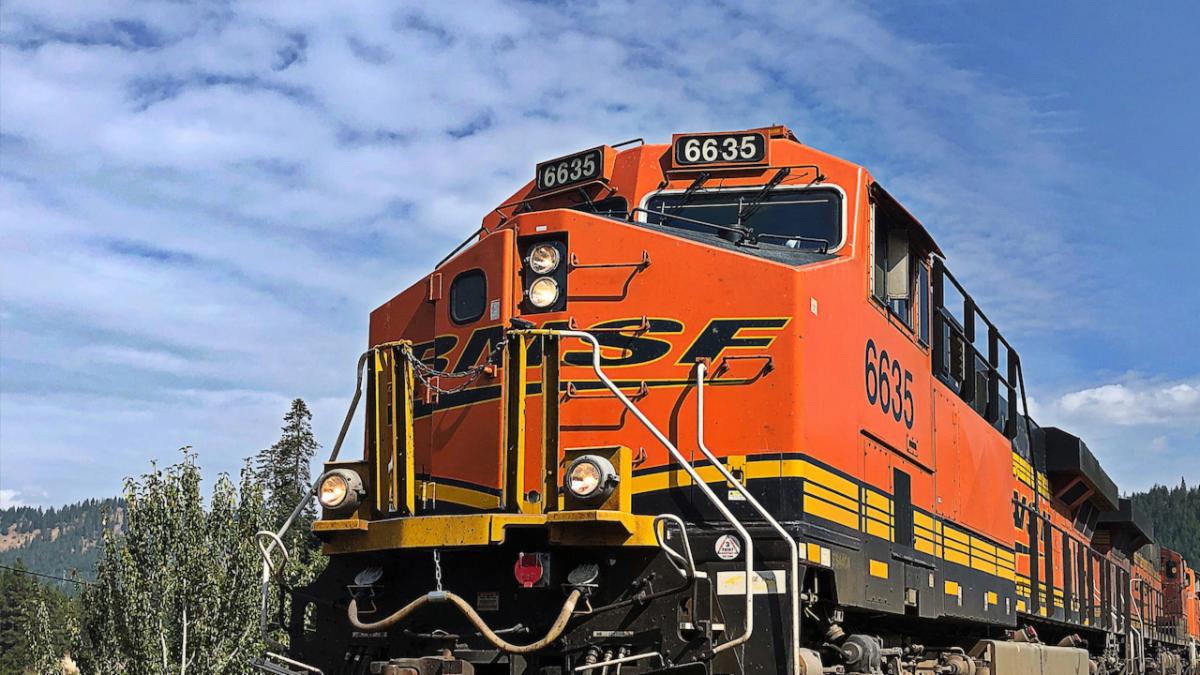
Norfolk Southern Railway announced it has reached tentative, five-year collective bargaining agreements with five labor unions in addition to the four announced last week. Together, the nine agreements cover 55% of the Class I’s unionized workforce. The most recent agreements, which were reached in partnership with BNSF Railway Co., include the International Brotherhood of Boilermakers and Blacksmiths and the National Conference of Firemen and Oilers. In addition, NS separately reached tentative agreements with the American Train Dispatchers Association, the Brotherhood of Maintenance of Way Employes Division, and the International Association of Sheet Metal, Air, Rail and Transportation Workers–Transportation Division Yardmasters. All the agreements have yet to be ratified by the unions’ members. The tentative agreements provide a 3.5% average wage increase per year over the next five years. They also offer railroaders more vacation earlier in their career and make meaningful enhancements to an already robust suite of health care benefits, NS officials said.
| |
Editor's Note: The FRA’s recent 60-day safety review of BNSF Railway sheds light on a safety culture that, while progressing, still has room for significant improvement. For BNSF to truly advance, it must prioritize the involvement and input of its employees—those who are on the front lines every day. A genuine commitment to safety means not just leadership rhetoric, but active engagement with rail labor, ensuring that worker voices shape the policies and practices that keep everyone safe. This is how a safety culture becomes not just mature, but truly effective. | |
|
Progressive Railroading / August 29
The Federal Railroad Administration this week released the results of its 60-day examination of the safety culture at BNSF Railway Co. The report documents the results of the agency's assessment, conducted between October and December 2023, of Class I's safety practices and culture. The 150-page report features findings only from those 60 days and does not include actions the railroad has taken to address the FRA's recommendations for improvement. The agency continues to monitor BNSF's progress on those recommendations, the report states. FRA plans to assess the safety culture of all Class Is' by the end of 2024. BNSF was the second to be assessed; the first was Norfolk Southern Railway. FRA measures a railroad's safety culture based on 10 elements, such as leadership is committed to safety; the railroad practices continuous learning; there's a safety-conscious environment; employees feel personally responsible for safety; the railroad responds to safety concerns fairly and consistently; and safety efforts are supported by training and resources. In BNSF's case, the FRA's overall findings indicate the railroad's safety culture "is generally moving from the involving level of safety culture maturity to the cooperating level," agency officials wrote.
| |
Editor's Note: See the Editor's Note above the lead article above. | |
Trains / August 31
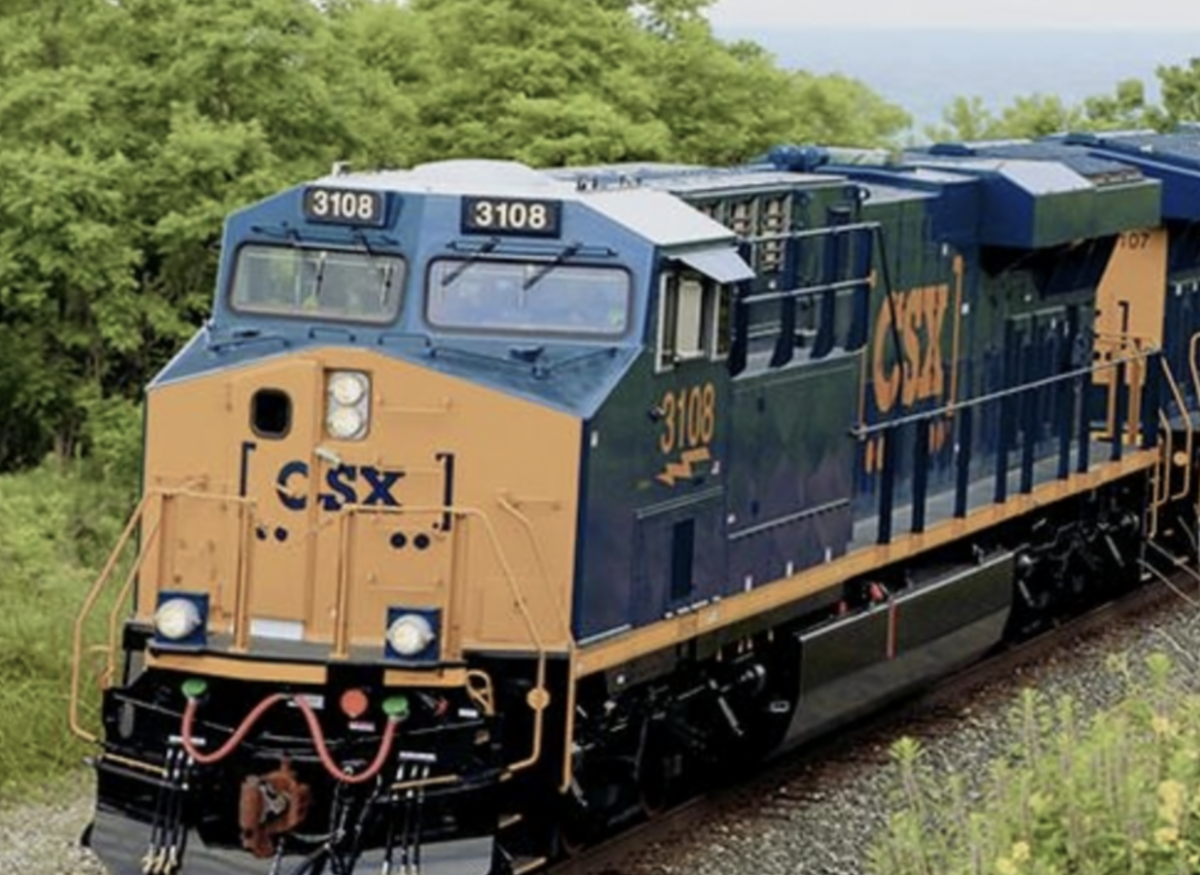
CSX Transportation announced on Friday, Aug. 30, that it had reached five-year tentative labor agreements with two more unions. That increases its total to agreements with 11 unions covering 15 work groups and amending 20 collective agreements, CSX said, covering more than 50% of its unionized workforce. The latest agreements are with the International Brotherhood of Boilermakers, Iron Ship Builders, Blacksmiths, Forgers & Helpers, and the Transportation Communications Union. “The latest tentative agreements build upon the momentum that we have created alongside our union partners and allow us to solidify the foundation at CSX where every employee feels valued and empowered,” CSX CEO Joe Hinrichs said in a press release. “Our employees are the backbone of our company, and their dedication and hard work are critical to our ability to deliver on our promises to our customers and the communities we serve.” Like the earlier agreements, the latest deals are pending ratification by union members and were reached more than four months before current agreements become amendable under the Railway Labor Act.
| |
Editor's Note: The issuance of PEB 251’s recommendations marks a critical juncture in the ongoing contract dispute between BLET and New Jersey Transit. While the report is under review, it’s clear that the stakes are high for rail labor. The upcoming public hearing with the National Mediation Board will be pivotal in determining whether the voices of BLET members are truly heard and whether their demands for fair wages and work rules are met. This is a moment to stand firm and ensure that any settlement genuinely reflects the needs and rights of the workers who keep our railroads running. | |
|
Brotherhood of Locomotive Engineers and Trainmen / August 30
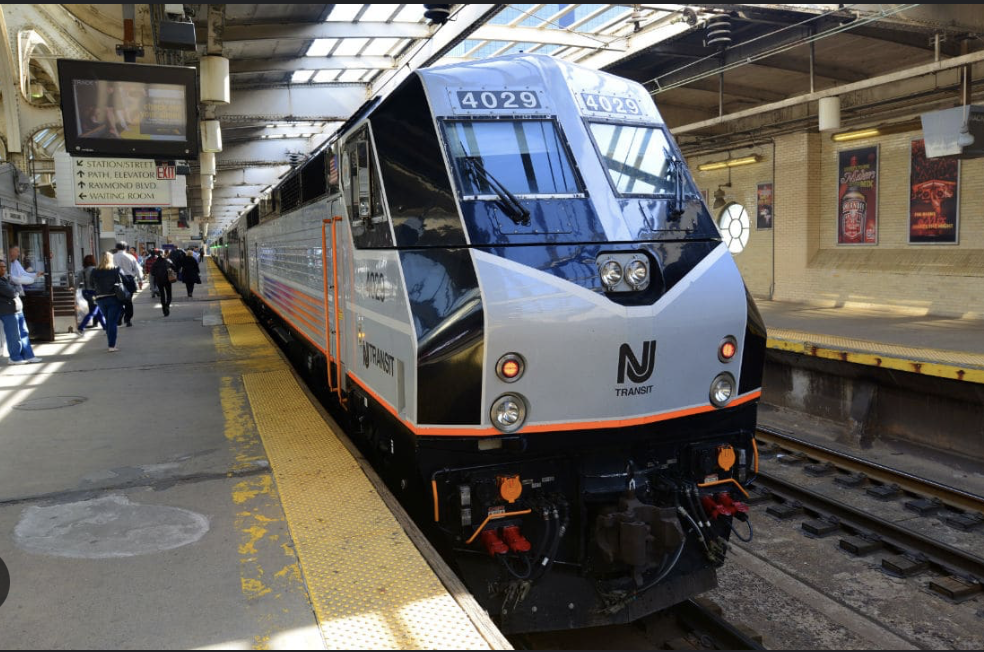
On August 23, Presidential Emergency Board (PEB) 251 issued its recommendations to President Biden to settle the contract dispute between BLET and New Jersey Transit. Under the Railway Labor Act, if there is no settlement between the parties based on a PEB’s recommendations, then the next step under the law is a public hearing hosted by the National Mediation Board to be held on or before Friday, September 20.
| |
Editor's Note: The tragic death of Fred Anderson in a CSX railyard underscores the inherent dangers of one-person remote-control operations, a practice that railroads have increasingly relied upon to cut costs. While the industry insists on the safety of these operations, this incident painfully highlights the critical need for two-person crews to ensure worker safety. Rail labor has long warned about the risks associated with remote controls, especially outside railyards, where the potential for accidents is even greater. Anderson’s death is a stark reminder that cost-cutting measures should never come at the expense of human lives, and it’s time for the carriers to prioritize the safety of their workers by reinstating two-person crews. | |
Associated Press / August 28
The CSX worker who discovered his friend run over by a pair of remote-control locomotives in a railyard last year sees a simple solution to preventing similar deaths in the future: two-person crews. But that idea won’t be popular with the railroads that have come to rely heavily on having one-person control trains moving around a railyard with remote control as they take apart and reassemble trains. The tactic that was first approved in 2005 started with two people on the job to watch for hazards, but today one-person remote-control operations are common. Using remote control operators helps limit costs by using less experienced workers to move locomotives that help assemble trains — a task that once required licensed engineers who are among the highest-paid rail workers. The Brotherhood of Locomotive Trainmen and Engineers and other unions have been raising concerns about the practice recently, particularly because remote-control trains are now being used in places outside of railyards to make local trips to pick up and drop off cars.
| |
Editor's Note: The forced return to work of 9,300 rail workers at CN and CPKC through government intervention echoes the troubling trend we saw in the U.S. during the 2022 rail labor disputes. Just as in the U.S., where the government stepped in to prevent a strike, the Canadian government’s actions reveal a deep-seated fear of the economic power that rail workers hold. The panic from both corporations and politicians alike highlights how indispensable rail labor is to the functioning of the economy. These interventions are not just about stopping strikes - they’re about curbing the collective power of workers who, if united and allowed to strike, could drive significant change. The parallels between these situations serve as a reminder of the ongoing struggle for labor rights across borders, and the necessity for rail workers to continue pushing back against these efforts to diminish their power. | |
Trade Union News / August 27
Some 9,300 rail workers at Canadian National (CN) and Canadian Pacific Kansas City (CPKC) are heading back to work following government intervention which has effectively denied their labor rights. But the corporate panic has revealed just how much power rail workers wield. Negotiations were prolonged, partly by the corporations’ aggressiveness but also by government interference. On May 9, then federal Minister of Labour Seamus O’Regan asked the Canada Industrial Relations Board (CIRB) to determine whether any shipments handled by the railways would be considered “essential” and must continue in the event of a work stoppage. That move prevented the start of any strike or lockout until after the board made a ruling, effectively suspending workers’ right to strike. Emboldened by the government’s interference, CN and CPKC dug in on their concessionary demands on a wide range of issues including crew scheduling, hours of work, and fatigue management, through which they want to squeeze longer work hours and more availability out of rail workers. The CIRB ruled on August 9 that a stoppage would not result in an immediate and serious danger to the safety or health of the public, thereby confirming (sort of) the workers’ right to strike. The board also mandated a “cooling off period” which pushed the strike/lockout date to August 22. One of the things that is interesting in all of this is the level of corporate and government panic around the possibility of a rail strike at one or both of the country’s main carriers.
| |
Editor's Note: While filing a lawsuit is one tool in the toolbox, we have witnessed countless attempts by rail unions over the years to win in the courts, mostly to fail. In addition, the filing of such suits diverts attention away from the point of production, demobilizes the rank & file, and can take months/years for a verdict. | |
Trains / August 30
The Teamsters Canada Rail Conference is refusing to take no for an answer. The union, which represents 9,300 locomotive engineers and conductors on Canadian National and Canadian Pacific Kansas City, has filed appeals challenging the decisions that led to binding arbitration being imposed on their failed contract talks with the railways. The union argues that the decisions — made on Aug. 22 by the labor minister just hours after an unprecedented work stoppage shut down freight rail traffic in Canada, and then affirmed by the Canada Industrial Relations Board on Aug. 24 — stripped the workers of their right to strike. Labor Minister Steven MacKinnon’s decision ordered the railways to resume operations by 12:01 a.m. on Aug. 26. The labor contract that expired on Dec. 31, 2023, was extended until a new agreement is completed “These decisions if left unchallenged, set a dangerous precedent where a single politician can bust a union at will. The right to collectively bargain is a constitutional guarantee. Without it, unions lose leverage to negotiate better wages and safer working conditions for all Canadians. We are confident that the law is on our side, and that workers will have their voices heard,” TCRC President Paul Boucher said in a statement.
| |
Editor's Note: This was a tragic fatal train wreck - like so may others - that should have never happened. The "false positive" indication resulted from a roadbed condition that was known about in advance but nothing was done to rectify the situation. | |
Rail Age / August 30
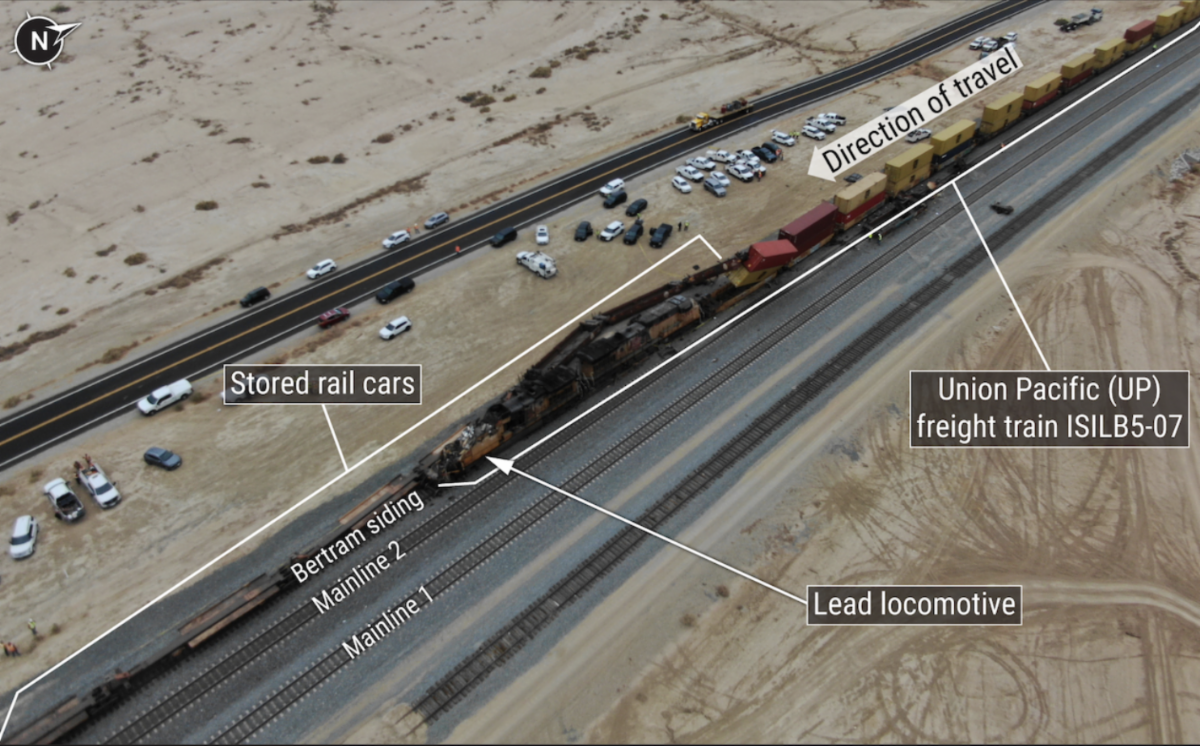
The probable cause of a fatal September 2022 collision on Union Pacific’s (UP) Sunset Route in Imperial County, Calif., was the routing of UP train ISILB5-07 into Bertram siding, which was occupied by 74 empty intermodal railcars, “made possible by the inappropriate removal of a computer-aided dispatching system block on the siding dispatch center,” according to a National Transportation Safety Board (NTSB) investigation report.
| |
Editor's Note: Virginia continues to be a leader in passenger train expansion, through joint track and infrastructure improvements with the host railroads or outright purchase and operation of rail lines. Hopefully other states can emulate what is happening there. | |
Progressive Railroading / August 28
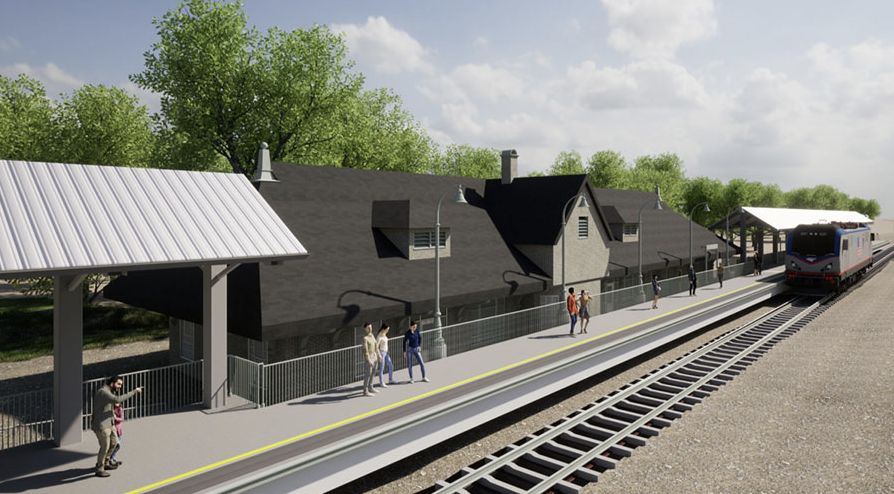
The Virginia Passenger Rail Authority's (VPRA) board yesterday voted to advance an agreement with Norfolk Southern Railway for the purchase of the Manassas Line and access to NS' mainline (the N-Line) as part of a state plan to expand passenger rail service. The agreement will enable the VPRA to extend its state-supported Amtrak Virginia service to the New River Valley (NRV) earlier (by 2028) and at a lower cost than originally planned, VRPA officials said in a press release. The cost was not revealed in the announcement. In addition, the purchase of the Manassas Line will enable VPRA to increase the Virginia Railway Express’ (VRE) Manassas Line service, including evening and weekend options, VPRA officials said. “We look forward to finalizing this agreement, which will make passenger rail a viable option for even more Virginians,” said VPRA Executive Director DJ Stadtler. “We appreciate Norfolk Southern’s partnership and look forward to working with them to expand passenger rail in the commonwealth.”
| |
Editor's Note: See Editor's Note above the previous article. For those interested, this webinar should be well worth attending. | |
High Speed Rail Alliance / 2024
Virginians currently receive service from two Virginia Railway Express routes and multiple Amtrak services. With a history demonstrating commitment to passenger-rail projects, and long-term planning priorities outlined in the 2022 Virginia Statewide Rail Plan, Virginia is poised to see further growth and improved service in the future. Close partnerships with CSX and Norfolk Southern, combined with a commitment to acquire right-of-way, have set the stage for regional rail. Leadership in Washington is taking note of the increased demand for a robust rail network. However, a true federal program with substantial resources is needed for the state’s full potential to be realized, but Virginia is working to overcome this by creating a compact with North Carolina.
| |
Editor's Note: Despite moving far less freight today than a generation ago, the Class One "host" railroads are incapable of running passenger trains on time. And despite admonishment by the U.S. government and ongoing investigations and lawsutes, the carriers continue to get worse and worse. | |
Rail Passenger Association / August 30
If you were one of the three million or so people riding Amtrak in July, you already knew this, but Amtrak data made public earlier this month now make it official – the vast majority of Amtrak trains were late in July, and on-time performance deteriorated systemwide. Of the 47 distinct services Amtrak operates, only seven reached the 80 percent Customer On-Time Performance (Customer OTP) standard set by Federal regulations in late 2020 and which took effect in mid-2021. Five of those seven on-time services were state-supported, with the highly reliable Keystone as the only Northeast Corridor route to meet the standard, alongside the City of New Orleans, clocking in as the only one of the 15 long-distance routes to make the grade. Throughout the system, timeliness took a beating, data published by Amtrak show. The typical late Amtrak rider was an hour late in July, up from the 55-minute 12-month average. A bit more than two-thirds of Amtrak trains were on time in July, compared with about three-quarters during the 12 prior months.
| |
Editor's Note: While the Class One rail carriers in North America poo-poo electrification, the rest of the world forges ahead. India is completing a massive main line electrification program, while countries in Europe continue to electrify more and more mainline trackage. Because the rail infrastructure in North America is privately held by just six huge monopolistic corporations - which are based on returning the greatest possible short-term return on investment to stockholders - rail electrification is not happening. As a result, groups like the one here are organizing to push for something to be done. | |
Rail Electrification Coalition- Planned 2025 Investment Conference- your input is requested | |
Rail Electrification Coalition / August 28
The Rail Electrification Coalition (REC) needs your input on our planned 2025 Conference on Public and Private Investment in Rail & Energy. We all agree that capital investment in the nation’s transportation and energy networks, especially the grid, is a national need and priority. Consequently, REC must promote wide-ranging discussion about federal funding of critical infrastructure projects, the cost of new technology options, potential public-private partnerships, state-federal collaboration on grid and transportation development, institutional innovations like an infrastructure bank, cross-sector communications and strategy, and the opportunities for private capital to participate in the complex transformation of these industries. Our plans rest on the strength and enthusiasm of your response to this inquiry. These emails are also provided below for your convenience and feedback:
james.hoecker@huschblackwell.com
steve.griffith@nema.org
| |
NEWS FROM AROUND THE LABOR MOVEMENT | |
Each week, RWU includes a few articles about advances and developments in the larger labor movement that are of interest to railroad workers. Got an artcile to submit for possible inclusion next week? Email it along to raillabornews@gmail.com. Thanks! | |
Editor's Note: This eye-opening report should shock and surprise Americans because it is not discussed in the mainstream media. The only way that this tremendous wealth inequality can be rectified is through working class organization and collective struggle. Let's get on with it. Don't mourn, organize! | |
|
Fact 1: Americans are suffering worse inequality today than we did prior to The Great Depression. That inequality in major part enabled an economic collapse, one Americans would not emerge from for over a decade. And if we want to prevent a similar 21st century collapse, we must change course quickly. Notice the below inequality chart, the relatively flat trend from 1940-1980, and then the spike since. This is not by accident. We’ll come back to that in a moment.
| |
Editor's Note: Logistics workers are on the move across North America. With all of the strike activity among rail workers, truckers, longshore and others, perhaps it is time to consider coordinated action between the three countries and between the various sectors and unions. | |
|
By Charlotte Goldstone
There will be no rest for North American shippers as one strike ends, because another threatens to “increase delays and drive up costs”. On Friday, east coast port employers the United States Maritime Alliance (USMX) said that, along with the International Longshoremen’s Association (ILA), it had filed a ‘notice to mediation agencies’ with the Federal Mediation & Conciliation Service (FMCS). This is to inform the FMCS of a dispute between the parties and does not represent an agreement for mediation. Indeed, the USMX “has still been unable to secure a meeting with the ILA to resume negotiations on a new master contract”.
| |
Editor's Note: We continue to support the TMJ efforts to improve conditions for truck drivers around the U.S. An injury to one is an in jury to all! | |
Truckers Movement for Justice Ramps Up Protests | | | | |