Weekly Newsletter:

June 11, 2025


Tips for Preventing Caregiver Burnout


Being a caregiver is a profound act of love—but it also comes with emotional, physical, and mental strain. Caregiver burnout happens when ongoing stress leads to fatigue, anxiety, or even depression.


Here’s how to recognize burnout and take steps to prevent it:


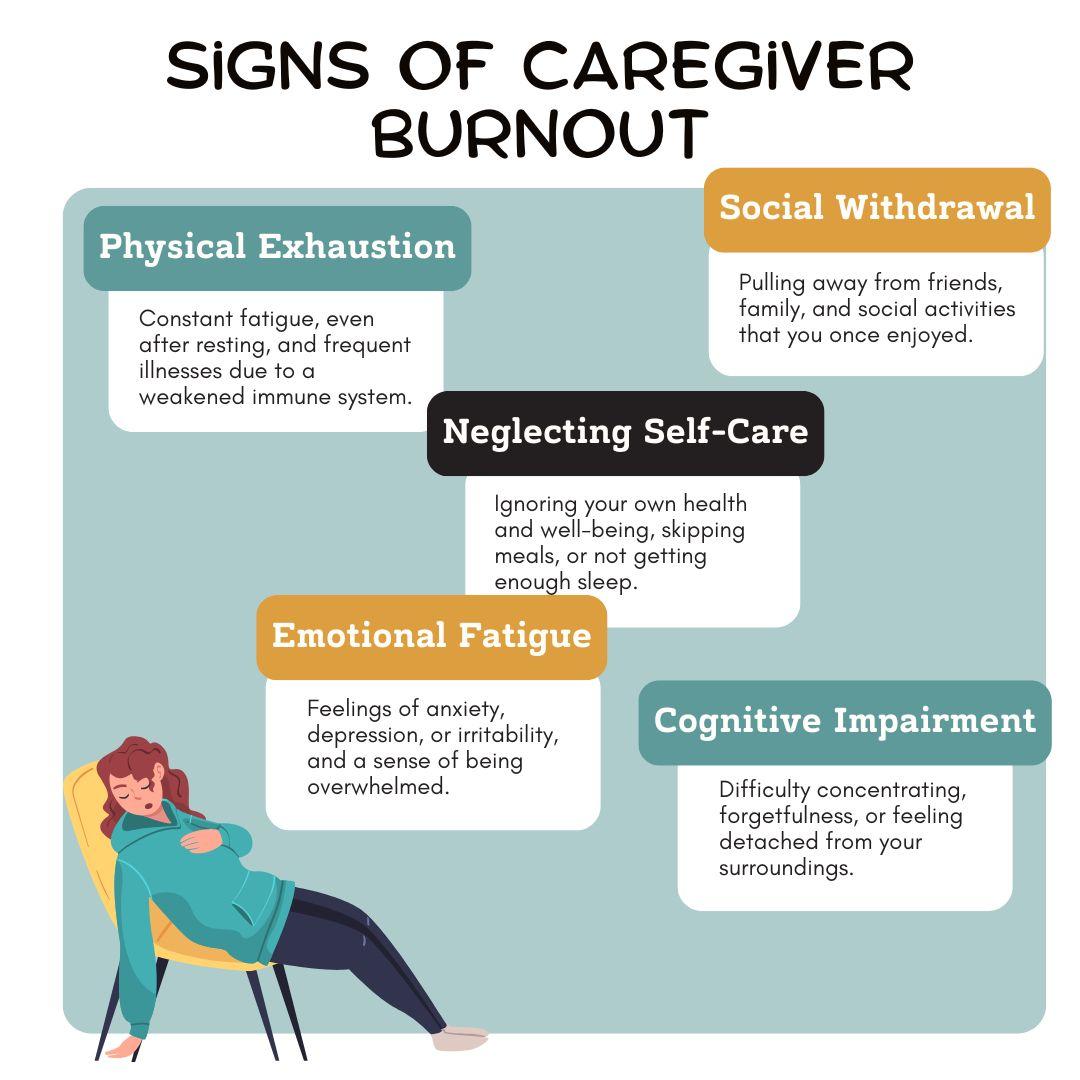
Signs of Burnout

  • Feeling overwhelmed or constantly worried
  • Feeling tired often, even after sleeping
  • Withdrawing from friends or activities you once enjoyed
  • Changes in appetite or sleep
  • Feeling irritable or hopeless


If these sound familiar, it may be time to pause and refocus on your own well-being.


 Here are ways to protect your well-being while continuing to care for your loved one:


1. Prioritize Rest

You can’t pour from an empty cup. Schedule regular breaks, aim for at least 7 hours of sleep each night, and don’t feel guilty about resting. Your health matters too.

  • 5–10 minutes to mediate or stretch can help reset your energy
  • Block off at least 30 minutes a day just for yourself
  • A short nap (20–30 minutes) can boost alertness and mood.


2. Set Healthy Boundaries

Saying “no” doesn’t mean you don’t care, it means you’re protecting your energy. Make a list of what you can do and cannot do, then communicate it clearly with other family members or support networks.

  • Saying “yes” only to tasks you can do realistically
  • Asking other family members to take on specific roles (e.g., meals, bills, errands)
  • Keeping one day or evening each week for you


3. Lean on Support

Support reduces isolation and reminds you that you're not in this alone. Consider:

  • Joining a caregiver support group (online or local)
  • Calling a friend just to talk
  • Asking for help with one task this week


4. Journaling

Writing helps release stress and clarify your thoughts. Try these once a week:

  • What part of caregiving brings me the most meaning?
  • What was difficult this week, and how did I respond?
  • What do I need more of right now?
  • Who could I ask for support or encouragement?


5. Physical & Mental Self-Care

Taking care of your body and mind is essential, especially when you’re caring for others.

  • Eat nourishing meals; drink enough water throughout the day
  • Move your body with stretching, walking, or light exercise
  • Set a positive intention or say one thing you’re grateful for daily
  • Reflect on one emotion you experienced today and acknowledge your efforts
  • Engage in a hobby or activity that brings you joy


🧠 Mindset Shift: From Guilt to Grace

Many caregivers feel guilt for needing time off. But the truth is: rest is a form of care. Taking breaks allows you to be more present, patient, and connected—not just with your loved one, but with yourself.


🌺 Your Reminder for the Week:

“Caring for myself is not self-indulgence, it is self-preservation.”

– Audre Lorde


Burnout doesn’t happen overnight, and healing won’t either. But small steps: rest, boundaries, asking for support, and self-care—can help you build a more sustainable path forward.

Resources for Family Caregivers:

  • Family Caregiver Alliance – Education, support groups, and self-care tools: www.caregiver.org
  • Alameda County Area Agency on Aging – Local referrals for respite care, housing support, and benefits counseling: www.alamedacountysocialservices.org
  • AARP Family Caregiving – Articles, checklists, and community forums: www.aarp.org/caregiving
  • Alzheimer’s Association 24/7 Helpline – Call 1-800-272-3900 for support, care planning, and local services: www.alz.org/help-support/resources
  • DayBreak Programs & Services – Our team supports caregivers in Alameda County through support groups, counseling, and information/assistance: www.daybreakac.org
 

Upcoming Events & Workshops 📣


Help Us Keep Seniors Safe and Housed


Join us in spreading love, dignity, and hope to seniors. With your generous support, we can continue creating meaningful, lasting change. Donate today and make a difference.

If you know an elder in need of our care and coordination services, or a caregiver seeking support, please encourage them to reach out to us at: 

510-834-8314

Web  YouTube  Facebook  Instagram