May 15, 2026

Dear Community:


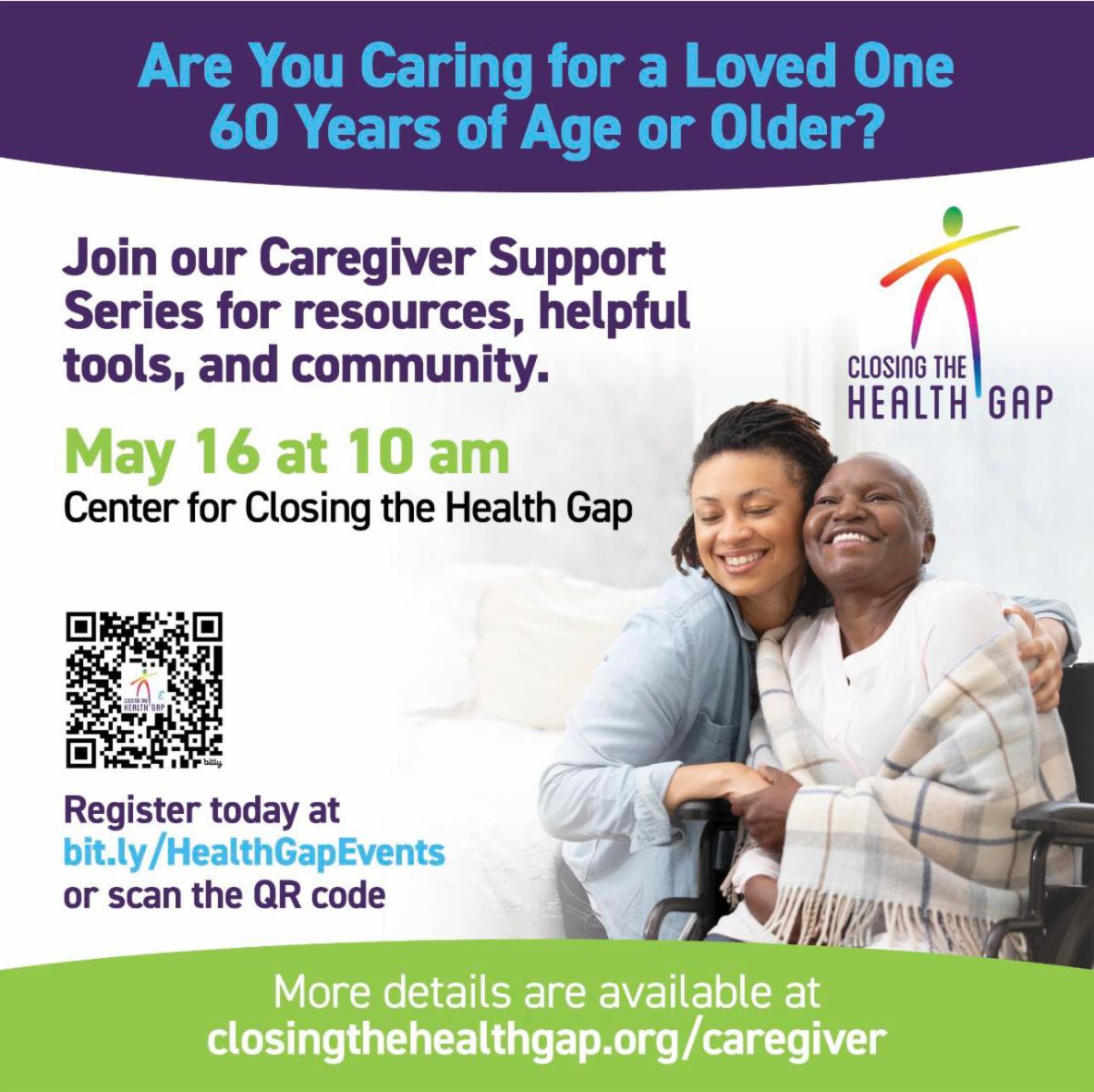
When you’re responsible for an adult who’s 60 or older, you’re often left to handle some or all of their daily responsibilities. We know that caregiving takes a significant toll, both physically and emotionally, and that’s exactly where we come in. Tomorrow, May 16, we are hosting our next Caregiver Support Series event. Please check out the details below and sign up for this free session, which is designed specifically to support you.


Additionally, as we reflect on the success of our recent Health Expo, I want to gently remind everyone to follow up on your own health. You cannot pour from an empty cup. Please take action today: get your vital screenings, learn more about your personal health risks, and meet with your providers. Look out for your family and friends, and do everything you can to improve the wellbeing of you and your community. We look forward to sharing our full Health Expo impact report in June!


Blessings to all of you for a safe and healthy week ahead.


In good health,


Renee Mahaffey Harris

President & CEO

Sanders, Moore tout bipartisan solutions to address maternal healthcare gaps

Arkansas Gov. Sarah Huckabee Sanders (R) and Maryland Gov. Wes Moore (D) on Sunday stressed the need for bipartisan cooperation to address maternal healthcare gaps. On Mother’s Day, the two spoke to host Kristen Welker on NBC’s “Meet the Press” about their work to improve access to care for mothers.


Sanders, a mother to three children, touted the Healthy Moms, Healthy Babies Act, which she signed into law last year. The law directed roughly $45 million annually to promote maternal health and established, among multiple provisions, presumptive Medicaid eligibility for pregnant women. The Arkansas governor, in conjunction with her state’s Department of Health, also launched a statewide campaign earlier this week to help mothers receive care close to home— before and after giving birth.

Health equity scorecard finds Black patients have the worst outcomes in Florida

There's a persistent gap in healthcare performance among Black, Hispanic, Asian-American and Native American patients in Florida and their white counterparts. That's according to the 2026 Health Disparities Report published by the Commonwealth Fund on April 29, which evaluates how healthcare systems are working for racial and ethnic groups across the country. It uses the latest available comparable data from 2022 to 2024.


ï»żThe study tracks three health system indicators — access to care, quality of available health services and health outcomes — across five racial and ethnic groups to identify systemic inequities within and across states.

How 4 Colleges Are Helping Close Health-Care Gaps

As health-care workforce shortages continue to strain communities nationwide, colleges and universities are stepping in to fill critical gaps in care. From mobile dental clinics in rural Tennessee to student-run rehabilitation services in Connecticut, institutions have expanded access for underserved populations—all while creating workforce pipelines and hands-on learning opportunities for students. Here’s how four institutions are using health-care education to strengthen communities and prepare the next generation of providers.

Minnesota Lawmaker Proposes Using Hospital Tax To Fill Charity Care Gap

Minnesota lawmakers are wrestling with how to sustain the state’s financially distressed hospitals while patients confront growing medical debt. One Minnesota lawmaker wants to steer money from an existing healthcare tax back to hospitals so they can expand their charity care programs for patients who can’t afford their bills.


ï»żThe proposal follows a Minnesota Star Tribune-KFF Health News investigation that found hospitals across the state spend far less on charity care than hospitals in many other states, and use widely different standards to decide who qualifies for free or discounted care.

State Rep. Steve Elkins said helping hospitals with their own tax contributions makes sense as more Minnesotans are losing health insurance.

Disparities Persist: Black Patients Experience More Secondary Cancers After Cervical Cancer Care

Undergoing treatment for cancer has always had risks. Chemotherapy drugs often damage other tissues in the body, but far and beyond that, multiple treatment modalities have the potential to cause second primary cancers for these patients. So while they’re getting the treatment they so desperately need, their risk for other cancers is often increased.


Health disparities may make some patients more vulnerable to this risk. Seeing the potential for differences in patient outcomes, Mihae Song, MD and colleagues set out to explore the risk for secondary cancers in cervical cancer patients in hopes of identifying risks that disproportionately affect Black women as compared to white women. Their findings were presented at The Society for Gynecologic Oncology’s Annual Meeting on Women’s Cancer. 

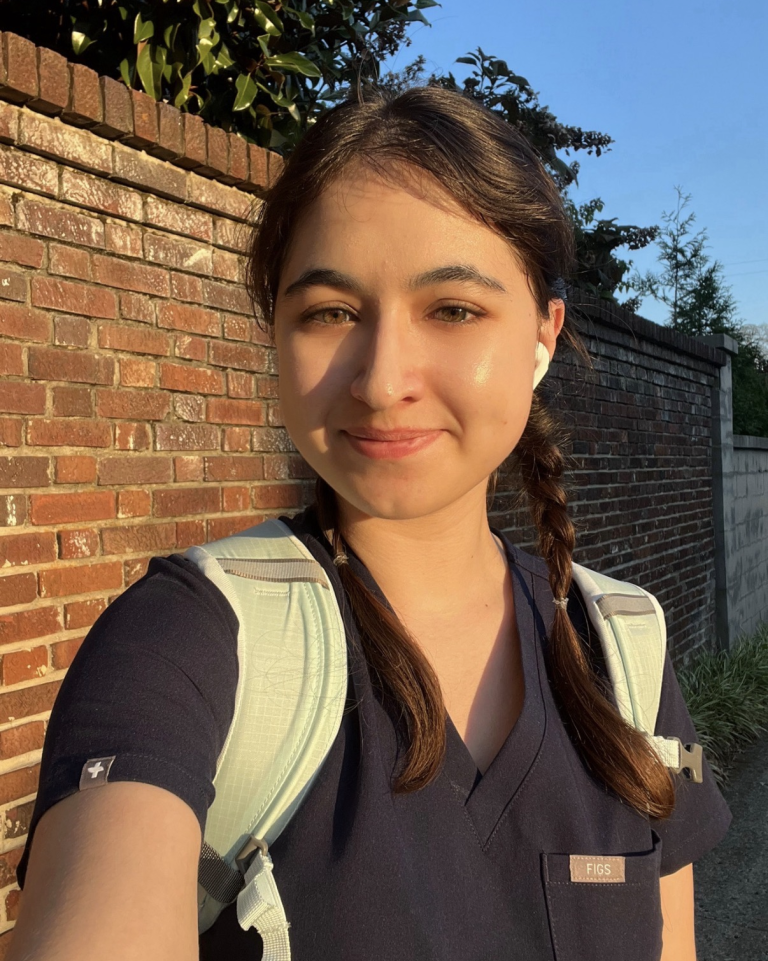
‘It’s personal for me’: Sophia Kantejeva’s path from experiencing healthcare disparities to reducing them

At a young age, Sophia Kantejeva learned firsthand how socioeconomic status impacts healthcare.


“Growing up in Illinois in a tiny, subsidized-housing neighborhood with limited access to healthcare, and noticing how characters in TV shows could go to emergency rooms and urgent care without any concern over money, I became aware of how economic and structural barriers shape who receives care and when,” she said.


Once at Vanderbilt, her childhood experience led Kantejeva to major in medicine, health, and society and minor in biological sciences, where she could dig deeper into understanding the cultural, economic, demographic, and biological factors that affect health and the policies surrounding it. Over the last four years, Kantejeva has been deeply involved in research and community-based work to expand her knowledge. In the MacGurn Lab, she conducted research on cell signaling, or the process by which cells detect and respond to external stimuli. Through her Medicine, Health, and Society Honors project, she investigated how errors in protein translation intersect with popular diet trends and shape broader public health outcomes. Outside of the lab, Kantejeva served as vice president for the student organization Hip Hop Public Health, which teaches health concepts to local elementary students through music, making the material more engaging and accessible.

ï»ż

But it was Kantejeva’s experience as a patient care technician in the emergency and psychiatric units at Tristar Centennial Hospital that gave her a deep understanding of the relationship between science, education, and access to care.

FOLLOW US
Facebook      Twitter      Instagram