Global Call Urges Action on Uyghurs |
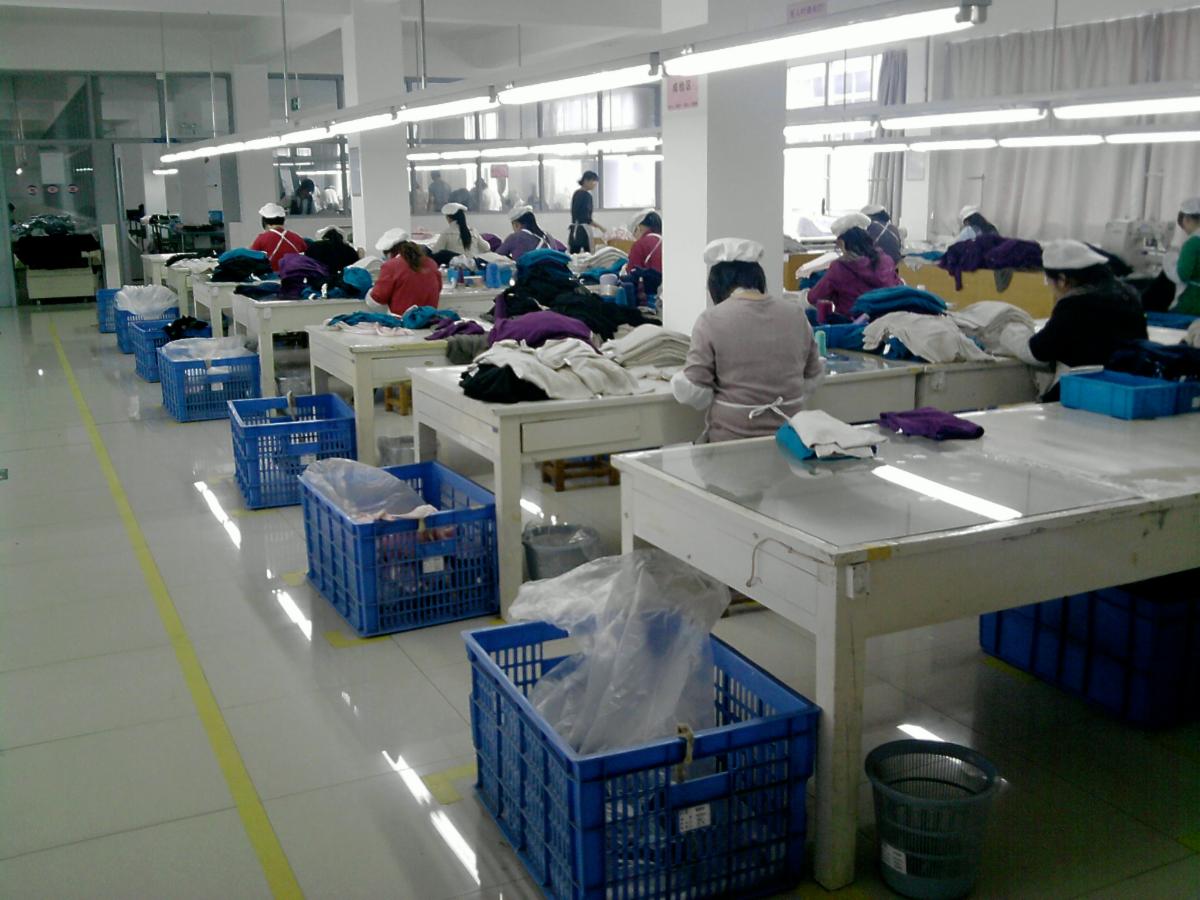
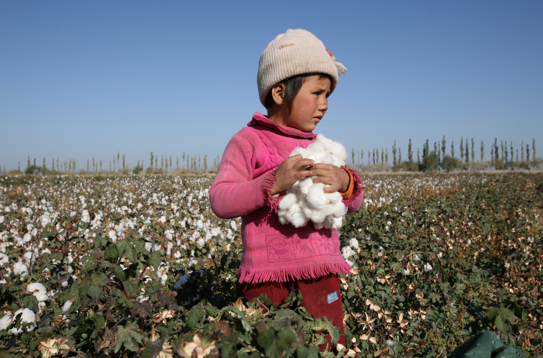
Organizations from around the world announced a “call to action” last month as part of a coordinated effort to end government-sponsored forced labor of Uyghurs.
The Fair Labor Association (FLA) agrees with the overall goal of the new initiative and hopes that the effort leads to positive change for Uyghurs in China. In March, the FLA issued a statement calling for an immediate end to the labor and human rights violations in Xinjiang and directing its affiliates to develop plans to ensure their sourcing is in line with FLA principles, which consistently promote the highest standards against forced labor (pdf).
The new campaign is being coordinated by the Coalition to End Forced Labor in the Uyghur Region, which includes 72 Uyghur rights groups and more than 100 civil society organizations and labor unions. The coalition is seeking commitments from apparel brands and retailers to cut all ties with suppliers implicated in forced labor and end all sourcing from cotton to finished garments from the Uyghur Region within twelve months.
|
|
Related Resources on Uyghur Forced Labor |
The Center for Strategic and International Studies' Human Rights Initiative in July released the first in a series of briefs (pdf) on the forced labor of ethnic and religious minorities in the Xinjiang region of China.
Experts from Arnold & Porter posted an advisory last month considering the Xinjiang Supply Chain Business Advisory issued jointly by four U.S. government agencies.
The FLA posted an issue brief (pdf) in January outlining the forced labor risk in Xinjiang, China.
|
|
|
|
Grant Strengthens Support for Workers in Turkey |
The U.S. Embassy in Ankara, Turkey, awarded the Fair Labor Association (FLA) a $15,000 grant to raise awareness about the challenges faced by the country’s agriculture workers.
The FLA will use the funds through its Harvesting the Future Project for grassroots outreach to agriculture chamber members to communicate about wage gaps and working conditions. Over a six month period, FLA staff will coordinate outreach and training on health and safety, mitigating child labor, discrimination, and harassment.
The global pandemic has exacerbated the challenges of migrant families working on farms, including lack of payment of legal wages, unsafe and costly transportation, and limited access to public services.
|
|
Highlights from FLA Projects in Turkey |
|
The Fair Labor Association (FLA) has been working in the agriculture sector in Turkey since 2011. The following offer insights and updates on these projects. |
|
Lessons Learned: A capstone report (pdf) describes a project to test interventions to improve employment practices and working conditions at the field level in Turkey’s cotton sector. Highlights include takeaways on understanding workers, government engagement, and stakeholder collaboration.
|
|
Executive Report: An assessment of the social compliance programs of Nestlé and its Turkey-based hazelnut suppliers Olam and Balsu provides insights on interventions (pdf) to improve the working and living conditions of harvest workers and reduce the risk of child and forced labor.
|
|
|
|
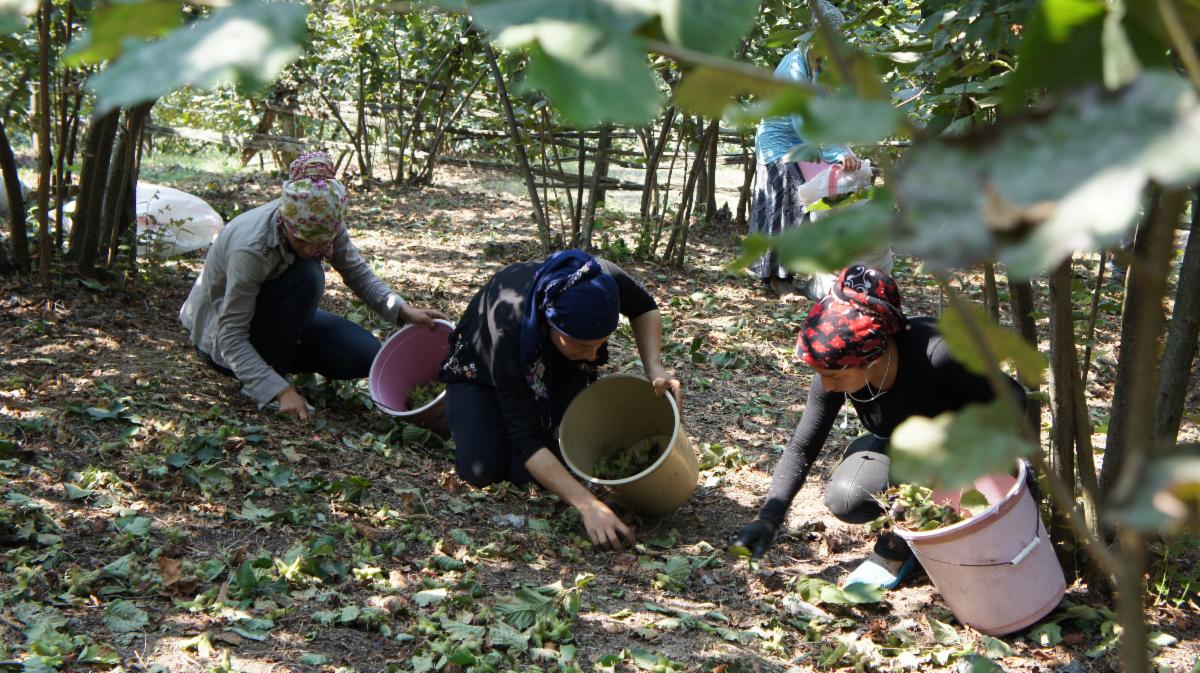
Documentary: A 26-minute video describes the lives of migrant hazelnut harvesters in Turkey and details an FLA project to test U.S. Department of Agriculture guidelines and their impact on supply chain recruitment and child labor.
|
|
FLA Tapped to Provide Training in Uzbekistan |
|
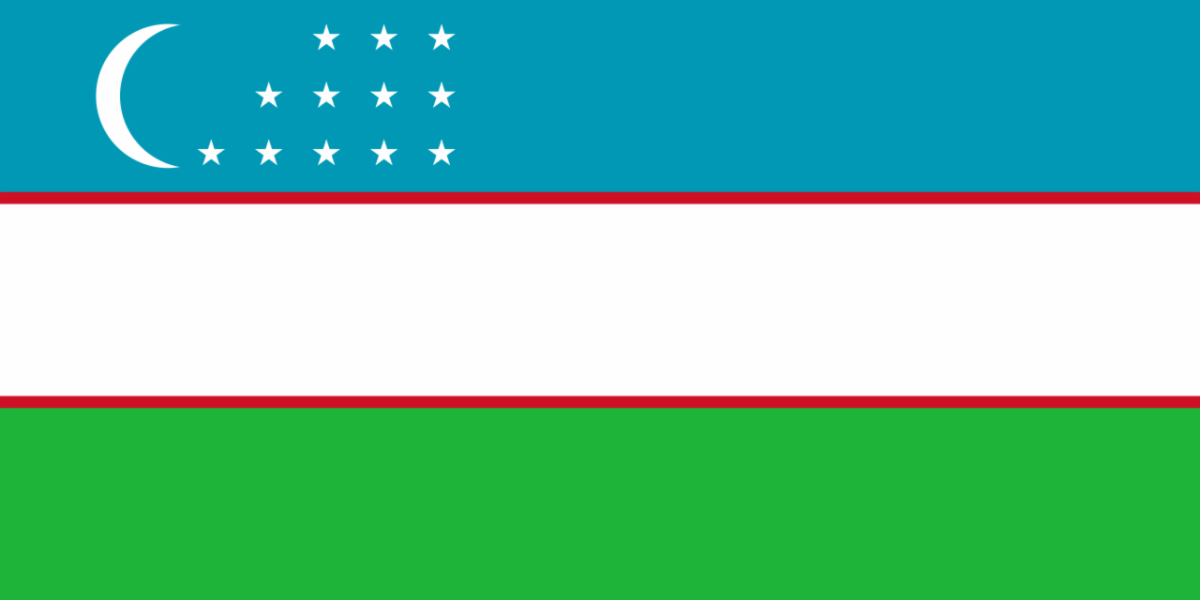
The Fair Labor Association (FLA) will provide a series of training sessions on agriculture work in Uzbekistan beginning this month as part of a project funded by the U.S. Department of Labor.
The training will cover the fair recruitment of seasonal agriculture workers providing crucial information to government officials, trade unions, employers, public administration authorities, and newly formed farmer clusters tasked to hire workers for the cotton harvest. The training sessions will be offered online due to the global pandemic.
The sessions are part of the International Labor Organization's Decent Work Country Program in Uzbekistan. The training supports efforts by the government and employer and worker organizations to strengthen labor market governance in Uzbekistan as part of a five-year development strategy to advance decent work and promote workers' rights and job security as key factors of job creation.
A webinar on September 9 will include remarks by FLA Senior Advisor Eric Biel on the changing landscape of cotton production and forced labor issues in the country. The project will conclude with an online national roundtable on September 16, where FLA representatives will provide recommendations to government leaders and other stakeholders based on the training.
|
|
Child Labor Convention Ratified by 187 Nations |
The ILO estimates that as many as 152 million children are engaged in child labor, nearly half in hazardous work. The majority of child labor (70 percent) takes place in the agriculture sector.
Convention No. 182, introduced in 1999, addresses the worst forms of child labor, including slavery, forced labor, and trafficking. The convention prohibits the use of children in armed conflict, prostitution, pornography, illicit activities such as drug trafficking, and hazardous work.
|
|
COVID-19 Info & Resources |
|
The Fair Labor Association (FLA) provides information to help factories mitigate the risks associated with COVID-19 and ensure workers’ safety in a 13-page resource (pdf) released last month.
Guidance to protect workers in the palm oil industry in Malaysia provides 17 steps (pdf) compiled by the FLA to improve working and living conditions.
The COVID-19 pandemic increases the risk for short and long-term negative impacts on child workers. The FLA has issued 15 practical steps companies and suppliers can take to protect children from the risk of forced labor.
Karen Tramontano, an FLA board member, called on the World Bank to support efforts to protect informal workers in an article published in July. The Pandemic & Informality: What Needs to Be Done Now! urges developing countries to establish a system so informal workers can immediately receive financial support.
|
|
|
|
|
|
|
|
|