International Workers’ Day
Teach Labor History
|
|
This International Workers’ Day — May 1st — comes in the midst of union victories at Amazon and Starbucks — and ever increasing challenges for frontline workers and teachers in the face of the ongoing pandemic.
What could be more important for our students than to learn that progress toward greater justice in the world has occurred only when people have organized together and fought for it?
May Day is a good day to remind ourselves — and our students — that people make history.
|
|
Students Uncover
“The Power in Our Hands”
|
|
The Zinn Education Project offers a collection of free lessons on labor history from the teaching guide by Bill Bigelow and Norm Diamond, The Power in Our Hands.
|
|
From the late 1920s to the late 1930s, adults and children, immigrant and U.S.-born, citizen and noncitizen, longtime residents and temporary workers all became the targets of a massive campaign of forced relocation, based solely on their perceived status as “Mexican.”
|
|
Below are a few key events in labor history. There are dozens more in our This Day in History collection.
|
|
|
|
Black women in Atlanta who washed clothes for a living organized an effective Reconstruction-era strike — with demands, strategic timing, and door-to-door canvassing.
They sought higher pay, respect, and autonomy over their work and established a uniform rate at $1 per dozen pounds of wash. With the help of Black ministers throughout the city, they held a mass meeting and called a strike to achieve higher pay at the uniform rate.
|
|
|
|
More than four thousand Philadelphia longshoremen, who loaded and unloaded ships, went on strike and shut down one of the busiest ports in the United States. During their two-week strike, they joined the Industrial Workers of the World (IWW), a revolutionary union deeply committed to racial equality and socialism.
As members of Local 8 (of the IWW’s Marine Transport Workers industrial union), they were led by Ben Fletcher — a brilliant organizer, humorous speaker, and the most prominent African American in the IWW.
|
|
|
|
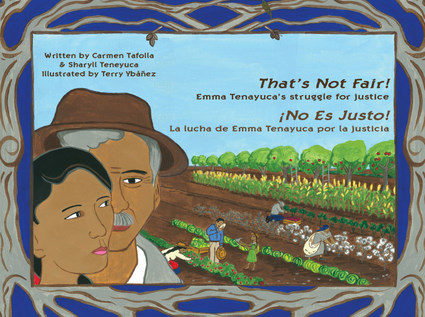
12,000 pecan shellers, mostly Mexican American women, marched out of the factories in San Antonio to demand better working conditions and higher wages. They unanimously elected Emma Tenayuca as their strike leader.
Years later, as a result of anti-Mexican, anti-Communist, and anti-union propaganda, Tenayuca was forced to leave Texas to ensure her safety and well-being. She eventually returned to San Antonio years later to work as a teacher.
|
|
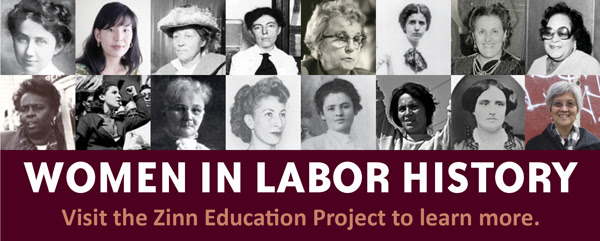
Textbooks and media often ignore women’s activism in labor history, despite the many roles women have played to organize, unionize, rally, document, and inspire workers.
From championing better workplace conditions to cutting back the 12-hour day to demanding equal pay across racial lines, these are just a few of the women who have contributed to the labor movement. Learn more.
|
|
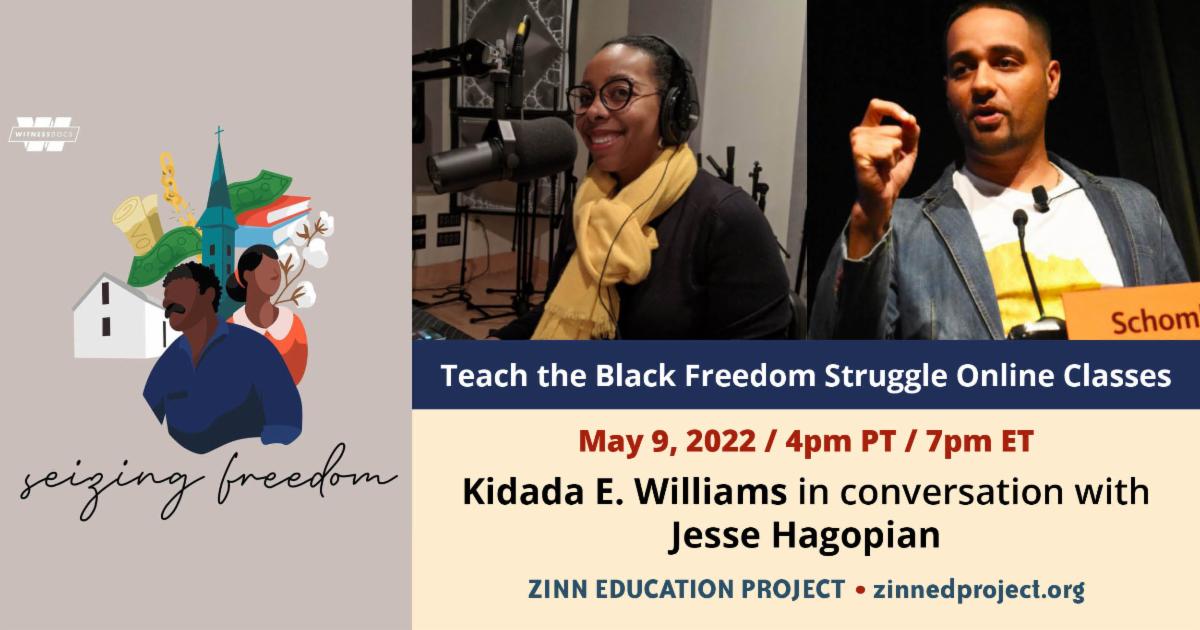
On Monday, May 9, Kidada E. Williams will speak with Jesse Hagopian about two seasons of Seizing Freedom, a Black history podcast that tells stories “drawn from archives of voices from American history that have been muted time and time again.”
|
|
Teacher Appreciation Week |
|
As you know, this has been an incredibly difficult time to be a teacher. Teacher Appreciation Week begins May 2nd.
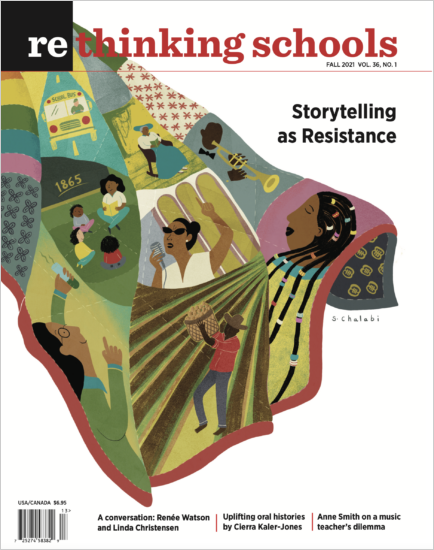
Show your gratitude to your colleagues, the teachers at your children’s school, the teacher across the street . . . with the gift of Rethinking Schools magazine.
Gift subscriptions
are only $17 each
through May 8th.
Use code TASUB at
|
|
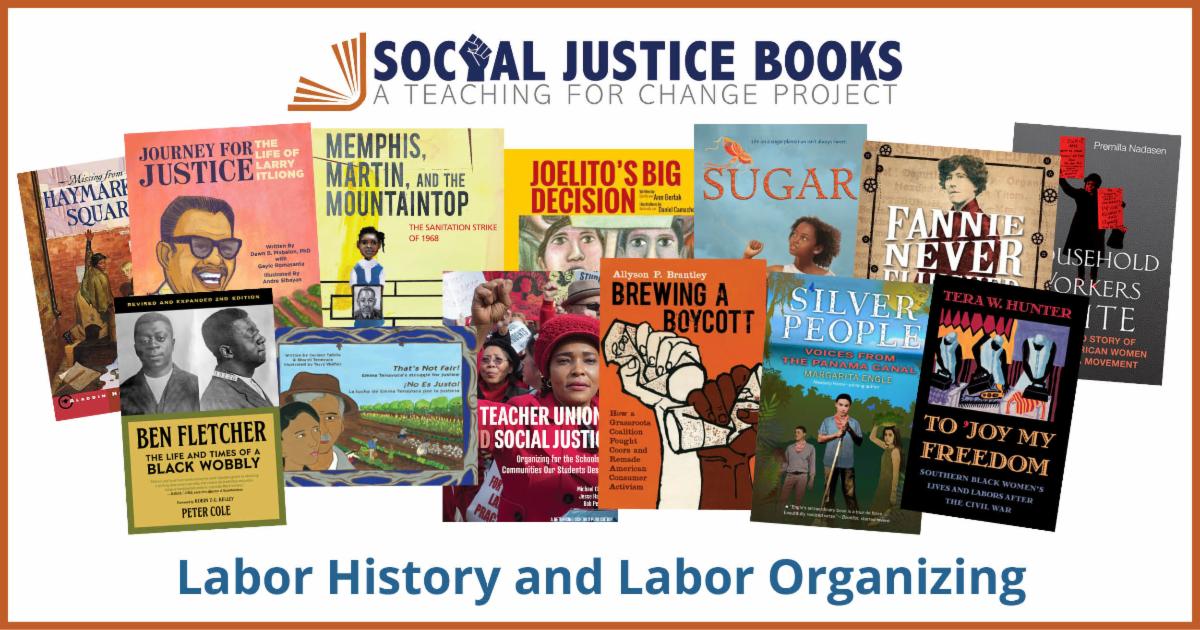
Here is a list from Social Justice Books of recommended titles for pre-K– 12 and background reading for educators on labor history and labor organizing.
|
|
Bring People’s History to Schools Everywhere
|
|
|
|
PO BOX 73038, WASHINGTON, D.C. 20056
|
|
|
|
|
|
|