|
Dear friends,
Cover cropping Part 2, see last week’s newsletter for Part 1, if you missed it.
Farming can be seen as a practical application of soil science and plant biology. In our case the emphasis is wildly on the practical, the empirical, and subtle but deep observations. Our science and biology are basic, but still legit.
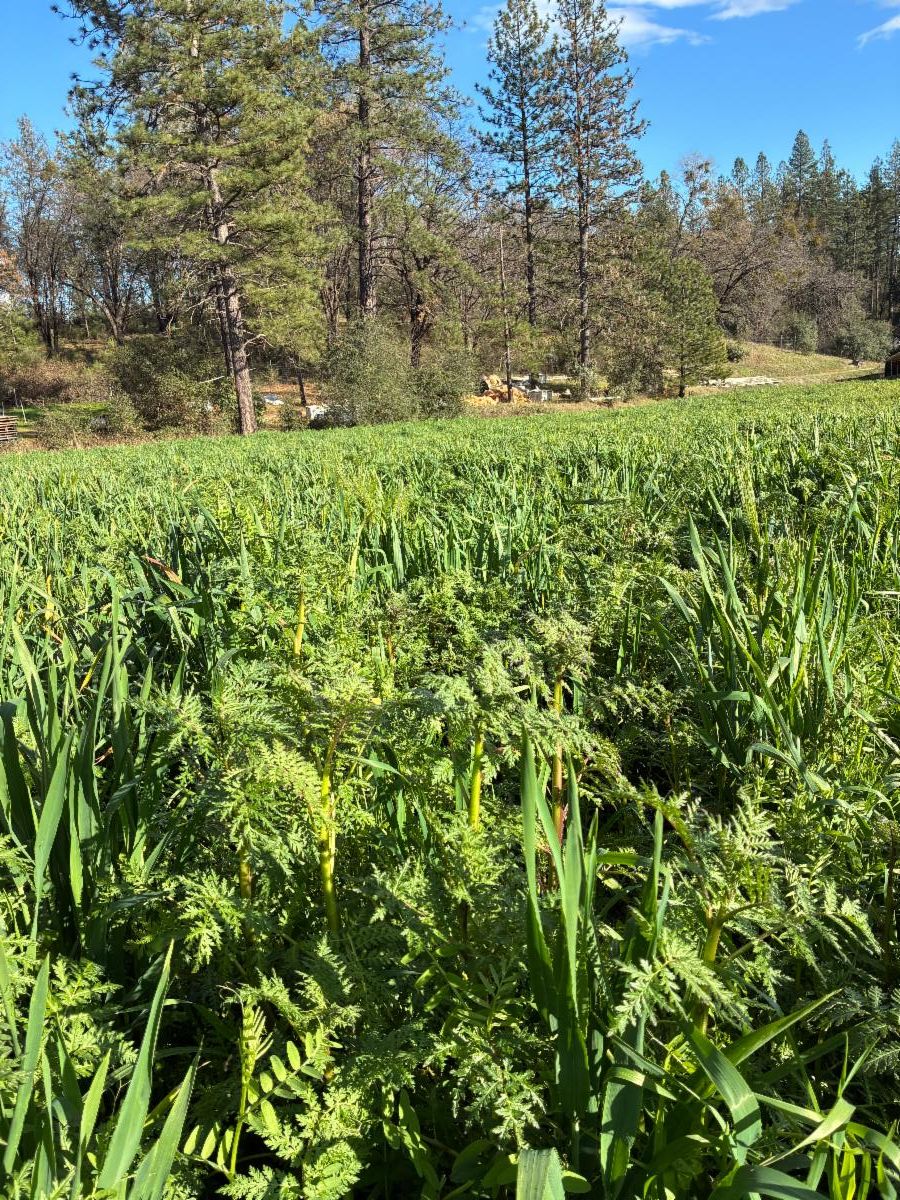
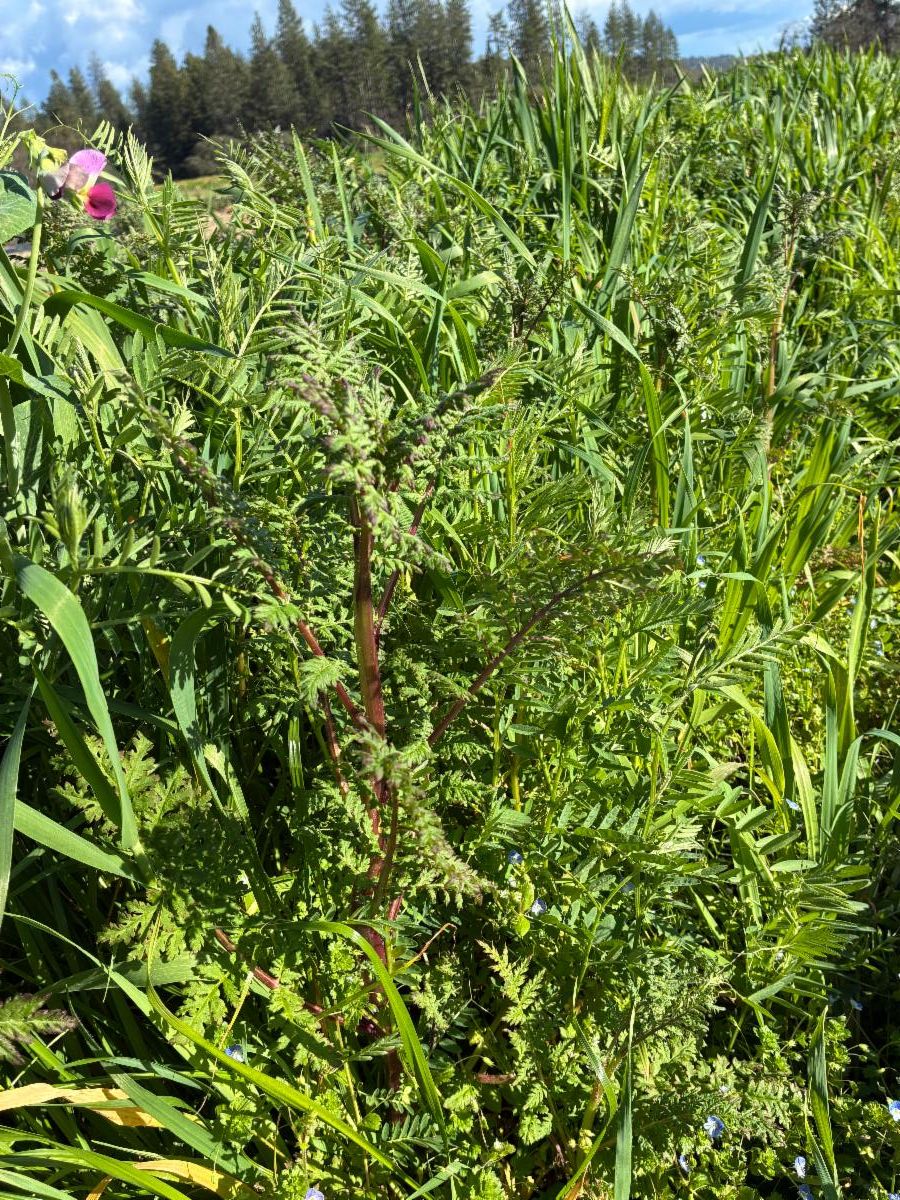
We plant a mix of species as cover crops, including varieties of oats, wheat, vetch, peas, and phacelia. The grasses - oats and wheat - sprout and grow quickly, produce a lot of organic matter, and anchor the soil with their strong and extensive root systems.
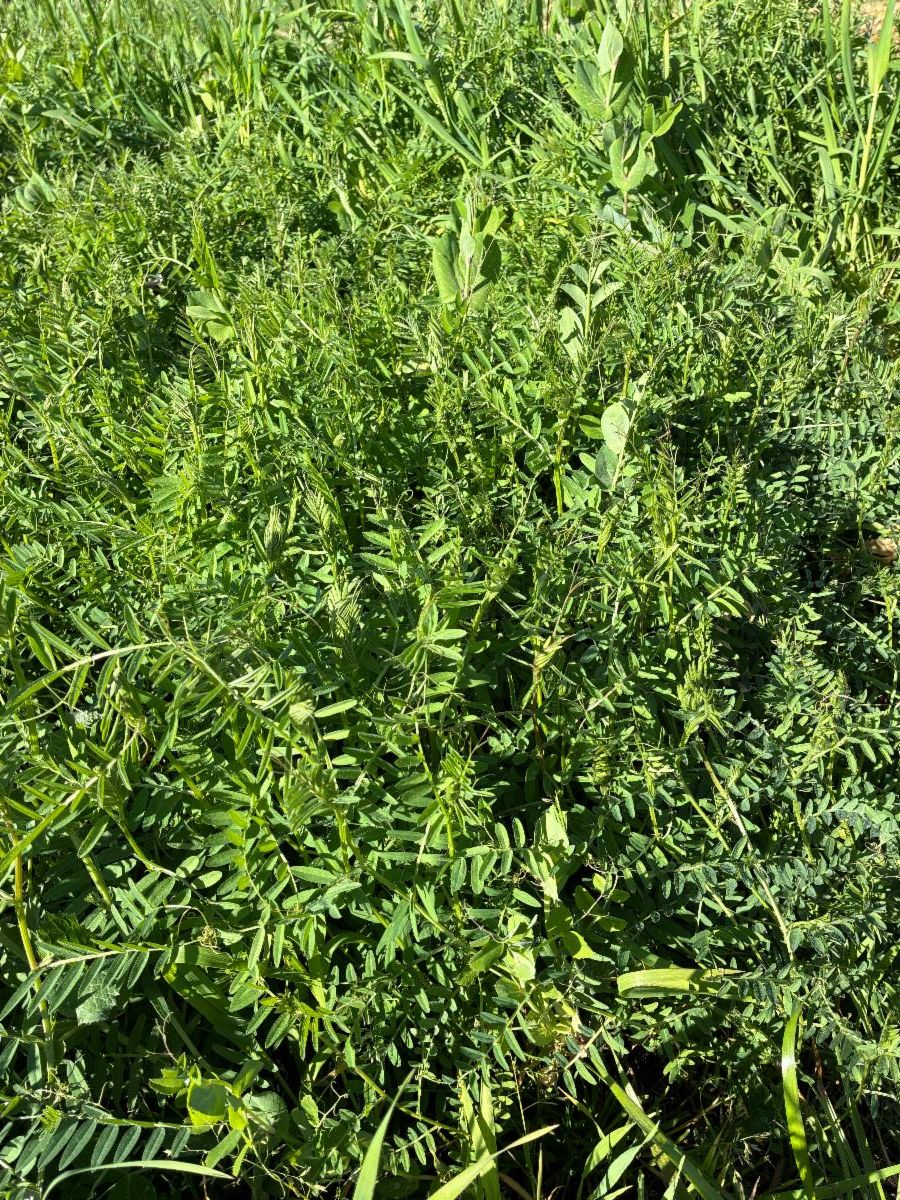
The legumes – vetch, peas, and sometimes fava beans, have a wonderful ability to grab atmospheric Nitrogen from the air and make it into a form of Nitrogen that is available to plants. I’ve always been amazed that the air we breathe is 78% Nitrogen! Legumes, in symbiotic partnership with bacteria, form nodules on their roots where they can access air in the soil (yes, healthy soil has abundant air spaces). Nitrogen is one of the most important plant nutrients, analogous to protein for us.
The final ingredient, phacelia, is for fun, beauty, and the bees. It’s a vigorous and hardy plant in its own right, but the spiraling fractal flowers turn me to mush. A healthy cover crop stand is a thing of pride. And there’s sadness mixed in for sure as well. Mowing that beautiful cover crop down has a particular bittersweet smell and feel.
Happily, this whole process of cover cropping gets a break as winter is back now, and we’ve got a desired reprieve from too much spring too soon.
-John
|