Welcome to edition 583-584 of WINC,

IDMA's Weekly Internet News Collection - October 8, 2026


Guest Foreword

Make provenance standard, and make the people visible


By Sean Dunn


I’m a retailer who has been selling traceable diamonds and Origin by De Beers Group diamonds for close to two years. I’ve used both extensively in our marketing, but more importantly, I’ve done in-field research and stood at the counter in our store, selling them to customers.


Here’s what we learned: Origin and traceability are not necessarily conversion tools at the counter. The perfect shape, the perfect diamond and the right price are still going to drive the decision. If two diamonds are otherwise equal, origin can absolutely make someone choose one over the other. But I think we’re missing the bigger opportunity if we judge origin solely by whether it closes a sale.


Origin should become an attribute of the product itself. There are very few valuable products today where we accept knowing virtually nothing about where they came from. If we’re trying to add value back into natural diamonds, anonymity works against us.


Coffee is a great analogy. Decades ago, Colombia created Juan Valdez because it wasn’t enough to simply sell coffee. They needed to humanize where it came from and connect the product to the farmers and the country behind it.


Look at coffee today. Jamaican Blue Mountain. Ethiopian. Colombian. Puerto Rican. Origin has become part of the romance, quality perception and value of the product.

Ethiopia is particularly interesting. There was a time when many Western consumers primarily associated Ethiopia with poverty. Today, put “Ethiopian” in front of a premium coffee and it adds intrigue and perceived value. The coffee didn’t change. The perception did.


That’s much closer to what we’re trying to accomplish with natural diamonds.

We’re dealing with decades of perceptions about Africa, mining, environmental impact and the people involved in the supply chain. A QR code at the counter isn’t going to erase those perceptions.


You change them by consistently showing people where these diamonds come from, who mines them, who cuts them, who benefits from them and what they have helped build.

Eventually, “Botswana diamond” shouldn’t require an explanation. It should communicate something positive on its own.


Traceability also puts a halo around the retailer carrying it. It tells customers that we care enough to know where our products come from, even when they never ask. That builds trust.


So I wouldn’t judge origin by asking, “Did it sell another diamond today?”

It’s time we stop looking for the fast fix.

Origin and traceability aren’t a campaign or a new closing technique.

They’re infrastructure for the future of the natural diamond.


Make provenance standard.

Make the people visible.

Make the countries behind our diamonds part of their value.

Stop allowing one of the world’s most extraordinary products to remain anonymous.

This is a slow burn, but it’s a necessary one.


It’s time to implement the changes that may take years to fully pay off but can move the needle and pay dividends for the next hundred years.


We added provenance. Now we need to give it time to compound.

Diamond slump raises pressure on African producers to process more locally: Although local processing does not insulate producing countries from the downturn in polished-diamond demand, it can help them capture more of the value created after diamonds are mined, including through skilled jobs. That matters because cutting and polishing remain heavily concentrated in India, which handles about 90% of the world’s diamonds.

Paul Zimnisky celebrates 10 years of "State of the Diamond Market" report: "It has been my absolute privilege to serve stakeholders of the diamond and jewelry industry for over a decade with what I believe is the most independently objective and nuanced report of its kind. My goal has always been to provide niche, forward-looking proprietary data and analysis that is objectively based," said Paul Zimnisky. "A genuine thank you to all the readers; I am humbly flattered and honored to have had such a distinguished group of subscribers since the debut of the publication 10 years ago," Zimnisky added.

Petra Diamonds may put mines up for sale as walls close in: Petra Diamonds has launched a strategic review that could result in asset sales following “consultation with certain key stakeholders including its first and second lien creditors”. The review brings Cullinan, near Pretoria in Gauteng, into play and comes amid crushing net debt which stood at $322m at the end of June, up from $298m three months earlier. Petra’s other main asset – the Finsch mine near Lime Acres in the Northern Cape – is being closed after business rescue practitioners concluded there was no way to save the operation.

De Beers bets on consumers’ taste for the real to restore natural diamonds’ sparkle: Al Cook, chief executive of the Anglo American-owned business up for sale since 2024, said consumers were increasingly looking to prioritise the real over the synthetic, for example by choosing physical over digital art, human connections over “AI companions” and food with origins they understood rather than lab-grown meat. “There’s a large societal move that will only grow, back towards what’s natural and what’s real, and away from what’s artificial, what’s fake,” Cook told the FT, adding that De Beers was well positioned to capture that “zeitgeist”. 

Botswana wants more of De Beers; Moody’s downgraded Botswana’s credit rating to Baa2, warning against debt-funded investment in De Beers. Botswana wants to increase its 15% stake as Anglo American seeks to sell its 85% holding. Weak diamond prices and falling revenues continue to strain Botswana’s finances. The country must balance greater control of its diamond industry against rising debt risks.

Boodles acquires Argyle Pink Diamonds brand and remaining pink diamond inventory

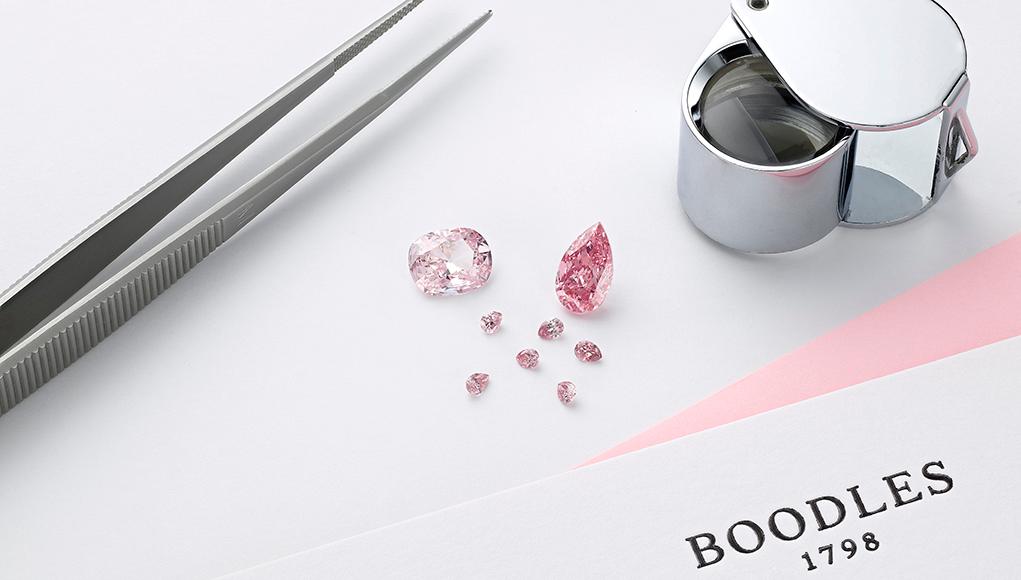
British luxury jeweler Boodles has acquired the Argyle Pink Diamonds brand from Rio Tinto, along with the remaining inventory of Argyle pink diamonds, associated trademarks, and the brand’s website and digital marketing assets.

The transition was completed October 1, 2026.

And we can tell you that those remaining pink diamonds will not be coming to market all at once. Boodles plans to release them gradually over approximately 10 years. 

MPD transfers Gahcho Kué mine to De Beers

The agreement releases Mountain Province and its subsidiaries unconditionally and irrevocably from the remainder of outstanding indebtedness owed to De Beers under the joint venture agreement.

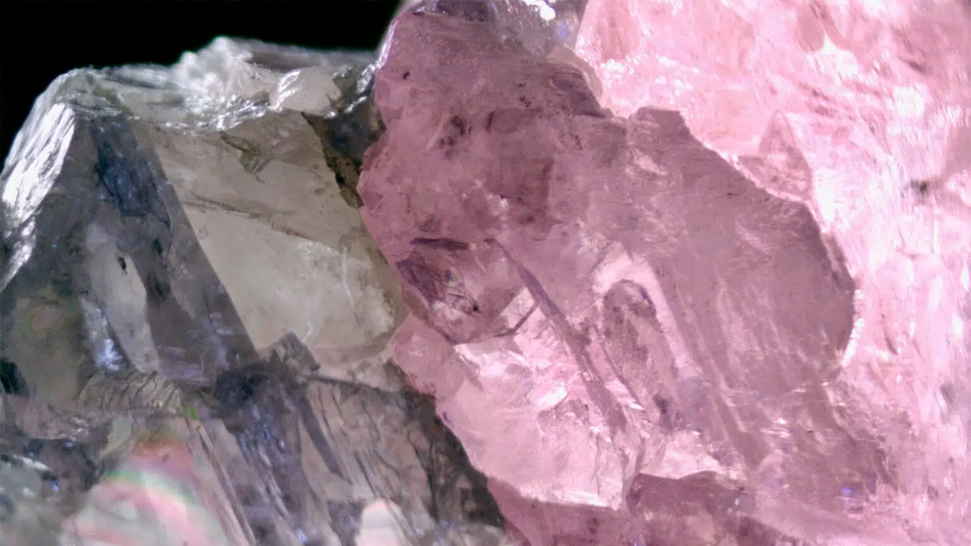
Rare 37-carat pink diamond found in Botswana mine

The diamond, roughly the size of a small grape, measures about 24.3 millimeters long and shows a clean split between a vivid pink section and a clear, colorless zone.

IPC demands answers on proposed De Beers sale

Mines minister Modestus Amutse in July dismissed reports that Namibia has lost its bid to acquire a stake in De Beers, saying information circulating on the matter is “misleading and incorrect”.

Rare honey inspires name for Namdeb’s 176-carat diamond

The 176.29-carat diamond named “Owishi” discovered by Namdeb at its Southern Coastal Mine in Oranjemund is the biggest diamond discovered in Namibia in 20 years.

Qatar Diamond Exchange joins CIBJO as National Member

QDE will participate in CIBJO’s sectoral commissions and contribute to discussions around standards, terminology and disclosure practices governing the global jewellery and gemstone trade.

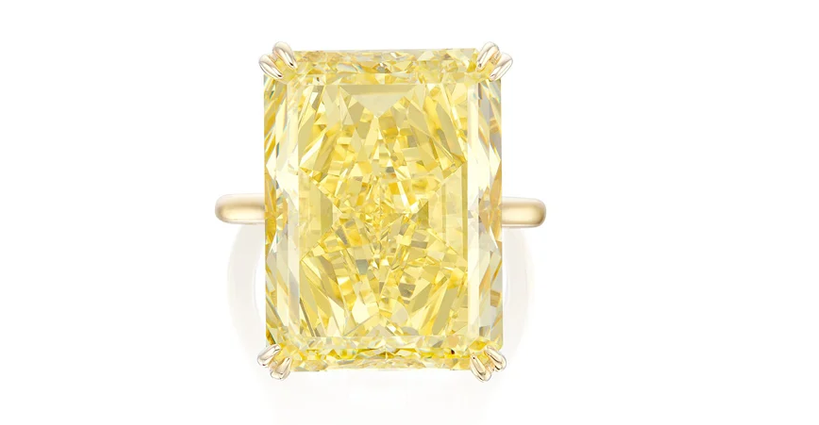
Fancy-yellow diamond takes top spot at Phillips sale

A cut-cornered rectangular mixed-cut, fancy-intense-yellow, VVS1-clarity diamond weighing 23.34 carats led the recent Phillips auction in Hong Kong, where it fetched HKD 4.3 million ($550,810).

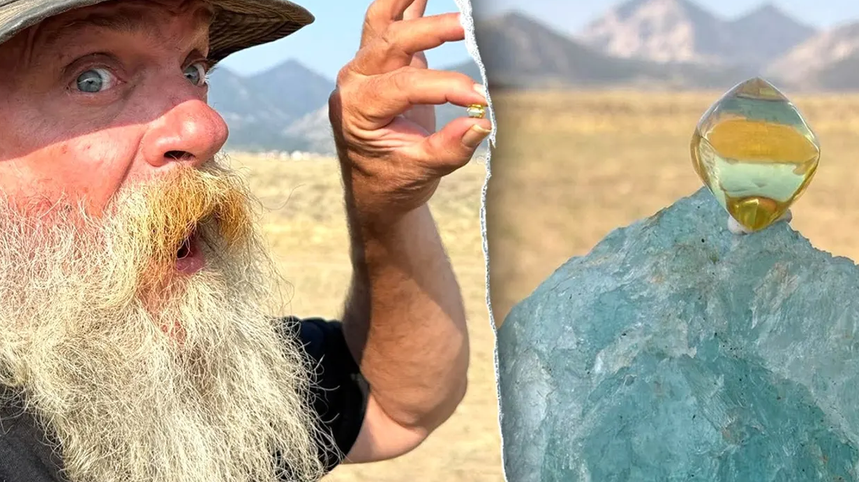
Arkansas gem hunter finds a diamond he claims worth $1 million

It’s the largest diamond found this year at Crater of Diamonds State Park. More than 37,000 diamonds have been discovered since the former open-pit diamond mine became part of a state park in 1972.

Signet’s Blue Nile partners with Royal Asscher

The company will be using the six Royal Asscher patented cut diamonds for collections, as well as selling the recently launched Curated by the Asscher Family and the Six by Royal Asscher collections.

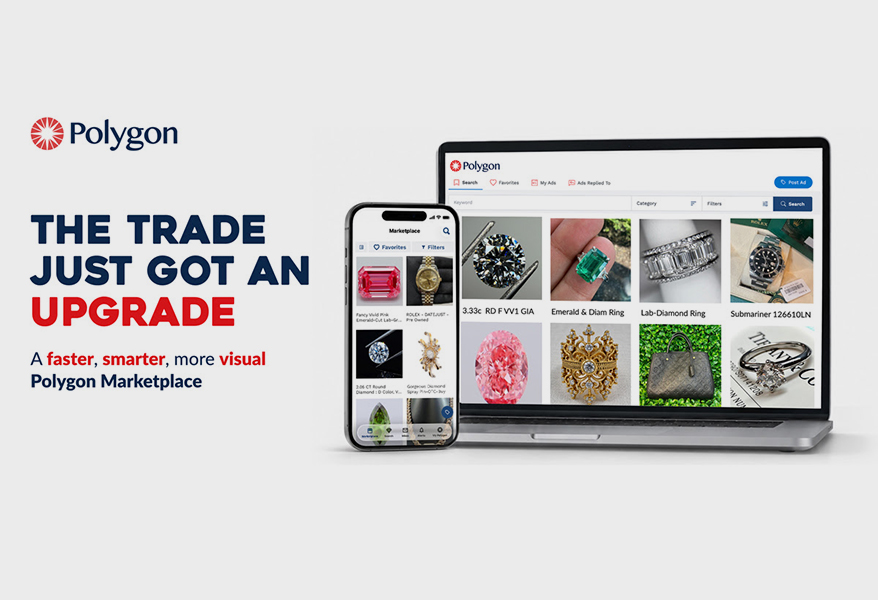
Polygon launches redesigned marketplace for gem and jewelry

We are rebuilding Polygon to be the central hub where the trade comes together, on a secure platform built to scale, with no commissions standing between buyer and seller.

Gemfields takes $125m hit at Montepuez ruby mine

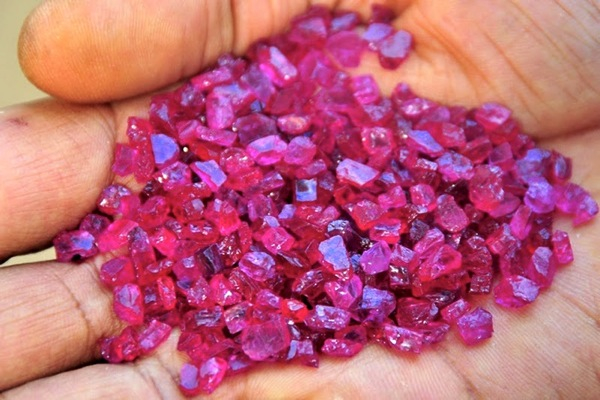
Gemfields has been trying to strengthen its balance sheet after a difficult two years. It raised $30m through a rights issue and agreed to sell its Fabergé jewellery business for $50m

Small diamonds lead diamond price gains in September

TThe Rapaport Trade Diamond Index (RAPI™) for round, D-H, IF-VS2 diamonds rose 3.2% for 0.30-carat stones and 2.5% for 0.50-carat diamonds. The 1-carat index increased 0.3%, while the 3-carat index rose 1.5%.

KP review team assesses Namibia’s diamond controls

As part of the review, the team visited Namibia’s marine diamond operations, including recovery vessels used in offshore diamond mining, to observe the country’s production of marine rough diamonds and its offshore management systems.

8ct. diamond to headline Christie’s New York auction

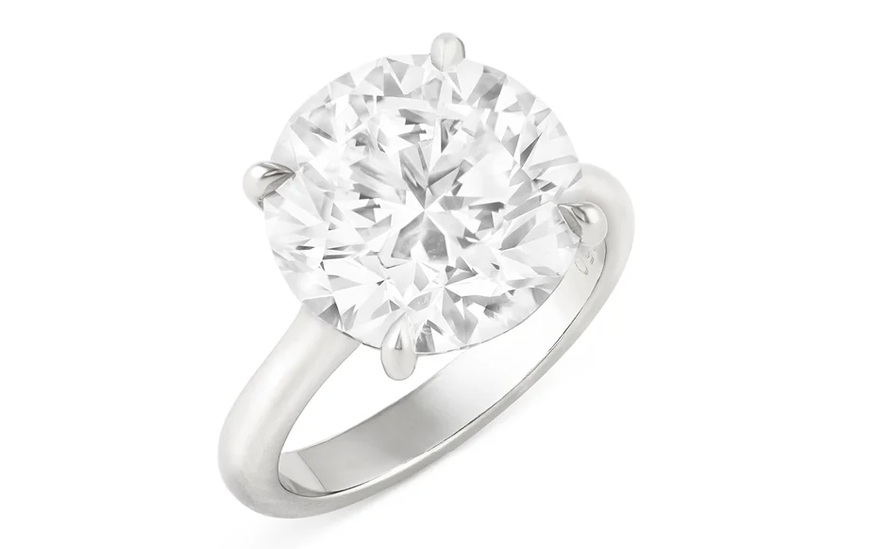
The jewel bears a round brilliant-cut, D-color, internally flawless-clarity diamond and is on offer without reserve. It will take center stage at the October 15 Jewels Online sale, the auction house said.

Plumb Club amplifies its voice as geopolitical pressures mount

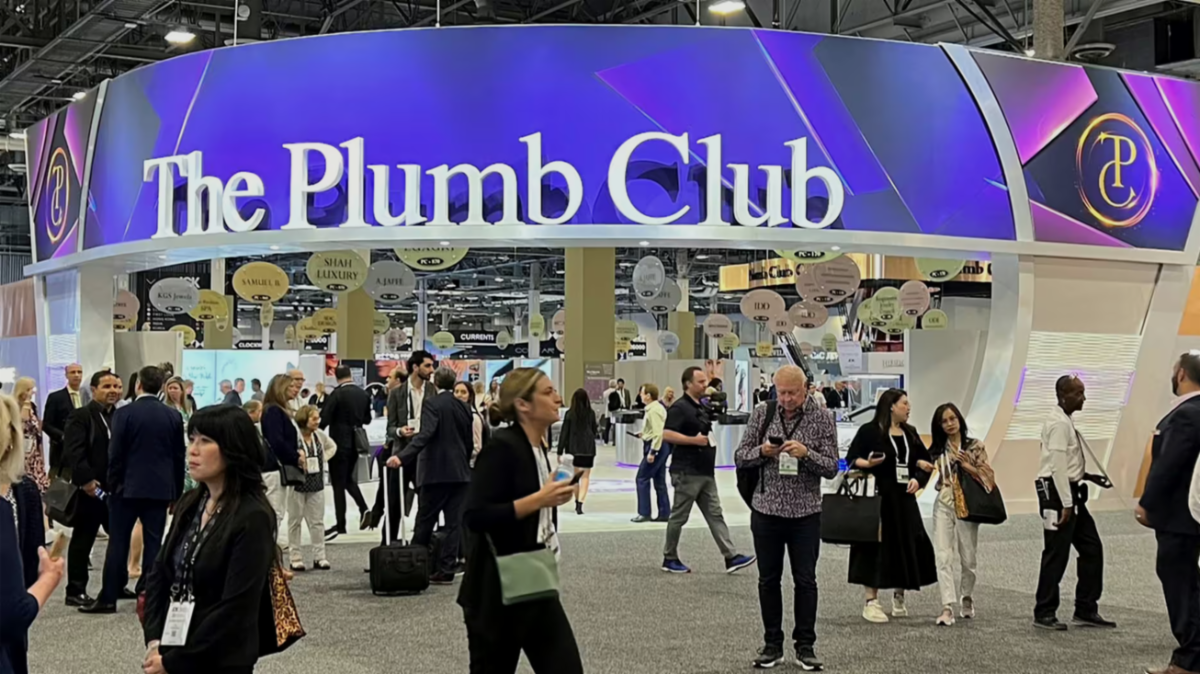
The Plumb Club has joined both Jewelers of America and the Jewelers Vigilance Committee, a move the organization views as necessary next steps in its continued evolution.

Tanzania urged to market Tanzanite more aggressively abroad

Dr Sangu said Tanzanite’s unique status as a gemstone associated exclusively with Tanzania gave the country an opportunity to build a stronger international brand around the mineral.

Bruce Bridges elected to CIBJO Board of Directors

AGTA noted that Bridges’ appointment reflects both his longstanding involvement in the gem and jewelry business and the trade group’s role in international industry affairs.

With Royal Asscher and Clear Cut, Blue Nile is movin’ on upscale: Following the announcement, Signet chief financial and operating officer Joan Hilson and Blue Nile president Pam Cloud—who only joined the brand around six weeks ago—briefed The Jewelry Wire on the partnership.

Why did Blue Nile strike a deal with Royal Asscher?. Hilson says the multi-year deal is part of Signet’s ongoing effort to “elevate” Blue Nile and “create a differentiated luxury experience.” The move comes amid a revamping of the Blue Nile website and the hiring of Woozae Kim as Blue Nile’s marketing director.

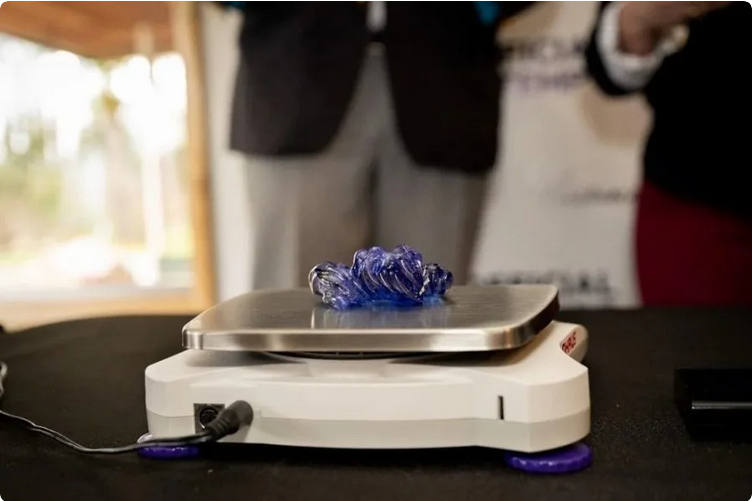
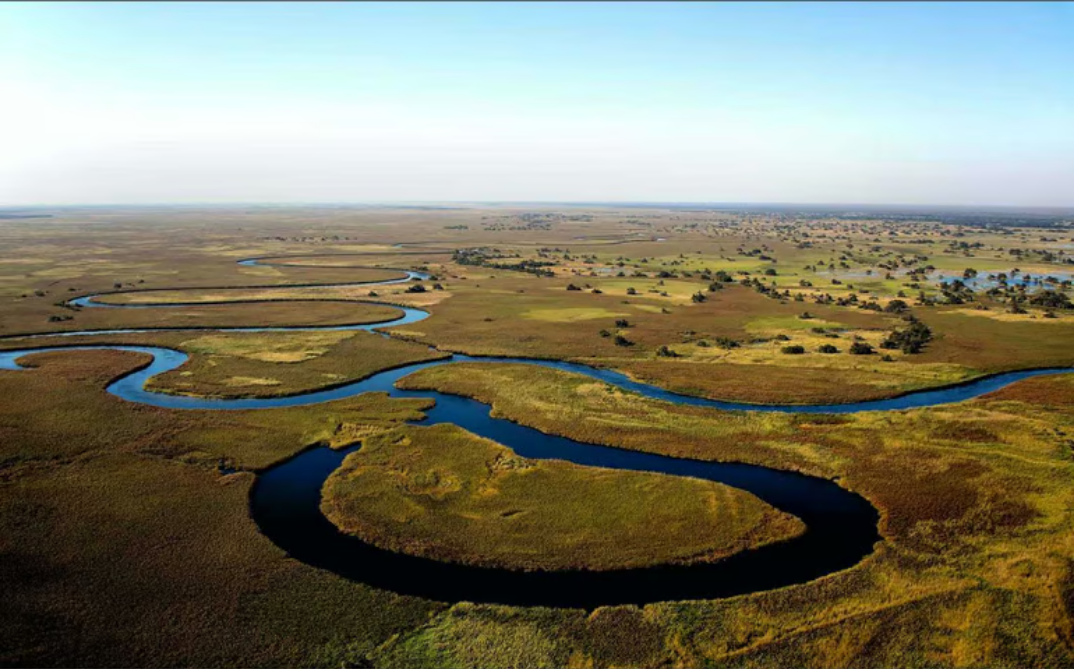
After five years of painstaking work, De Beers has given diamonds a new avatar, smooth cabochons that look like water droplets and glow like pearls, starring in a six-piece high jewelry suite inspired by Botswana’s Okavango Delta: De Beers is playing with diamond destiny by taking it to the other end of the spectrum. After decades of sparkling in a conventional brilliant cut, the diamond is getting a new understated avatar, as a water droplet. Pure, simple yet sheer perfection, it’s the result of five painstaking years developing the cabochon diamonds by De Beers London. Because diamond cabochons have no facets to hide imperfections, this technique demands rough stones of exceptional clarity and considerable cutting skill, resulting in a deep, liquid inner glow.


Synthetic’ and the FTC: How an untested industry claim became guidance: The record from 30 years ago shows how a claim first made by producers and sellers of synthetic gemstones, without supporting evidence, became the basis for taking “synthetic” off the FTC’s list of recommended qualifiers for diamonds. The word then disappeared from the list for colored stones as well, even though the FTC’s own reasoning said it should stay.

The FTC’s 1996 review of the Guides, which cover precious metals, pearls, pewter, watches and gemstones, followed a petition by the Jewelers Vigilance Committee. Some 263 comments were received during the entire process, and by the FTC’s own count, only 10 came from synthetic gemstone manufacturers. The only consumer body commenting among the 263 submissions was the National Association of Consumer Agency Administrators.

Importantly, the Commission’s published discussion in 1996 cites no consumer-perception evidence or data on the word “synthetic.”

41st World Diamond Congress

DISCLAIMER: IDMA's Weekly Internet/Online News Collection (WINC) features third-party articles and links to these articles. IDMA presents these news items for reference only. The content of these articles neither reflects nor expresses IDMA's position or point of view.