Disclaimer: The Activator is designed to keep prevention professionals informed about emerging products, industry marketing, public messaging, research, and current events. Content is shared to promote awareness and informed discussion—not to endorse, recommend, or promote any product, opinion, organization, or viewpoint featured within the newsletter. | |
🎤 What. A. Month!🍂
October was BUSY—and I wouldn’t have it any other way! This month brought opportunities to connect with audiences from Wisconsin to Missouri, Minnesota and beyond, plus virtual sessions that stretched from the deep south all the way to Alaska! 🌎 Whether we were talking emerging drug trends, engagement, leadership, sustainability, or moving from seats to solutions, I’m continually reminded that the challenges may look different from community to community, but the passion for making a difference is something we all share.
Thank you to everyone who invited me in, showed up, asked great questions, shared your experiences, and gave me another opportunity to move ideas into action with y'all! 💛
Now booking 2027! 📅 If your coalition, organization, school, conference, or community could use a speaker, trainer, facilitator, or thought partner, let’s talk about what you need and build something that fits. Already have an idea—or a date in mind? Reach out and let’s get it on the calendar! 🎤
| | ⚾Some Things Are Worth the Wait💙 | | |
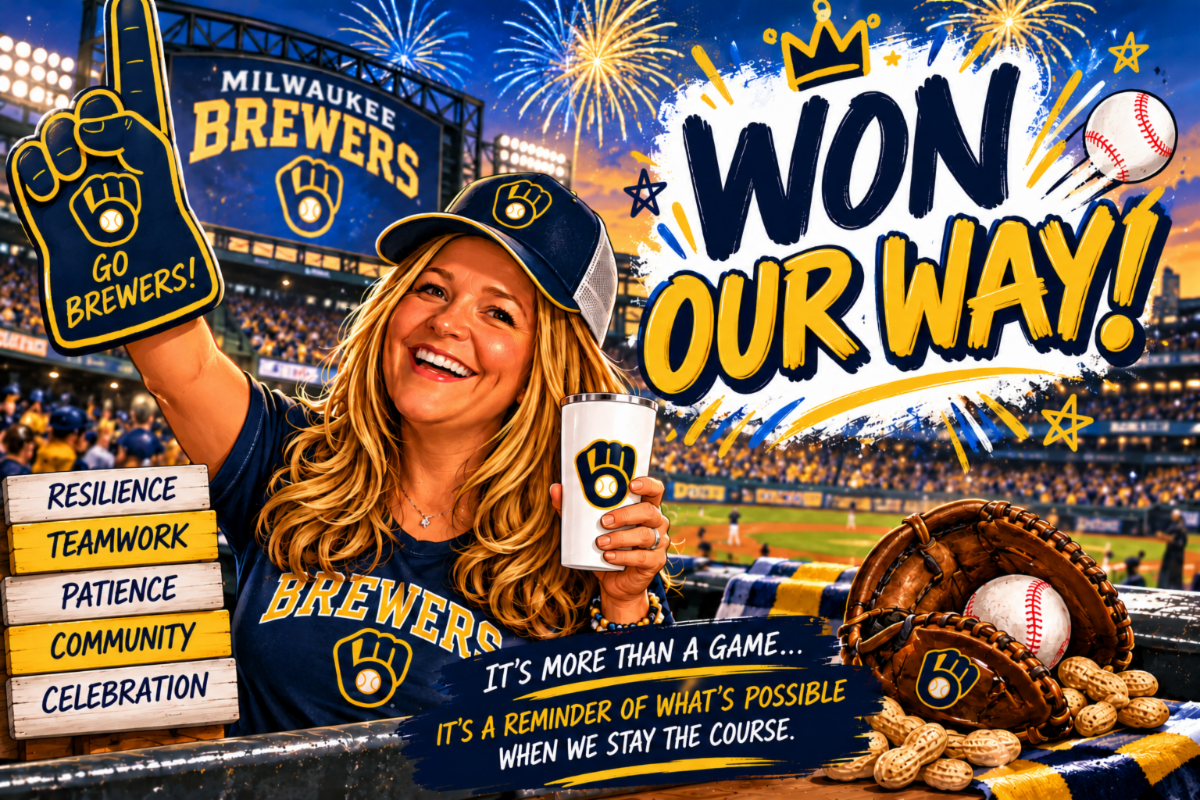
Sometimes, the best things make you wait. And wait. And wait some more. This week, Brewers fans finally got to experience something we had never experienced before—our team winning the World Series! 🏆
I’ve been a Brewers fan through all of it. I grew up going to games, spent countless summer evenings listening to Bob Uecker on the radio in the backyard, celebrated the wins, suffered through plenty of losses, and kept coming back the next season believing maybe this will be the year. Somewhere along the way, I got to pass that same love of the game—and this team—on to my own kids. And this week, we got to celebrate together.
It reminded me that waiting teaches us a few things. Resilience to keep showing up when the outcome isn’t guaranteed. Humility to appreciate how hard success really is. And maybe most importantly, the importance of celebrating when the moment finally comes.
We spend so much of our lives focused on the next goal, the next project, the next challenge that sometimes we forget to enjoy the thing we waited so long to achieve.
So this week? I’m celebrating. The memories. The tradition. The people I’ve shared it with. And one absolutely AMAZING World Series. ⚾💙💛
Some things really are worth the wait. What's that for you?
| |
⚡From this Week's Headlines📰
| |
🍺 Alcohol Trends on Tap📈
The New Normal for American Drinkers? Less Alcohol, More Options Food & Wine
📸PressMaster via Pexels
Key Points:
- According to a Gallup poll, 54% of U.S. adults say they drink alcohol, matching the lowest percentage since Gallup began asking the question in 1939. Meanwhile, 51% believe drinking one or two alcoholic beverages daily is bad for their health.
- Gallup found that 17% of U.S. adults consumed nonalcoholic beer, wine, or spirits instead of an alcoholic drink at some point in the past year. Representatives from nonalcoholic beverage brands say many of their customers are cutting back on alcohol rather than giving it up entirely.
- Interest in no- and low-alcohol beverages extends beyond Dry January. One producer of no- and low-alcohol wine reports sales spikes in September, October, December, and January, with steady sales throughout the rest of the year
Just two drinks a day may be far riskier than you think
Science Daily
...A major new study challenges the myth of safe moderate drinking, finding that just two alcoholic drinks a day are linked to a 1 in 25 lifetime risk of alcohol-related death...
Cannabis drinks boom sparks rift in US alcohol industry
Financial Times
...Brewers and distillers have lobbied for a crackdown on THC-infused drinks, while retailers want to keep them on the shelves...
| |
🔎What's New📦
'New' Trends, Products, & Resources
| |
💥These Pouches Pack a Punch!🔍
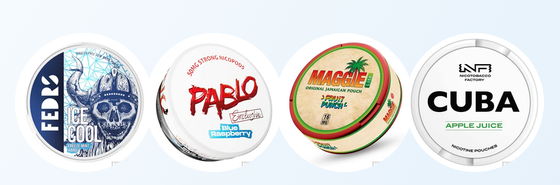
Think nicotine pouches are all created equal? Look again. Extra-strength nicotine pouches sold online by international retailers are advertising levels as high as 65 mg per gram—roughly 33 mg in a single pouch, depending on the product. And they aren’t only online. Smoke shops are carrying an increasingly wide variety of brands, flavors, and strengths, giving consumers—and potentially youth—many more products to encounter.
And here’s an important distinction: FDA authorization of specific nicotine pouch products, including certain ZYN and on! products, does NOT mean those are the only pouches that can show up on local shelves. The marketplace is much bigger than the products that have received FDA marketing authorization, making community scans and retailer education even more important. For prevention, keep asking: What strengths are being sold? What brands are showing up? What can be ordered online and shipped to the door? And how does “extra strong” marketing influence perceptions of risk? These little pouches - aka this generation's cigarette butt - can pack a BIG punch.📸NicPouches
| |
🪟From the Vape Shop Window to My Social Feed📱
It started with a neon “Jelly” sign in the window of my local vape shop. I didn’t recognize the brand, so naturally, I went looking—and it didn’t take long before Jelly seemed to take over my social feeds, too. Coincidence? Maybe. But it certainly made me pay attention.
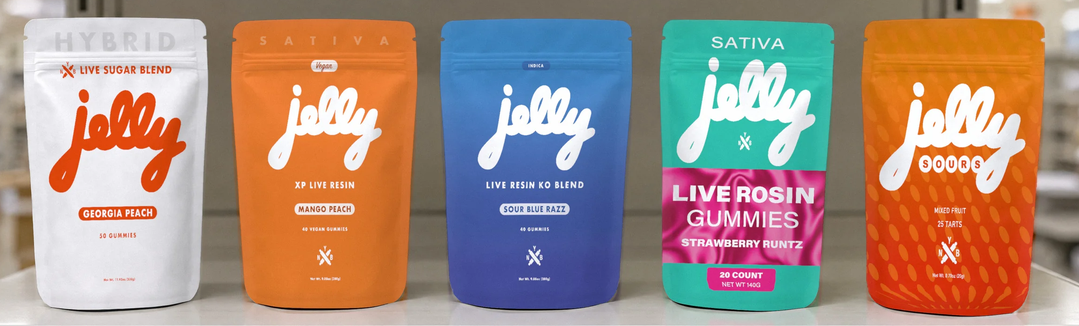
Jelly, from Not Your Bakery, sells hemp-derived products ranging from lower-dose gummies, shots, and mints to products advertised at some eye-opening concentrations—including 5,000 mg Delta-9 + Delta-8 gummies, 6,000 mg Delta-8 gummies, and products labeled as high as 10,000 mg THC or THCP blends per package. The company says its individual gummies range from 2 mg to “ultra-potent” 500 mg.
But also look at how they’re marketed: shop by Sleep, Chill, Relief, or Uplifting; choose your strength from “New to it / microdose” to “Experienced / strong”; and products in familiar candy flavors like Sour Blue Razz, Watermelon Sugar, Strawberry Runtz, Mango Peach, and Fruity Pebbles. The website is restricted to 21+, ships within much of the U.S. with an adult signature requirement, and notes that some products cannot be shipped to certain states.
For prevention, this is exactly why our environmental scans need to include both the storefront AND the screen. What brands are showing up in your local smoke and vape shops? And once you notice them, what starts showing up in your feed? More importantly—what are our youth seeing? 🔍📸Not Your Bakery
| |
🚨 And Then I Kept Digging…🔍
The products and marketing caught my attention—but then the story took another turn.
While I was putting this week’s edition together, something changed—their site went dark for all products. 👀 Then the news broke that multiple members of Not Your Bakery's leadership are now the subject of an ongoing criminal investigation in the State of Florida.
According to WPBF, a former co-owner/CFO and a current co-owner/managing member have been arrested and face multiple felony charges related to the company’s operations. Investigators allege that products marketed as compliant hemp products actually exceeded legal THC limits, along with allegations involving money laundering and organized fraud. The investigation remains active, and these are allegations—not convictions.
But don’t assume that means the products have disappeared. Jelly and other Not Your Bakery products may still be sitting on local store shelves or available through third-party vendors. And sometimes, increased media attention can actually increase curiosity and demand for a product. Another reason to keep your eyes open during community scans and ask local retailers what they’re seeing, stocking, and being asked for.
And remember how I got here...a neon Jelly sign in the window of my local vape shop. That one observation led me to the website, my social feeds, the products, their potency—and now an active investigation. This is why we keep looking, asking questions, and following where the trail takes us. 🔍📱
| | 🙌 Free Trainings? Yes, Please!🎓 | |
Are you familiar with the Mid-America PTTC? You should be!
Take a look at their upcoming events - including gambling & youth, new psychoactive drugs, emerging adults 18-25, alcohol density, and co-occurring disorders...and that's just in the next month!
| |
😲What’s the Buzz About “Mad Honey”?🐝
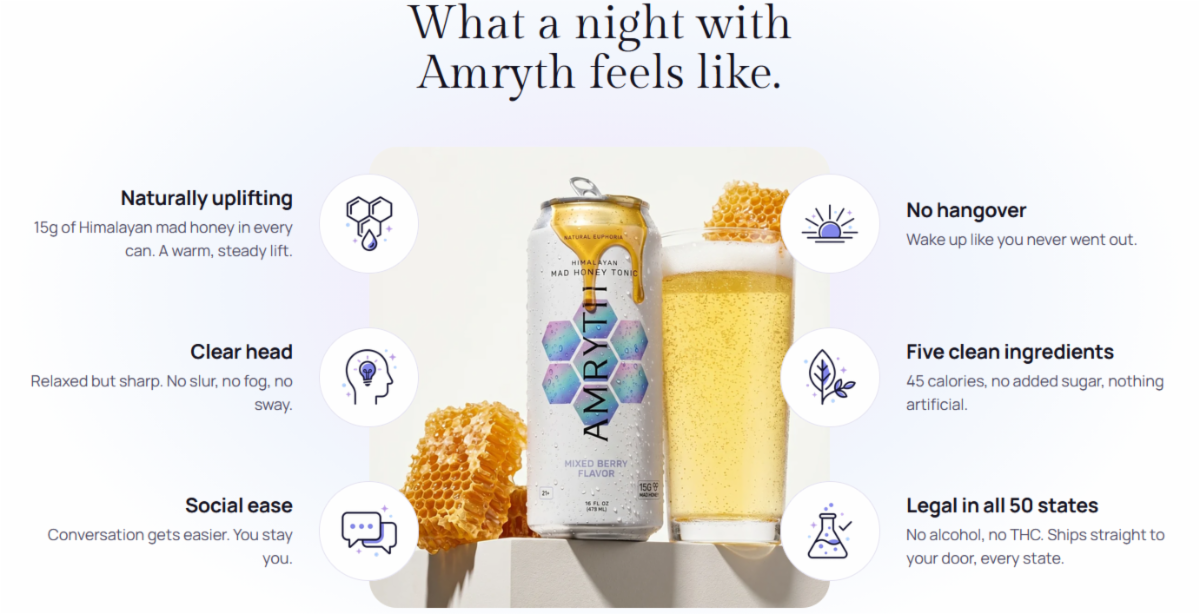
Here’s a new-to-me product: Amryth, a “euphoric tonic” made with “mad honey”—specifically, 15 grams of Himalayan mad honey per can—and marketed as a social alternative to alcohol and THC. The company describes the effects as a “warm, steady lift,” clear-headed relaxation, and greater social ease, with messaging like “One to unwind. Two to elevate,” “Same night. Different morning,” and “no hangover.” View one of their popular social ads
The company labels the product 21+, recommends no more than three cans in 24 hours, and includes additional health cautions. Yet it also promotes Amryth as containing no alcohol or THC, legal in all 50 states, and available for direct-to-consumer shipping to all 50 states.
For prevention, it’s another reminder that unregulated products with relatively few restrictions aren’t always what they seem. “Legal,” “natural,” or “alcohol-free” doesn’t necessarily mean a product is without effects or potential risks—which is exactly why these emerging products belong on our radar. 🔍📸DrinkAmyrth
| | Are tonics the only “mad honey” products gaining attention? Simple answer: NO. You can also find squeeze pouches, infused mushrooms, gummies, tabs, hard seltzers, and recipes for homemade mead featuring this reddish, bitter-tasting honey. 'Mad honey' is produced when bees feed on certain Rhododendron species in regions including the Himalayas and Black Sea, which can expose the honey to naturally occurring grayanotoxins. While mad honey has a history of traditional and folk use, higher exposures to grayanotoxins can cause dizziness, nausea, vomiting, low blood pressure, slowed heart rate, and hallucinations. Another good reminder that “natural” doesn’t automatically mean harmless. 🐝 | |
🇺🇸 A Look at the National Drug Control Strategy📘
The 2026 National Drug Control Strategy is out, outlining the federal government’s approach to addressing current and emerging drug threats. For prevention professionals, there’s plenty worth exploring—including a focus on preventing substance use before it starts, emerging substances, evidence-based prevention, treatment, recovery, overdose response, and a new National Prevention Framework included in the appendices.
Whether you read all 195 pages or jump to the sections most relevant to your work, it’s worth knowing where national priorities are headed—and what that may mean for prevention (& funding) moving forward.
| | Keep the Conversation Going | | |
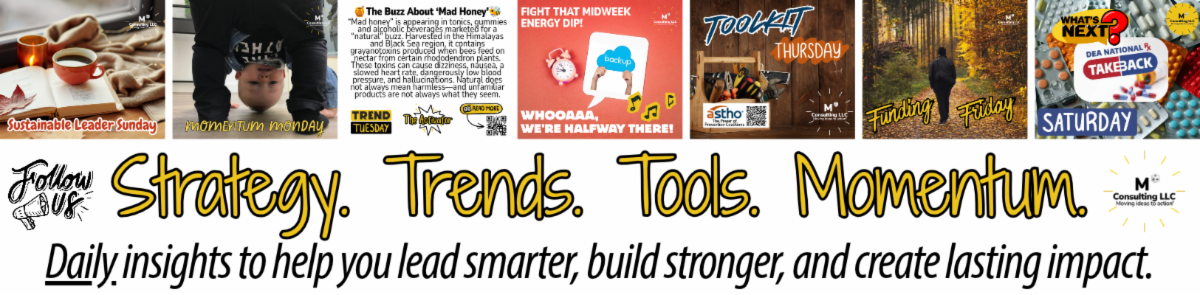
The Activator may hit your inbox on Fridays, but the prevention conversation keeps going all week! 📱 Follow along on Facebook and LinkedIn for Sustainable Leader Sunday, Momentum Monday, Trend Tuesday, Woah, We’re Halfway There Wednesday, Toolbox Thursday, Funding Friday, and Strategy Saturday—bringing you emerging trends, practical tools, funding opportunities, leadership and sustainability ideas, and a little fun along the way.
Don’t just scroll by—like, comment, share, and add your voice to the conversation!💬
| | | | |