click
here: or on picture
Wines with a History.
Wines with a Future.
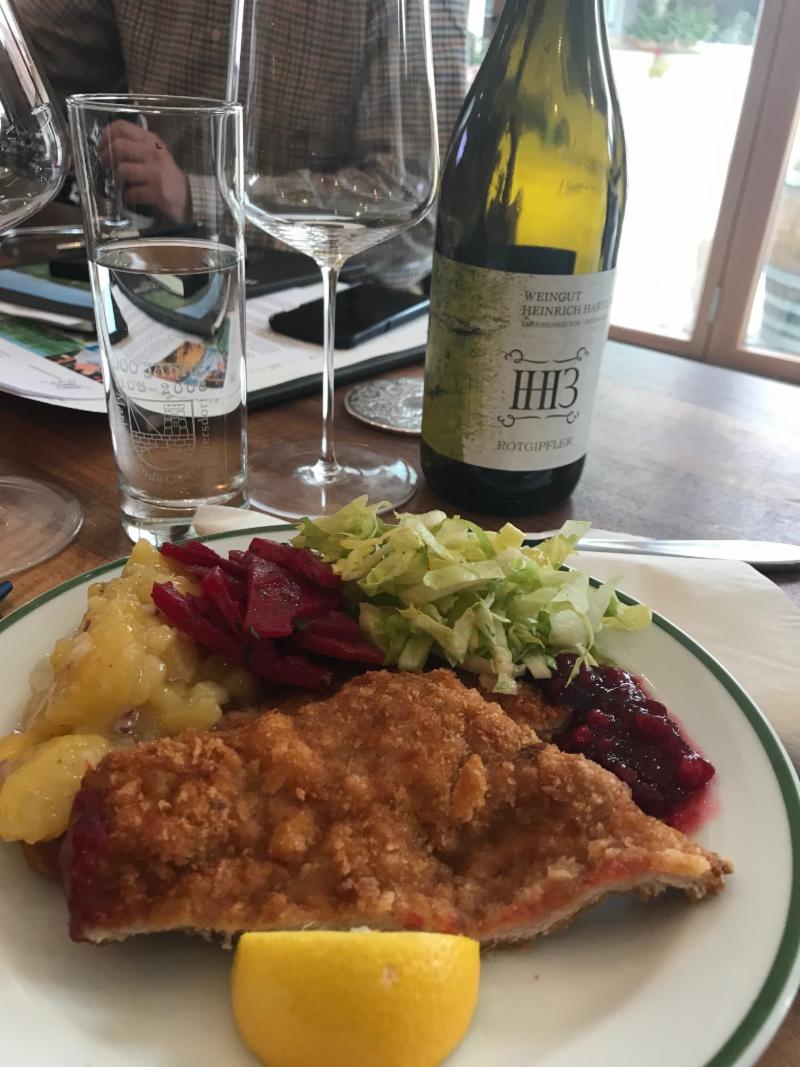
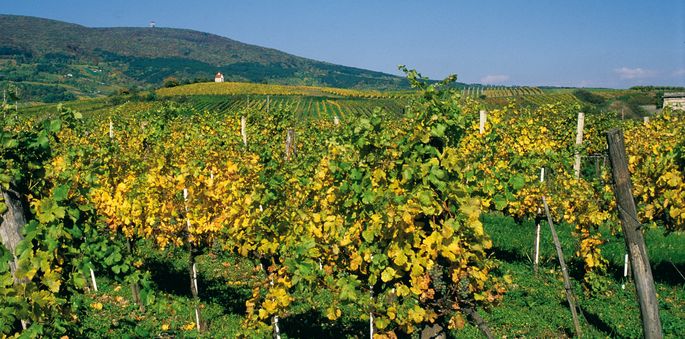
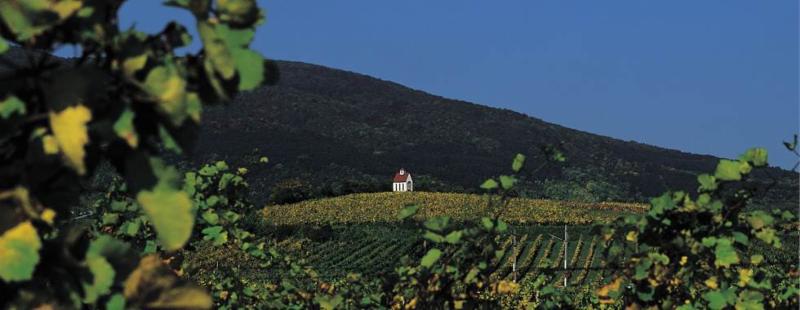
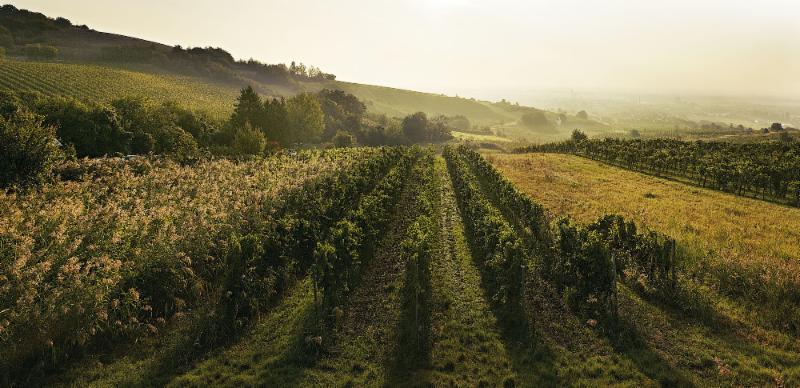
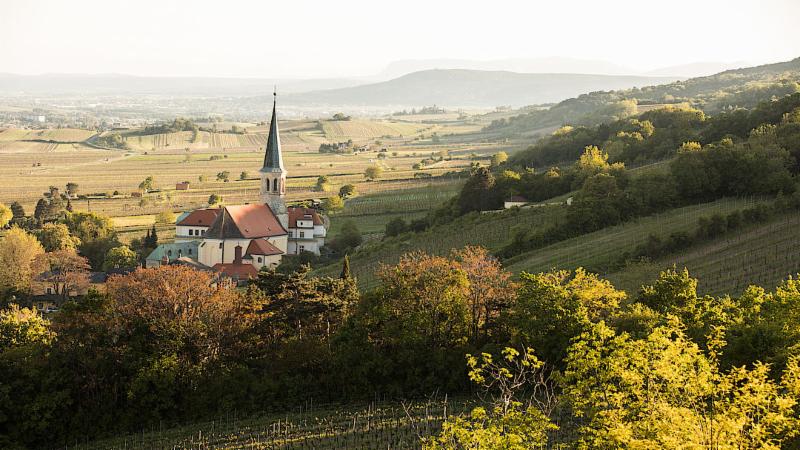
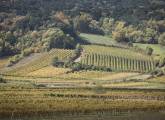
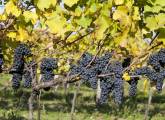
Driving south from Vienna one arrives at the Thermenregion. It’s a distinctive wine region that includes, among other places, the towns of Gumpoldskirchen and Bad Voeslau. It is perched on the edge of the Vienna Woods. The autochthonous Zierfandler (also known as “Spätrot”, i.e. “late red”) and Rotgipfler are at home in the northern parts of the Thermenregion; Pinot Noir and St. Laurent are mainly in the south. Along with seven other specific regions, the Thermenregion belongs to the wine region of Lower Austria.
In terms of landscape, geology and climate, the Thermenregion is
comparable with Burgundy.
The similarities extend further: in both regions winemaking
was promoted throughout the Middle Ages by religious orders of monks. Discoveries from Roman and even Celtic periods reveal, however, that the region’s winemaking history extends back at least two millennia. The Thermenregion: Extraordinary wines from autochthonous varietals.
Climate:
The grapevines in the Thermenregion benefit from the Pannonian climate influence , with hot summers, dry autumns and cold winters, and 1,800 hours of sunshine a year. The permanent movement of air between the Great Plain to the east and the Anningers ridge causes the grapes to dry quickly after dew and rain in autumn. In addition, the vineyards are protected by wind and rain due to geological surveys.
Geology & Soils:
A geological fault line as the home of sensitive grape varieties Geologically speaking, the thermal region has a special status in Austrian viticulture. It is located on a so-called geological fault line - a fracture system at the demolition of the Northern Limestone Alps to the Vienna Basin.
Most vines are planted on deposits of the transgressing Paratethys and Lake Pannon within the Vienna Basin or on glacial river gravels in the plains of Steinfeld.
At the margin of the basin sands, gravels, sandstones, conglomerates and breccias are predominant. These are composed of rock material from the Calcareous Alps and flysch rocks and were transported by rivers from the uplifting Alps. Famous fossil sites are recognized within the sediments, such as the Gainfarn Sands, which contain molluscs, gastropods and corals and even a complete, about 14 million year old, sea-cow skeleton. In the basin the vineyards are often located upon fine-grained clays, marls, talus or colluvium, where loamy soils with high lime content often develop.
History:
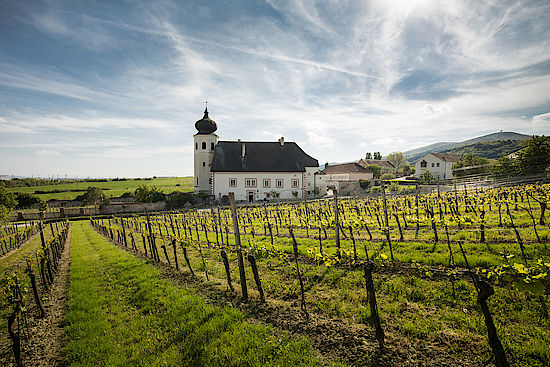
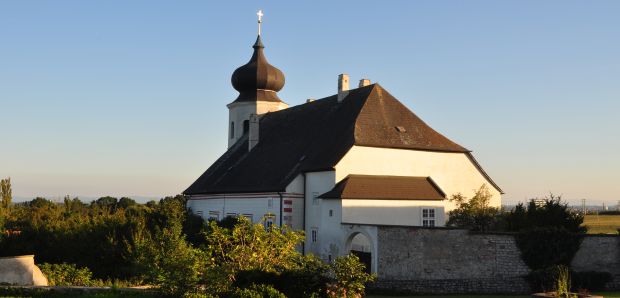
Cistercian monks brought Pinot Noir from Burgundy, establishing a winery at Freigut Thallern in Gumpoldskirchen
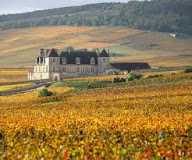
in 1141. The Monasterial Winery Heiligenkreuz-Freigut Thallern is one of the oldest and most traditional wineries in Austria. It was donated to the Cistercians in the 12th century, and has been run by the Order without interruption since October 18th 1141. As far as construction and style is concerned the Cisterian Brothers took inspiration from the today world-wide known winery Clos de Vougeot at the Côte d'Or (Burgundy) which also belongs to the mother monastery of Heiligenkreuz.
Stylistically, Pinot Noir in the Thermenergion has a higher pH in comparison to Burgundy, with intense strawberry and raspberry fruit, and softer tannins.” Vinification is largely traditional, with open vats, punching down over two to three weeks and malolactic fermentation in small oak barrels.