|
Tips on choosing your “Carbohydrate Foods” portion of the plate:
Go whole instead of refined: Whole grains keep their fiber, vitamins, and minerals. Refined grains have a lot of that stripped away, which is part of why they hit your blood sugar faster. Try to make at least half your grains whole.
Peek at the ingredient list: Look for the word "whole" right at the start, like "whole wheat" or "whole oats," instead of just "wheat flour."
Pick grains closer to their natural form: A bowl of oats or brown rice digests more slowly than bread made from finely ground whole grain flour. The more processed and finely ground a grain is, the faster your body breaks it down.
Choose starchy veggies with their skin on: A baked potato with the skin on, or a roasted sweet potato, holds on to more fiber than a peeled or mashed version.
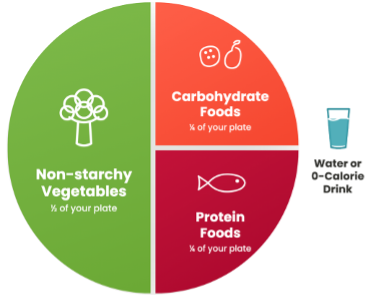
Non-Starchy Veggies(1/2 of your plate)
Broccoli, Cauliflower, Carrots, Celery, Leafy Greens, Peppers, Green Beans, Cabbage, Mushrooms, Asparagus
Protein(1/4 of your plate)
Chicken, Turkey, Eggs, Fish, Shellfish, Beef, Pork, Tofu and Tempeh, Milk, Yogurt, Cheese, Beans, Legumes
Carbs (Starch/Grains) (1/4 of your plate)
Rice, Quinoa, Oats, Whole wheat bread/pasta/tortillas, Potatoes/Sweet Potatoes, Corn, Squash, Plantain,Milk,Yogurt, Cheese, Beans and Legunes
Note: Beans and legumes (like black beans, chickpeas, and lentils) are a bit unique; they count as both a protein food and a carb food, since they contain a good amount of both. If you use beans as your protein choice, keep in mind they'll also count toward your carb total for that meal.
Similarly, dairy has some protein in it as well. It often counts as a protein option too.
The Buddy System: Blood Sugar Friendly Pairings
Sometimes it can be hard to look at portions on a plate. So here’s another method to make sure your meals and snacks are balanced.
By now, you know that carbs do best with a buddy. On their own, carbs can be digested quickly and cause a rapid spike in blood sugar. But fat, protein, and fiber all slow down digestion. When you pair them with a carb, the sugar releases into your bloodstream more gradually instead of all at once. That gentler release helps you avoid the spike and the energy crash that can follow.
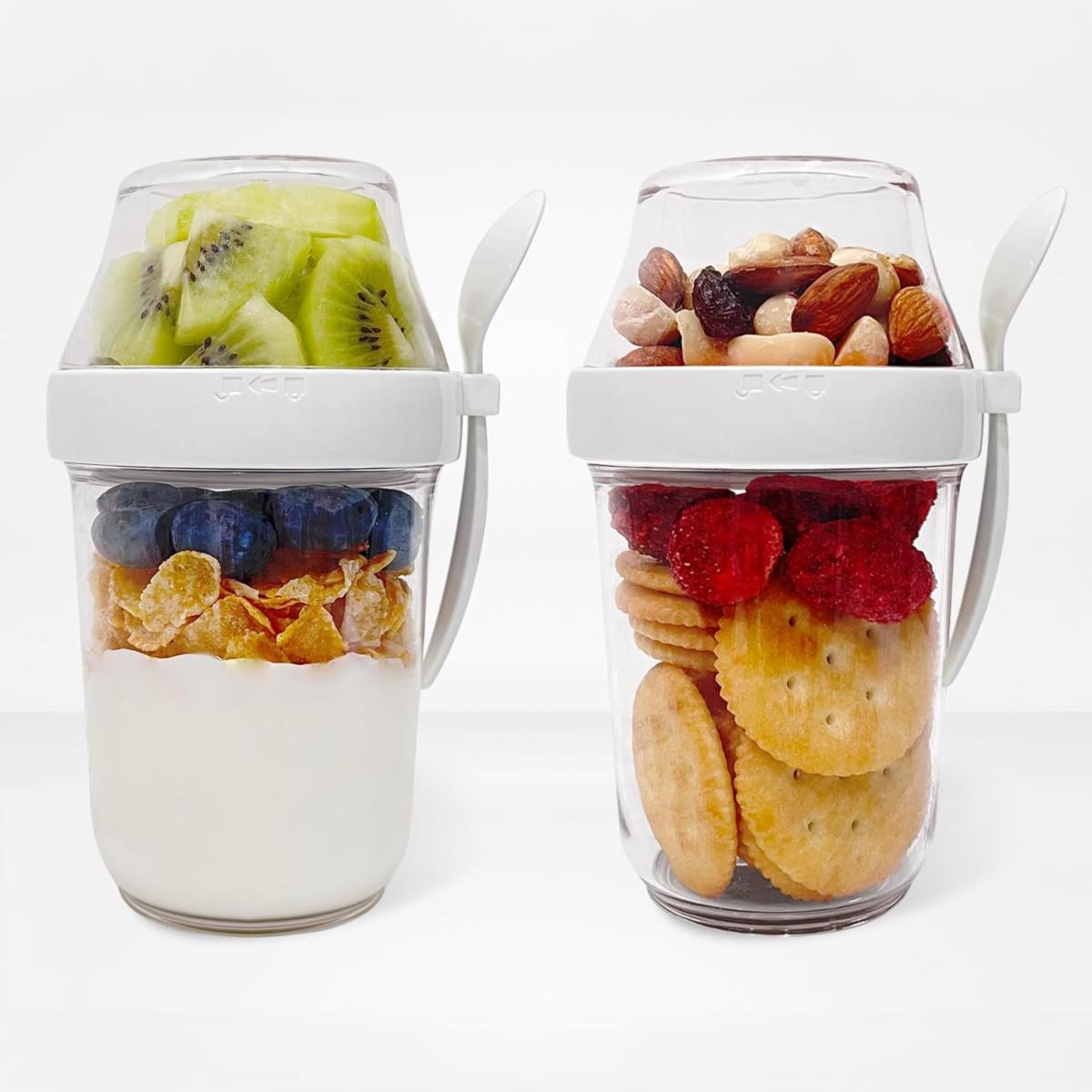
The Buddy System = Carb + Fat/Protein (bonus points if the carb is high in fiber!)
Here’s what the buddy system can look like on your plate:
Apple and Nut Butter
Carb+Fiber: Apple
Protein +Fat: Peanut Butter
Yogurt Bowl
Carb+Fiber: Berries
Protein: Greek Yogurt
Fat: Almonds
Toast
Carb+Fiber: Whole Grain Bread
Protein: Egg
Fat: Avocado
Daily Strategies to Support Balanced Blood Sugar
(Select two strategies to try this week)
· Use the Balanced Blood Sugar Plate Method: fill a 9-inch plate with 1/2 veggies, 1/4 protein, and 1/4 quality carbs.
· Use the Buddy System: Pair carbs with protein and/or fat. Avoid eating carbs on their own to soften the blood sugar spike.
· Swap fruit juice for whole fruit: fruit juice has been stripped of fiber. Eating the whole fruit (with a buddy) will help keep your blood sugar balanced.
· Choose whole, high-fiber carbs: Swap white rice or bread for brown rice, quinoa, or whole grains.
Limit added sugars: Cut back on sugary drinks, desserts, and candy.
· Move after meals: A 10–15-minute walk helps your muscles use up blood sugar.
· Don't skip meals: Long gaps between meals can lead to overeating carbs later.
· Eat around the plate: Try eating your vegetables and protein before your carbs. This can help lower the blood sugar spike from the meal.
Skipping meals, especially breakfast, can throw off your blood sugar later in the day and lead to bigger spikes when you finally do eat.
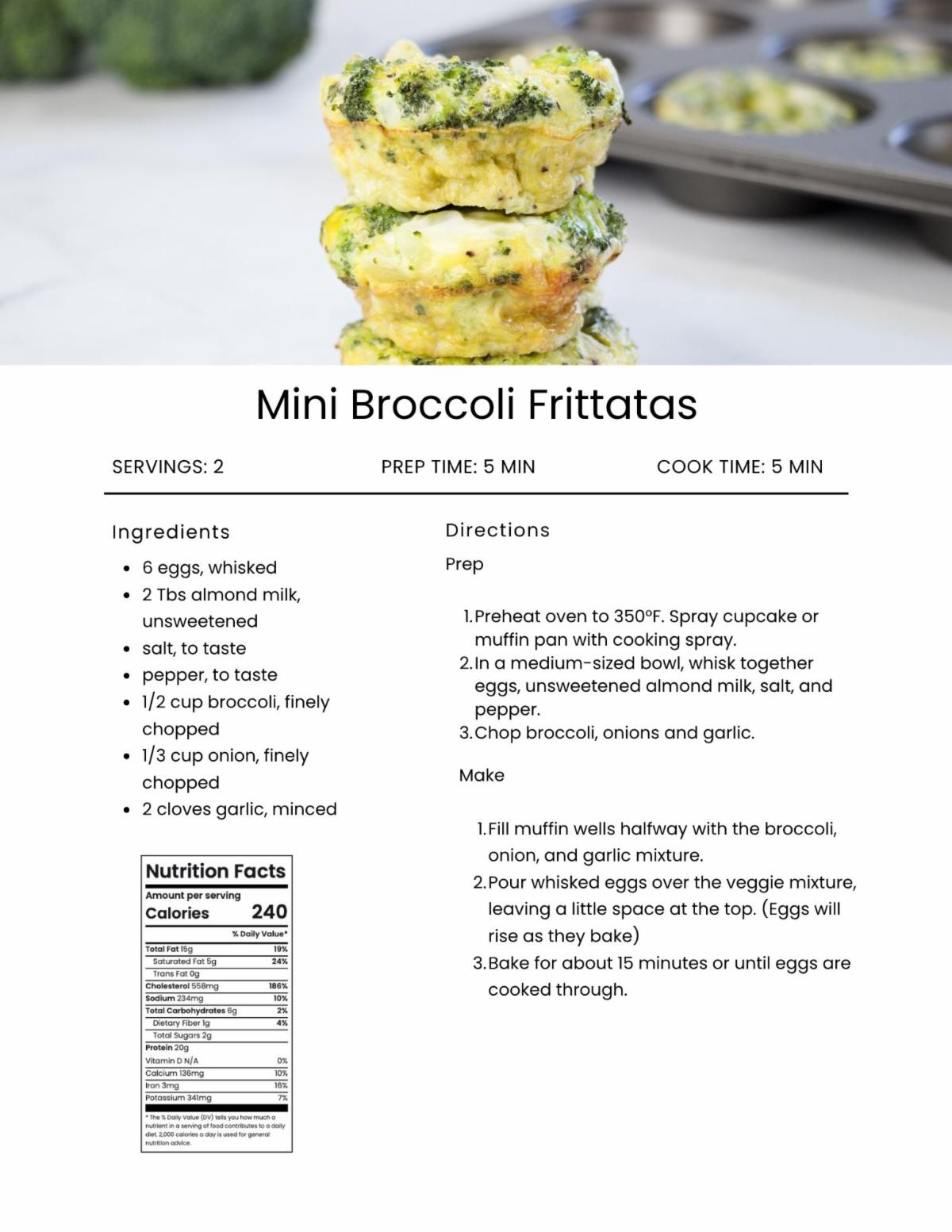
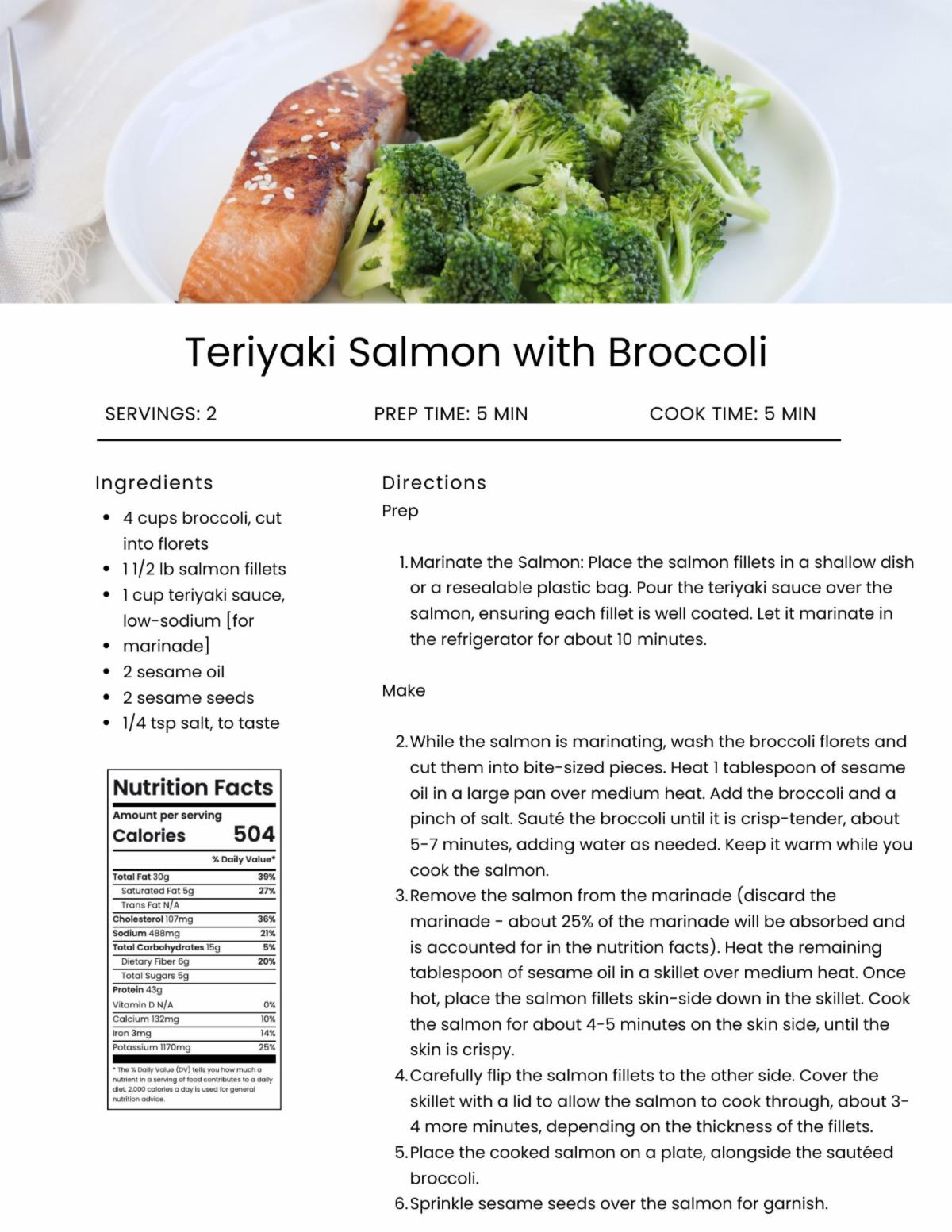
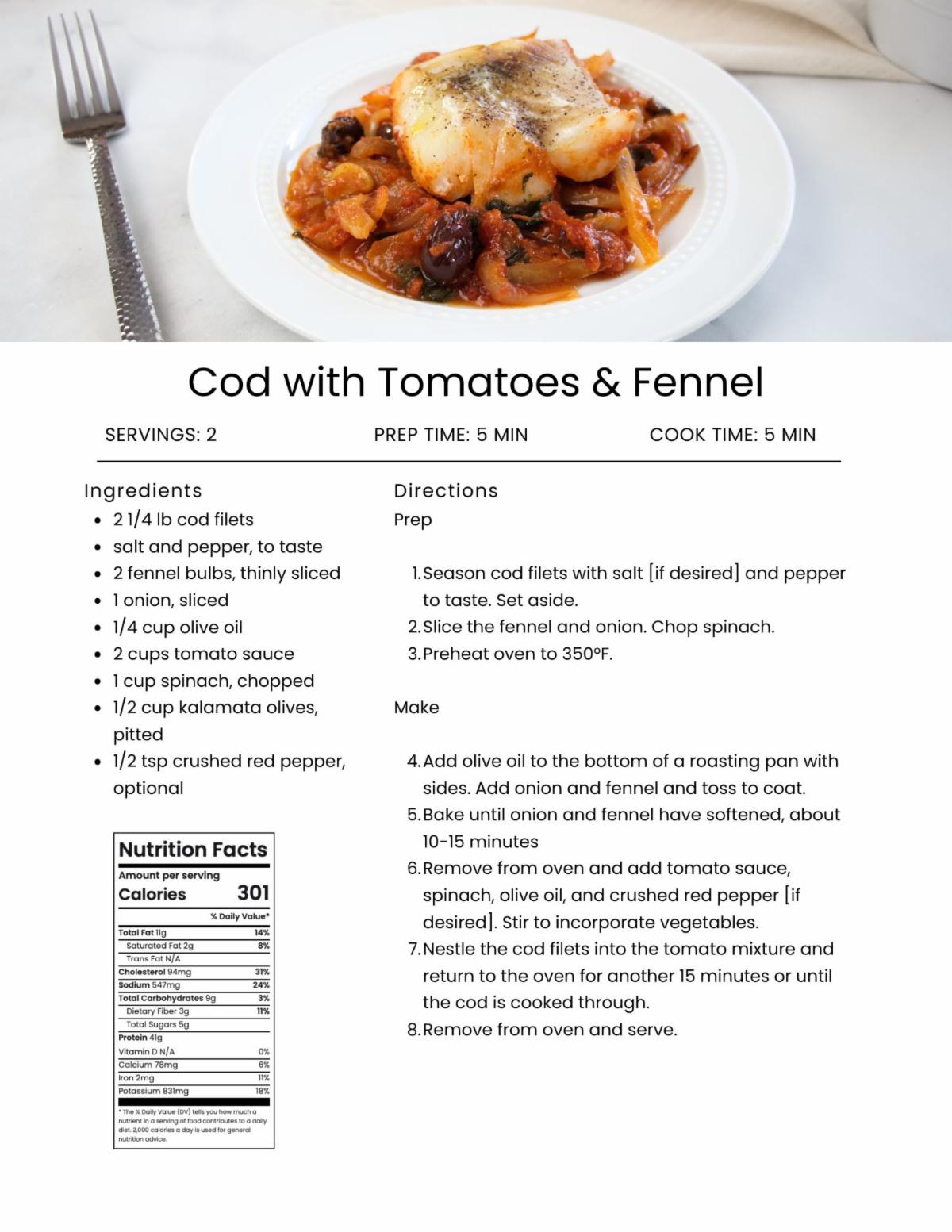
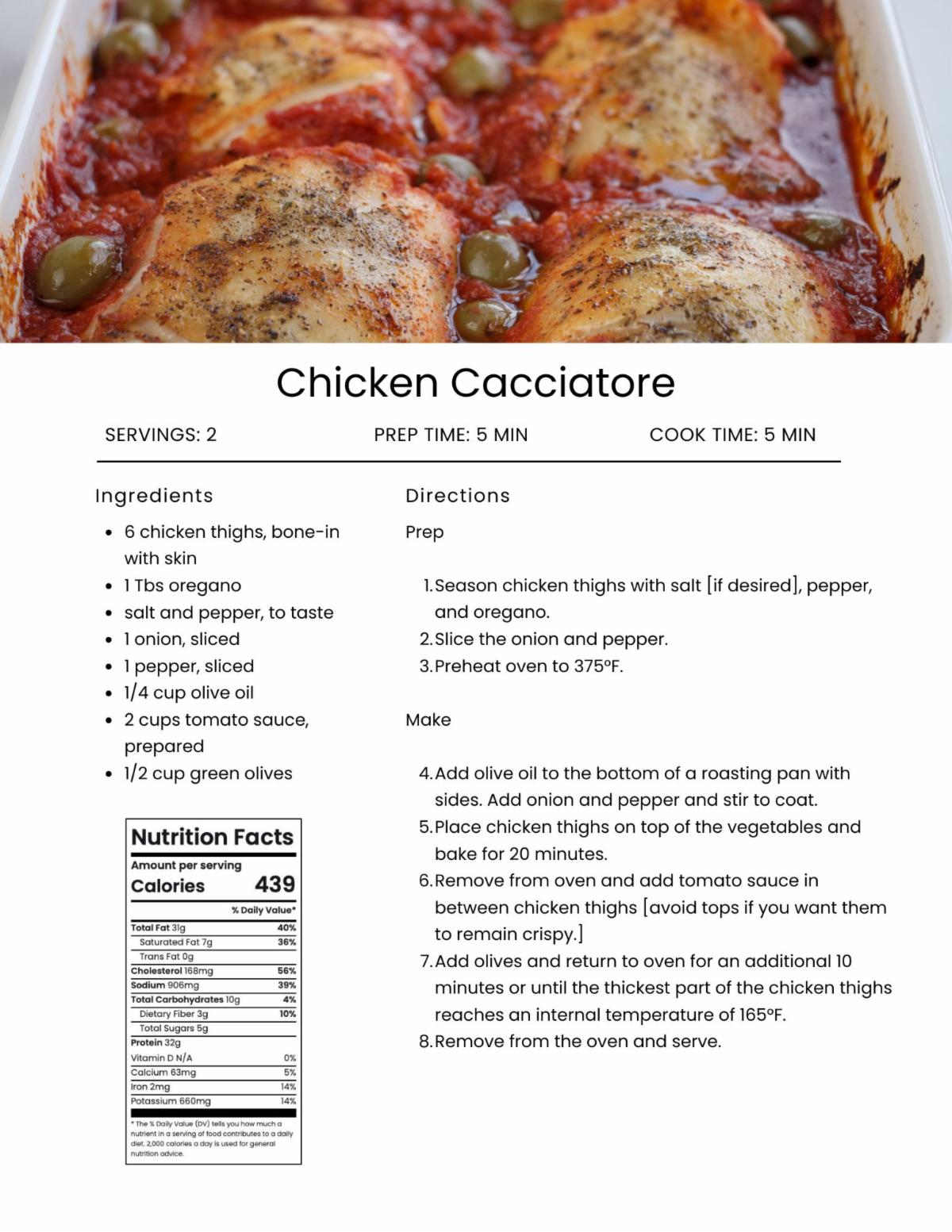
Put the buddy system into practice with the delicious recipe below!
|