Please join us in celebrating and reflecting on several powerful weeks of action and events with many allies, and here at the Women's Earth and Climate Action Network (WECAN) International.
From holding corporations, financial institutions, and governments accountable, to standing on the frontlines for our communities and planet, women leaders and communities continue to rise for the protection of water, forests, the global climate, Indigenous and human rights, and our planet.
Please continue on in this newsletter to learn more about our recent campaigns, projects and upcoming events!
|
|
Reportback from the Frontlines
Mobilizing to Stop Line 3
|
|
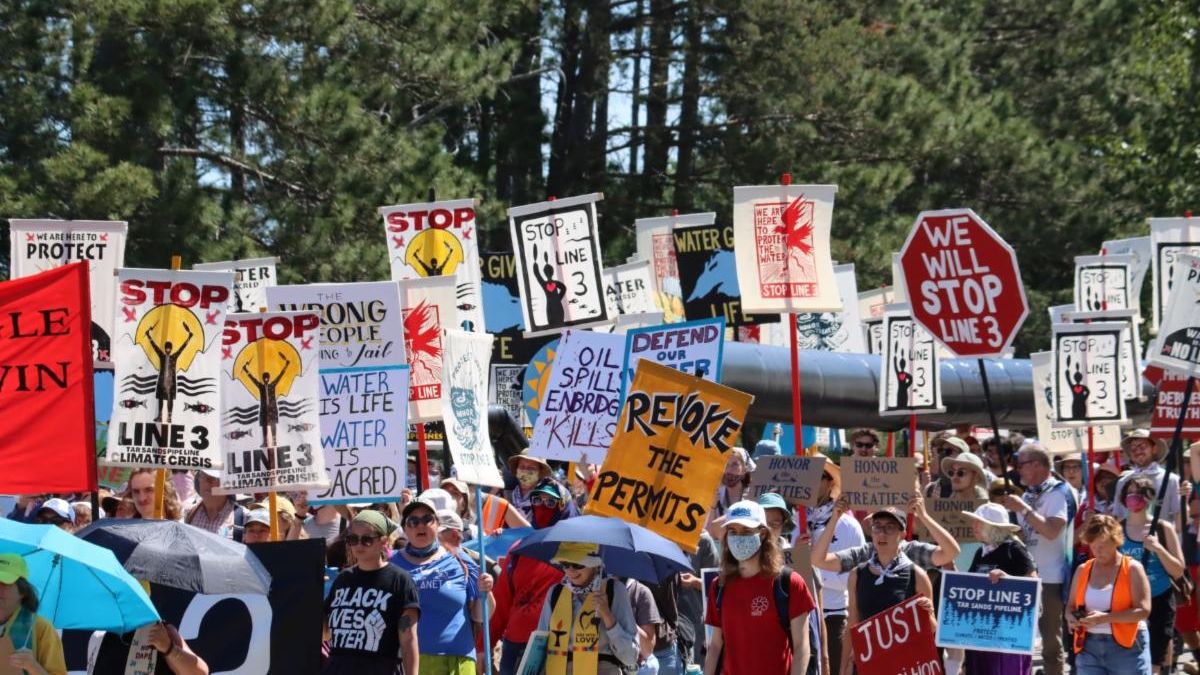
Over 2,000 people take action as part of the Treaty People Gathering, shutting down a road near an area where Enbridge is planning to drill under the Mississippi River, in northern Minnesota, June 7, 2021.
Photo Credit: Katherine Quaid/WECAN International.
|
|
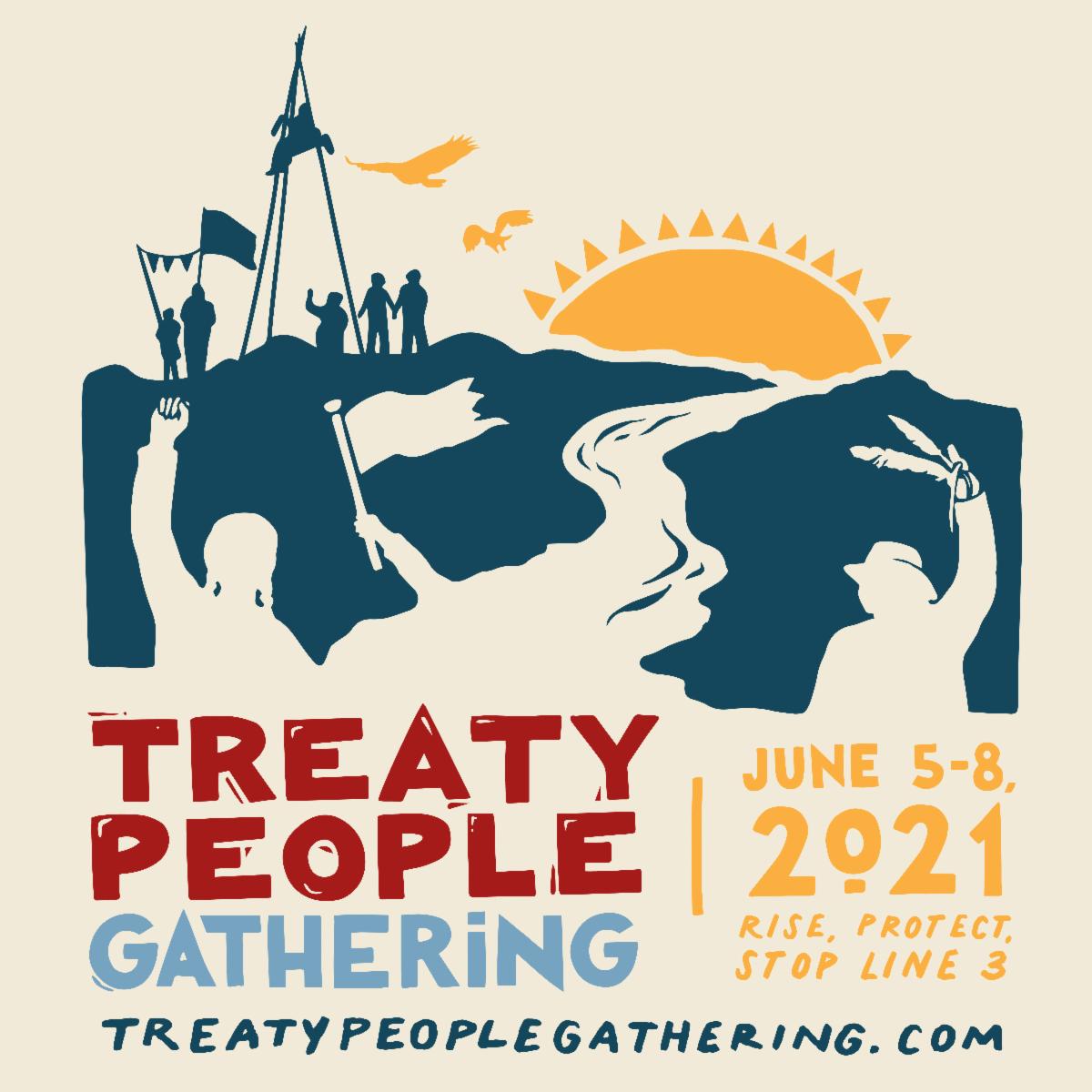
In solidarity with frontline Indigenous groups, the Women's Earth and Climate Action Network (WECAN) was on the ground this past weekend, June 5-9, in northern Minnesota to stop Line 3, and call on President Biden to halt construction of the pipeline and protect water and land while honoring Anishinaabe treaties.
Line 3 is currently being constructed in Minnesota on Indigenous lands without consent from local tribes, public officials, and without full process on necessary permitting. It is set to run from the tar sands of Alberta, Canada, to the shores of Lake Superior, crossing more than 200 bodies of water and 800 wetlands. If built, the tar sands pipeline will release 193 million tons of greenhouse gas into the atmosphere every single year. That’s as much as the twelve largest power plants in the United States combined.
|
|
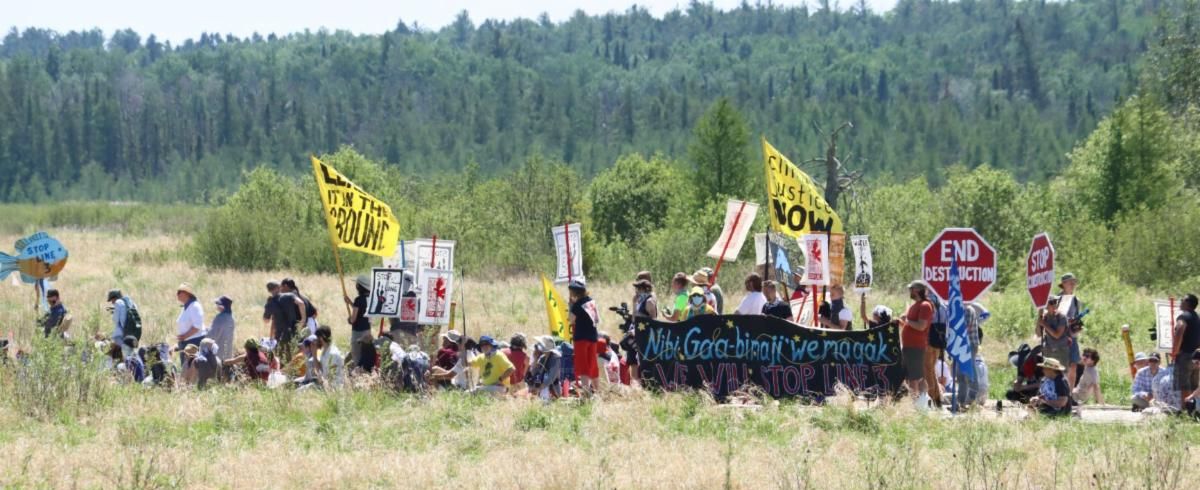
One of the many actions held during the Treaty People Gathering. Water Protectors hold space near the headwaters of the Mississippi River where Enbridge plans to drill under the river for the Line 3 pipeline project. Photo credit: Katherine Quaid/WECAN International. |
|
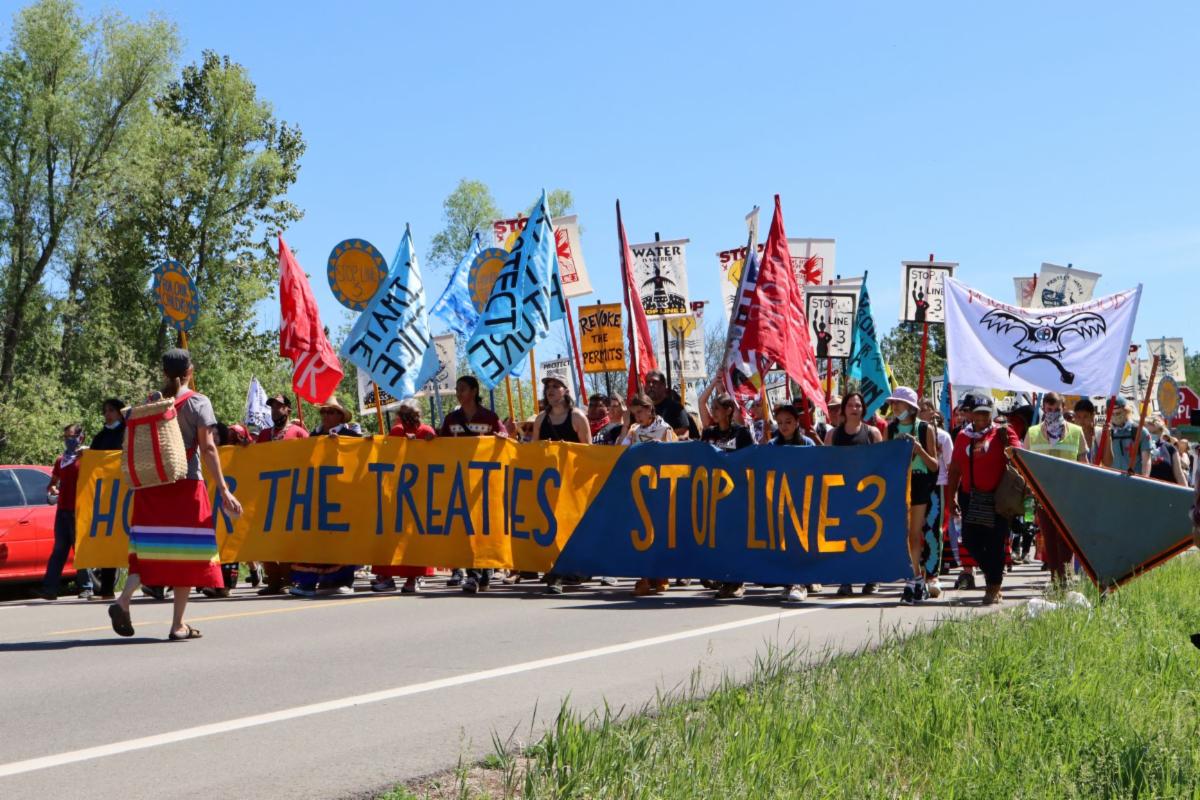
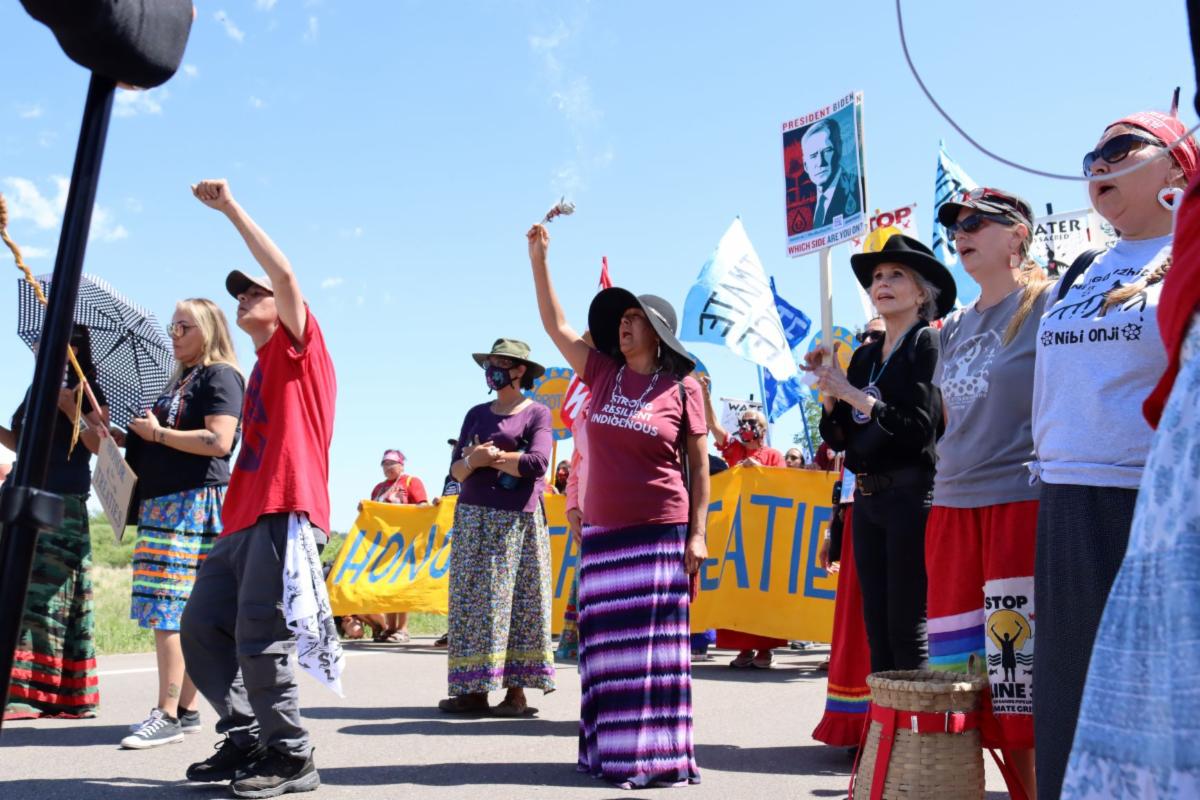
Nonviolent actions took place along the Line 3 route as part of the Treaty People Gathering, a mass mobilization of more than 2,000 people organized by Indigenous-led groups, communities of faith, and climate justice organizations. Water Protectors took action at several sites along the pipeline in the largest act of civil disobedience yet to stop Line 3.
Over 150 Water Protectors were arrested after shutting down an active Line 3 pump station. At one point, the Department of Homeland Security attempted to intimidate Water Protectors, with helicopters flying low over head and kicking up dust. Minnesota is one of many states passing even more severe penalties aimed at pipeline protesters.
Line 3 not only threatens local ecosystems and wildlife but also puts Indigenous and local communities at higher risk of environmental pollution, oil spills, and physical and sexual violence. It is well documented that 'man camps' (temporary housing units for pipeline workers) set up along the pipeline route, are directly linked with increased rates of drug use, sex trafficking and missing and murdered Indigenous women and girls. Already this year, two Line 3 pipeline workers in Itasca County, Minn., were arrested and charged with human trafficking, and specifically, solicitation of a minor. |
|
Indigenous women lead over 2,000 Water Protectors during a march as part of the Treaty People Gathering in northern Minnesota, June 7, 2021.
Photo credit: Katherine Quaid/WECAN International
|
|
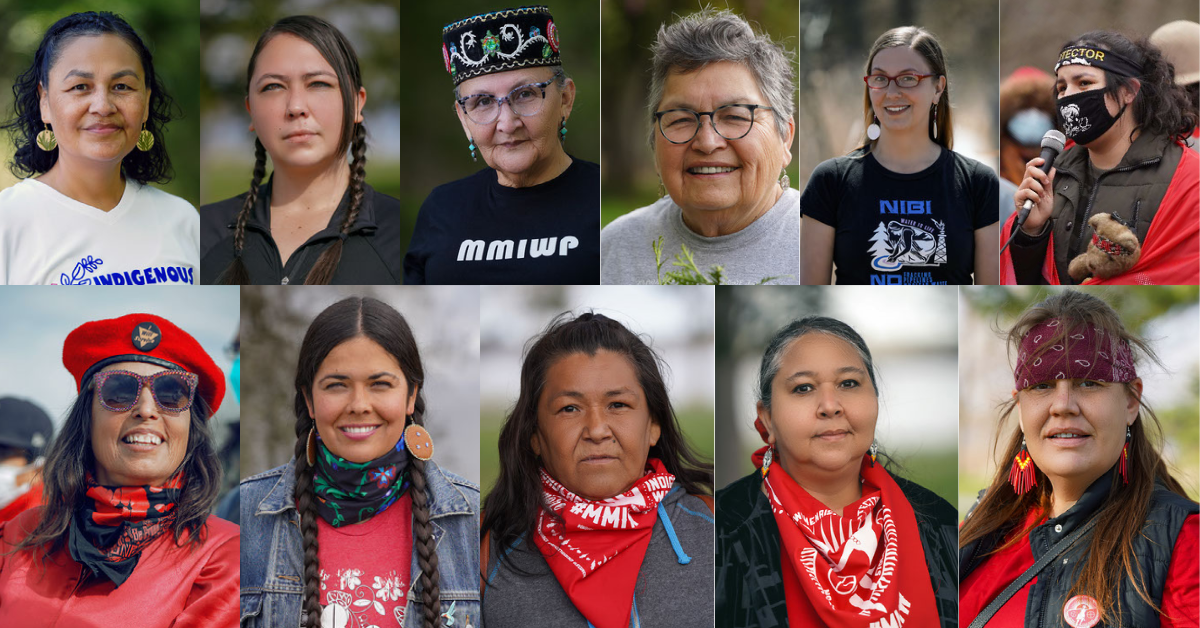
In a recent article by WECAN published in Ms. Magazine, we highlight 11 remarkable Indigenous women leaders who are the backbone of the frontlines, fighting to stop Line 3 and protect their communities and homelands. Please read the article at the button below. |
|
Women leaders featured in WECAN's Ms. Magazine article, "Indigenous Women Lead the Movement to Stop Line 3 Pipeline: “This is Everything We Have”. Photos and statements were collected by Ne-Dah-Ness Greene, Greene Photography (Leech Lake Nation), on behalf of the Women’s Earth and Climate Action Network (WECAN). |
|
Prior to the Treaty People Gathering, WECAN initiated a letter to President Biden, signed by over 300 groups, urging him to take Presidential Action to halt the pipeline. To stay under 1.5C global warming, Line 3 and all tar sands pipelines must be stopped. The Biden-Harris Administration has the ability to intervene and halt Line 3 before irreversible harm comes to local Indigenous communities, precious ecosystems, and our global climate. Please be welcome to sign the petition below and continue calling for President Biden to take action! |
|
|
This is only the beginning of ongoing summer action to stop Line 3 - Frontline leaders and allies remain on the ground. Please follow, donate, and get involved at the links below:
|
|
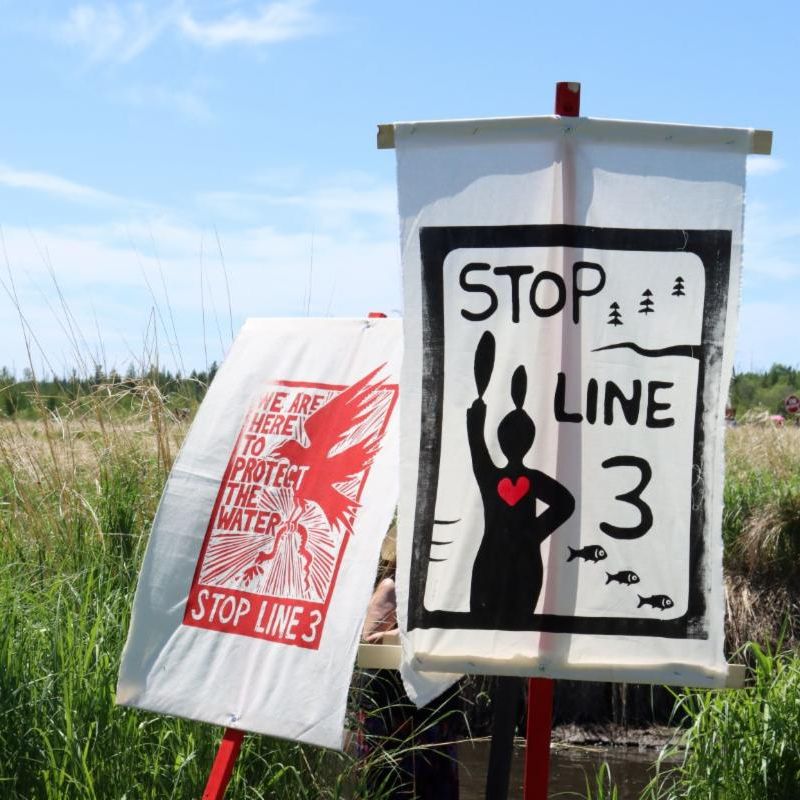
Stop Line 3 banners alongside the Mississippi River. The banners were created for the Treaty People Gathering in northern Minnesota, June 7, 2021. Photo credit: Katherine Quaid/WECAN International. |
|
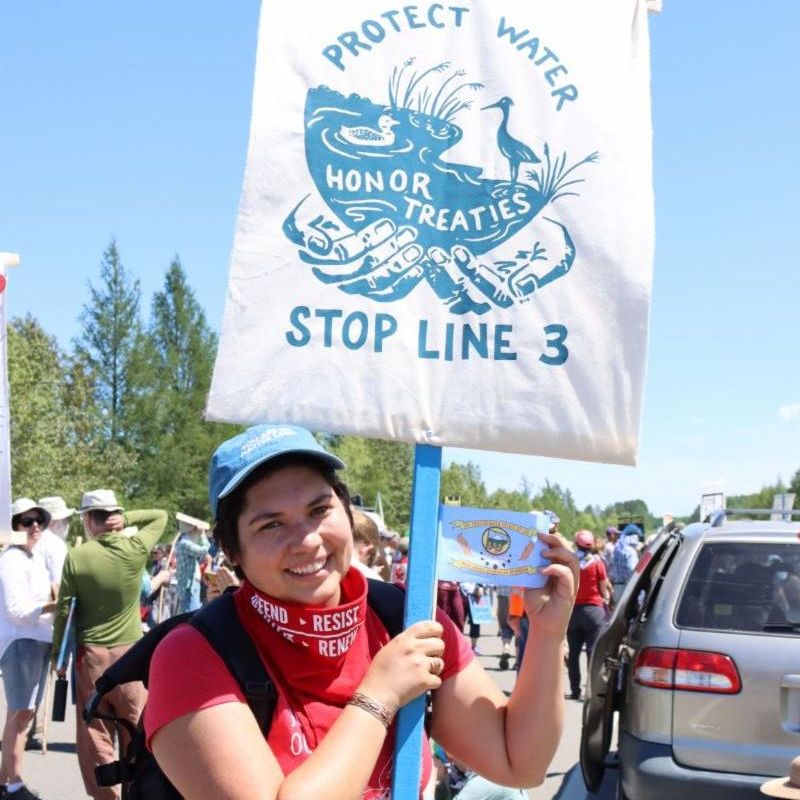
Katherine Quaid (Cayuse/Nez Perce/Paiute), WECAN Communications Coordinator, at a Treaty People Gathering action, June 7, 2021. Photo Credit: WECAN International. |
|
Global Women's Assembly for Climate Justice
September 25 - 30, 2021
|
|
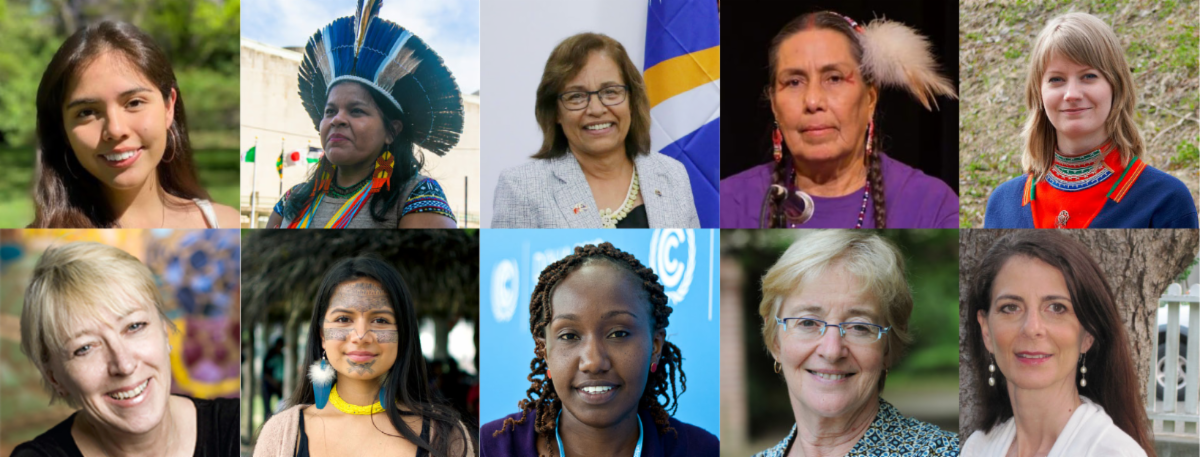
Members of the Steering Committee to date for the WECAN Global Women's Assembly for Climate Justice. From top left, clockwise: Xiye Bastida, Sônia Guajajara, Dr. Hilda Heine, Casey Camp-Horinek, Josefina Skerk, Osprey Orielle Lake, Maude Barlow, Ruth Nyambura, Helena Gualinga, and Jody Williams. |
|
In the context of diverse peoples' movements continuing to organize and rise-up in advance of the UN Climate Talks in Glasgow and other international gatherings over the next critical years, the Women’s Earth and Climate Action Network (WECAN) International is organizing the ‘Women’s Assembly for Climate Justice: Solutions from the Frontlines and the Protection and Defense of Human Rights and Nature’, a free, public forum to take place virtually in September 2021 in parallel to the UN General Assembly.
During the Women’s Assembly for Climate Justice, grassroots, Indigenous, Black, Brown, and frontline women leaders, global advocates, and policy-makers will join together in solidarity to speak out against environmental and social injustice, draw attention to root causes of multiple interlocking crises, and present the diverse array of visions, projects, policy frameworks and strategies with which they are working to shape a healthy and equitable world. The Assembly is an inclusive space across identities and the gender spectrum.
The climate crisis, Covid-19 pandemic, and socio-ecological injustices have emerged from interconnected systems of capitalism, racism, the commodification of nature, colonialism, imperialism, and patriarchy. To confront these deepening crises and accelerate a path forward, we need to have collective coherence to address the protection and defense of human rights and nature, and uphold community-led solutions.
Guiding the Assembly is a growing Steering Committee including: Honorable Dr. Hilda Heine, former President of the Marshall Islands; Casey Camp-Horinek (Ponca Nation), Environmental Ambassador and WECAN Board Member; Ruth Nyambura, African Ecofeminists Collective; Sônia Bone Guajajara (Guajajara), Brazilian Indigenous leader, and Executive Coordinator for the Articulation of Indigenous Peoples of Brazil (APIB); Helena Siren Gualinga (Kichwa), youth social and climate activist; Xiye Bastida (Otomi–Toltec), climate activist, Fridays for Future NYC; Josefina Skerk (Sami), former Vice President of the Sami Parliament in Sweden; Maude Barlow, former Chairperson of the Council of Canadians; Jody Williams, Nobel Laureate; and Osprey Orielle Lake, WECAN Executive Director.
Learn more about the Assembly and Steering Committee members to date at the button below.
|
|
BIG VICTORY!
The Biden Administration Announces Plans to Review Roadless Rule Exemption in Alaska's Tongass National Forest
|
|
"The Tongass is home to countless animals and plants, we call family, and it is necessary to protect this home for our children and grandchildren. The Biden Administration can make that happen, starting right now with restoring Roadless Rule protections, and ending logging in old-growth forests. Our future generations are counting on us."
Mamie Williams (Tlingit) WECAN Tongass Representative
On Friday June 11, the Biden-Harris Administration announced plans to review the Roadless Rule Exemption in the Tongass National Forest in Alaska! In response to the announcement, WECAN issued a press release with statements from WECAN Indigenous Women Tongass Representatives and Executive Director, please read more here! |
|
This is a welcome and much needed first-step to address the disastrous environmental rollbacks of the Trump administration. Since 2016, WECAN has been advocating for the Tongass, coordinating three Indigenous Women's Tongass Delegations to Washington D.C., and organizing many advocacy events and actions— we will never stop fighting for the full protection of the Tongass and Indigenous rights!
The Tongass exists within the traditional territories of the Tlingit, Haida and Tsimshian peoples, and is responsible for holding more than 40% of all carbon stored by U.S. national forests. If the Tongass is left open to further industrial-scale logging and roadbuilding, it will further climate chaos and disrupt the traditional lifeways, medicine, and food systems of the region's Indigenous communities, violating Indigenous sovereignty and endangering cultural survival.
With Alaska experiencing record breaking weather, maintaining an intact Tongass ecosystem is a critical solution for the U.S. and international climate efforts. Forests are critical for stabilizing the climate, sequestering carbon, providing refuge for unique bio-diverse ecosystems, and meeting the goals of the Paris Climate Agreement. WECAN will continue to monitor the announcement and implementation very closely.
|
|
Fossil Fuel Resistance and Divestment Wins |
|
The past several months have seen a spark of engagement in the global divestment movement! At the end of May, the International Energy Agency (IEA), the world's leading energy advisor, released a report calling for an end to all new fossil fuel extraction. While there are serious gaps in the IEA report that must be addressed, the report has helped shift the ground in a productive manner for the divestment movement in various arenas.
The IEA report comes at a time when governments, fossil fuel companies, and financial institutions alike are feeling the heat as activists and advocates continue to push for rapid decline off fossil fuels, and accountability and justice for harms due to extraction and pollution.
Keystone XL is Dead — Huge Win!
Just this week TC Energy announced it is abandoning the Keystone XL pipeline for good. For over a decade Indigenous leadership led a national and global movement to stop Keystone XL and keep fossil fuels in the ground. This vital turning point is a testament to people power advocating ceaselessly to achieve a major victory.
We are honored to have worked on this campaign for ten years with so many incredible movement leaders and organizations, particularly so many remarkable Indigenous women leaders, and we send our huge appreciation to all!
|
|
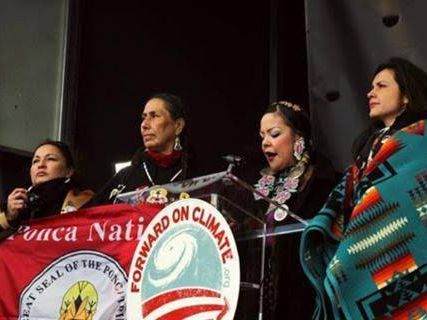
Indigenous women leaders speak out at an action in Washington D.C. to stop the Keystone XL pipeline. |
|
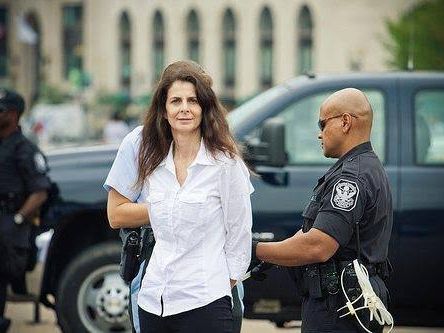
Osprey Orielle Lake, WECAN Executive Director, gets arrested during a No KXL action in Washington D.C. |
|
Fossil Fuel Resistance and Divestment Wins
Some other important wins in the past several weeks include:
- The international insurer Argo Group committed to cut ties with the existing Trans Mountain tar sands pipeline when its current insurance policy expires on August 31, 2021. The Canadian Energy Regulator (CER) also ruled that Trans Mountain must stop all tree clearing and grass mowing as it has not completed proper environmental review processes.
- On May 26th, a Dutch court ruled against Shell in a landmark case, ordering the company to cut emissions 45% by 2030, in line with the goals of the Paris Climate Agreement.
- In recent shareholder meetings for Exxon and Chevron, shareholders voted for more efforts to reduce emissions and prioritize clean energy.
- At the government level, the Biden Administration recently announced a proposed tax plan that would eliminate fossil fuel subsidies and incentivize clean energy.
These wins are marking the end of the fossil fuel era. While there is much more to be done, and big fights ahead, it is clear that the divestment movement and advocacy to stop fossil fuel development is growing and impacting the decisions of those that have historically perpetuated the fossil fuel industry. We celebrate the decades of activism, from the frontlines of fossil fuel extraction, to the board rooms and court rooms of corporations, financial institutions, and governments, that have led to these recent wins.
We continue moving forward knowing that together we will end the violence against our planet, while we uplift the action and leadership of frontline communities most deeply impacted by extraction and pollution. Below see a few more ways to get involved and learn more!
|
|
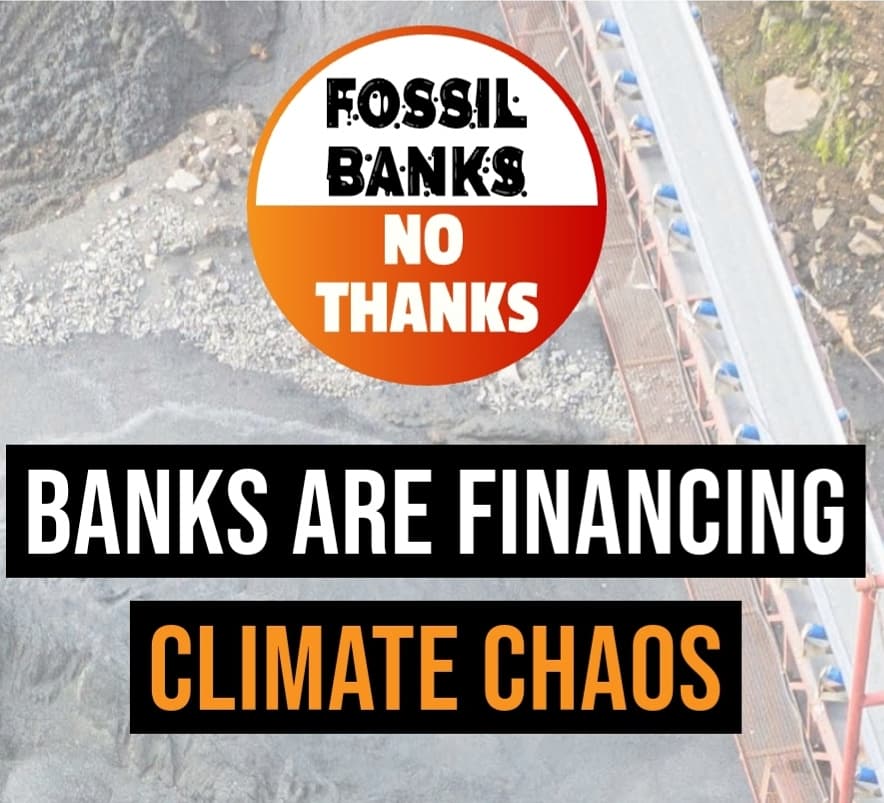
Explore the New Global Fossil Banks No Thanks Platform
In May, WECAN joined BankTrack and other groups from around the world in launching the new Fossil Banks No Thanks Platform! The platform aims to present the global resistance to bank financing for fossil fuels. It features a Global Call on Banks to stop financing the fossil fuel industry, which on the launch of the website is already supported by 50 organizations from 19 countries. Please take a look and learn more about the growing divestment movement via the website: www.fossilbanks.org
|
|
Listen to the People's Assembly on BlackRock with Global Leaders
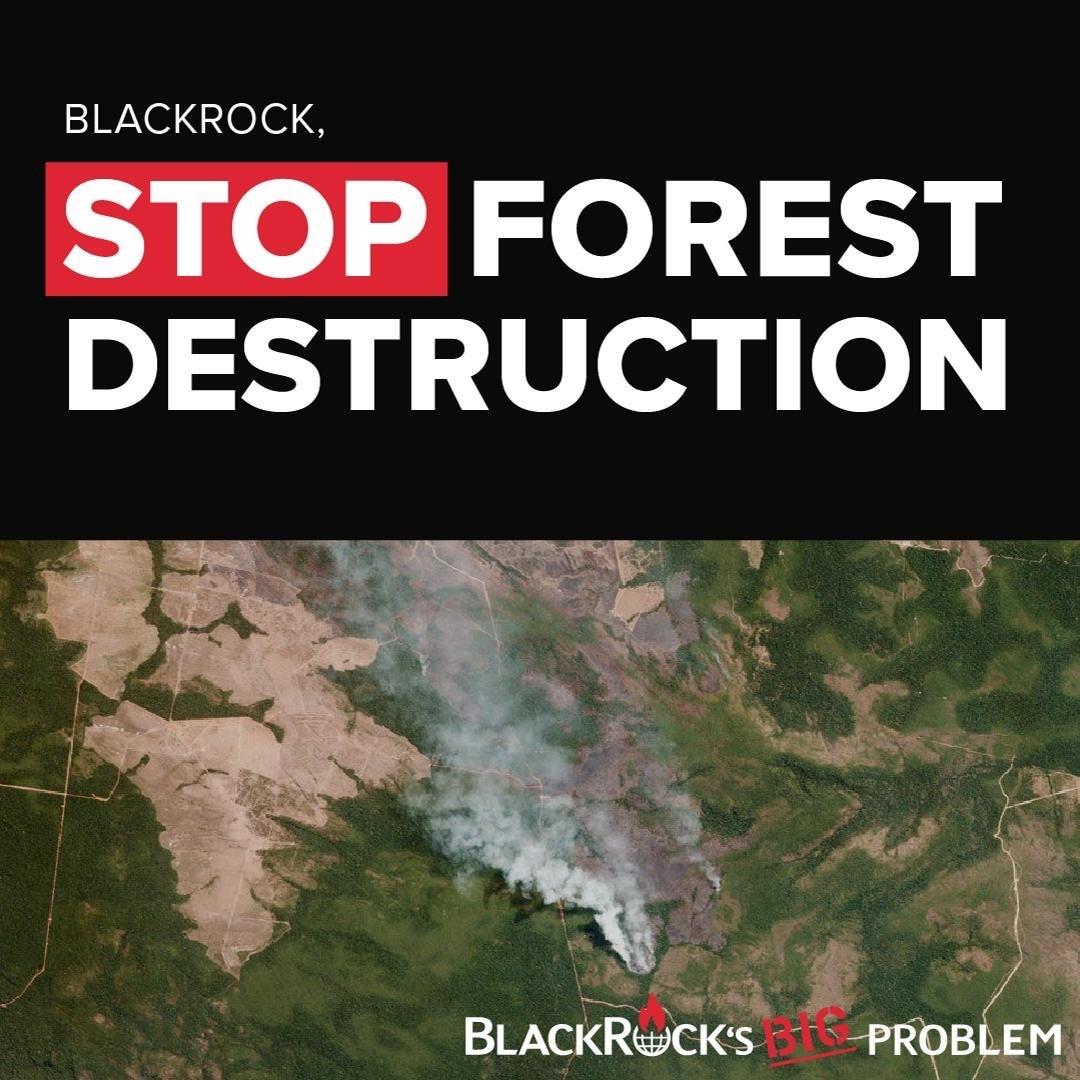
Right now, giant investors are wielding their outsized power at corporations that are directly responsible for increased carbon emissions, widespread environmental destruction, and gross human rights abuses against Indigenous Peoples and local communities around the world. BlackRock—the world’s largest management firm— has massive investments that drive both environmental destruction and human rights violations.
In May, organizers held the 2nd People's Assembly on BlackRock to ramp up pressure on the company to take meaningful climate action. Osprey Orielle Lake, WECAN Executive Director joined speakers that included international Indigenous leaders, elected officials, scientists, and frontline activists fighting fossil fuel projects and industrial agricultural plantations around the world. Watch the assembly here.
|
|
Help Stop Formosa Plastics
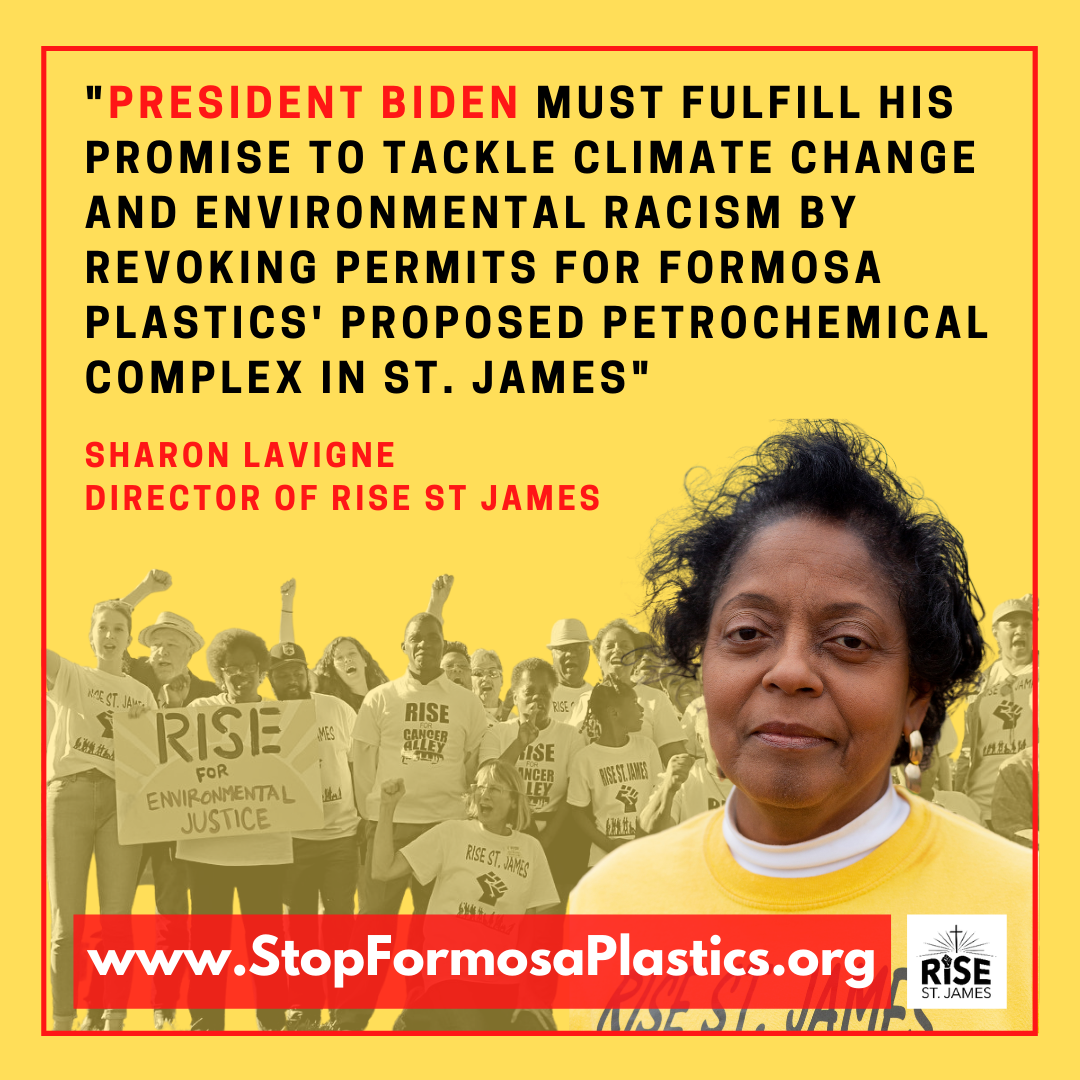
Formosa Plastics wants to build a massive petrochemical plant in St. James Parish, Louisiana. The Formosa plastics plant would pollute predominantly African American/Black communities, disturb unmarked burial sites of formerly enslaved people, degrade wetlands, and deepen the plastic pollution crisis.
It would also generate over 13 million tons of greenhouse gases, fueling the climate crisis. Tell President Biden to protect local communities from toxic air and water pollution and revoke Formosa’s permits today. Take action now: bit.ly/BidenStopFormosaPlastics
Black, Indigenous, Latinx women are on the frontlines of extraction and pollution in St. James Parish and across North America. WECAN's recent report spotlights the negative gendered and racial impacts of the fossil fuel industry. Learn more: http://bit.ly/2021WECANreport
|
|
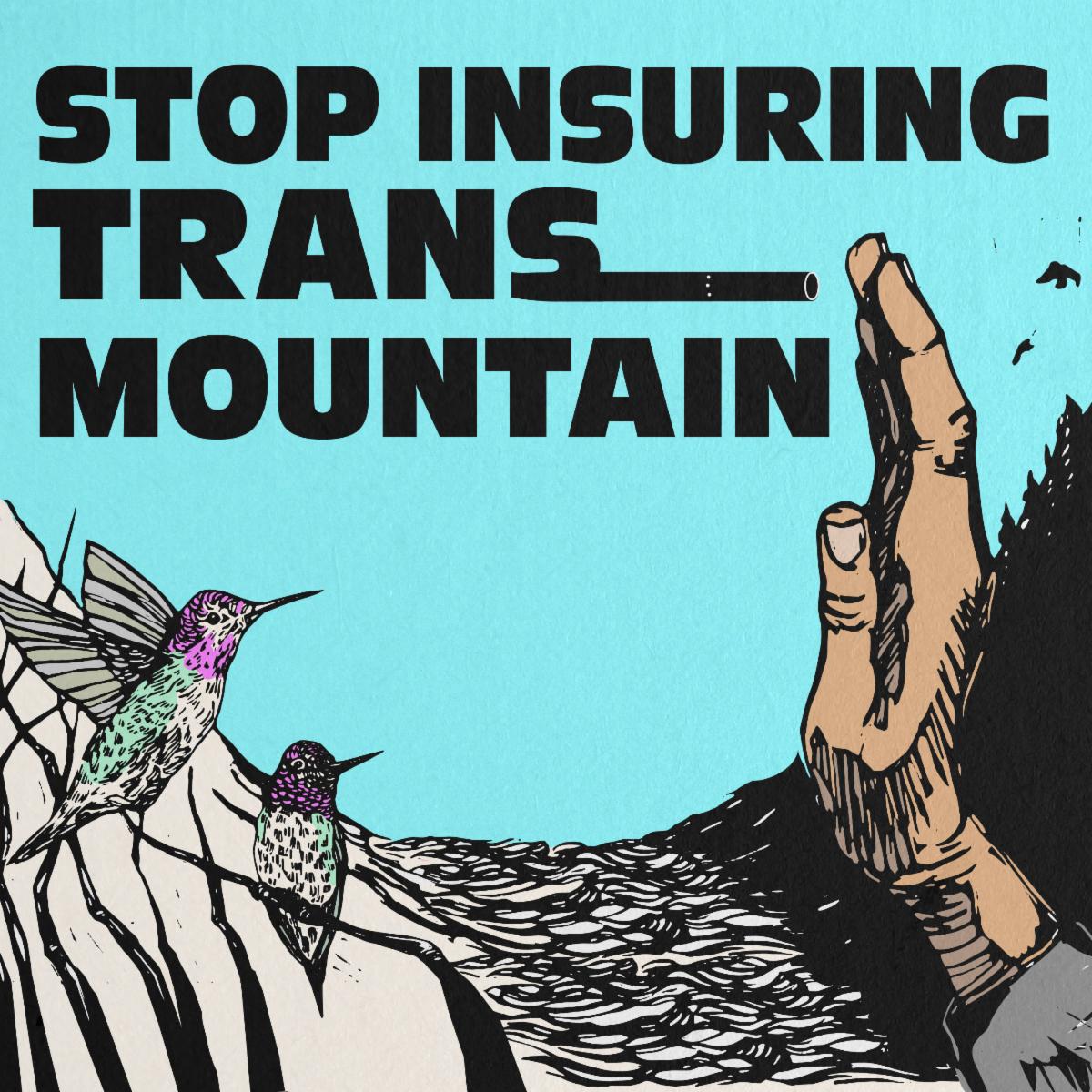
Take Action to Stop Insuring Trans Mountain Pipeline
From June 14-21, join the global week of action to call on insurance giants to stop insuring the Trans Mountain pipeline and all destructive tar sands projects. Together, we can make Trans Mountain uninsurable and stop tar sands expansion. Catastrophic climate change and Indigenous rights violations demand immediate action. Learn more in the action toolkit here.
|
|
The Rights of Nature movement continues to grow, and Casey Camp-Horinek (Ponca Nation), Environmental Ambassador and WECAN Board Member, continues these efforts with our friends and colleagues at Movement Rights.
In 2017, the Ponca Nation of Oklahoma became one of the first tribes in the country to enact a Rights of Nature law, and now they are poised to adopt a new law recognizing the legal rights of two Rivers in their territory: Ní’skà, (the Arkansas River) and Ni’ží’dè, (the Salt Fork River).
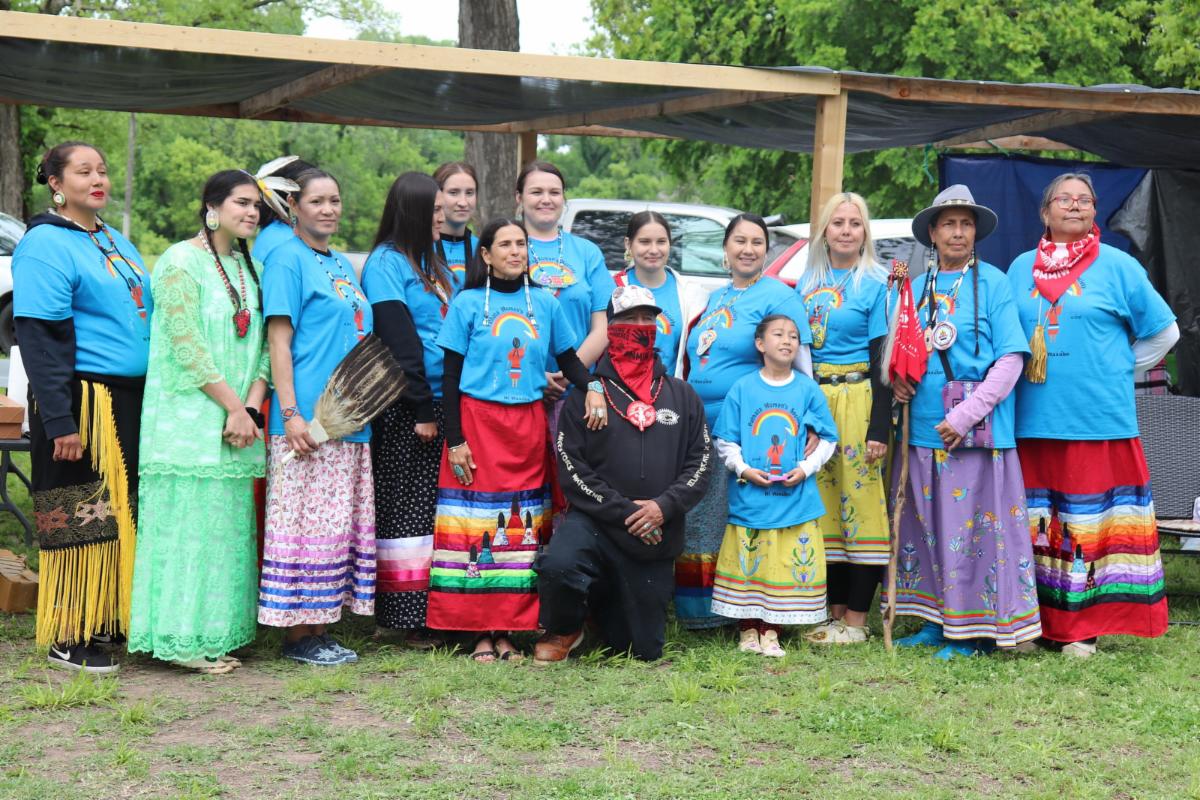
Once the law passes, the Ponca Pa’thata Women’s Society will serve as the guardians of the two rivers. WECAN was honored to support the Ponca Pa'thata Women's Society's first Rights of the Rivers ceremony, held on Mothers Day 2021, which brought together community members to mark and celebrate the beginning of the protection of the rivers’ rights. For more details, please see Movement Rights' recent newsletter here. |
|
Members of the Ponca Pa'thata Women's Society during the first Rights of River Ceremony, May 9, 2021.
Photo Courtesy of Movement Rights.
|
|
Rights of Nature defines the relationship of humanity and nature as interdependent, and allows us to express our deep respect and care for our Earth in modern structures of law. It is a framework that can, in part, help to restore the ancient and life-sustaining concepts that have been obscured by dominant and exploitative social, political, legal and economic structures. Indigenous Peoples worldwide have already lived in accordance with the principles encapsulated by the Rights of Mother Earth for millennia. Not only have they survived radical changes in environmental conditions, but also they have thrived and created some of the richest, healthiest and longest living cultures on Earth. It is vital to support intercultural dialogue, led by Indigenous voices, on the meaning, the implications and the correct implementation of Rights of Nature - and to uplift various political struggles faced by Indigenous peoples all over the world in defending their ancestral homelands from cultural and environmental destruction. To learn more about WECAN's Rights of Nature advocacy, please see our website here.
|
|
Please be welcome to read several recent articles featuring the voices and campaign efforts of WECAN below: |
|
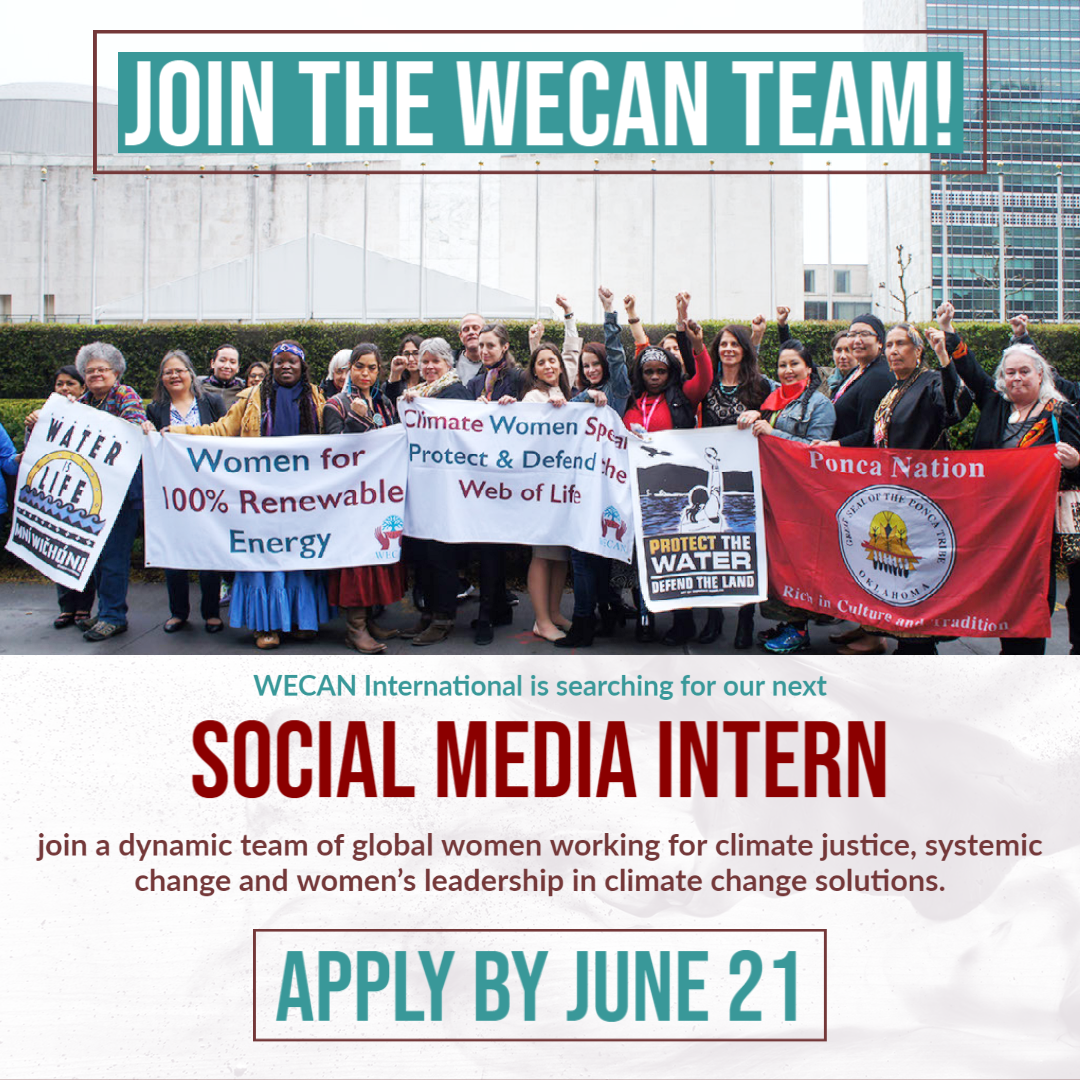
Apply for a WECAN Social Media Internship! |
|
Are you interested in helping amplify women’s voices and contribute to WECAN’s social media and online presence? Apply to join our team as the WECAN Social Media Intern today!
The Social Media Intern will work as a volunteer, with WECAN International's Communications Coordinator to contribute to storytelling and advocacy. In this position, the Social Media Intern will have the opportunity to strengthen their skills in online organizing, communications strategy, and creative storytelling, while connecting with a diverse international network of powerful climate women. This is a 5-7 hour per week, remote, unpaid internship with a 4-6 month commitment. Learn how to apply and read the full position description here: https://bit.ly/3uGajeS
Applications accepted on a rolling basis with an initial deadline of June 21, 2021.
|
|
|
We also want to give special thanks and gratitude to WECAN spring social media interns:
Zoe, Kendall, and Sage!
|
|
Please stay tuned as we continue to uplift the leadership and solutions of women worldwide fighting for climate justice and the defense of the planet for current and future generations. |
|
For the Earth and All Generations,
Women's Earth and Climate Action Network
(WECAN) International Team
|
|
S T A Y C O N N E C T E D |
|
|
|
|
|
|