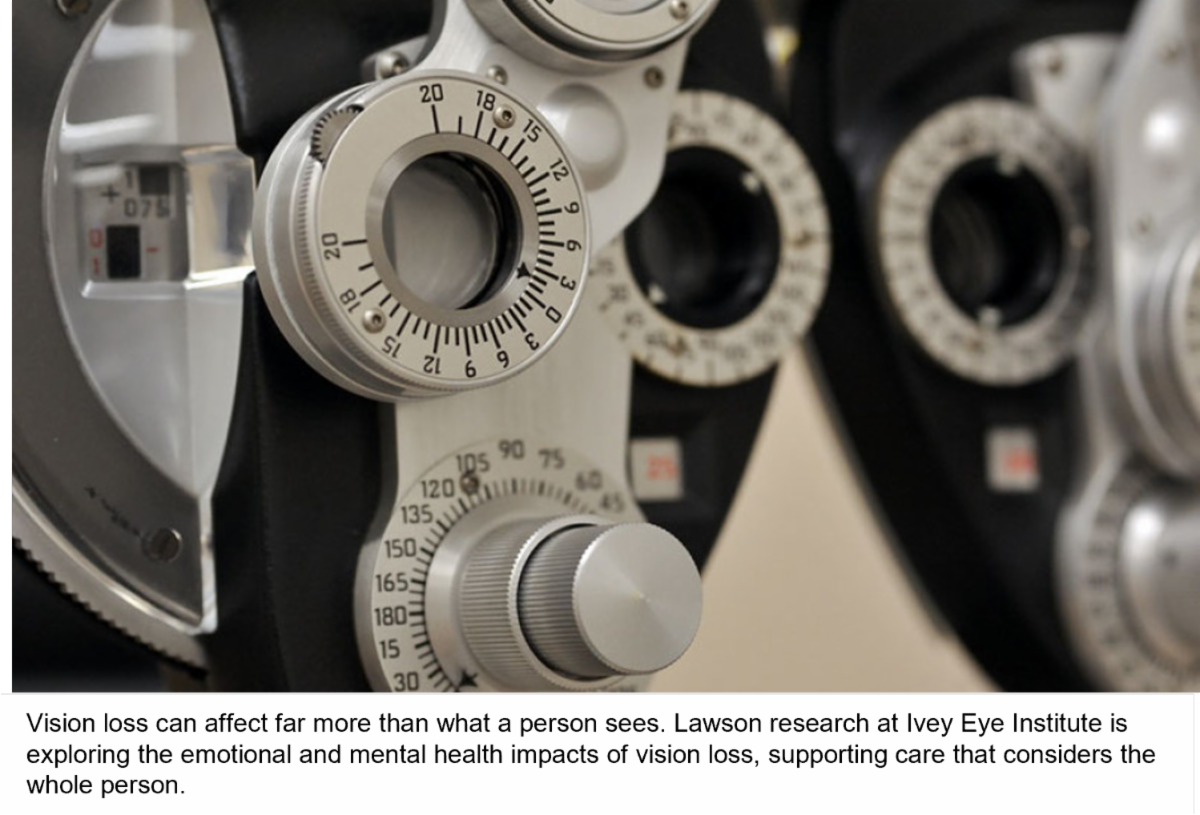
Can't see the full newsletter? Please accept images and add Lawson LEADS (lawsonresearch-sjhc.london.on.ca@shared1.ccsend.com) to your safe list. | | Beyond sight: Exploring the mental health impacts of vision loss | New Lawson research is drawing attention to an often-overlooked aspect of vision care: mental health. Lawson scientist, Dr. Monali Malvankar-Mehta and her team reviewed evidence on depression and anxiety among people living with irreversible vision loss, such as age-related macular degeneration, diabetic retinopathy and glaucoma. Losing vision can change how a person reads, works, gets around, connects with others and feels in their day-to-day life. Across the studies reviewed, about one in five people experienced depression. Anxiety was also common. For patients and families, the findings reinforce that vision loss affects more than eyesight - it can shape independence, confidence and quality of life. For researchers and care teams, the findings point to a need for more connected care that considers emotional well-being alongside vision treatment. This work can help guide future research, strengthen conversations between patients and clinicians and support approaches that treat the whole person, not just the diagnosis. Learn more about this study and vision research and patient care initiatives underway at the Ivey Eye Institute. | | Could your favourite song make medical testing less stressful? | | |
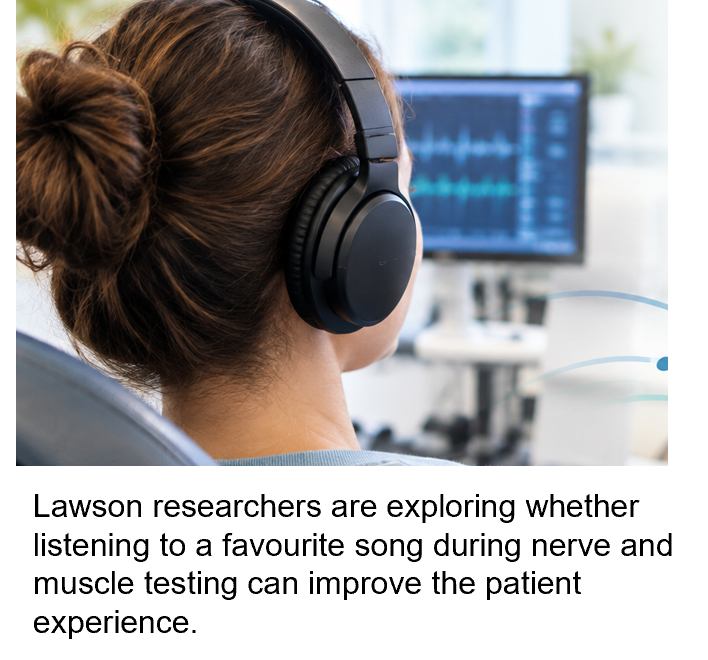
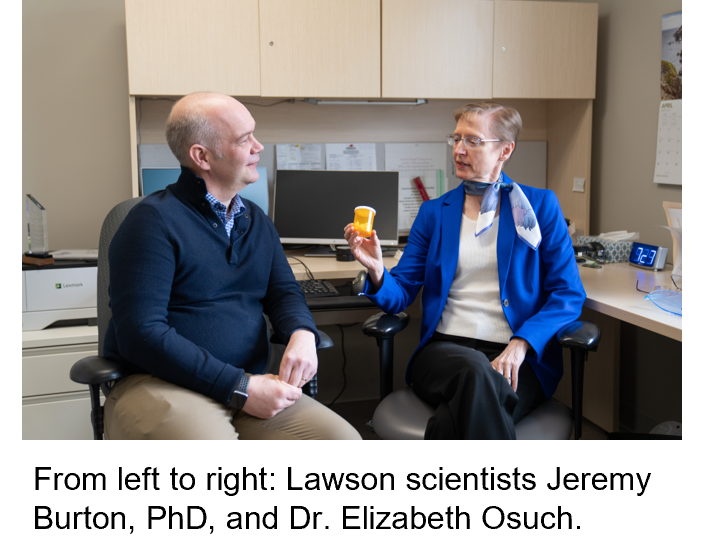
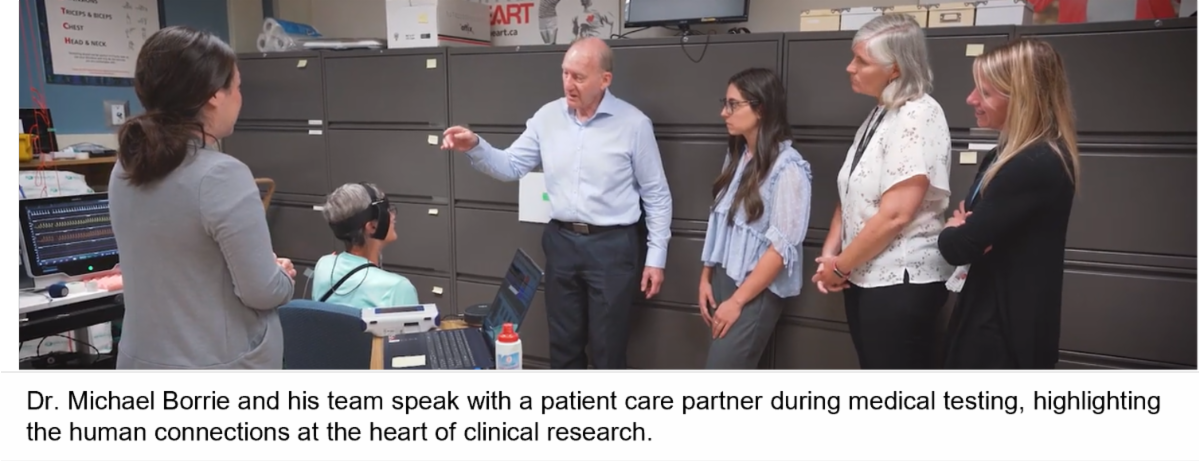
Medical tests can be stressful, especially when they involve needles and small electrical signals to check nerve and muscle function. Research by Stephen Macaluso, PhD, Lawson Scientist, and his team asked whether letting patients listen to their favourite music could improve the experience. While the study did not find a clear difference in pain or anxiety scores, patients who listened to music reported a positive experience. The findings suggest that simple, low-cost options may help make diagnostic testing feel more comfortable and patient-centred. Read the full article to learn more.
| | First-of-its-kind study points to global potential for Lawson research | | |
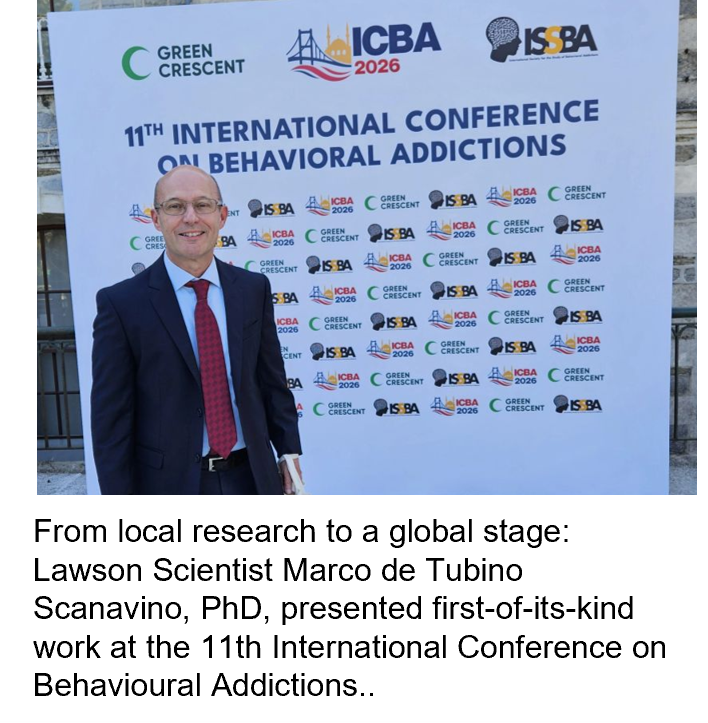
A first-of-its-kind study led by Lawson Scientist Marco de Tubino Scanavino, PhD, is helping build global evidence in an emerging area of mental health research. Presented at the 11th International Conference on Behavioural Addictions in Istanbul, Türkiye, the work was developed in Brazil and is now expanding in Canada. The study focuses on Compulsive Sexual Behaviour Disorder, a condition where repeated sexual urges or behaviours become difficult to control and affect daily life. Researchers found that epigenetic profiles could clearly distinguish people with the condition from those without it. Epigenetic changes affect how genes work, without changing the genes themselves. Stronger biological evidence can help researchers better understand this condition, reduce stigma and support more informed care. Explore how research by a local Lawson scientist is contributing to behavioural health discoveries with global relevance.
| | Cheryl Forchuk receives Canadian Nurses Association highest honour | | |
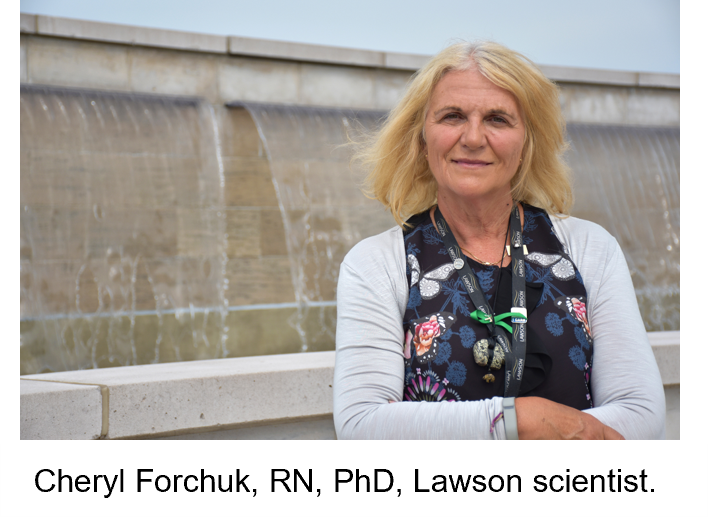
The Canadian Nurses Association has honoured Lawson scientist Cheryl Forchuk, RN, PhD, with the Sapphire Award to recognize Forchuk’s 50 years of sustained, significant and innovative contributions to nursing and to national and global health care. Forchuk, who is also Distinguished University Professor of Nursing at Western University, has secured or contributed to more than $52 million in research funding across 124 projects; written 12 books; written more than 200 peer-reviewed publications; and made hundreds of academic presentations. Her work has shaped policy, informed practice and driven system-level change across Canada and internationally in addressing mental health and homelessness. Visit our website to learn more about this national honour.
| | Could gut health support eating disorder care? | | |
Could restoring healthy gut bacteria help people living with anorexia nervosa? A new clinical trial led by researchers at Lawson Research Institute, London Health Sciences Centre Research Institute and Western University is exploring whether fecal microbiota transplant capsules can help improve nutrition and influence how people make food choices. The study builds on growing evidence of a connection between the gut microbiome and brain function. Lawson’s fecal transplant team customized the tasteless, odourless capsules for the trial using carefully screened healthy donors. Researchers hope the approach could offer new insight into a condition that can be difficult to treat. Read the full story or watch CTV London's coverage to learn more.
| | Making musculoskeletal care easier to navigate | |
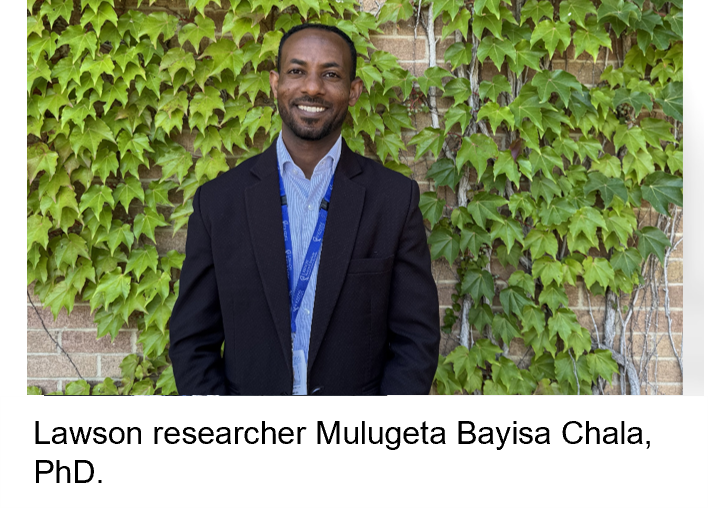
For people living with musculoskeletal conditions, finding the right care can be as challenging as managing pain, mobility or daily activities. Lawson researcher Mulugeta Bayisa Chala, PhD, is studying how care could be better organized across Southwestern Ontario so that patients and caregivers do not have to navigate a fragmented system on their own. His work takes a whole-system approach, looking beyond one condition or clinic to understand what people need throughout their care journey. Supported through the Canadian Institutes of Health Research’s (CIHR) REDI Early Career Transition Award supported by the Workplace Injury Research Network (WIRN) and the Gray Centre for Mobility and Activity, Chala is building a research program focused on more coordinated, person-centred musculoskeletal care. Explore the full story to learn more.
| | Lawson Clinical Research and Clinical Trials | | Clinical trials help turn research discoveries into better care. At Lawson, they are an important way to test new treatments, devices and care strategies with patients and care teams. Have a clinical trials story, milestone or patient-partnered project to share? Send it to lawsonresearch@sjhc.london.on.ca for consideration in a future issue. | |
Explore HDRN Canada Pragmatic Trials Training Program | | |
Each week, Health Data Research Network’s Canada Pragmatic Trials Training Program releases open-access learning modules that explore key aspects of trial design and implementation - from randomization and data analysis to the principles of truth and reconciliation in pragmatic trials. Whether you’re a clinician, researcher or health professional, these modules offer practical insights to help you understand how pragmatic trials can improve real-world care. Discover the full series at pragmatictrialstraining.ca
| |
| |
RESEARCH TIP
Build impact into your research early
Before a project begins, consider who could use the findings, including patients, families, care teams, policymakers and community partners. Involving these audiences early can help ensure research questions, methods and outputs reflect real-world needs. Planning for impact from the start, such as plain-language summaries, practice resources, policy briefs or community updates, can help research move beyond publication into better care, services, programs and partnerships.
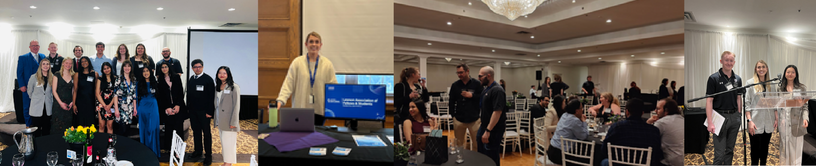
| | | | LAWSON ASSOCIATION OF FELLOWS AND STUDENTS | | Welcome to Lawson's community of trainees! | | |
The Lawson Association of Fellows and Students (LAFS) is a student-led organization that represents and supports more than 400 post-doctoral, graduate, professional and undergraduate trainees across Lawson. LAFS helps strengthen trainee voices, build community and support professional development through events, networking, social activities and trainee-led initiatives. The group also works closely with Lawson to help bring a trainee perspective to Lawson’s future direction.
LAFS hosts:
- Twice-monthly Talks on Fridays (TOFS) showcasing trainee research and promoting interdisciplinary collaboration.
- Monthly socials that bring trainees together from across London.
- Workshops that help trainees strengthen career skills.
| Meet the 2026-27 Co-chairs | | |
Mathew Joshy is a fourth-year PhD student at Lawson, supervised by Dr. Keith St. Lawrence. Returning to LAFS leadership after serving as Vice President of Finance, Mathew studies neurodegenerative diseases such as Alzheimer’s disease and frontotemporal dementia using positron emission tomography (PET) and magnetic resonance imaging (MRI). His research is supported by a doctoral award from the Alzheimer Society of Canada.
| |
Ashley Lowndes is a Mitacs-supported WIRN post-doctoral fellow working with Dr. Siobhan Schabrun in the Gray Centre for Mobility and Activity. Her research focuses on assessing and preventing chronic pain using non-invasive neuroimaging and brain stimulation. Through LAFS, she hopes to strengthen trainee connections, build community and create more opportunities for trainees to gain experience.
| | |
LAFS is looking for trainees interested in joining the team or presenting their research. To learn more, email LAFS@lawsonresearch.com.
LAFS events and talks are open to the full Lawson community. Join the next social on Friday, Oct. 30, from 12 to 1 pm in Parkwood Institute Main Building Auditorium (B2-109), or attend Talks on Fridays on Nov. 6 from 12 to 1 pm. We look forward to seeing you there!
| | DocTalks on breast care is coming up on Nov. 19 | |
The Foundation's next DocTalks features Drs. Sarah Knowles, Maya Grisaru Kacen and Farhad Ghasemi presenting what's new in breast cancer screening, imaging and modern surgery techniques. Join us on Nov. 19 at 7 pm at St. Joseph‘s Hospital in the Shuttleworth Auditorium by registering online.
| | What predisposing factors increase the likelihood of experiencing a sacred moment? | | We continue to explore sacred moments at St. Joseph’s. Today, we consider what predisposing factors may increase the likelihood of experiencing a sacred moment. Sacred moments may be highly memorable moments of transcendence and deep connection that many people long for in their relationships. But what might make someone more likely to experience a sacred moment? A recent paper by Wong et al. (2026) summarizes research on some predisposing factors, including openness to new experiences, a healthy sense of attachment and connection to others, strong religious or spiritual beliefs and engagement in spiritual or religious practices such as meditation or prayer. This invites reflection about our outlook on life. Are you open to new experiences? What is your connection to those around you? Do you have spiritual or religious practices that are important to you? In addition to cultivating openness and connection, spiritual practices can also be developed. These reflective and contemplative activities, done individually or collectively, connect us to deeper meaning. Examples include mindfulness meditation, time in nature, prayer, gatherings, reading sacred texts, candle-lighting, singing or religious activities. As you reflect, are there specific spiritual practices that have been meaningful to you? Take a moment to consider starting, or reconnecting with, practices that have been important to you. Perhaps a sacred moment may arise in an unexpected way. Want to talk more about sacred moments? Reach out to a Spiritual Care Team member on your site. | | We encourage researchers to submit grants, publications and awards for us to showcase. Please provide a one- to two-sentence plain-language description along with the submission. | | |
Check out a few examples of the research published in August-September:
Nabizadeh F, Mohamadi H, Weiner MW, Aisen P, Petersen R, Jack CR, ..., Borrie M, Lee T-Y, ..., Pasternak S, ..., Furst AJ. (2026). GWAS of tau-neurodegeneration mismatch identifies new risk loci for susceptibility to tau. CNS Neuroscience and Therapeutics.
Why do some people show signs of Alzheimer’s-related brain changes while others appear more resilient? Researchers examined genetic data linked to tau, a protein associated with Alzheimer’s disease and other dementias, alongside the signs of brain cell injury. They identified genetic regions that may influence vulnerability to these changes. The findings offer new clues about why brain degeneration can differ between individuals and may support personalized approaches to dementia care. #Aging
Nawara O, Fresnel E, Juncal V, Prato FS, Hutnik C, Bouisset N. (2026). Blue magnetophosphene perception under subthreshold magnetic stimulation in a human retinal degeneration model. Frontiers in Neuroscience, 20, 1893022.
Can gentle magnetic stimulation help researchers better understand how the eye and brain respond to visual signals? This study explored blue magnetophosphene perception, a visual sensation created by magnetic stimulation, in a model of retinal degeneration. The findings may help researchers better understand visual pathway function and support future work toward new approaches for studying vision loss and retinal disease. #Imaging
Teasell R, Flores-Sandoval C, Safaei-Qomi MR, Cameron L, Fleet JL, Bateman EA, Bayley M, Mehrabi S. (2026). The big picture of poststroke aphasia, neglect, and cognitive impairment trials: An overview of 3 systematic reviews. Annals of Physical and Rehabilitation Medicine.
How can rehabilitation research better support recovery of communication and attention skills after stroke? Researchers brought together evidence from three major reviews focused on aphasia, neglect and cognitive impairment after stroke. These challenges can affect daily life, independence and participation in care. The overview identifies what is known and where more research is needed. The findings may help rehabilitation teams, researchers, patients and families understand how evidence can guide stronger recovery supports after stroke. #Rehabilitation
| | INTERNAL FUNDING COMPETITIONS |
Call for proposals
The Workplace Injury Research Network (WIRN) is inviting applications to its Seed Funding program, which supports novel, early-stage and collaborative research that advances workplace injury and illness knowledge within, and at the intersection of, chronic pain, mental health and musculoskeletal injury. Up to $25,000 is available per project, with applications due Oct. 30, 2026 at 11:59 pm EDT. Early-career researchers, trainees and interdisciplinary teams are encouraged to apply. For application information, contact WIRN@sjhc.london.on.ca
| UPCOMING GRANT COMPETITIONS | | General information about Grants Development services | | CIHR project grant consultation | | |
CIHR is considering significant changes to its Project Grant Program and will visit Western for an in-person consultation. Researchers who hold, have applied for, or plan to apply for Project Grant funding are strongly encouraged to attend, ask questions, and share feedback.
Registration: Details to follow in early November
Date: Wednesday, December 2, 2026
Time: 11:00 am – 12:00 pm
Location: Room 4106, Ronald D. Schmeichel Building, Western University
| |
External funding opportunities:
| |
Funding opportunities for trainees:
| | These funding opportunities support the next generation of researchers. Trainees and researchers should confirm internal deadlines and application procedures with their institutions (i.e., Western University, Lawson Research Institute, etc.). | | |
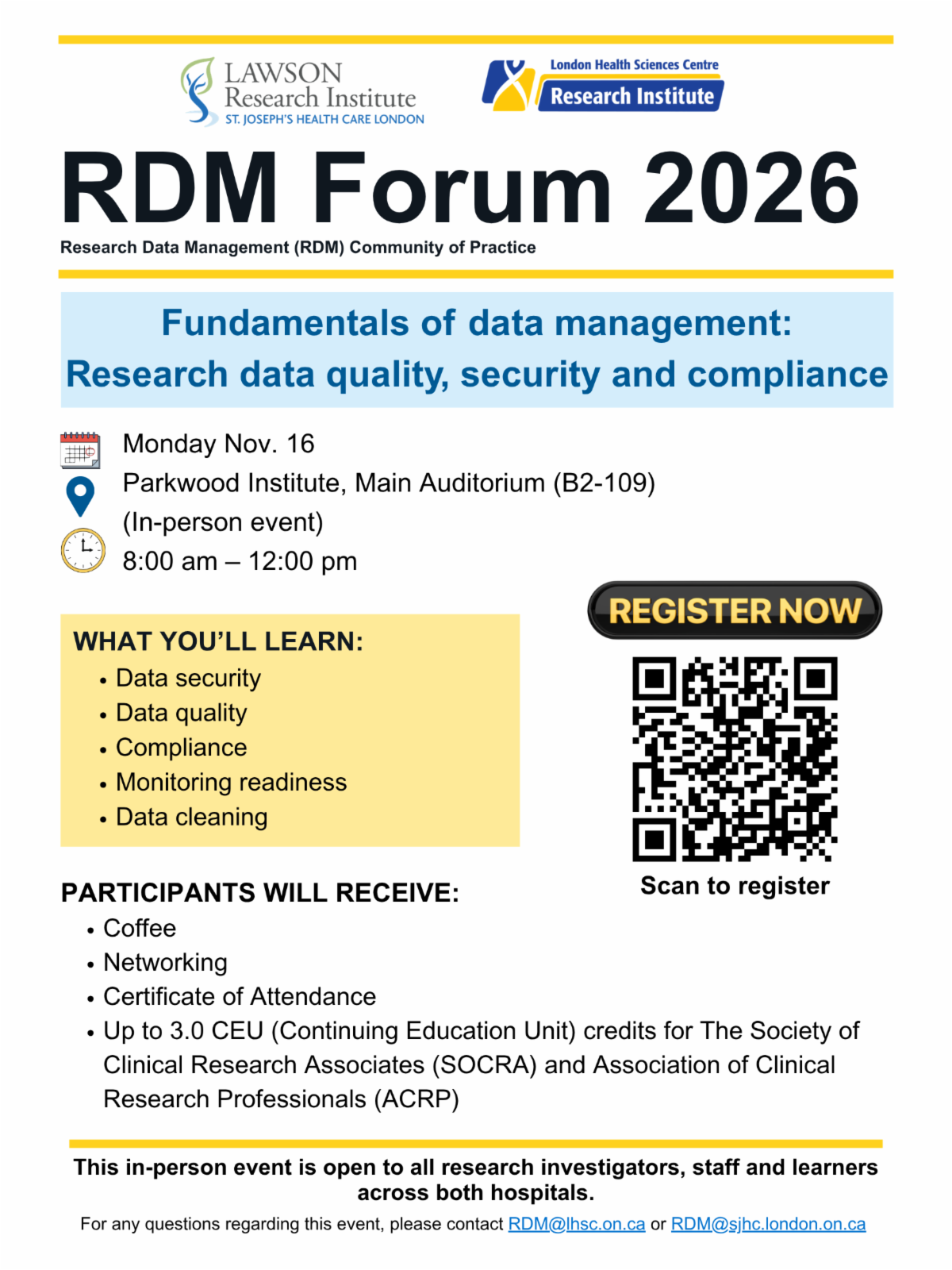
Attend the Research Data Management Community of Practice on Nov. 16 for RDM Forum 2026, “Fundamentals of data management: Research data quality, security and compliance.” This event will take place in person at PIMB B2-109 Main Auditorium, Parkwood Institute between 7:45 am to noon. Explore practical strategies to:
- strengthen data security
- improve data quality and compliance
- prepare for monitoring activities and
- create analysis-ready datasets through effective data cleaning,
Enjoy coffee and expert-led learning. Please register here: RDM Forum 2026.
| Joint Mental Health Research and Innovation Day | | |
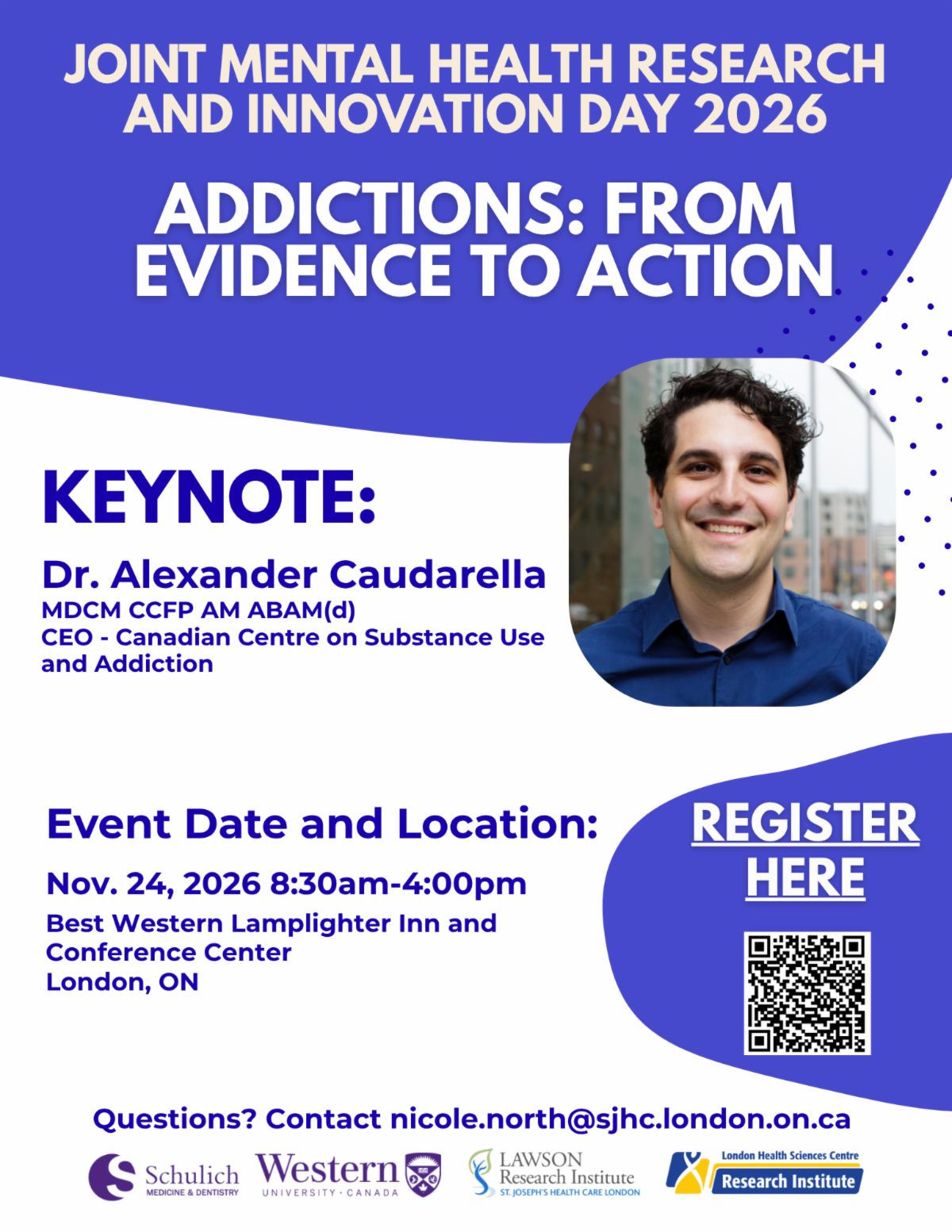
Join the Joint Mental Health Research and Innovation Day (JMHRID) 2026 on Tuesday, Nov. 24 from 8:30 am to 4 pm at the Best Western Plus Lamplighter Inn and Conference Centre in London, Ontario. This free, in-person event is themed “Addictions: From Evidence to Action” and will feature keynote speaker Dr. Alex Caudarella, MDCM, CCFP, AM ABAM(d), CEO of the Canadian Centre on Substance Use and Addiction, along with oral and poster presentations and awards. Participants will explore innovative local research in mental health and addiction, connect with colleagues across academic, health care and community settings, and consider how evidence can help advance prevention, intervention, recovery and service delivery. Register online to attend.
| Closing the loop on pain: Innovating for better recovery | |
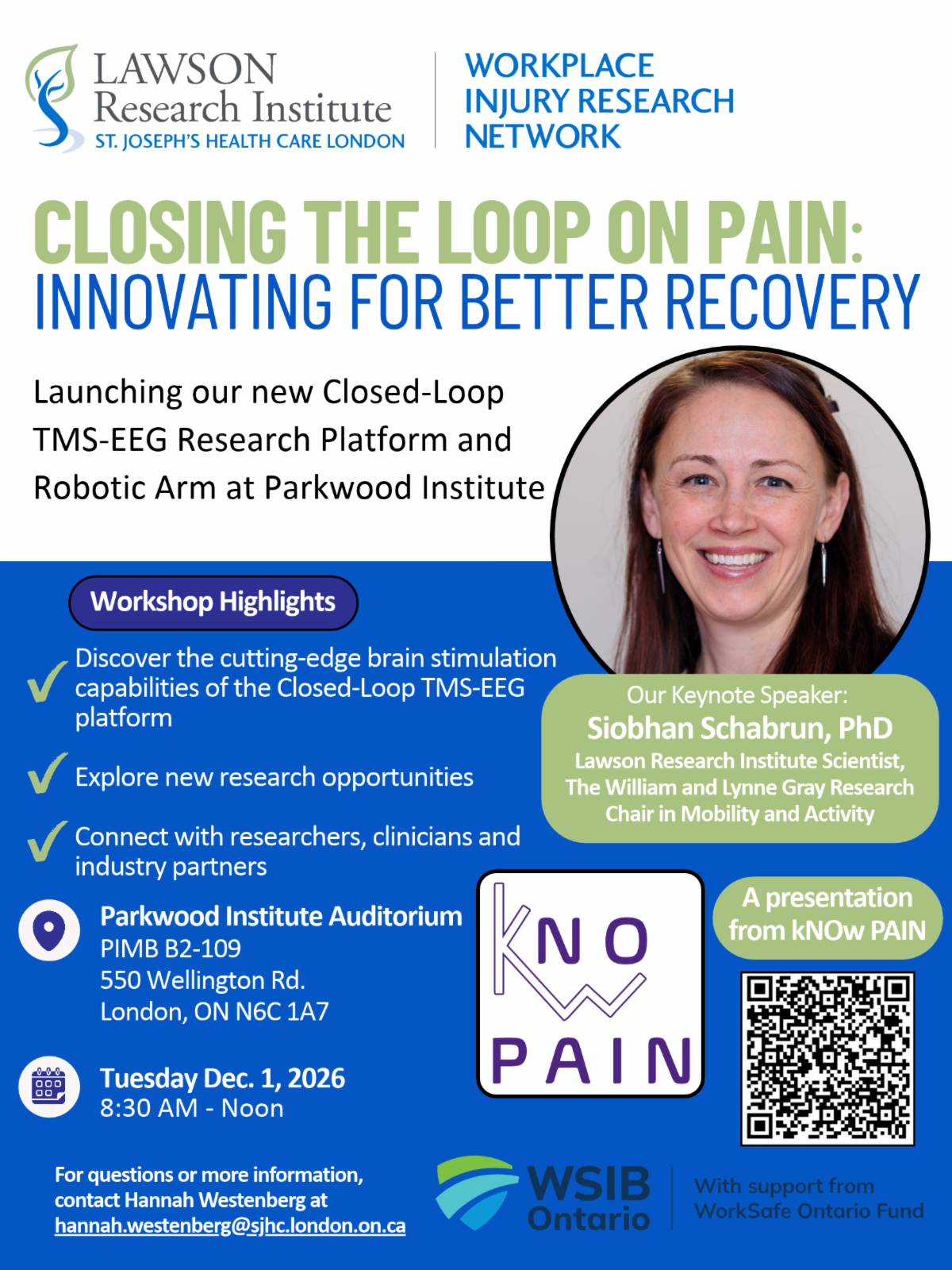
Join us on Tuesday Dec. 1, from 8:30 am to noon, in Parkwood Institute Main Building, Auditorium B2-109. This launch workshop will celebrate the arrival of the new Closed-Loop TMS-EEG platform and robotic arm from Magstim, showcasing research opportunities that bring together brain stimulation, neurophysiology and robotics. The event will feature keynote speaker Siobhan Schabrun, PhD, a leading researcher in chronic pain and neuroplasticity, along with a presentation from kNOw PAIN on chronic pain research and knowledge translation and a technical overview from Magstim. Registration is now open — reserve your seat today. For questions or more information, contact Hannah Westenberg at hannah.westenberg@sjhc.london.on.ca
| | |
Share your news with us!
We want to hear about your latest projects, grants, publications, awards and events!
Send news to lawsonresearch@sjhc.london.on.ca
| This newsletter was human-created and curated. AI technology was used to support drafting, editing and refining content. All content was reviewed for accuracy and approved prior to publication. | | | 268 Grosvenor Street | London, ON N6A 4V2 CA | | Lawson Research Institute, the health innovation arm of St. Joseph's Health Care London, is committed to making discoveries that improve lives. Every day, Lawson scientists work to translate their ideas into innovations that improve patient care. Lawson LEADS health research. Find us online at LawsonResearch.ca and on social media @stjosephslondon | | Did someone forward this email to you? You can subscribe here to get Lawson LEADS newsletter delivered directly to your inbox. Missed a previous newsletter? Visit the Lawson News and Events page. | | | | |