Welcome to the First Edition of OMNI's Monthly TA Bulletin!
The goal of this monthly newsletter is to provide communication around SOR grant-related updates, GPRA implementation support, training opportunities, and important dates. Additionally, we will highlight success stories and GPRA implementation tips you can use!
|
|
New Year, New Decade: 2020 Updates
|
|
As we begin the new year, we want to start by reviewing some of the exciting events that took place right before the holidays. These efforts will help us build on current training practices and guide us on how best to support CSBs/FQHCs moving forward!
Learning Collaborative Recap
Attendance
- 62 participants attended the four collaboratives.
- 95% of participants said they were interested in attending another learning collaborative.
Feedback
Participants reported the most helpful part of the discussions was sharing tips on how to
improve GPRA efficiency and
encourage client engagement.
Be a part of the conversation!
Don't miss the second learning collaborative series on
GPRA workflow.
These discussions will take place
February 5th and 13th.
See the
Learning Collaborative Flyer
to learn more and register.
Follow-Up GPRA Administration
As it has been more than 6-months since the GPRA launch date, it is important to monitor when clients are eligible for their follow-up GPRAs.
As part of the SAMHSA grant requirements, it is expected that CSBs and FQHCs conduct follow-up GPRAs for any client who has completed an intake GPRA. As follow-up windows open, your agency must track and reach out to clients for follow-up interviews.
Remember, you can view the follow-up window for each of your clients and check how many follow-up interviews you have upcoming at any point by reviewing the spreadsheet in your
Dropbox Folder
. These spreadsheets are
updated weekly on Fridays.
Some key things to consider:
- SAMHSA requires an 80% follow-up rate.
- If a client was reached but refused to participate, you should complete an administrative follow-up and select "located but refused" for follow-up status.
- An administrative follow-up can be completed if you were unable to contact a client throughout the entire window. Make sure you submit this before the window closes.
- There are several types of administrative follow-ups, including “located, but unable to gain access,” “located, but withdrawn from project,” or “unable to locate, moved.”
The TA team will be reaching out to your CSB or FQHC with more specific reminders when follow-up windows are closing. We will also provide a training to go over the types of administrative follow-ups in more detail.
If you have any questions or need support with follow-up GPRAs, please contact TA support at
SORSupport@omni.org
.
|
|
In efforts to improve the GPRA instrument, we integrated your feedback to make critical updates. Below are some of the recent changes:
GED Response Option
- We have added "GED" to the text of one of the answer choices for the first question in Section D that asks about education level.
- It now reads,"12th Grade/High School Diploma/GED."
- This has been updated on all forms of the GPRA, including the online, print, and Spanish versions.
Consent Placement
- In the online intake survey, we have moved the question about consent to the start of the client interview, immediately before Section A: Demographics.
- This adjustment allows the administrative sections to be prepped ahead of time and corresponds to when clients are typically asked for consent.
Alternative Substance Names
- For questions regarding participant’s substance use in the intake, follow-up, and discharge survey, you can now hover over the substance name to view other common names for the substance.
- You can view this list of common names at anytime here.
Follow-Up & Discharge Authentication
- The follow-up and discharge survey now has a feature requiring administrators to enter Client IDs before moving forward with the survey.
- This feature will ensure we have a matching intake GPRA for each follow-up and discharge survey.
|
|
Due Date: January 31, 2020
Please complete the quarterly surveys on services provided in Oct-Dec 2019.
We only need one survey per agency. Access the survey
here.
|
|
Dates: Feb 5, 2020 at 10 am
or Feb 13, 2020 at 2 pm
We will be offering the second learning collaborative series on GPRA Workflow.
Register here
.
|
|
Coming Soon!
OMNI will host an optional Follow-up & Discharge Training Webinar in
early March. Registration information will be sent out soon.
|
|
Encourage GPRA engagement by connecting the survey to services.
Many agencies mentioned in the learning collaborative that clients were more likely to participate when the agency was able to connect the GPRA to availability of treatment services or even infrastructures funded by SOR (including a new facility). Providing these connections helped provide context and purpose to GPRA participation. You can use the
engagement information sheet to help start this conversation!
|
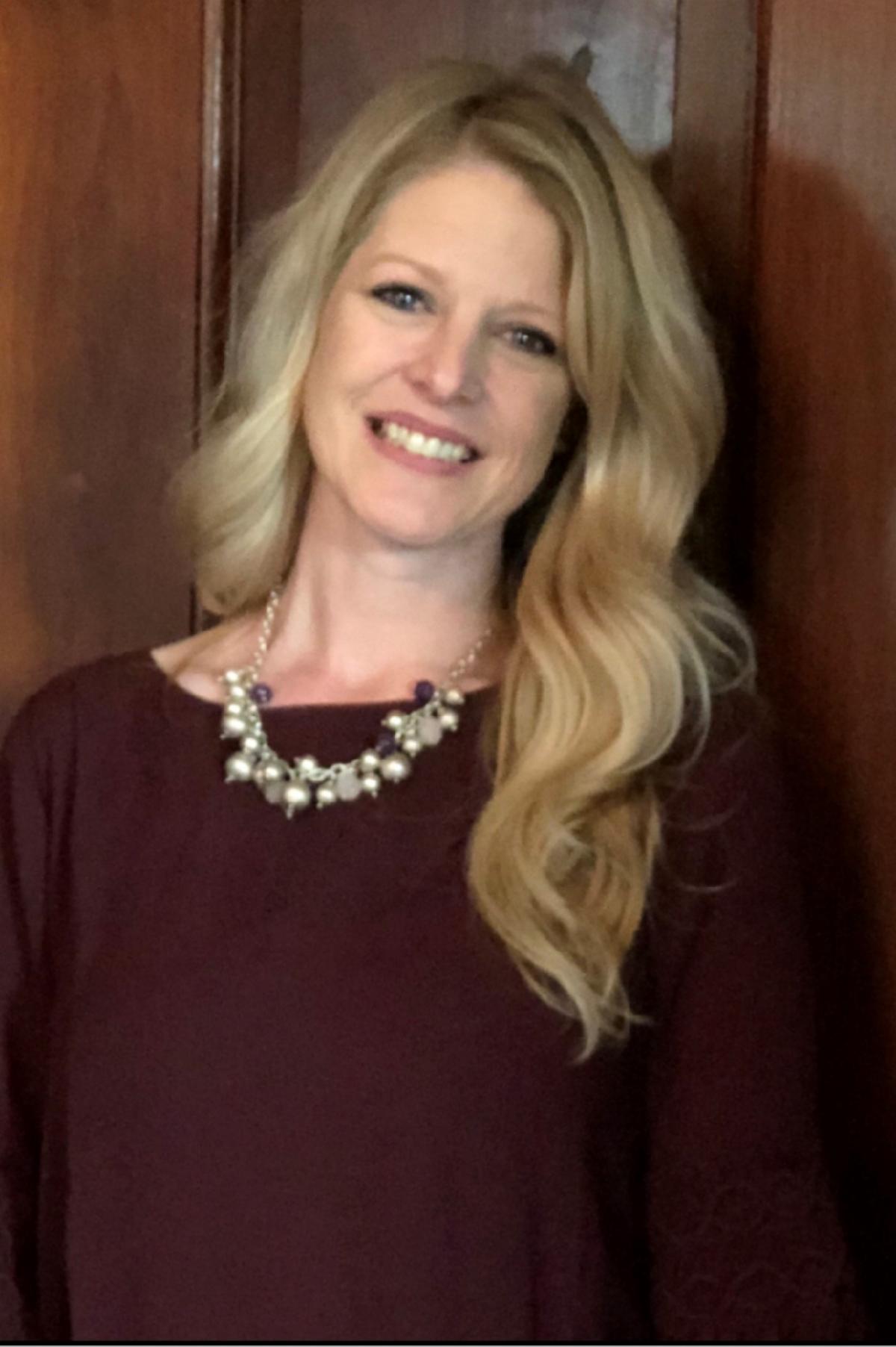
Julie Grove, a Certified Peer Recovery Specialist, is this month’s community spotlight! Julie has been administering the GPRA survey since June of 2019 at Northwestern Community Service Board, where she works on the Opioid Based Outpatient Treatment Program. Read about some of the challenges and successes Julie and her team have encountered as they have administered the GPRA survey:
In administering the GPRA, I have faced challenges regarding the amount of time in which it takes to administer the surveys. In November, I trained seven case managers, one therapist, and I’m in the process of training peer recovery specialists to help administer the survey. This increase in staff capacity has been implemented to help expand the number of GPRAs our agency is able to complete.
I and others that are administering the GPRA find that the survey helps open a dialogue between staff and clients. I have had some apprehensions from clients prior to taking the survey. However, during the question and answer portion, the clients are very open and eager to expand and share stories based on their experiences. This can result in longer amounts of time allotted for the survey. I have found that telling clients that there will be time to speak with their case managers, therapists, and peer recovery specialists about their experiences at a later date helps to keep everyone on task and to finish in an ample amount of time.
The data collection of the GPRA is essential to our agency, determining where we can improve on supporting the needs of those we provide services for at Northwestern Community Service Board.
- Julie Grove, CPRS
|
|
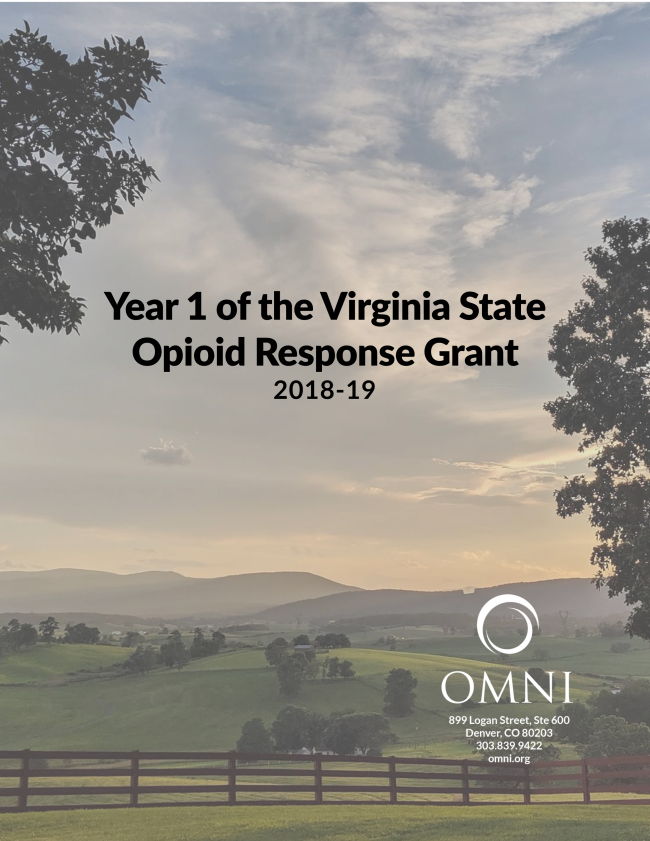
The report summarizes SOR prevention, treatment, and recovery efforts across the state.
So much incredible work has been done since the implementation of the Virginia State Opioid Response grant. The Virginia SOR Annual Report highlights achievements within year 1 and goals moving forward into year 2. We encourage you to download a copy by clicking
here
.
|
|
We are here to help!
Need more training?
Need one-on-one or team support?
Have more questions?
Contact the SOR TA Support team at
SORSupport@omni.org! We can provide email, phone, or virtual support to accommodate your organization's needs!
|
|
Click on the following links to access important GPRA-related tools and documents.
|
|
|
|
|
|
|