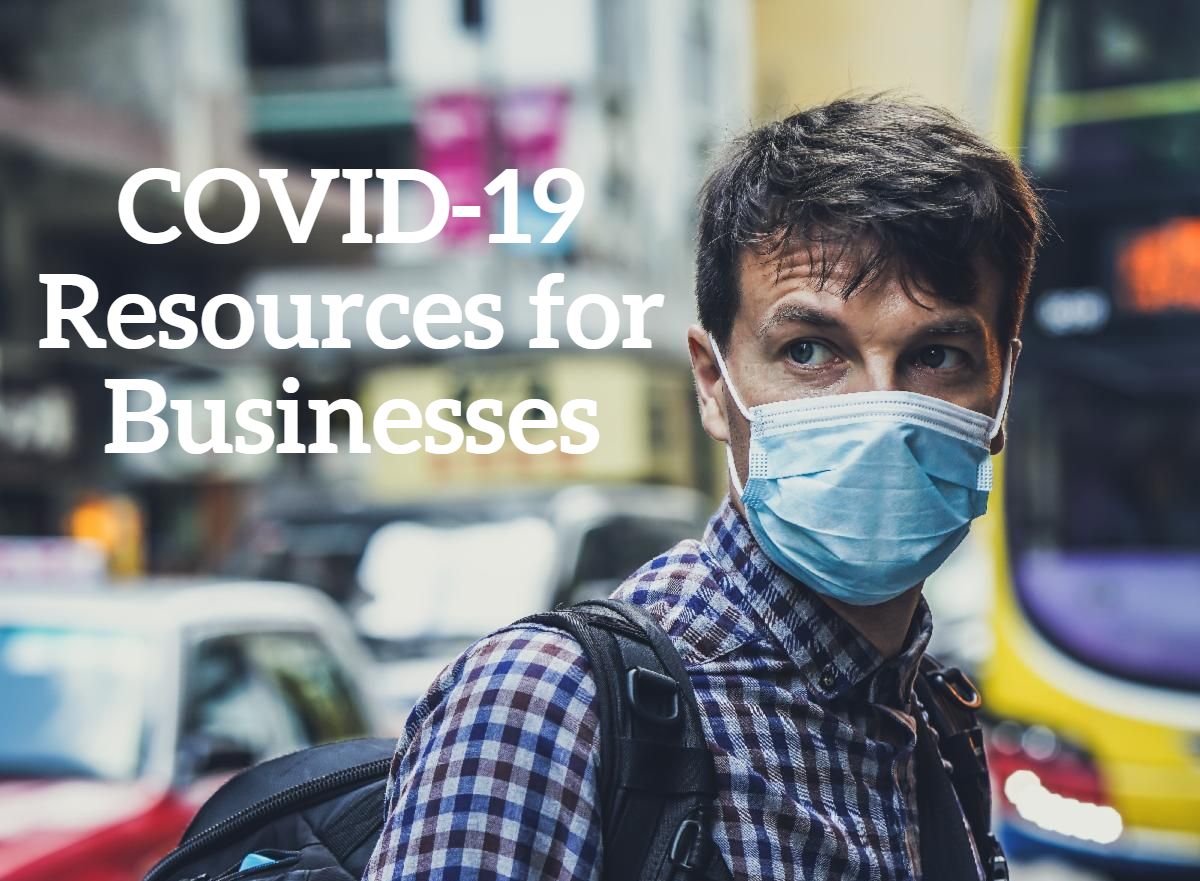
Jefferson County Business Resources to Help Prevent Spread
Coronavirus (COVID-19)

The virus that causes COVID-19 probably emerged from an animal source, but is now spreading from person to person. The virus is thought to spread mainly between people who are in close contact with one another (within about 6 feet) through respiratory droplets produced when an infected person coughs or sneezes. It also may be possible that a person can get COVID-19 by touching a surface or object that has the virus on it and then touching their own mouth, nose, or possibly their eyes, but this is not thought to be the main way the virus spreads. Learn what is known about the Coronavirus (COVID-19) from the Centers for Disease Control and Prevention below.
Centers for Disease Control and Prevention
Prevent the Spread of COVID-19
  • Avoid close contact with individuals who are sick.
  • Avoid touching your eyes, nose, and mouth.
  • Stay home when you are sick.
  • Cover your cough or sneeze with a tissue, then immediately throw it away.
  • Frequently clean and disinfect commonly used items and surfaces using a regular household cleaning spray or wipe.
  • Follow CDC's recommendations for using a facemask:
  • CDC does not recommend that people who are well wear a facemask to protect themselves from respiratory diseases.
  • Facemasks should be worn by people who show symptoms of COVID-19 to help prevent the spread of the disease. The use of facemasks is also crucial for healthcare workers and people who are taking care of individuals who are sick.
  • Wash your hands often with soap and water for at least 20 seconds, especially after going to the restroom; before eating; and after blowing your nose, coughing, and sneezing.
  • If soap and water are not readily available, use an alcohol-based hand sanitize with at least 60% alcohol. Always wash hands with soap and water if hands are visibly dirty.
Workplace Tips for Employees
What Can You Do As An Employer?
Avoid Handshaking - Follow prevention guidelines.

Review and update your company preparedness plan.
~ Develop up to date contact information for your business or organization.
~ Develop absenteeism policies in case of emergencies.
  • Does your current policy allow employees to stay home if ill?
  • Employees who have symptoms of acute respiratory illness are recommended to stay home and not come to work until they are free of fever (100.4° F or lower if using an oral thermometer), signs of a fever, and any other symptoms for at least 24 hours, without the use of fever-reducing or other symptom-altering medications (e.g. cough suppressants).
  • Does your current policy allow employees to stay home to care for sick family members?
  • Employers should maintain flexible policies that permit employees to stay home to care for a sick family member. Employers should be aware that more employees may need to stay home more than usual to care for sick children or other sick family members.
  • Does your current policy require a healthcare provider note for employees who are sick?
  • Do not require a healthcare provider's note for employees who are sick with acute respiratory illness to validate their illness or to return to work, as healthcare provider offices and medical facilities may be extremely busy and not be able to provide such documentation in a timely manner.
  • Does your current policy encourage employees to come in if they are sick?
  • If your current policy includes incentives for additional paid days off or rewards for no absenteeism, the policy should be changed to help prevent the spread of illness.

Avoid reliance on older disaster plans.
~ Now is the time to update those plans.
~ Do your plans include or take into consideration the potential for:
  1. An isolated local outbreak. (No major disruptions of normal day to day activities while maintaining a heightened surveillance)
  2. Widespread local outbreak without vaccine or anti-viral drugs. (May include bans on social events, games, and travel. Will effect ALL aspects of the community. Major disruptions of normal activities and heightened surveillance)
  3. Widespread, large scale outbreak with concurrently available vaccine and/or anti-viral drugs.

Avoid organizational resistance to proper Public Health Directives.

Avoid websites with a known political lean.

Stay informed and use reliable resources.

  • www.CDC.gov
  • www.isdh.in.gov
  • www.jeffersoncounty.in.gov (health department page)
  • Jefferson County Health Department FB Page
  • US Chamber Employer Tips


doctor_pills.jpg
What is Jefferson County Doing?
  • Participating in webcasts provided by the Indiana State Department of Health, CDC, and WHO.
  • Updating current information on the Jefferson County Health Department Indiana Facebook page and Jefferson County website.
  • Meeting with Jefferson County's local stakeholders.
  • Updating our Crisis Communication Plans.
  • Reviewing our Pandemic Flu Plans. Making sure processes are in place to monitor PUI.
  • Sending guidance documents to businesses and schools.
  • Public Education.
Resource Links:
www.cdc.gov

www.isdh.in.gov

www.jeffersoncounty.in.gov

www.uschamber.com/coronavirus
Madison Area Chamber
of Commerce

812-265-3135

301 East Main Street
Madison, IN 47250

www.madisonindiana.com
Jefferson County
Health Department

812-273-1942

715 Green Road
Madison, IN 47250

www.jeffersoncounty.in.gov
Facebook ‌ Twitter ‌ Pinterest ‌