TRAC remembers the victims and all affected persons from 11 September 2001. We want to extend our condolences to everyone affected by this horrible attack and those still living with the terror every day. | |
|
Recent militant activities in Mali have highlighted the ongoing conflict between various armed groups, including the Islamic State in the Greater Sahara (ISGS) and Jama’at Nusrat al-Islam wa al-Muslimin (JNIM). These attacks, spanning from September 4 to 10 September 2024, demonstrate a strategic effort by these groups to target both security forces and economic interests across multiple regions in Mali, including Gao, Kidal, Timbuktu, Ségou, and Mopti.
Armed Assault on In Tahaka Gold Mine (Gao Region)
On 4 September 2024, suspected ISGS militants attacked the In Tahaka Gold Mine in the Gao Region. While no casualties were reported, the assault resulted in significant property damage, with photos showing a fire at the site. The mine, Mali's largest artisanal gold mine, has been a contested site due to its economic value and strategic location, frequently targeted by both ISGS and JNIM. Given the involvement of Wagner Group/Russian Africa Corps, which reportedly took control of the mine earlier this year, the attack may reflect broader anti-Wagner sentiments among local jihadist factions. Control of the mine provides substantial income, highlighting the economic motivations behind such assaults.
JNIM's Targeting of Civilians and Security Forces (Kidal and Ségou Regions)
On 6 September 2024, JNIM militants detonated an IED targeting a civilian vehicle near Kidal, resulting in the deaths of three people, including a 70-year-old man. Although JNIM typically does not intentionally target civilians, the group's use of indiscriminate pressure-plate mines often results in unintended casualties. The same day, JNIM fired mortars at a FAMA base in Nampala, Segou Region. The frequency of these attacks indicates JNIM's ongoing efforts to maintain pressure on government and allied forces.
On 7 September 2024, JNIM militants launched an armed assault on a FAMA checkpoint in N'Gara, Ségou Region, seizing two motorcycles after security forces retreated. The incident underscores the deteriorating morale among Malian security forces, who face challenges due to inadequate training, equipment, and fortifications, particularly in remote areas.
IED Attacks Targeting FAMA/Wagner Forces (Timbuktu, Mopti, and Ségou Regions)
On 8 September 2024, JNIM militants targeted a FAMA/Wagner vehicle with an IED in Tonka, Timbuktu Region. The city of Timbuktu remains a significant strategic target for JNIM due to its historical, cultural, and geographical importance, making it a focal point for militant activities.
On 10 September 2024, JNIM targeted a FAMA/Wagner convoy with four IEDs on a road between Bankass and Bandiagara in the Mopti region, likely resulting in multiple casualties. This attack aims to disrupt military movements and reduce the capacity of FAMA/Wagner forces to operate effectively in the region.
Analysis of Strategic Patterns
The recent surge in attacks across Mali illustrates several strategic patterns by JNIM and ISGS:
-
Targeting Economic Assets: The attack on the In Tahaka Gold Mine underscores the importance of economic assets in this conflict. Controlling such resources allows groups like ISGS and JNIM to generate income while undermining their adversaries.
-
Disruption of Security Forces: Repeated attacks on FAMA/Wagner convoys and bases, especially using IEDs, demonstrate a sustained effort to disrupt military operations and decrease morale. These attacks also highlight the tactical shift towards targeting security convoys and checkpoints, essential for maintaining the group’s influence in key regions.
-
Expansion and Control of Territory: JNIM's continued focus on regions like Timbuktu, Mopti, and Ségou shows a broader strategy of territorial expansion and consolidation, leveraging geographic advantages such as key highways and rivers to monitor and control movements in and out of critical areas.
The series of attacks by ISGS and JNIM reflects a continued escalation of violence in Mali. These assaults highlight the groups' strategic objectives to control economic assets, disrupt security forces, and expand their territorial influence. The ongoing conflict poses a significant challenge for Malian security forces and their international allies, particularly with the involvement of external actors like the Wagner Group.
| | |
TRAC Incident Report: Islamic State (IS) Sympathiser Emrah Ibrahimovic (18) Opens Fire near the NS Documentation Center & Israeli Consulate, in Munich, Germany | |
|
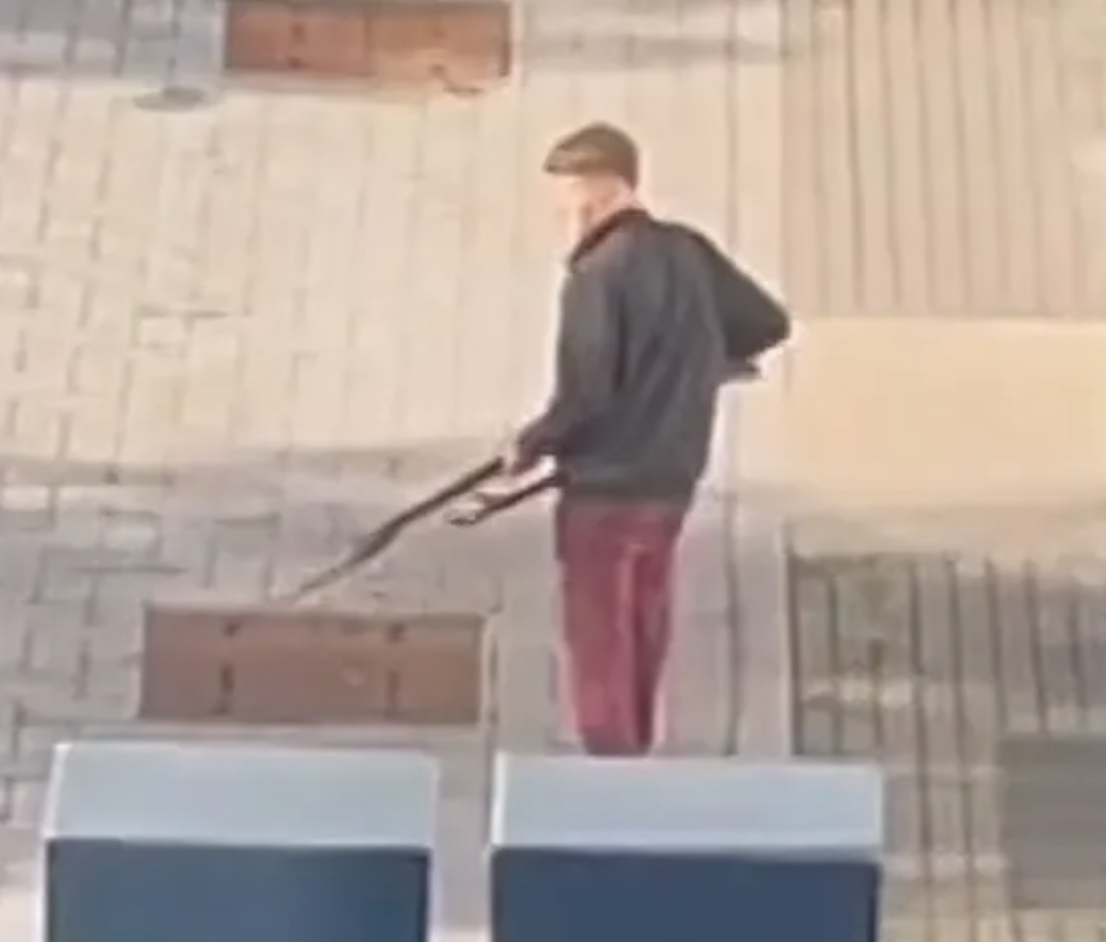
On 5 September 2024, Emrah Ibrahimovic, an 18-year-old Islamic State (IS) sympathizer, opened fire near the NS Documentation Center and the Israeli Consulate in Munich, Germany. Ibrahimovic, who was born in Austria and resided in Neumarkt am Wallersee, drove to the scene in a car with a Salzburg license plate. Although born in Austria, he is reported to have Bosnian roots. He had been on the radar of Austrian authorities since February 2023, following a serious threat against a classmate involving bodily harm, and was suspected of being a member of a terrorist organization.
Austrian authorities' investigation revealed that Ibrahimovic was heavily radicalized, with significant amounts of Islamist propaganda from IS and Al-Nusra Front found on his cell phone. Additionally, he was active in extremist online forums and had simulated IS propaganda video murder scenes in an online game. Despite these alarming signs, his investigation was discontinued in April 2023, and he was not classified as a "high-risk threat."
The attack's location, near the NS Documentation Center—a memorial for Nazi regime victims—and the Israeli Consulate, which is a frequent target for Islamist extremists, suggests symbolic targeting by Ibrahimovic. Given that the incident occurred on the anniversary of the 1972 Munich Olympic attack, it raises questions about whether the attack was deliberately timed to maximize its symbolic impact. IS has a history of targeting sites with high visibility and symbolic significance, and this incident appears to fit within that broader strategy, possibly aiming to exploit heightened tensions and fears in Germany.
Machete Attack at Police Station in Linz am Rhein
Less than 24 hours later, in the early hours of 6 September 2024, a 29-year-old German citizen of Albanian descent attempted to attack police officers at a station in Linz am Rhein, Germany. Armed with a machete and shouting "Allahu Akbar," he caused chaos and tried to breach the police station. Officers inside managed to block the door and call for reinforcements. Special forces quickly arrived and neutralized the attacker using a stun gun. A search of his apartment uncovered Islamic State-related paraphernalia, suggesting he intended to carry out a terrorist attack in the group's name.
A Pattern of Lone-Wolf Attacks
These two incidents, occurring within 24 hours of each other, align with the Islamic State’s known tactics of encouraging lone-wolf attacks against symbols of state authority and sites with high visibility or symbolic significance. The proximity of the attack near the NS Documentation Center and Israeli Consulate in Munich, coupled with the subsequent assault on a police station, reflects IS's ongoing strategy to incite fear, undermine governmental authority, and garner media attention in Western countries.
IS propaganda found in the attackers’ apartments, coupled with the current climate in Germany following the recent IS-claimed mass stabbing in Solingen, indicates a possible resurgence of IS-inspired violence. The Solingen attack, which heightened fears of a renewed wave of lone-wolf attacks, has put Germany on high alert for potential threats against civilians, security forces, and symbolic sites.
| |
(Statement) Tehreek-e-Taliban Pakistan (TTP) Announce the Resumption of Suicide Bombings & Complex Assaults Operations on Security Forces, in Pakistan (& Afghanistan) | |
|
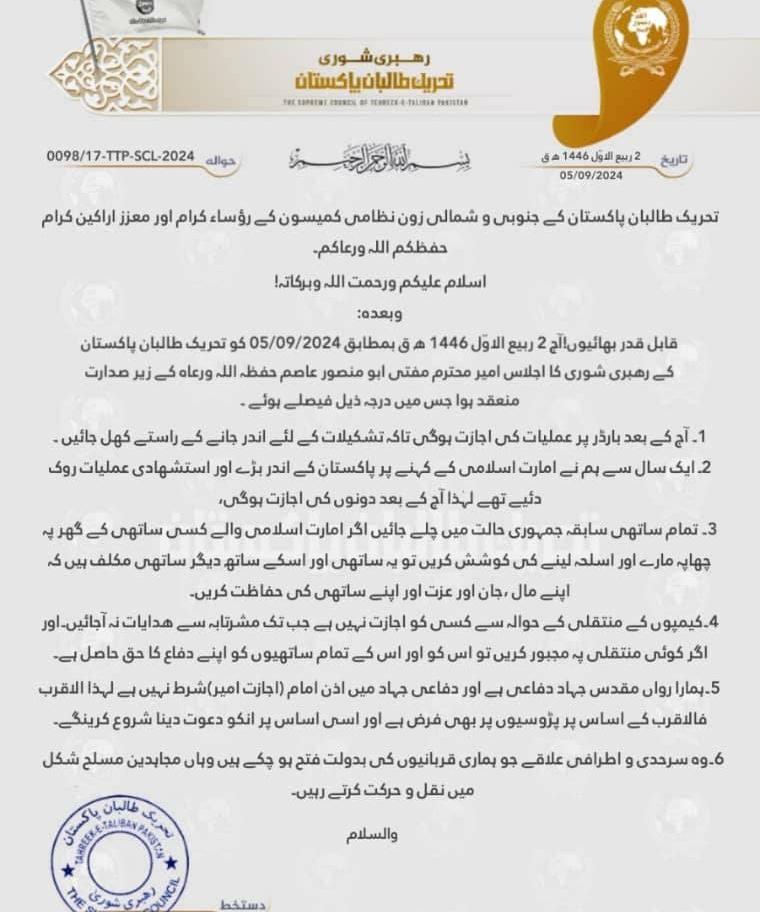
The Tehreek-e-Taliban Pakistan (TTP)’s decision to resume large-scale and suicide attacks represents a significant escalation in its conflict with the Pakistani state. After a period of relative restraint, guided by directives from the Afghan Taliban (Islamic Emirate), the TTP is now openly committing to more aggressive tactics (“For the past two years, we have stopped large-scale and suicide attacks inside Pakistan on the instructions of the Islamic Emirate (Taliban). Therefore, from today, permission is granted for both suicide attacks and large-scale attacks“). This shift suggests that the TTP is preparing for an intensified campaign against Pakistani security forces, likely leading to increased violence and instability, especially in the border regions between Pakistan and Afghanistan.
The statement also reveals a potential rift between the TTP and the Afghan Taliban. The directive instructing TTP fighters to defend themselves against any raids by the Islamic Emirate indicates growing distrust or conflict between the two groups. Despite earlier guidance from the Taliban to avoid large-scale operations within Pakistan, the TTP’s decision to resume such attacks shows a willingness to act independently, possibly even in opposition to its former allies in Afghanistan.
Additionally, the TTP’s emphasis on defensive jihad and the duty of “neighbors” to join the fight suggests an effort to broaden its recruitment base and strengthen its operational capacity. By appealing to local tribes, militant factions, and sympathizers within Pakistan’s border areas, the TTP aims to galvanize support and consolidate its influence, particularly in strategically important regions like Khyber Pakhtunkhwa and Balochistan. This call to arms is likely intended to encourage resistance against Pakistani security forces, further expanding the TTP’s footprint and operational reach in these areas.
The TTP’s leadership seems intent on demonstrating that it will not be dictated to by either the Afghan Taliban or the Pakistani military, solidifying its stance as a powerful independent entity.
| |
Suspected Hay’yat Tahrir al-Sham (HTS) Militants Kidnap Two Syrian Arab Army (SAA) Soldiers During an Inghimasi Operation in Kabashin, Aleppo Governorate, Syria | |
|
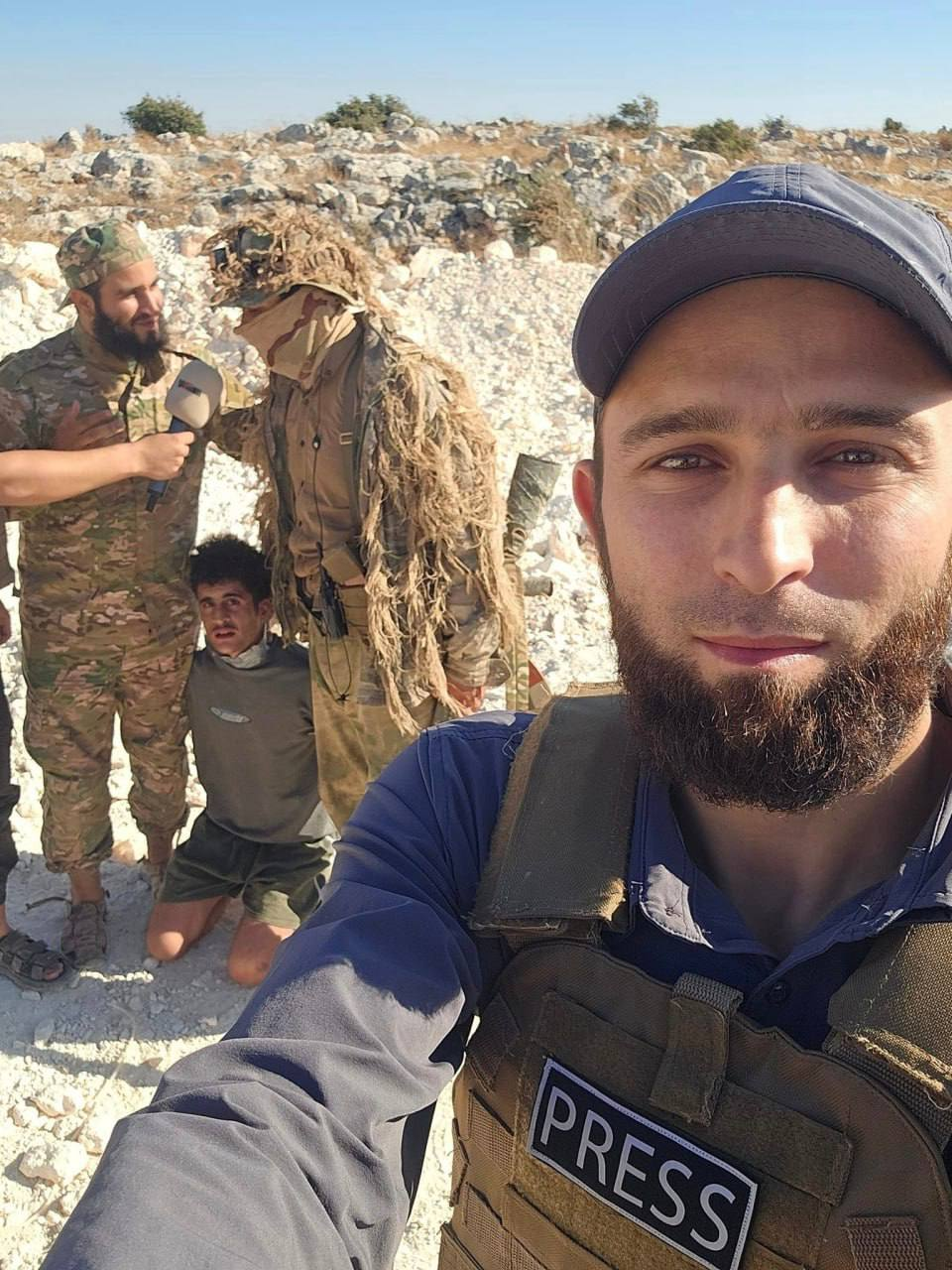
On 2 September 2024, suspected Hay’yat Tahrir al-Sham (HTS) militants kidnapped two SAA soldiers during an inghimasi operation in Kabashin, Aleppo. HTS, once a member of al-Qaeda and has worked hard to shed that association with multiple name changes, is one of the dominant militant factions in Syria. Known for its complex and evolving strategies throughout the Syrian conflict, HTS focused on overt military engagements and territorial control, but as the conflict has progressed, their tactics have become more diversified. HTS aims to consolidate power within Syria, primarily in Idlib and surrounding areas, where they have established a significant presence. Their goals include establishing a governance structure under their control and challenging the Assad regime and other rival factions.
In Aleppo, HTS’ activities are part of their broader strategy to exert influence and disrupt government control. Aleppo, being a major urban center with strategic importance, remains a focal point for various militant groups. HTS operations in this area often involve guerrilla tactics, targeted attacks, and attempts to weaken the Syrian Arab Army (SAA) and its allies.
As for inghimasi operations, this term, derived from the Arabic word “inghimasi,” describes a type of militant assault where attackers infiltrate enemy positions to engage in close-quarters combat and are willing to die if necessary in this operation. These operations are marked by a high degree of risk and the willingness of the attackers to sacrifice their lives to achieve their goals. The intense and direct nature of inghimasi operations often leads to significant casualties on both sides, making them high-risk but potentially high-reward strategies. The core of an inghimasi operation is the attackers’ commitment to creating maximum disruption and damage through their confrontational approach.
In recent years, the frequency of inghimasi operations has declined, as various militant groups, including HTS, have shifted their tactics in response to evolving battlefield conditions and strategic imperatives. The decrease can be attributed to several factors, including increased countermeasures by Syrian government forces, changes in militant group strategies, and the general degradation of large-scale militant operations due to territorial losses and diminishing resources. Additionally, inghimasi operations are not considered something that legitimate governments operationally plan. HTS is desperate for the world to consider it a legitimate governing agency.
This kidnapping during an inghimasi operation in Kabashin reflects the group’s ongoing efforts to project power and maintain relevance. Such high-profile actions are designed to achieve several strategic goals: demoralizing enemy forces, gaining psychological leverage, and potentially negotiating for concessions or resources. This incident underscores HTS’ continued operational capabilities and their adaptation to the shifting dynamics of the Syrian conflict.
| |
TRAC Incident Report: ‘Mid Missouri Minutemen’ Active Club Circulate Footage of Land Navigation Trainings & Pamphlets, Missouri, United States | |
|
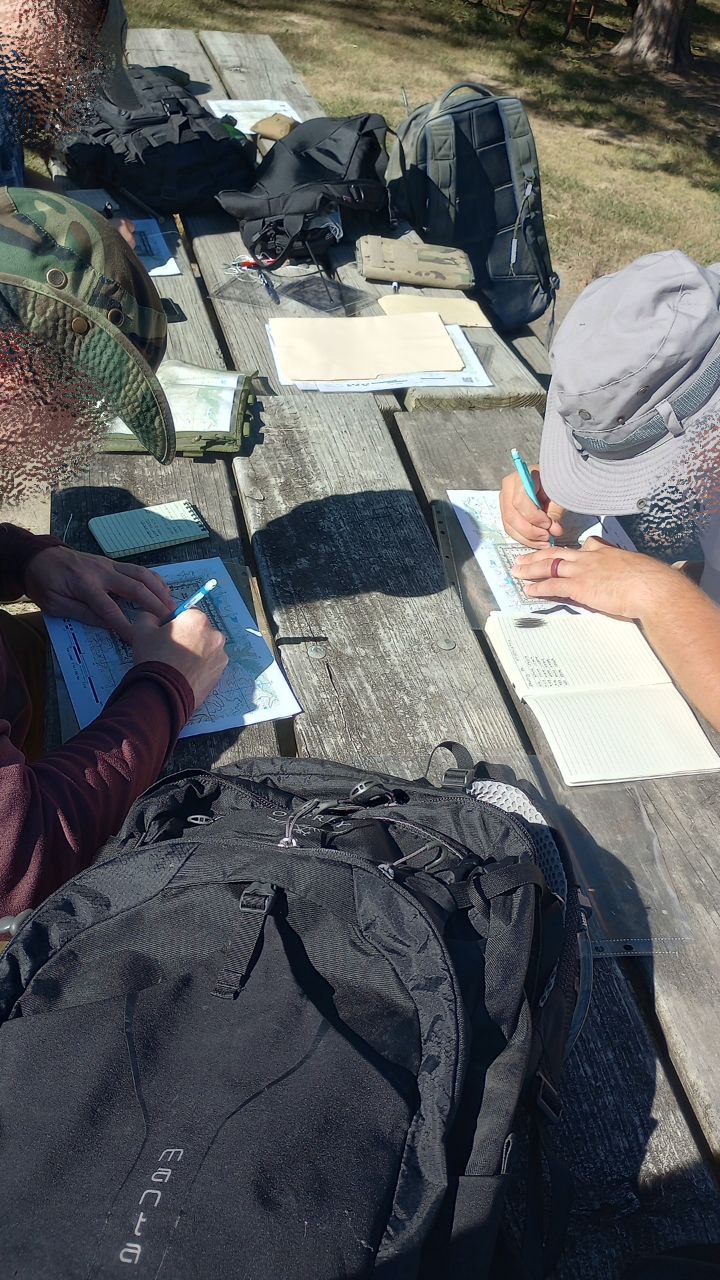
On 7 September 2024, members of the ‘Mid Missouri Minutemen’ active club circulate footage of its members conducting land navigation exercises from a wooded but unidentified location in Missouri. Notably, these extremist groups, who possess relationships within the broader far-right movement, utilize self-defense tactics and physical fitness to recruit and radicalize individuals.
Specifically, TRAC notes that the training exercise included the presence of at least five members, who were utilizing training manuals on how to properly navigate terrain using rudimentary maps. As active clubs attempt to expand their numbers, analysts note that incorporation of basic military training, tactics, and weaponry by far-right organizations is effective in recruiting disillusioned former military members with tactical training experience.
| |
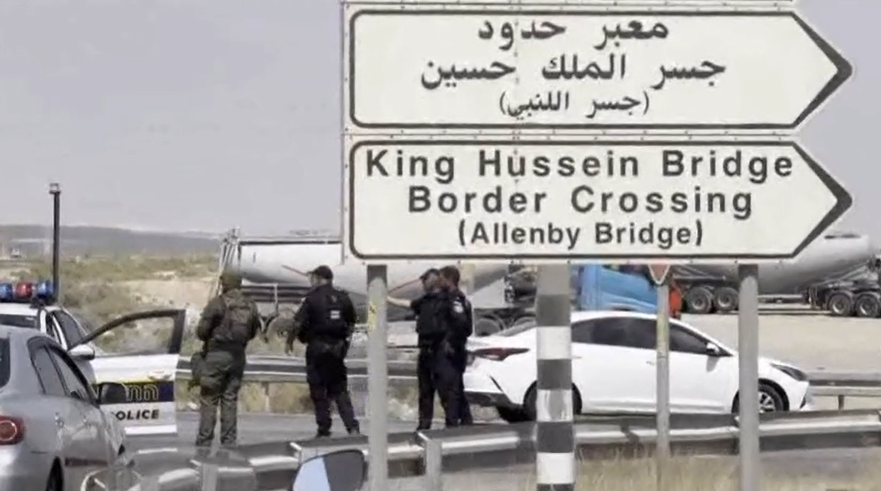
TRAC Incident Report: Jordanian Gunman Targets Israeli Border Crossing Workers, Killing Three Israeli Civilians, Allenby Crossing, Jordan Valley, Israel | |
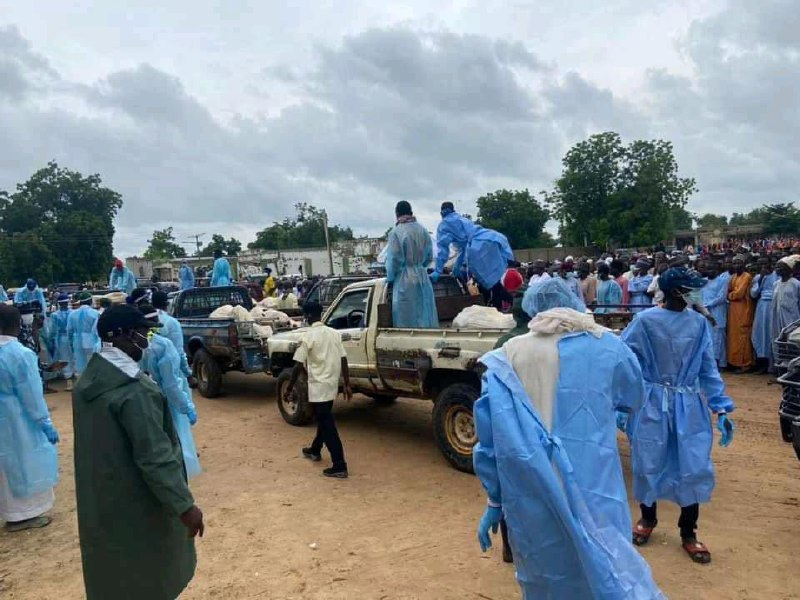
TRAC Incident Report: Suspected Islamic State West Africa (ISWA) Killed At Least 37 During Religious Ceremony and Planted IEDs On Corpses for Military Personnel, Mafa, Tarmuwa, Yobe State, Nigeria | |
(Anonymous Anarchists) Anarchists Launch Assault With Projectiles at Deforestation Workers as Tree Cutting Resumes for A69 Highway, in Zad of Saïx, Tarn, France | | | | |