Turning toward the sunlight | | |
Dear Friends,
Young sunflowers practice heliotropism, following the sun each day as the sun travels across the sky. Last night was the longest night of the year; now each day, little by little, we are turning toward the light, with longer days and shorter nights.
Vivek Murthy, who served as our country's 19th and 21st Surgeon General, says, "My belief is that we need to be a nation that is kind, where people take care of one another, where people step up for one another because they can and because they know that we are all better off when we are all, in fact, better off.
And I want us to be a nation where people are generous with one another, where they recognize that there are times all of us are going to be in need, where all of us may stumble and fall, but we have to help each other up."
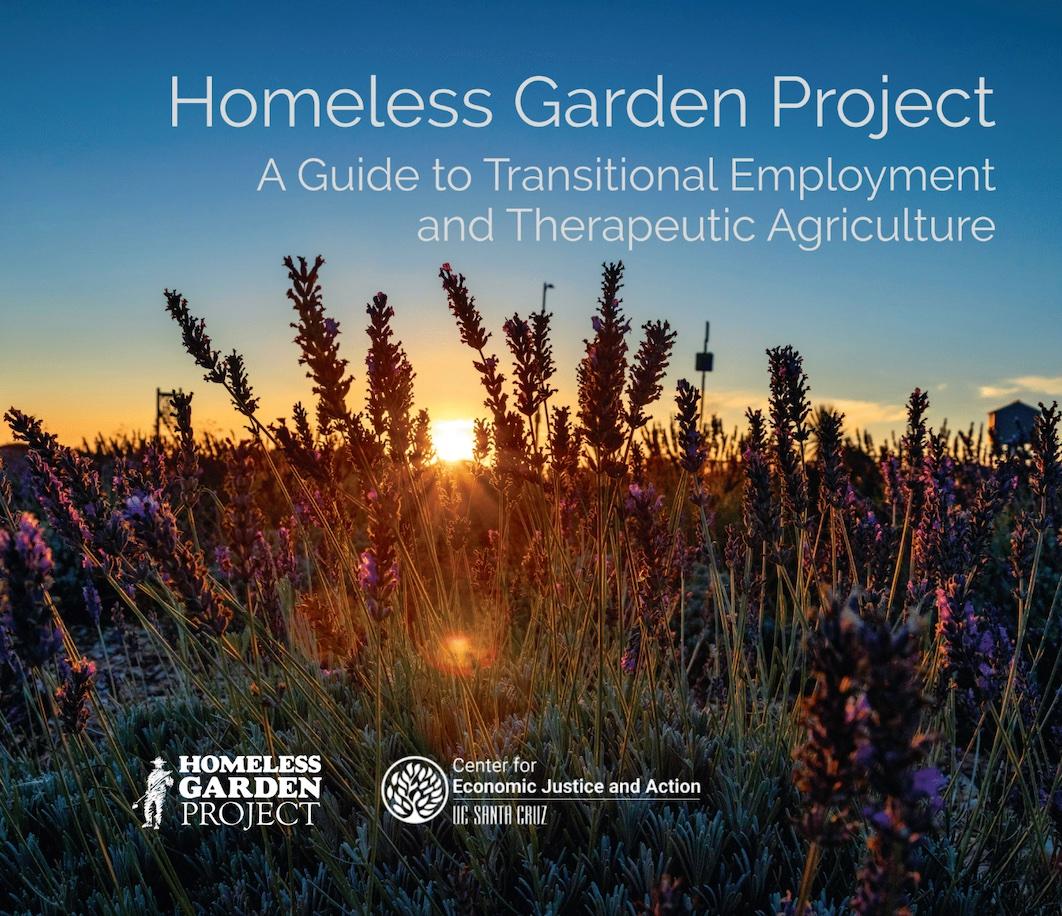
I think of this too, as turning toward the light. At HGP, I witness daily acts of grace and tenderness. These seem to me essential ingredients in cultivating a nation of kindness. I hope you'll read on about our new manual, Homeless Garden Project: A Guide to Transitional Employment and Therapeutic Agriculture--we hope to spread our practices across our country and beyond.
Thank you so much to our many readers who have acted with generosity, care and kindness, contributing your time and money, shopping at our store, and sharing your presence. I hope our 2025 highlights inspire you to continue to support this amazing work. We currently have a $70,000 match from an anonymous donor, so your gift will have twice the impact this Holiday Season.
Below I begin to share some 2025 highlights and will continue Part 2 in a future newsletter
- Winter into Spring, 2025
- Summer 2025
- Our Opioid Prevention and Recovery Grant
- Our 262 page comprehensive, fully illustrated manual
| | |
Winter into Spring 2025:
Resumes, Digital Literacy, Days of Service
| | |
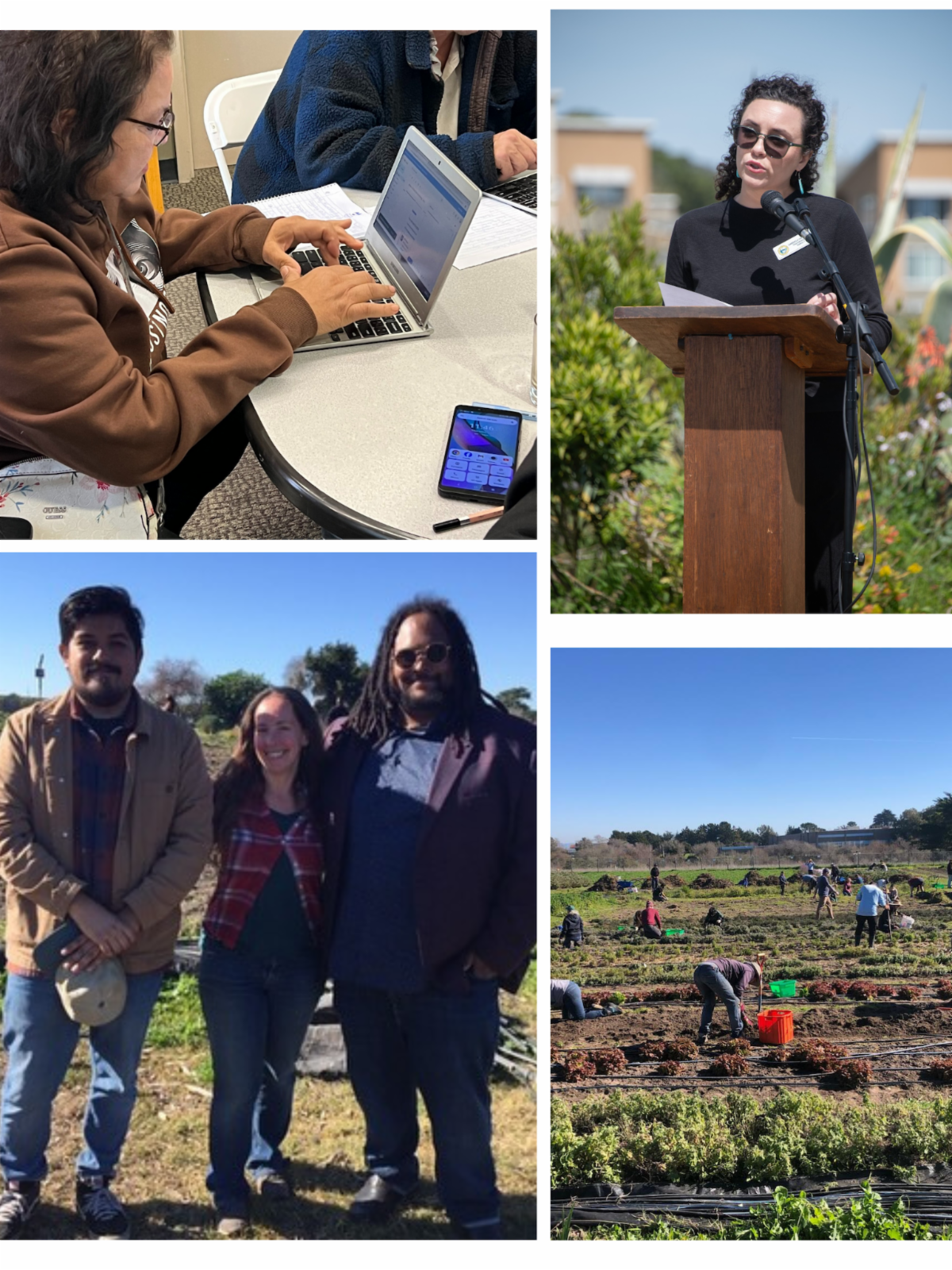
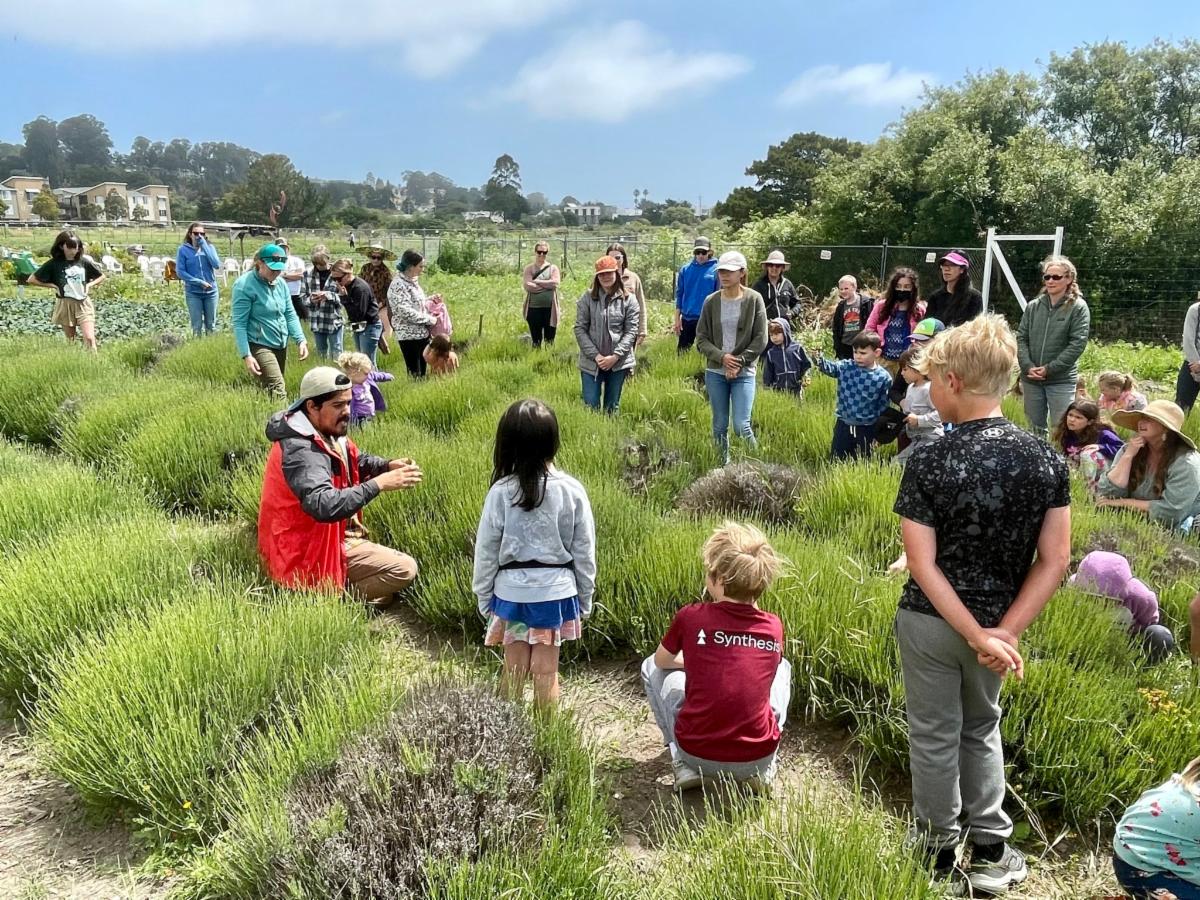
During the winter, we began the transition back to work on the farm, holding the job series, a 16-week series of workshops covering topics preparing trainees for the job search process, including writing resumes and cover letters, preparing for interviews, digital and financial literacy, and more. With presentations from local workforce development leaders, an employer panel and an alumni panel, this was a dynamic time of learning, reflection and practice.
We honored Martin Luther King Jr. and Cesar Chavez with Days of Service--thank you for coming out to take action to build the kind of world they worked for.
Allison Alkon shared:
"Dr. King taught us that the arc of the moral universe bends toward justice, but also that 'change does not roll in on the wheels of inevitability but comes through continuous struggle.'
So with both community and struggle in mind, let me tell you two things about the research on homelessness that you might find surprising."
You can read her talk, "Cultivating the Beloved Community" here.
Discover more talks:
Gabriela Triguiero: Honoring the Legacy of Cesar Chavez
César Chávez taught us that courage isn’t about loud declarations—it’s about quiet, steady action. It’s about organizing in the face of injustice, standing up even when you’re tired, and believing that the most marginalized among us deserve the most protection.
Aimee Vasseur: The Importance of Trying
I found that even though I was unsure about being able to work, the important part was I tried. You never know till you try. So far, I have surpassed what I thought my capabilities were. I found that I am a diligent worker. I’m always ready to learn. When I do a task, I’m focused. I make sure to do the task right and if I’m unsure about what I’m doing, I ask questions.
| | |
A good farmer grows crops, a great farmer grows soil and
an extraordinary farmer grows people.
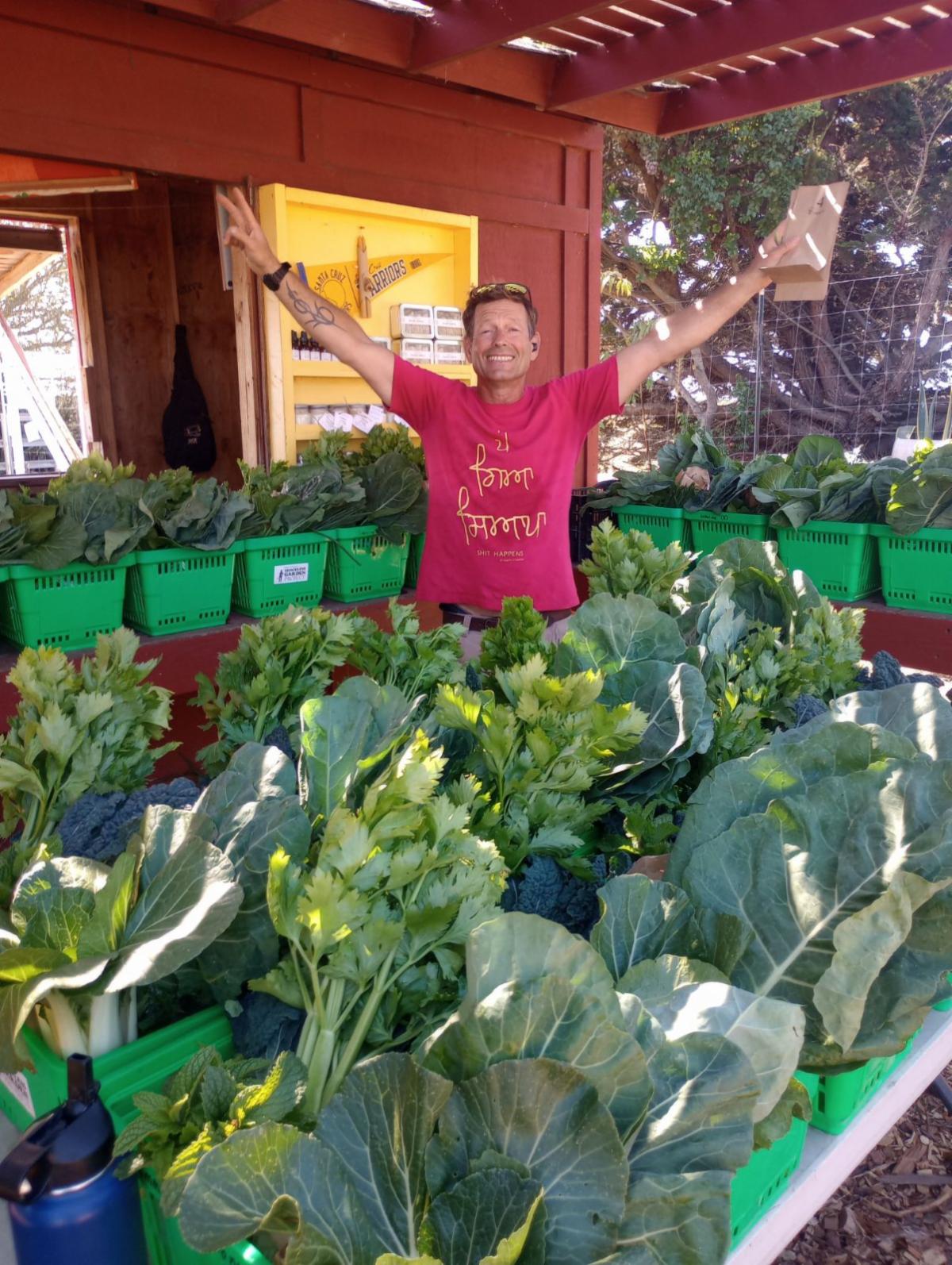
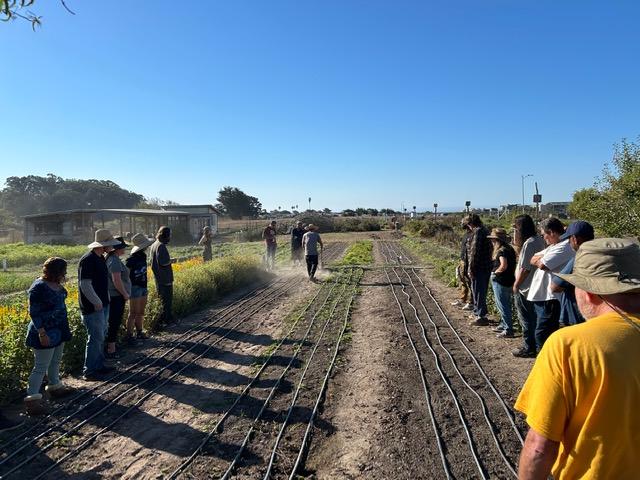
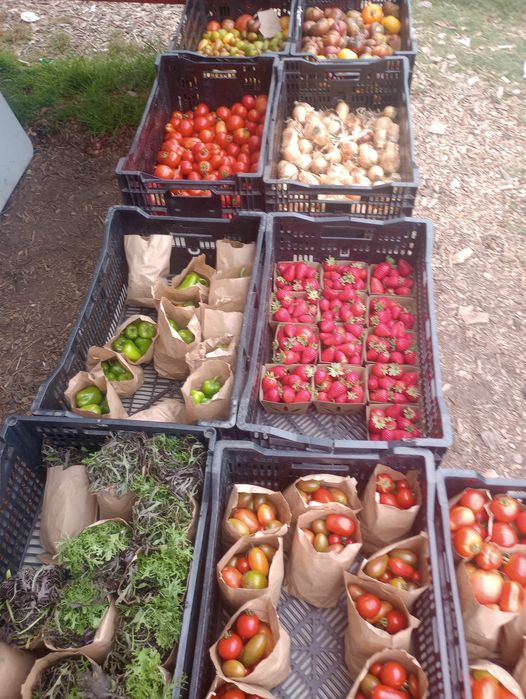
This year, we grew, tended and harvested more than a whopping 37,000 pounds of produce for CSA shares, Feed 2 Birds shares, Farm Stand sales, events and trainee lunches!
Watch the Video of the Summer Sustain Supper
Hear from:
- Chef Katie Reicher of Greens Restaurant
-
Keynote Speaker: Manjula Martin author of The Last Fire Season, Introduced by Jonathan Franzen
- Echelcon team, who we honored for making critical repairs to our 30 West Cliff Drive office
- Voice of Experience: Chris Beresh, Introduced by Kyle Franks, HGP Graduates
"The healing I'm talking about is the relationship that is cultivated when people and plants provide mutual care for one another. That relationship, that care, is where the hope for the future lies."
--Manjula Martin, from her keynote address at the Supper
"During my time in the program, I stayed focused on staying clean, creating a good work ethic, and setting achievable goals with my Social Worker. I learned to show up to work everyday and be a dependable employee. One of the goals I set with my Social Worker was to find full time employment. I did a mock interview with a woman named Shelby from New Leaf and later found out that they had open positions."
--Chris Beresh, who now works full time at New Leaf Community Markets, Willingness to Change
| |
Developing Purpose and Community:
A Special Grant Initiative
| | |
Back in 2024, the Santa Cruz County Health Services Agency’s Behavioral Health Division and Santa Cruz County Community Foundation awarded over $800,000 of the Santa Cruz County Opioid Settlement Funds Community Grant Program distributed among seven nonprofit organizations, including Homeless Garden Project, with us receiving $47,341. The funds support organizations to provide prevention, early intervention, harm reduction, treatment, and recovery of opioid-related disorders and harm. To learn more about the grant program, please see the press release.
Our pilot project, "Developing Purpose and Community" serves people in recovery who want to get back to work to participate in a brief program of job preparation workshops and on-the job training. We ran two sessions in 2025 and will run an additional session in early 2026. Our proposal was inspired by one of our trainees who spoke about how our program supported his recovery and re-integration into the community.
The Substance Abuse and Mental Health Services Administration (SAMHSA) explicitly recognizes employment support, particularly supported employment approaches, as evidence-based practices that contribute to recovery from substance use disorders, including opioid use disorder, by improving quality of life, social integration, and sustained recovery outcomes.
Meaningful work supports recovery goals by increasing financial stability, fostering daily structure and routine, enhancing self-confidence, and strengthening social connectedness--all key goals of our holistic program.
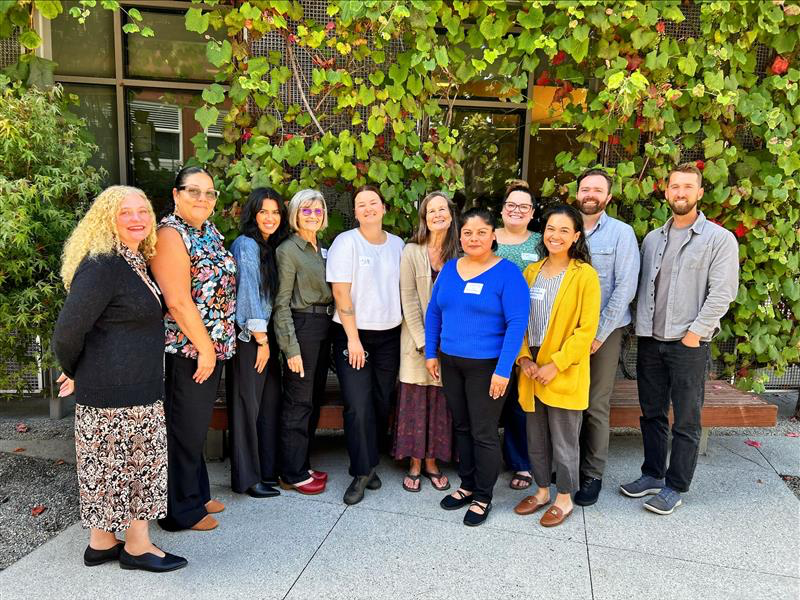
In September, we joined with other grantees for a Learning Exchange, connecting our work to the work being done across the county. (see photo). We are so grateful for the opportunity to do this work and to learn from fellow grantees.
| | Our Manual is Available on our Website! | | |
Over the years, many people have reached out to us to learn how to start a similar program. We began counting in 2021--since then, over 100 individuals and organizations have reached out to us because they want to start a similar project.
One of our funders was enthusiastic about our goal of creating a way to share our successful model so that it can be replicated. Over 13 sessions, we partnered with Everyone Village in Eugene, Oregon, in a "Knowledge Share" about how HGP's programs encourage transformation and work-readiness, and the operations that support our mission. These sessions were attended by staff from the University of Oregon's Landscape for Humanity, as well as UCSC staff from the Center for Economic Justice and Action (CEJA), headed up by HGP Board Member and longtime partner, Heather Bullock.
CEJA wrote the manual based on these sessions and additional research. The resulting manual, consisting of 11 chapters covering everything from a general introduction to HGP to "Working with the Community, HGP's Volunteer Program and Partnerships" over 262 beautifully illustrated pages is now available online: Homeless Garden Project: A Guide to Transitional Employment and Therapeutic Agriculture.
| |
An Excerpt from Alice Waters' Foreword
There are few things as transformative as growing your own food. This is not merely an untested belief: Every year for the past 30 years I have witnessed this transformation happen with students at the Edible Schoolyard in Berkeley, California, a garden and kitchen classroom in a public middle school.
I have also witnessed this transformation occur with gardeners working in a horticulture training program at a jail. People from countries all over the world—young, old, from countless different cultures and communities—experience this change.
All around the globe, I have seen the same evidence time and again: Planting, growing, and harvesting your own food engenders patience, love of nature, confidence in your own abilities, and—perhaps most powerfully of all—a deep and abiding pleasure derived from the work.
| | |
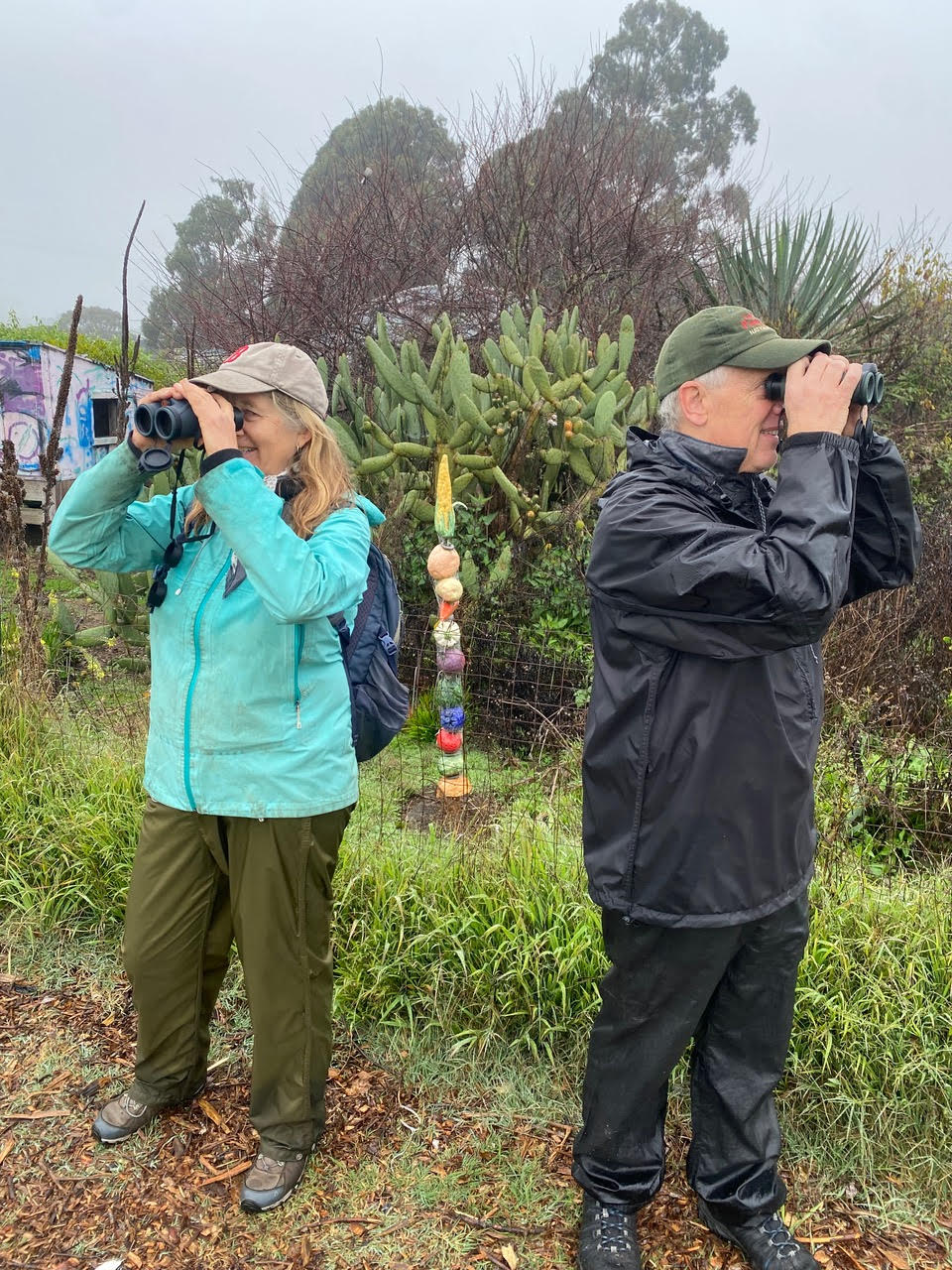
As I close for now, a quick note that we hosted hearty birders on a beautiful misty morning this past Saturday for the Christmas Bird Count in Santa Cruz. You can see the results of their count at the farm here and a list spanning a longer period of time of birds sighted at our farm here.
As the year draws to a close, please consider making a gift to support our work--support from people like you is what makes our work possible. We are still about $200,000 short of our year-end goal.
Thank you for investing in our work and making it possible! We cherish our partnership with you.
Warm good wishes for the holidays and much appreciation,
Darrie
Darrie Ganzhorn
Executive Director
| | | |
"...May the shelter and nourishment of all the good you have done, the love you have shown, the suffering you have carried, awaken around you to bless your life a thousand times...."
--John O'Donohue, A Blessing for Beauty
"We know that when people struggle with that sense of disconnection from one another — loneliness — when they don’t feel like they belong, it actually impairs their function in the workplace. It reduces productivity, creativity, and engagement, and ultimately retention. It impacts how students perform in school. It impacts our level of civic engagement. Think about this. In a society, especially a democratic society like the United States, we require and — not require — but we rely on the participation of people in communities to help make it better, to advocate, to vote, to help and serve. But that suffers also when people feel disconnected."
--Vivek Murthy, transcript from his On Being interview
"It's a clear-cut finding in social science: *Generosity makes you happier.*"
--Chris Anderson, Infectious Generosity: The Ultimate Idea Worth Spreading
| | | | |