THE BUSINESS NEWS OF FISHING. |
|
Tackle Warehouse Apparel Sale |
|
Take advantage of big savings on Tackle Warehouse apparel. Save up to 75% here.
|
|
Ray Scott Father Of Modern Bass Fishing Has Died |
|
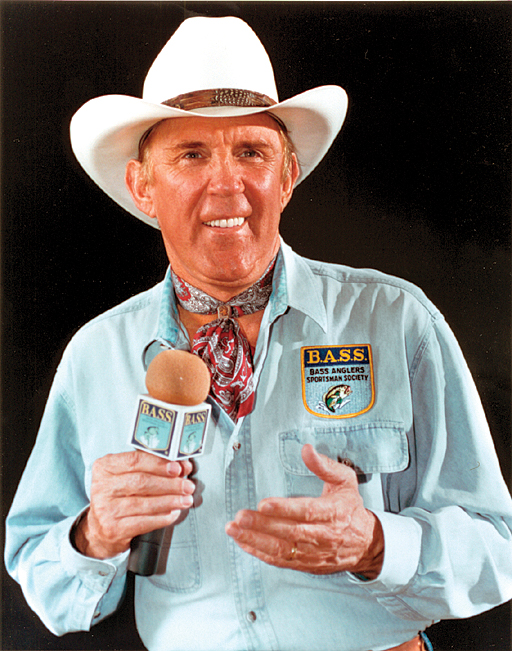
Ray Scott passed away on Sunday, May 8 at around 11:30 p.m. He died peacefully in his sleep of natural causes. Scott was 88 years old. Scott founded the first national professional bass fishing circuit, the Bassmaster Tournament Trail, in 1967 and the following year founded the Bass Anglers Sportsman Society — B.A.S.S. — which would grow to become the world’s largest fishing organization.
“Our entire organization was saddened to hear about the passing of our founder, Ray Scott,” said Chase Anderson, B.A.S.S. CEO. “Ray’s passion and vision for bass fishing birthed our entire industry more than 50 years ago when he founded B.A.S.S. and started the first professional fishing tournament series. His legacy is felt to this day and continues to influence B.A.S.S., the world’s largest fishing membership organization, which he started in 1968. Ray’s contributions and impact on conservation and his advocacy and passion for anglers and our sport set the standard for tournament fishing and are something we will always strive to uphold. “Our hearts and prayers are with the Scott family.”
The bass tournament competition Scott created rewarded anglers who caught the heaviest limits of bass in the three- or four-day events, which served as the proving grounds for rapid advancements in bass boats, outboard engines, fishing tackle, lures and electronics. Everyday anglers began purchasing whatever the bass pros were using, spawning a massive bass fishing industry that today has an economic impact in excess of $125 billion per year and employs more than 800,000 people nationwide.
Before Scott began pursuing his dream of organizing America’s bass anglers, the sport was a laid-back, mainly Southern pastime that was largely overlooked by the trout-focused national outdoor media. To serve B.A.S.S. members and to publicize the tournament trail, Scott launched Bassmaster Magazine, which the New York Times described as “the Bible of Bass Fishing,” and which ultimately would be delivered to 650,000 B.A.S.S. members monthly.
In 1984, he and then-Bassmaster Editor Bob Cobb created The Bassmasters TV show, which attracted more than 1 million viewers weekly on The Nashville Network. Aired today on Fox Sports, the program is one of the longest-running and most-watched fishing shows in history.
Not only did Scott help grow the sport of bass fishing, but he also did more than any other individual to preserve it.
In 1972, he debuted the “Don’t Kill Your Catch” campaign and mandated that all tournament competitors’ boats feature an aerated livewell to keep their bass alive. “I didn’t invent catch and release,” Scott acknowledged, “but we did make it popular in bass fishing, and that changed the sport in so many ways. We preached that a bass is too valuable to be caught only once. We helped fishermen learn how great it felt to catch a 5- or 6-pound bass and then lean over and let it go and watch it swim away, hopefully to be caught again.”
As a result, the catch-and-release ethic caught on so well that more than 90% of all bass anglers today release all or most of the bass they catch. Scott and his rapidly growing B.A.S.S. organization also crusaded against the industrial pollution of America’s waterways. In 1970 and ’71, Scott filed some 200 anti-pollution lawsuits, drawing national attention to declining water quality and contributing significantly to passage of the Clean Water Act of 1972.
He was an early advocate of bass fisheries research, and he campaigned zealously for passage of the federal Wallop-Breaux Sport Fish Restoration Amendment of 1984. When the bill stalled in Congress, Scott’s friendship with then-Vice President George H.W. Bush helped ensure enactment of the amendment. As a result, approximately $375 million in sportfish restoration allocations are provided annually to state fisheries agencies for management, aquatic education and public access projects. Few individuals have had a more positive impact on boating safety than Scott. Early on, he began requiring tournament competitors to wear personal flotation devices whenever boating, and he convinced manufacturers to make emergency shut-off devices — “kill switches” — standard features on motorboats. In 1994, he was instrumental in passing the comprehensive Boating Safety Reform Act in Alabama, which became the first state to require that boat drivers pass a written exam and obtain a boat operator’s license. In recognition of his efforts, President Jimmy Carter appointed Scott to the U.S. Coast Guard’s National Boating Safety Advisory Council, and in 2002, he was inducted into the National Boating Safety Hall of Fame. Scott earned numerous other accolades and honors for his contributions to outdoor recreation over the years. Field & Stream Magazine listed Scott — along with President Theodore Roosevelt, environmentalist Rachel Carson and naturalist/conservationist Aldo Leopold — among 20 individuals who most influenced outdoor sports during the 20th century. He was inducted into the inaugural class of the Bass Fishing Hall of Fame in 2001, the International Game Fish Association Hall of Fame in 2004 and the National Freshwater Fishing Hall of Fame in 1987. He was named the 1988 Sport Fisherman of the Year by the Sport Fishing Institute. The elder President Bush picked Scott as his Alabama state chairman during his 1979-80 presidential campaign, and the two remained good friends and fishing companions throughout Bush’s terms as Vice President and President of the United States. Scott’s was a true rags-to-riches story. He was born in Montgomery, Ala., on Aug. 24, 1933, and grew up there during the depths of the Great Depression. His father operated an ice cream cart and his mother worked as a hairdresser to support the family, which grew to include Ray, his brother and three uncles — all living in a one-bedroom home. Scott contributed to the family treasury by delivering groceries on his bicycle, mowing lawns and selling peanuts at baseball games. Scott suffered from dyslexia, which contributed to his having to repeat eighth grade, but he eventually managed to earn a degree in Business Administration from Auburn University and soon afterward became one of Mutual of New York insurance company’s top salesmen in the Southeast. In recognition of his successes, Scott received the 2003 Horatio Alger Award, which honors the achievements of outstanding Americans who have succeeded in spite of adversity. After a decade in the life insurance business, Scott had a vision that he might be the one to elevate the national profile of bass fishing to be, as he said, “on par with golf” and worthy of television exposure. That year, 1967, he quit his job and began organizing the first major national bass fishing tournament, the All American at Beaver Lake, Ark. The event was successful enough for Scott to begin holding tournaments at other reservoirs in the South and to launch B.A.S.S. and Bassmaster early in 1968. His brainchild, the annual Bassmaster Classic world championship, grew from two dozen competitors and about that many spectators at Lake Mead, Nev., in 1971, to become the biggest event in sportfishing over the next half-century. Today, the Classic and related events such as the Bassmaster Classic Outdoors Expo record more than 100,000 fishing fans each year. He sold B.A.S.S. to an investment group including his executive vice president, Helen Sevier, and other employees in 1986, but he continued to serve as emcee of the Classic for several more years. He later became a consultant and a popular spokesman for numerous companies in the fishing industry, and he launched a successful hunting industry enterprise to market deer feed and related products through his Whitetail Institute.
After a half-century of helping to grow and shape the sportfishing industry worldwide, Scott retired to his farm near Pintlala, Ala., where he remained mostly out of the public eye in the years prior to his death. He is survived by his wife Susan and his four children.
|
|
U.S. Open Moves To Mohave |
|
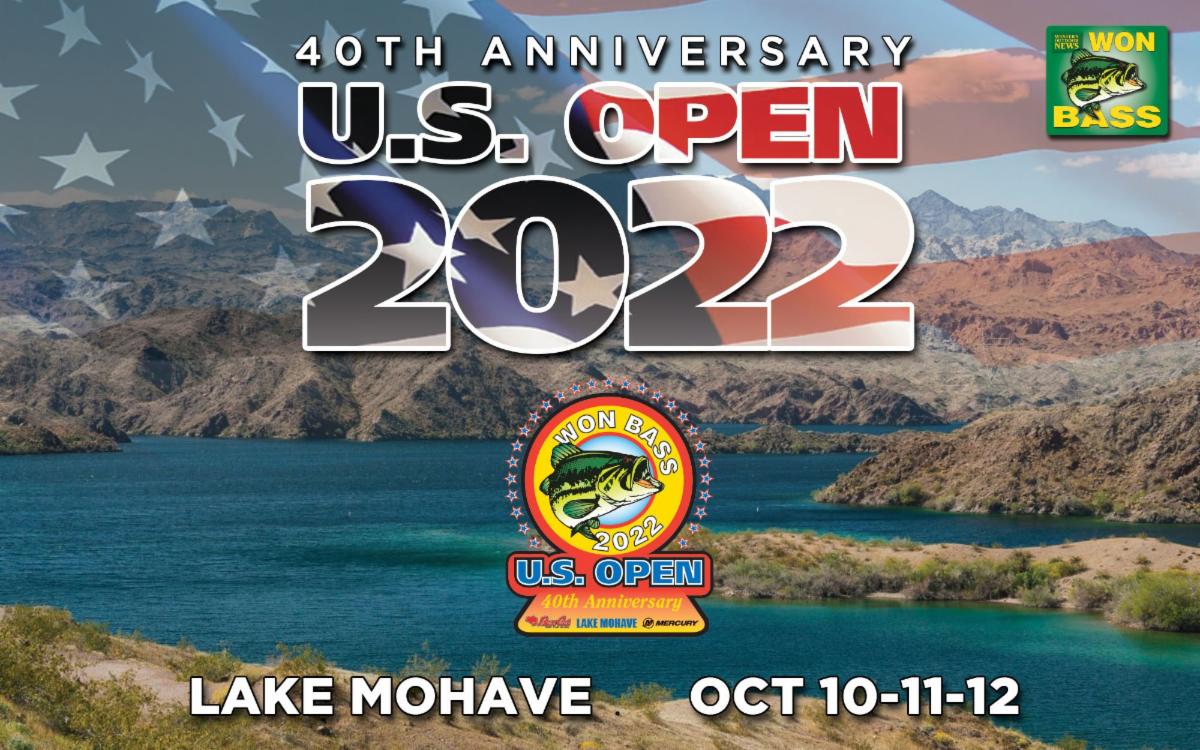
After 39 consecutive WON BASS U.S. Opens held at Lake Mead, the 2022 installment of the event is shifting to Katherine Landing at Lake Mohave due to historically low water levels at Mead. With boat launching conditions at Mead currently rated as poor and with all predictions forecasting even more dire conditions coming this fall, WON BASS tournament director Billy Egan officially made the decision this week to move the prestigious event to Mohave.
“It was a tough call and one that I’d hoped to never have to make, but at this point it was the only call to be made,” Egan said of the move to Mohave. “It’s just a really tough situation at Lake Mead right now as most people are aware, and the conditions simply won’t be feasible in October to successfully put on such an important event of this size and scope.
“That being said, after putting on our first and highly successful WON BASS Laughlin Open at Mohave in March, it became clear to me that Mohave was the right place if and when we had to move the U.S. Open,” Egan continued. “Plenty of water, terrific amenities, and facilities and just a fantastic fishery all-around, Mohave is going to be a great alternative for the 40th anniversary of the tournament.”
The official tournament dates for the U.S. Open remained unchanged, as the event will be held October 10, 11 and 12 out of Katherine Landing. Further details surrounding the event are currently being finalized and will be released soon via wonbassevents.com, WONews.com and WON BASS and Western Outdoor News social media platforms.
|
|
5. Baits Not Being Talked About |
|
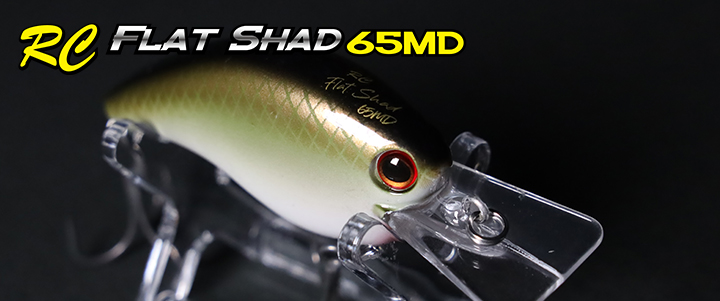
Designed in collaboration with legendary crankbait angler and 4-time Bassmaster Classic champion Rick Clunn, the Ichikawa Rick Clunn Flat Shad Crankbaits displace tons of water and are detected better by larger fish through their lateral line. Built specifically for cold water cranking, the flat-sided and thin body shape of these crankbaits make them an ideal option when fishing in low light or dealing with poor visibility water conditions. By aligning the flat head shape with the same angle as the bill, the RC Flat Shad Crankbaits hit their targeted depths quickly and produce a tight vibration perfect for lethargic bass and pressured fisheries.
Entrusting the fine craftsmanship and Japanese engineering skills of Ichikawa Fishing, Rick believes they have succeeded in creating a consistent flat-sided crankbait with tolerances that achieve the quality, action, and durability needed to perform at fast reeling speeds. Armed with sticky sharp Kamakiri treble hooks, these crankbaits are ready to fish out of the package and excellent at retaining their sharpness even after extended use. Available in a range of proven fish-catching colors, the Ichikawa Rick Clunn RC Flat Shad Crankbaits are the ultimate tool for hunting down big cold-water bass.
Check out the full lineup here.
|
|
6. What We're Watching & Listening To |
|
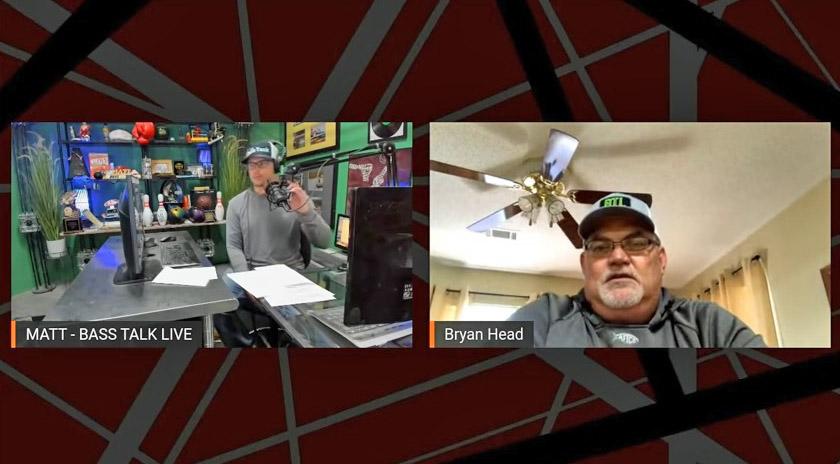
Sales Manager of Denali Rods Bryan Head joins Matt Pangrac on Bass Talk Live to answer all your questions on the technical aspects of rods. See the full video here.
|
|
Photo Courtesy MLF
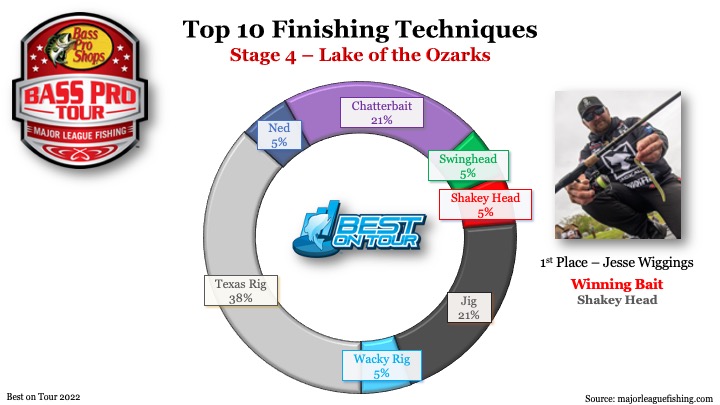
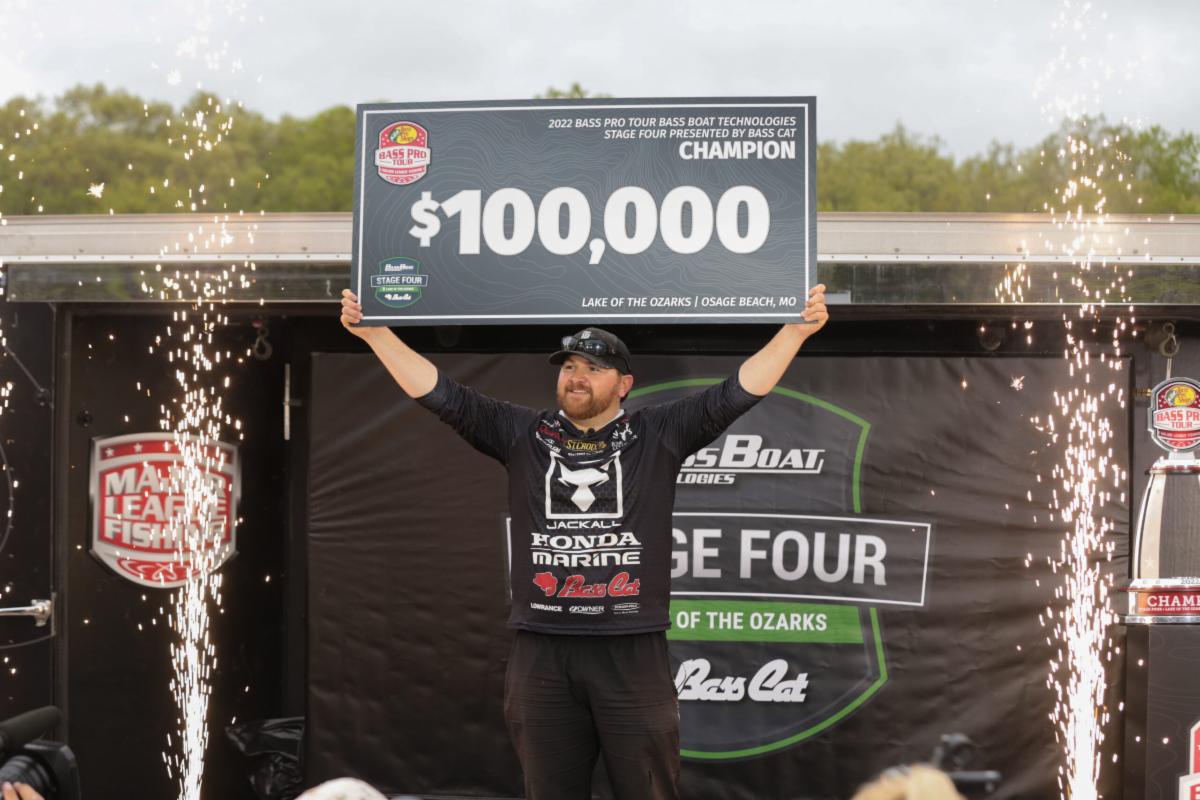
Recent Bass Pro Tour champion Jessie Wiggins's sponsorship lineup includes Jackall Lures, Power-Pole, Lowrance, Honda Marine, St. Croix Rods, Bone Collector, Seaguar, Quantum, Vision Wheel, and Titan Tungsten just to name a few.
|
|
Missile Baits Collaborates With Roboworm |
|
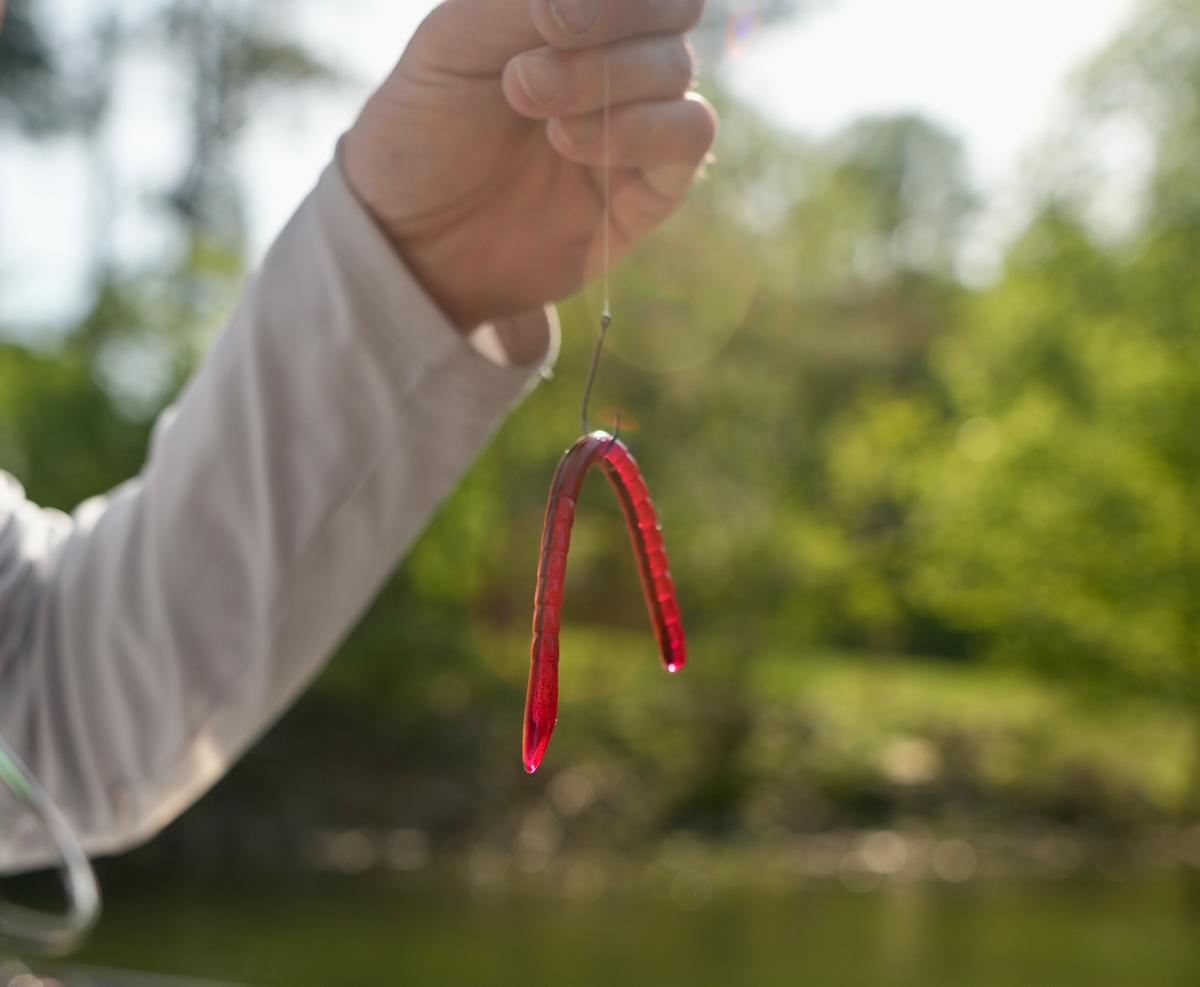
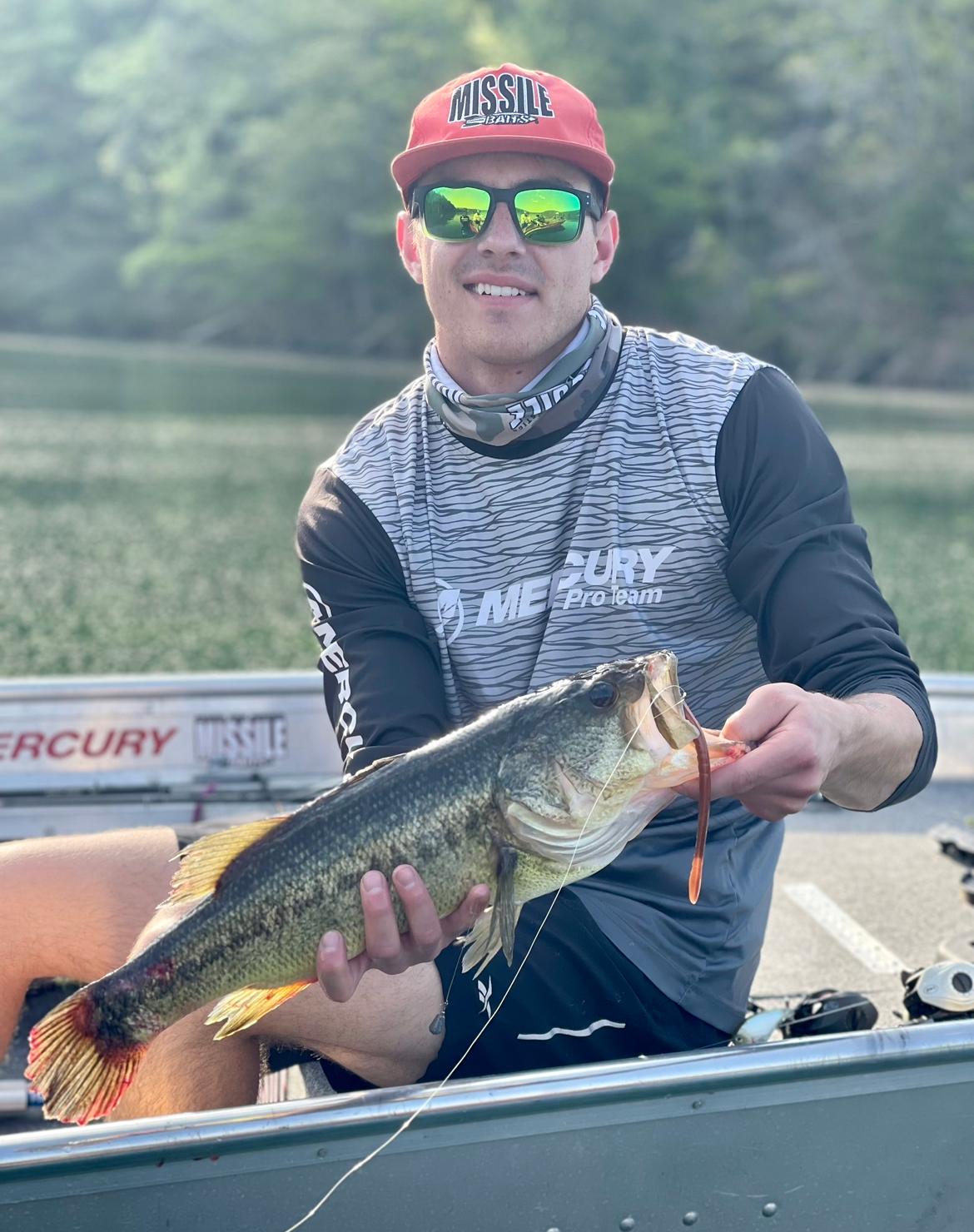
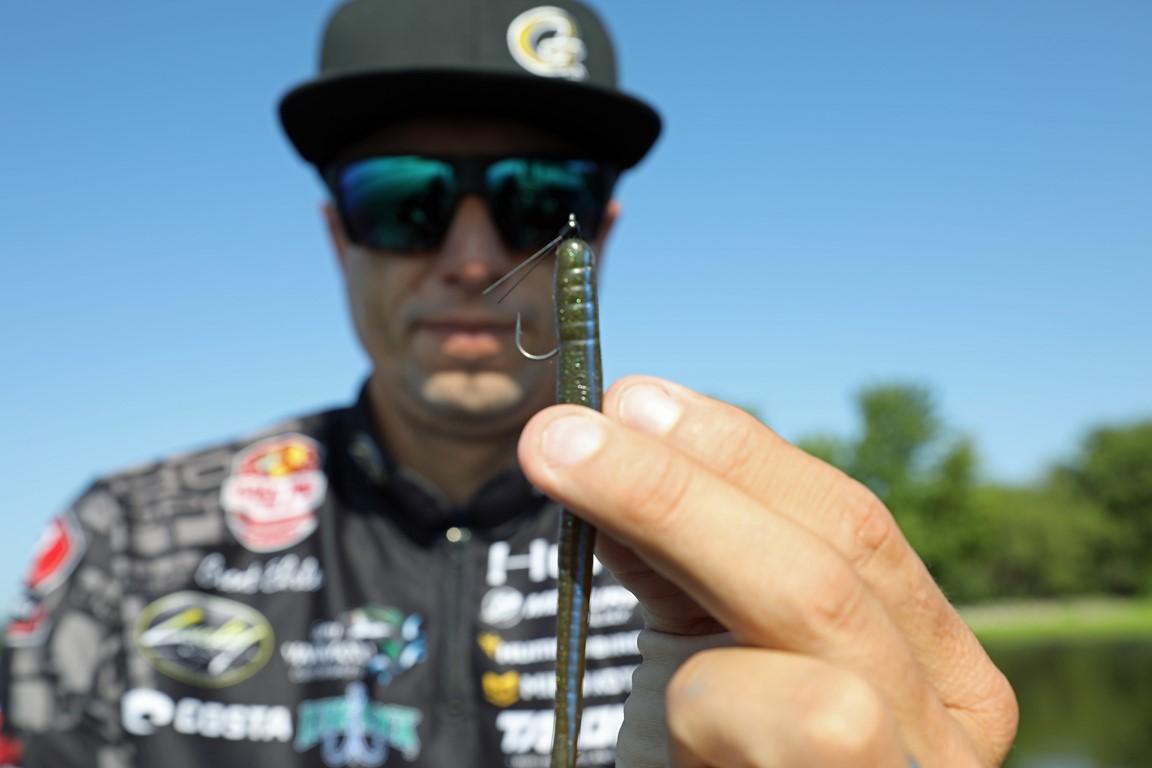
Missile Baits is collaborating with Roboworm to make the all-new Magic Worm. Continuing their Made in the USA tradition, Missile Baits is having Roboworm manufacture their new, all-purpose, finesse, hand poured soft plastic bait called the Magic Worm. It is a 6” straight worm with proportions that make the Magic Worm easy to rig in most of the popular finesse techniques including drop shot, Neko rig, Texas rig, shaky head, and wacky rig.
“The Magic Worm is something I have been needing in my arsenal for years. After talking with Roboworm and figuring out they can make baits for us, I immediately knew what I wanted to design. I have already caught a bunch of bass on them including some big ones with the original mold and color samples. It played a big role in my BASS win on the St. John’s River this year and really is an amazing little bait,” says John Crews, BASS pro angler and Missile Baits owner.
The Magic Worm will come in 12 totally unique colors that only Roboworm can pour. Some of the expected top colors include Green Pumpkin Money, Junebug Dream, Missile Morning, and John’s Juice. Each bag will be loaded with 14 worms for a suggested retail price of $10.99. First production run is expected in late May or early June.
|
|
Gamakatsu, History of the World’s Best Fish Hooks |
|
The world’s oldest fish hooks made from sea snail shells were discovered in Sakitari Cave in Okinawa Island around 20,000 years ago. The invention of the fish hook marked the beginning of sport fishing. All of these early fish hooks were made from wood or bones and were advancements of the gorge. As technology improved so did the hooks, with Europe and Japan creating the earliest hooks and leading the advancements in hooks throughout the years. In the 1900s new materials and manufacturing techniques resulted in the development of more styles of hooks and designs for a wider range of fishing techniques.
Gamakatsu started producing fish hooks in 1955. At that time, they were the smallest hook manufacturer in Japan, and their hooks were made by hand. In 1963 they introduced a new automated heating facility which catapulted them to the forefront of the Japanese market. This new technology allowed Gamakatsu to make better hooks more quickly, giving them a competitive advantage in the Japanese market. In 1974 they introduced fully automated hook making machines, creating a necessity to build a second factory in order to meet the demand they had created. By 1976, being well established as the leading Japanese hook manufacturer, Gamakatsu started building a new factory to produce high quality fishing rods for the Japanese market.
|
|
|
How do you prefer to mount your forward facing sonar?
|
|
|
|
Like what you see, refer a friend.
|
|
|
|
|
|
|