| |
﷽
Weekly Updates from SufiLive
| | | | |
يَـٰٓأَيُّهَا ٱلَّذِينَ ءَامَنُوا۟ ٱصْبِرُوا۟ وَصَابِرُوا۟ وَرَابِطُوا۟ وَٱتَّقُوا۟ ٱللَّهَ لَعَلَّكُمْ تُفْلِحُونَ
O believers! Patiently endure, persevere, stand on guard (rabitu) and be mindful of Allah, so you may be successful.
Surat Al-‘Imran 3:200
This week, we welcome the summer solstice, the longest day of the year (in the Northern Hemisphere), and look ahead to the new Hijri year 1447. In this newsletter, we revisit highlights from Sufilive social media and dive into timeless wisdom from The Muslim Magazine archives. Whether you’re a familiar face or new to our circle, we hope these reminders of spiritual ribat and mujahadah inspire your heart and anchor you in service and self-purification.
Ibn `Abbas (ر) narrated:
Prophet Muhammad ﷺ said, "Whoever fasts the last day of Dhul-Hijjah and the first day of Muharram completes an entire year's worth of fasts in that previous year and Allah grants him penance for 50 years."
END-OF-YEAR DUAS
As the year comes to a close, it is customary to mark this sacred time by reciting Grandshaykh Abdullah al-Daghestani’s Sayyid ad-Dua and Du‘a al-Ma’thoura, seeking Allah’s forgiveness, mercy, and blessings before entering the new year. These duas are also recited at the start of the new year, turning both endings and beginnings into moments of divine connection.
☀️
| |
|
End of Dhul Ḥijjah:
When Repentence Reached the Heavens
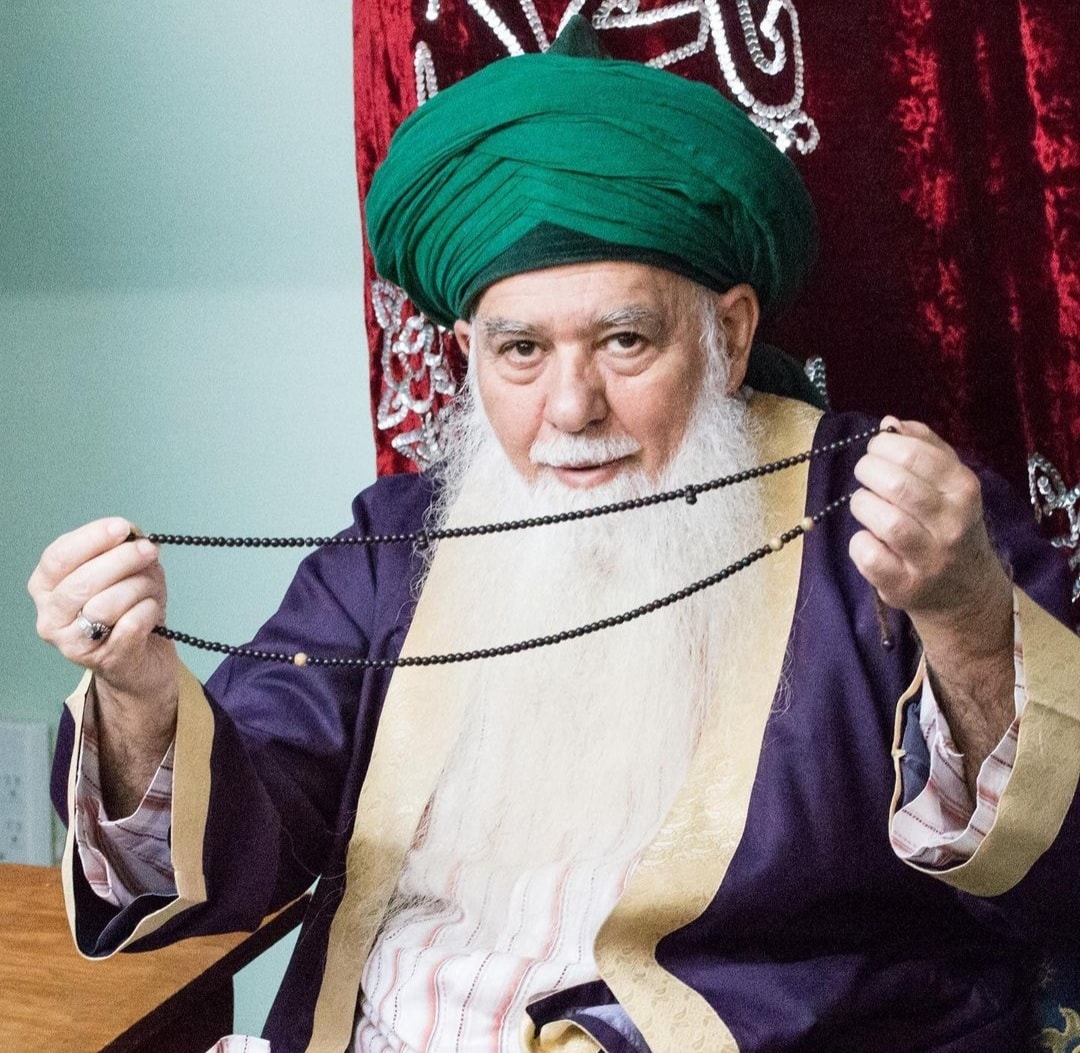
Mawlana Shaykh Hisham Kabbani
May 9, 2009
| |
Grandshaykh ʿAbdAllah (q) said that Shaykh Sharafuddin related:
There was a man who lived after the time of the Prophet ﷺ who was constantly drunk, drinking about a liter and a half of wine every day. Wine was prohibited by Allah ﷻ because it brings filthy characteristics and opens the door to the bad manners of Iblis, who made alcohol to corrupt people.
This man lived during the time of Sayyidina ʿUmar (ر), who never tolerated anything against Shariʿah. One day, the man saw ʿUmar approaching in the street. He panicked and said in his heart:
“Ya Rabbī, if You save me from ʿUmar today, I will repent from all my sins.”
Though he believed in Allah ﷻ and the Prophet ﷺ, he was trapped by his addiction—like many today who pray, but struggle to give up their sins. If one sincerely leaves something for the sake of Allah ﷻ and His Prophet ﷺ, divine support comes.
When ʿUmar reached him and asked, “What is in your hand?” the man said, “Nothing… it’s vinegar.” When ʿUmar looked, the wine had miraculously turned into vinegar. Allah ﷻ had changed it because the man’s repentance came from the heart.
That night, ʿUmar saw the Prophet ﷺ in a dream. The Prophet said:
“Ya ʿUmar! That man was sincere. Allah turned the wine to vinegar to guide him to repentance. Had you caught him with wine, you would have punished him. But Allah ﷻ is al-Sattar—the One who veils. When a servant repents, He veils them and turns their sins into good. Tell him Allah has forgiven and accepted his repentance.”
This happened at the end of Dhul Ḥijjah. Awliya’ say that from that moment, Allah created countless angels whose only duty is to carry sincere repentances to the Prophet ﷺ and to Allah ﷻ.
These are the Malaʾikat al-Ḥifẓ, the angels of protection. Whoever sincerely repents on the last night of Dhul Ḥijjah—between Maghrib and ʿIsha’, or between ʿIsha’ and Fajr—will be protected from Shaytan. That’s why the awliya’ honor the end of Dhul Ḥijjah and fast the first ten days of Muḥarram, seeking those immense blessings.
| |
|
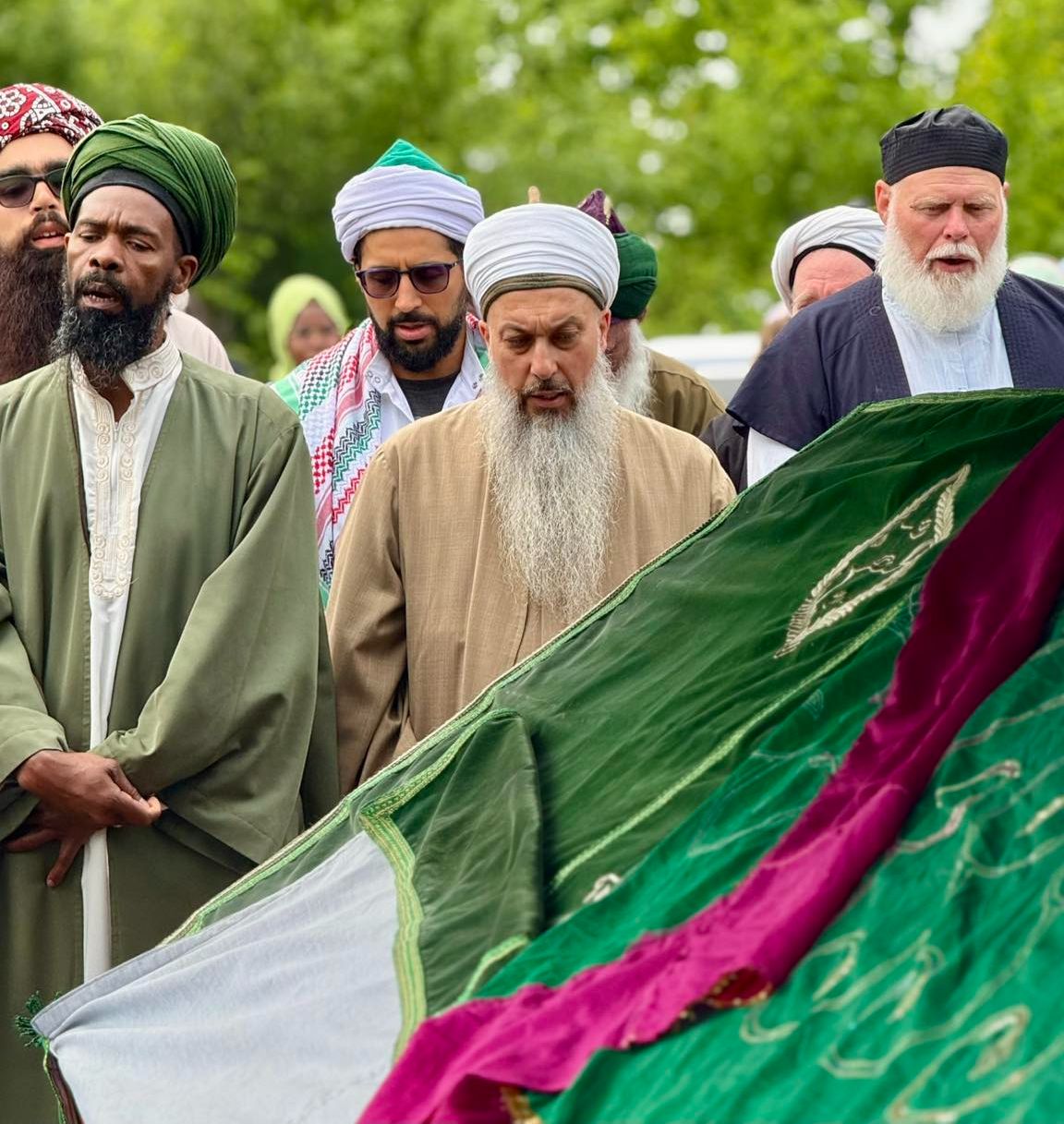
Shaykh Nour Kabbani
Cleveland, Ohio
June 14, 2025
If you want to attend the Presence of Allah ﷻ, you have to knock at the door. That means you have to leave Shaytan behind—Shaytan is not allowed inside.
When you say, “A‘oodhu billahi min ash-shaytaan-ir-rajeem,” you are asking permission: “Ya Rabbi, may I enter? I’m leaving that Shaytan behind. Keep him away from me and allow me to enter.”
Enter into Bismillahir Rahmanir Rahim—into that ocean. That ocean of mercy and love.
These two phrases are more than enough for all of us—in this dunya, the grave, the Day of Judgment, and in Jannah—to be in the Mercy of Allah ﷻ.
|
| | | |
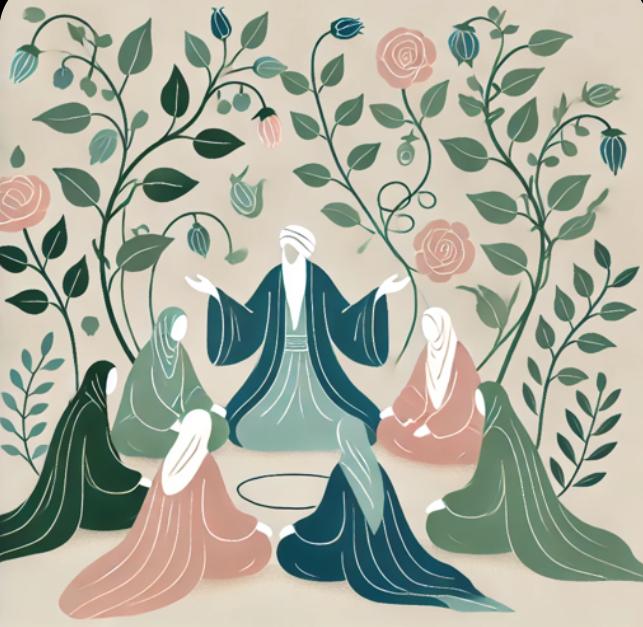
Hajjah Naziha Adil, an expert on Hanafi Fiqh, received heartfelt inquiries from women on a wide range of personal, spiritual, and social issues. Her compassionate, faith-rooted answers were published in The Muslim Magazine, a beloved print publication that ran from 1998 to the early 2000s.
We've revisited this archive and selected questions and responses to share in this newsletter. We hope to offer timeless guidance for today’s challenges, drawn from a voice of sincerity, scholarship, and the lived wisdom of our respected teacher.
🌹
| |
|
Dear Hajjiah:
I am a girl, 20 years of age, beautiful, rich—I have everything. My problem began with a boy’s interest in me: while he is educated, intelligent and of good character, financially he is less equal to my family. My parents refused him, saying that he might not give me a good life. Now no another boy has proposed marriage. He has good character, a promising job and decent salary, but still he is not my choice. He is my family’s. While I am happy to marry him, my parents have refused. Should I honor their wishes or should I go ahead and marry him?
— L.H.
| | |
As-salamu alaykum, L.H.:
Lower financial status is not a valid reason for your parents to reject any suitor. If he is of sound moral character and good standing in the community and if he has a good job and keeps his Islamic obligations, then you can accept his proposal, so must your parents. Islam is clear on this and provides this protection to young women. If you are happy with this proposal, you are within your right to stand firm and try your best to negotiate with your parents to rebut their reasons for rejecting the proposal.
As all Arab and other Eastern cultures emphasize family support and care—and tie their daughter’s happiness, you must convince them that your happiness truly lies with him, not the lifestyle they have provided you. Remind your parents how many wealthy men married rich women but went bankrupt. Money without faith is also unimportant. Point out that true wealth in one’s marriage lies in genuine happiness at home in one’s heart and in one’s contentment with her husband and children.
| | | |
|
Dear Hajjah:
I am writing for advice on a problem between me and my husband. We both work as doctors in a hospital. His salary is not adequate for our needs, so he is pressuring me to give him all my salary without leaving me anything from my earnings. He says this is my duty and is obligatory on me. In Islam am I obliged to help him in spending or can I keep my salary? This is creating conflict in our marriage. Please help.
— P.L.
| | |
Dear P.L.:
Before giving my advice, I would like to say you are a free independent woman, and Islam has given rights which encompass the express needs of women. Islam grants women the right to keep their money and be judged that the husband carry responsibility for the family by funding and providing for her from his income. If he is not obligated on the woman to spend her money, and there is no obligation on her to provide for the family, unless she gives it as charity, there is no place in Qur’an or Sunnah for the man to take the wife’s money and spend all of it.
My advice then to you is to keep in mind that marriage is a mutual concern and the relationship of a husband and wife must be based on mutual understanding and love. Therefore, I suggest you give some money to your husband to support the family and keep some of it, the part you give will be recorded as sadaqa towards your side. If the part you give the children and family with your hand, it will be seen by children having a better life. On the other hand, it will be seen by him as a gracious gesture and prevent it blowing up into a bigger issue, as he is clearly under financial strain.
| | | |
| |
The Honor of Women in Islam
Author: Professor Yusuf Da Costa
Relying explicitly on the source texts of Islam, including the Holy Quran and the sayings of the Holy Prophet Muhammad (peace be upon him), Dr. da Costa details the true rights and roles of Muslim women. He then presents several leading female figures from Islamic history whose exemplary lives truly demonstrate the honor and power God has bestowed upon women. If we consider Islam in its traditional form, as practiced by the majority of Muslims throughout the world, and not the handful of fundamentalists to whom our attention is often drawn, we too may witness The Honor of Women in Islam.
| | | | Join Shaykh Nour's Caravan | | | |
Livestream on Sufilive:
- Thursdays 7:30 PM EST: Dhikr & Sohbat
- Fridays 1:45 PM EST: Jummah
- Saturdays 6:30 PM EST: Dhikr & Sohbat
| | We created this Whatsapp group dedicated to helping visitors at Fenton Zawiyah. This group connects local mureeds who can host and welcome our visiting mureeds from out of town. Let us know when you are planning to visit, inshallah! | |
Update on Sufi Farm Cat Project
| |
| |
Alhamdulillah!
We are grateful to everyone who generously supported the Jannatul Firdaus Cat Sanctuary last month. With your help we were able to exceed our fundraising goal, organize volunteers from across the country, provide medical care for several sick cats, build safe feeding stations away from the chickens and raccoons, and find homes for four kittens.
There are more kittens on the way, so if you are interested in adopting them please get in touch via email (hrabbani@sunnah.org)
| | | | Sufilive/ISCA is a 501(c)(3) nonprofit religious organization. Your contribution is tax-deductible to the extent allowed by law. Update your contact information BELOW in order to receive year-end tax-deduction documentation for tax purposes. | | | | |