Faulkner County Agriculture Update

February 21, 2025


General Conditions

Weather


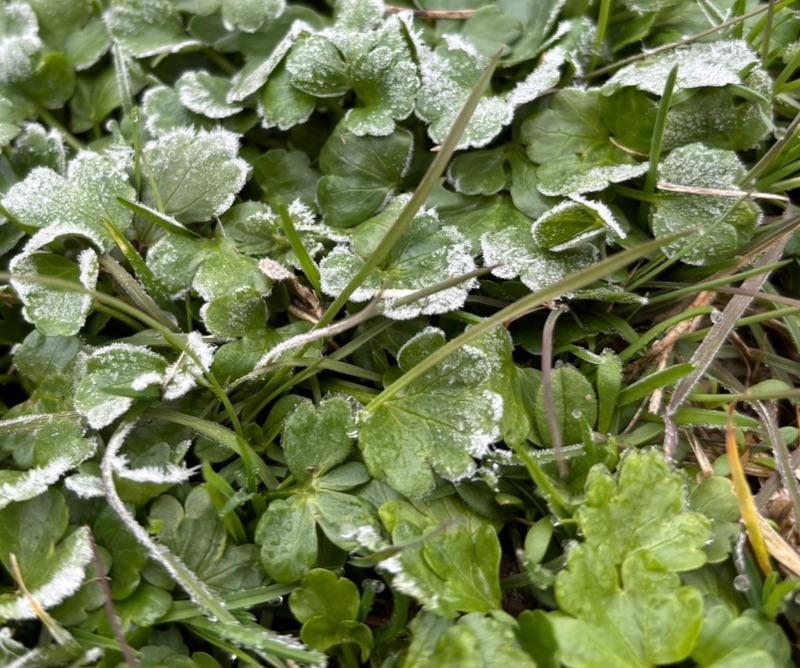
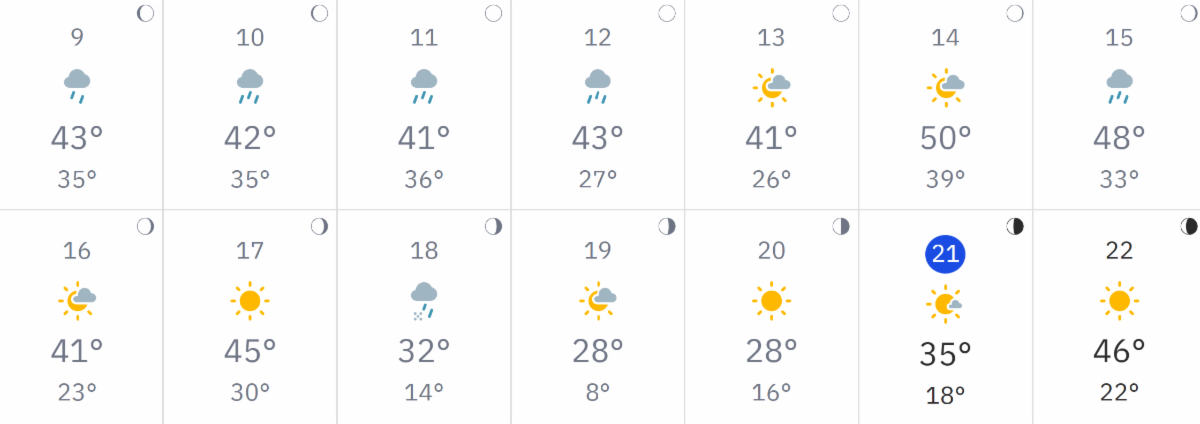
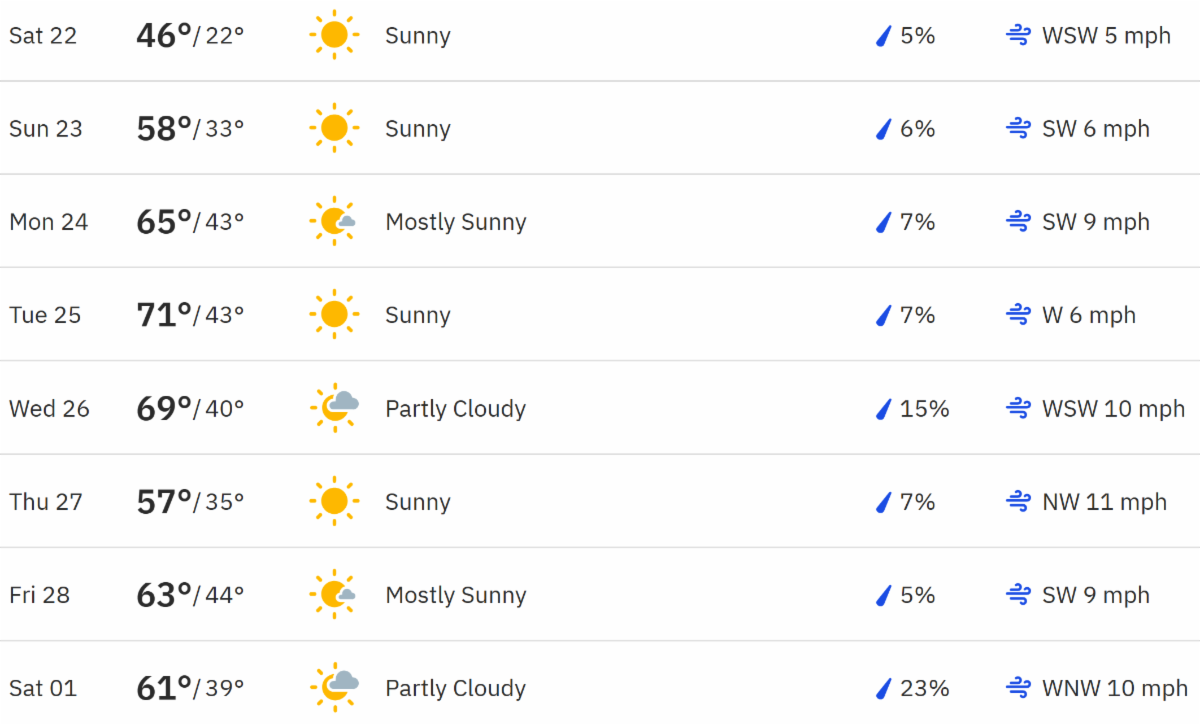
Luckily we dodged a winter bullet this week. Even though we got the cold with some ice and snow it wasn't as bad as it could have been. Early predictions looked like we would be stuck at home for a week, but most people were out and about on Wednesday. Now we are looking at going from a low of 8 to a high of 71! This is Arkansas weather!

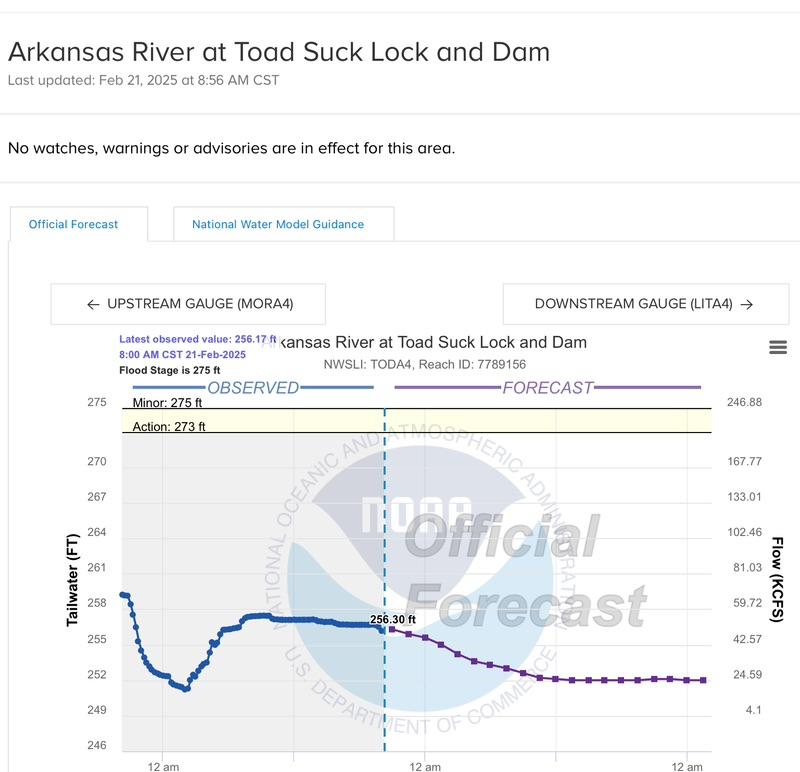
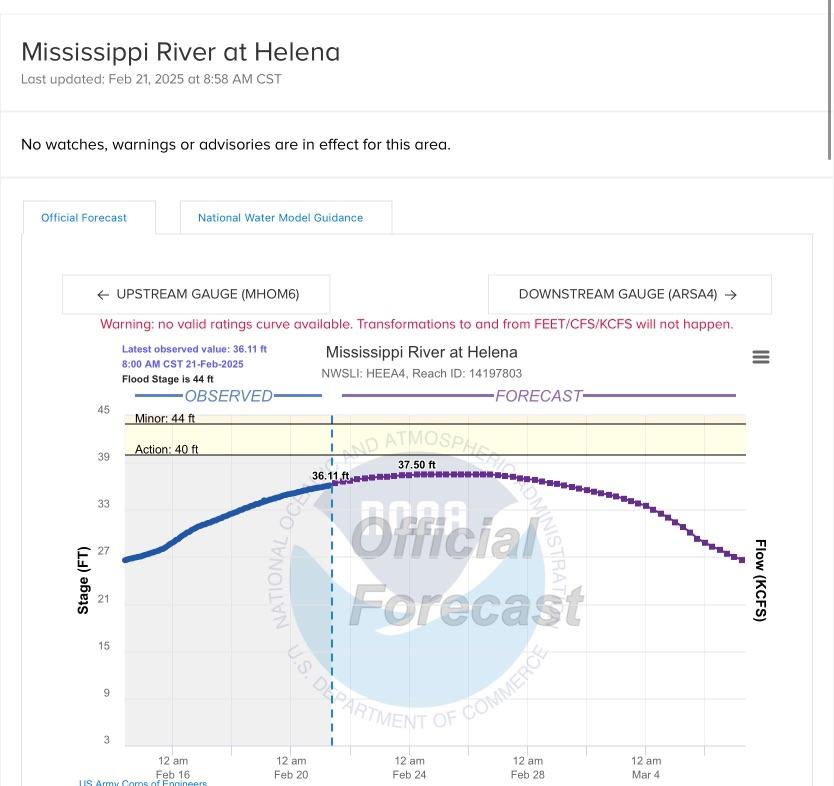
Arkansas and Mississippi River

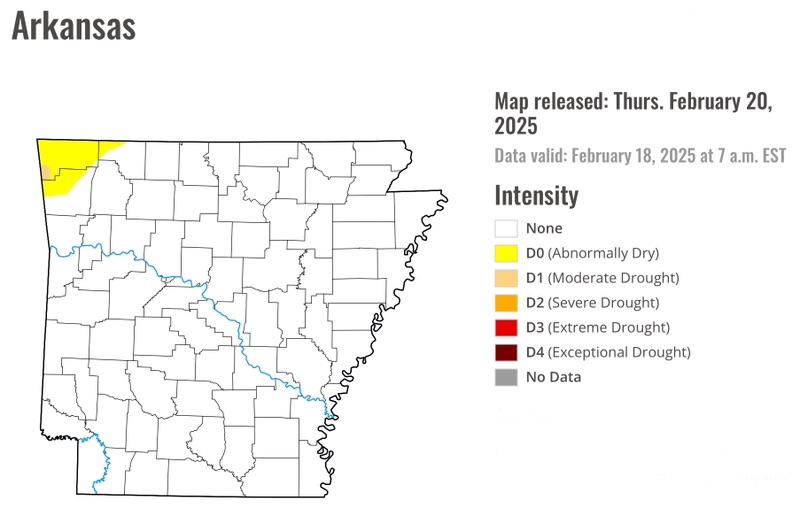
Drought Monitor
US Drought Monitor

Row Crop

Soil Fertility Training: Back to Basics

by Trent Roberts and Bronc Finch


The Division of Agriculture soil fertility team will be hosting a Soil Fertility Training on March 11 at the Lon Mann Cotton Research Station in Marianna. 

Covered topics will include: 

  • Plant essential nutrients
  • Soil basics
  • Soil and water conservation
  • Soil testing philosophy interpretation


Additionally, the workshop will include a tour of the Division of Agriculture's Soil Testing and Research Lab.


Check-in runs from 8 to 8:30 a.m.. Registration is free and lunch will be provided to those who register by March 4. Those interested can register here, or scan the QR code pictured. 

Wheat


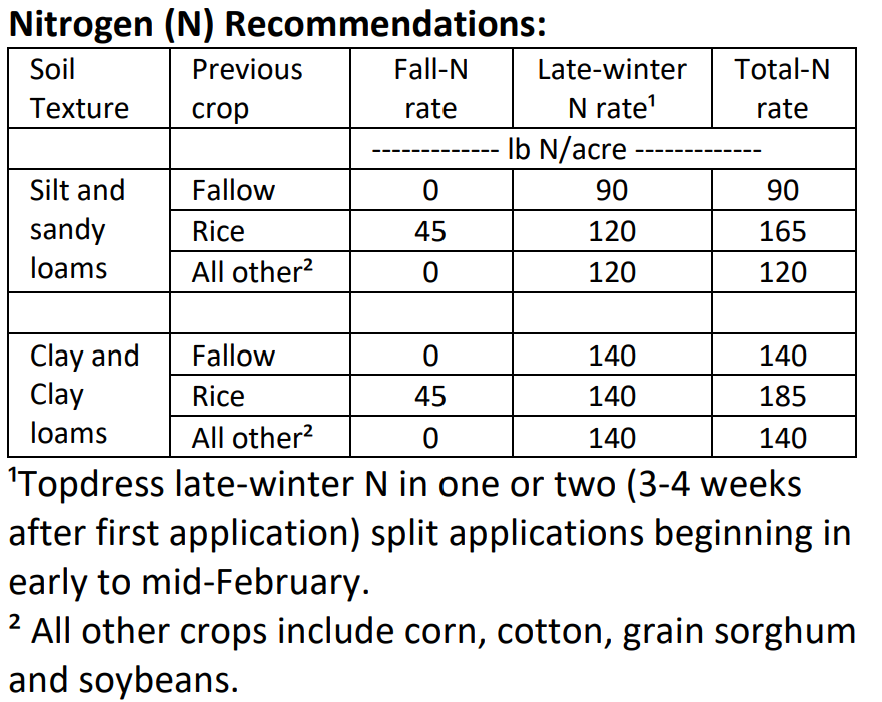
As we dry out from this last round of winter weather, it is time to start looking at fertilizer applications to the wheat. Temperatures are about to warm back up and this crop is about to kick off and start growing. When it is all said and done we need around 120-140 units of nitrogen out there and on our sandier soils about 20 units of sulfur. It would be better to split this up into two or three applications depending on if you got some fertilizer out a few weeks ago.

River Valley Rice Meeting


The River Valley Rice Meeting will be held on March 4, 2025 at Brown's Catfish Restaurant in Russellville.

Beef, Small Ruminants, & Forages

Pasture to Plate Update


I wanted to give a quick update on The Faulkner County Pasture to Plate Project which is an opportunity for 4-H and FFA members to participate in and learn about caring and feeding an animal for harvest. All steers will be harvested at the conclusion of the Faulkner County Fair. Participants will be judged on gain, recordkeeping, fair show and carcass scores. Our first meeting will be a weigh in on March 15 to start the gain part of the project. We have 12 youth signed up with 14 steers. We are excited about the first year interest!

Avoiding The Calfcicle

Rosslyn Biggs, DVM; OSU College of Veterinary Medicine Beef Cattle Extension Specialist


Calving season is just around the corner or has already arrived for many. Preparing in advance, particularly for those facing inclement weather, will position producers to successfully address the needs of calves and avoid “calfcicles” in frigid temperatures.


Even before delivery, evaluating calving locations and facilities is a good place to start. Areas should be clean and dry. Consider providing shelters for animals to escape the weather. However, remember that as animals congregate, there can be an increase in disease contamination and transmission. Excellent onsite facilities or the ability to transport to a veterinary clinic is essential when addressing calving problems.


Remember to discuss your calving plan with your veterinarian. Build a relationship with your veterinarian well before a 2 am emergency calving call. Due to high demand, many veterinary practices will only accept emergencies from existing clients. Your veterinarian can work with you and your team to develop protocols for handling calving issues, especially during the cold.


At calving, heifers that labor in Stage 2 of parturition for longer than an hour, and cows that labor longer than 30 minutes, should be examined immediately. Be certain that calving equipment is clean, functional, and readily accessible. Your veterinarian can also help you develop essentials for a calving kit with critical items and medications.


Following delivery, the goal is to see the calf up and nursing as soon as possible. Delays in a calf receiving colostrum have both short and long-term impact on the immune system and in many cases set calves up for failure. Ideally, a calf should receive colostrum within the first two hours of life. Administering colostrum to calves without a suckle reflex using an esophageal feeder should be done with extreme caution due to the increased risk of aspiration pneumonia. Milking the dam or maintaining a supply of frozen colostrum are the best options for colostrum replacement.


Although recent arrivals are potentially most susceptible, even older, sick calves fail to tolerate extreme temperatures. Calves should be evaluated at least daily for signs of illness. The best way to monitor a calf’s temperature is with a rectal thermometer. Inexpensive digital thermometers work well and make it easy to evaluate progress when warming the calf is needed. If a calf’s temperature falls below 100 degrees F, gradually raise that temperature. Bring the calf indoors and out of the elements if needed. When used appropriately, warm water baths, blankets, and warming boxes are all options to rewarm a calf.


Be careful not to damage the skin of the animal by either rubbing too vigorously or placing the animal close to heaters. Additionally, if the calf is brand new, do not wash off the odor of amniotic fluid. This helps prevent rejection by the dam. Treatment of “calfcicles” often goes well beyond just warming.


Evaluating and correcting the underlying cause of a calf’s low temperature is key, especially if there is an infectious agent, such as those that can cause diarrhea, contributing to the condition. Oral or intravenous fluids, as advised by a veterinarian, can assist in warming and addressing internal fluid deficits. The metabolic state, including glucose levels and acid-base balances, should be considered. Medications to treat symptoms and nutrition for calves should not be overlooked. Intensive care of some calves and veterinary hospitalization may be needed depending on the value of the animal.


Early detection and interventions of frozen “calfcicles,” along with working with your veterinarian to develop protocols before calving season, can reduce stress and lead to more successful outcomes during calving season.

Soil Sampling, Fertilizing Winter Annuals and Winter Weed Herbicides


Looking at the forecast, it is time to get 2025 started for forages.


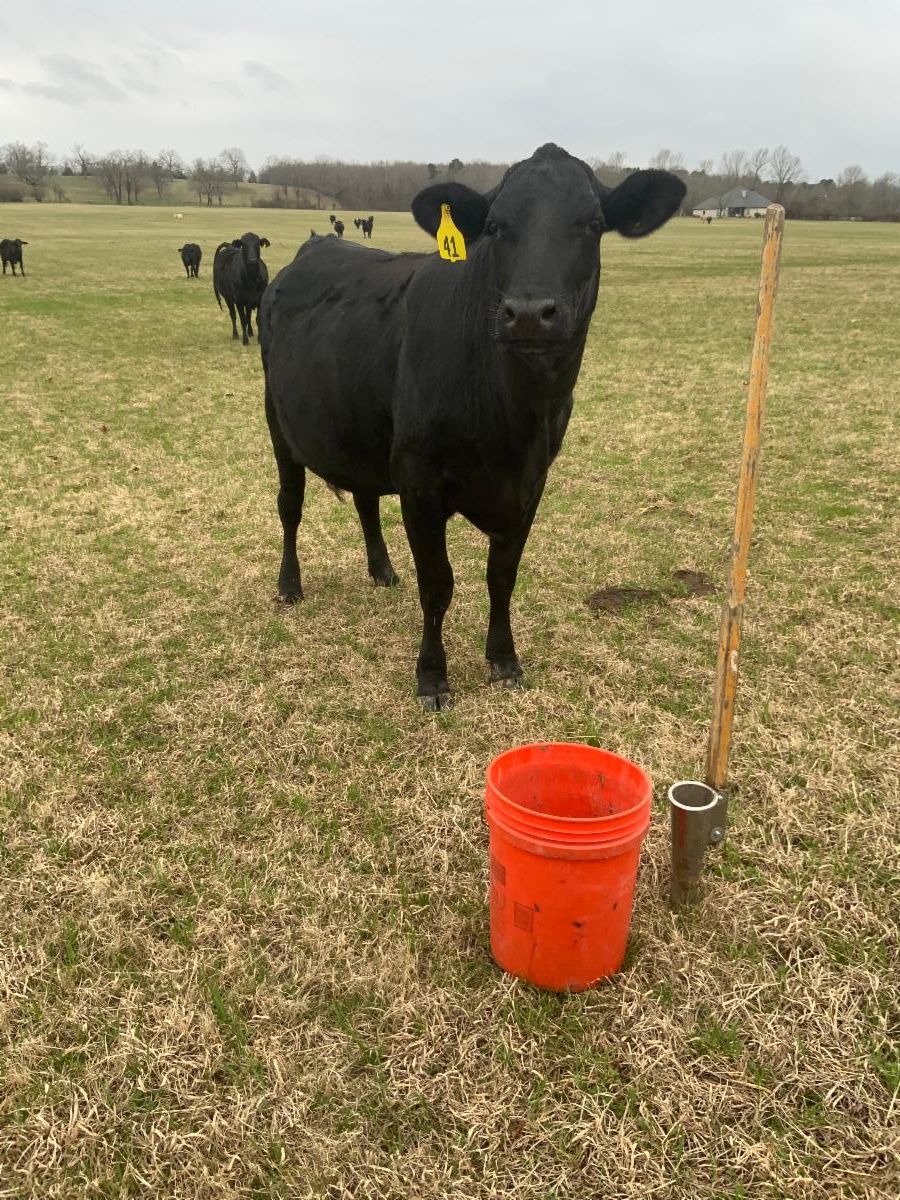
Soil Sampling - Once the fields dry up, now is a good time to grab a soil sample. For one soil sample, take samples in multiple places in a field and put them in a bucket. Don't go any deeper than 4 to 6 inches. Mix the samples together and place in a plastic bag (I like a gallon size plastic bag about half full), and bring to the Extension office. Soil samples are free and everyone should take advantage of them to see where your field fertility levels are. In Arkansas, a special tax on bulk fertilizers pays for soil samples. Soil samples should be taken every three years.


Fertilizing Winter Annuals - Now is a good time to plan a fertilizer application for winter annuals like ryegrass and wheat. With the temperatures going up, that grass is going to take off and start growing. Apply 100 pounds of urea once the field dries up. Don't apply in standing water or on wet fields, it needs to be dry.


Winter Weed Herbicides - The window for winter weed herbicides is going to be tight this year if you plan on using glyphosate. Bermudagrass is going to start greening up soon after these temperatures go up, so be prepared as soon it dries up. Get the sprayers ready to go and have a plan together. Glyphosate plus 2,4-D plus metsulfuron (if you don't have bahiagrass) is a good combination this time of year, but if you see green up, just go to 2,4-D and metsulfuron.

Lambing/Kidding Season: What should I do to prevent losses?

By Dr. Dan Quadros UA Division of Agriculture Small Ruminant Specialist &

Nicole Nichols County Extension Agent - Agriculture


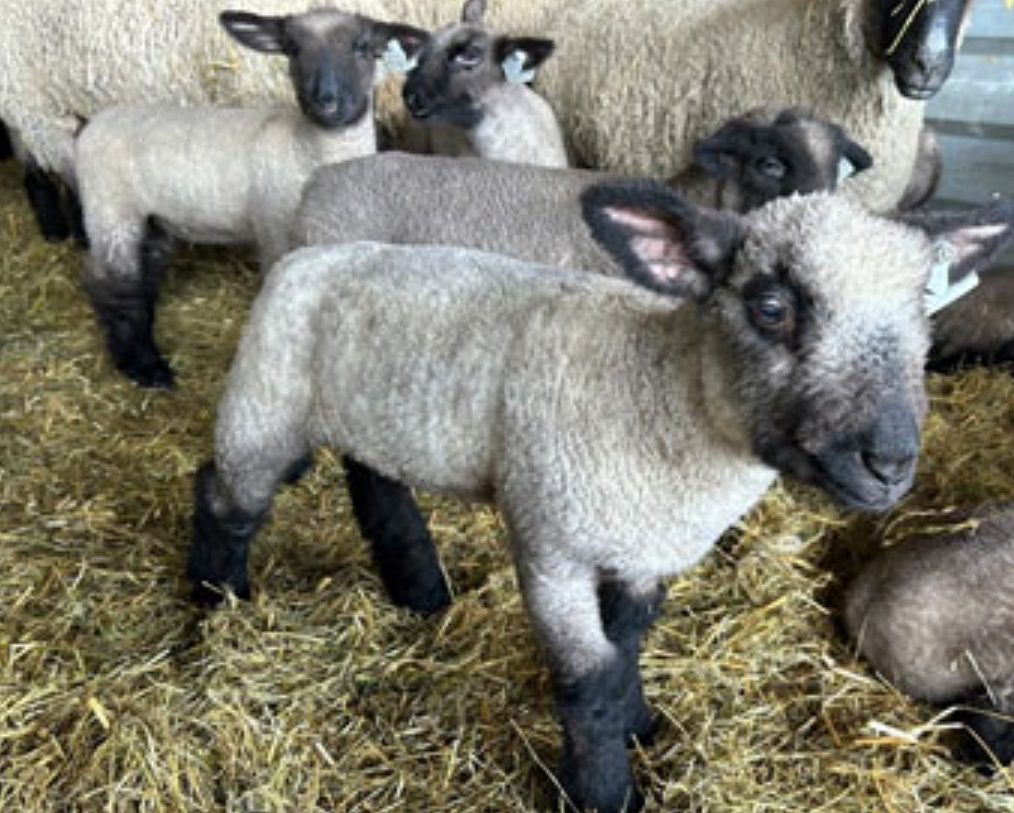
There is no doubt that lambing/kidding season is the most critical time of the year in a small ruminant operation. If things go wrong, your lamb/kid crop is reduced, compromising your financial return. The highest mortality rate occurs in newborns. Each death loss that is avoided means more money in your pocket. Being prepared is the first step for a smooth lambing/kidding season. Please check our tips on how to ensure a high lamb/kid survival rate:

Lambing/Kidding Season: What should I do to prevent losses?

Tall Fescue Toxicosis in Sheep and Goats Webinar

By Dr. Dan Quadros UA Division of Agriculture Small Ruminant Specialist


Webinar on February 26 about “Tall Fescue Toxicosis in Sheep and Goats”. The webinar, organized by the University of Missouri, will be from 12:00 to 1:00 p.m. CT, no cost, but registration is required by clicking here:

Register Here
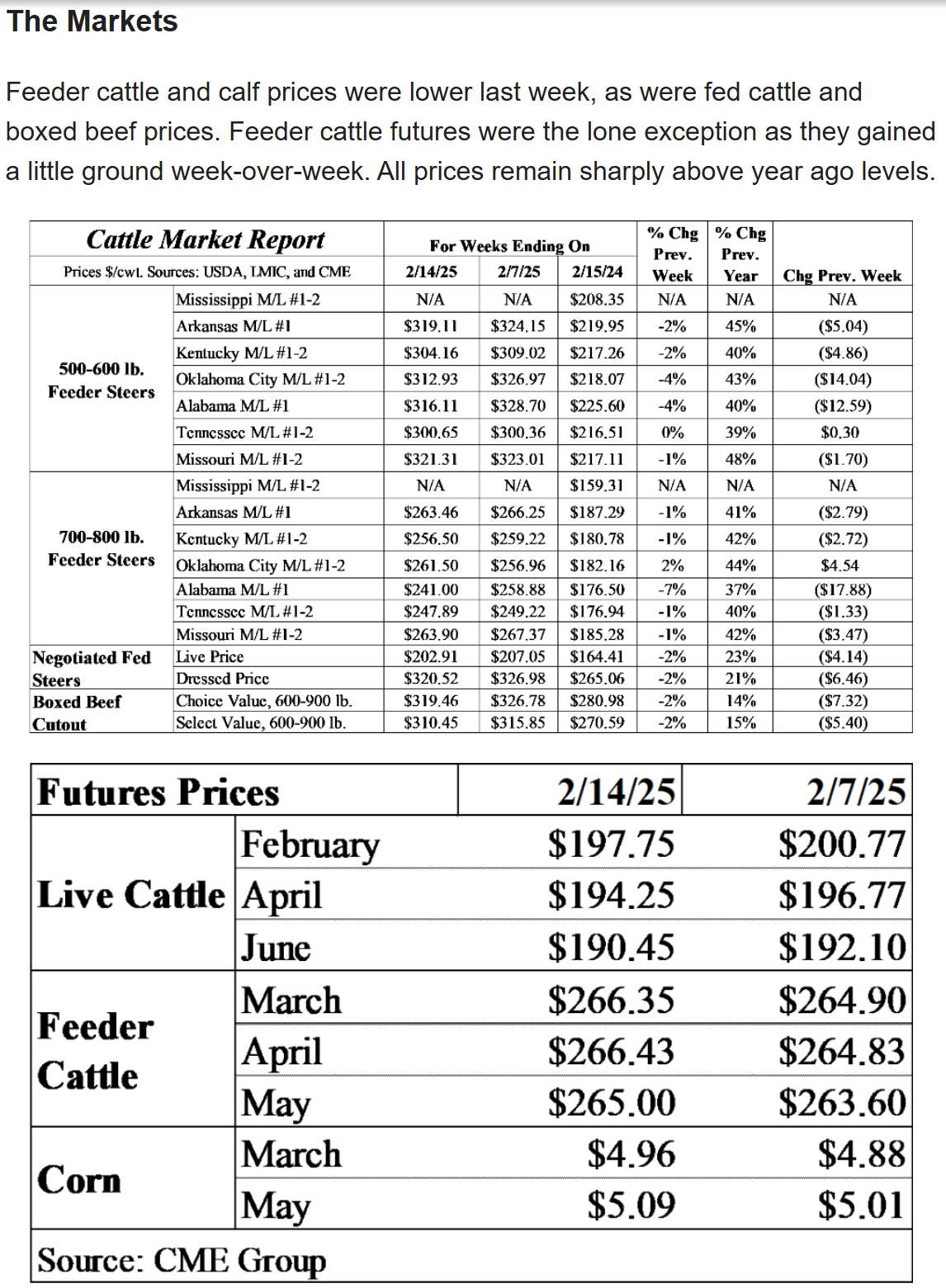
Cattle Market Notes Weekly

Livestock Market Report


The weekly livestock market report is available on the Arkansas Department of Agriculture website.

ADA Livestock Market Report

Pesticide Applicator Trainings


This is the Pesticide Applicator Training Schedule for Faulkner, Perry and Conway County.


Cost for the certification training is $20 that is payable at the training. It is a good idea to call and register for the class or if you have any questions, feel free to call and ask. Office numbers are located below. Anyone can go to any of these trainings. You don't have to just go in your county.


Faulkner County call and talk to Mindy Beard at the office at 501-329-8344 or email at rbeard@uada.edu

Perry County - 501-889-2661

Conway County - 501-977-2146


You can also get certified online. It also costs $20. The link to the online training is listed below.

Online Pesticide Applicator Training

Sign up for Text Alerts


You can now sign up for text alerts from me throughout the year. I have two areas you can sign up for which includes Faulkner Livestock or Faulkner Ag (Row Crop Updates). To sign up you can follow one of these links or use the QR Codes below.

Faulkner Livestock


Use either the QR Code or this link:

https://slktxt.io/10lLe

Faulkner Ag (Faulkner Row Crops)


Use either the QR Code or this link:

https://slktxt.io/10lLc

Upcoming Events

March 4 - River Valley Rice Meeting - Brown's Catfish Russellville

Contact Kevin Lawson, County Extension Agent–Agriculture, Faulkner County | Kevin Lawson
uaex.uada.edu/faulkner