REMINDER: YOUR SUBMISSIONS ARE ENCOURAGED | | |
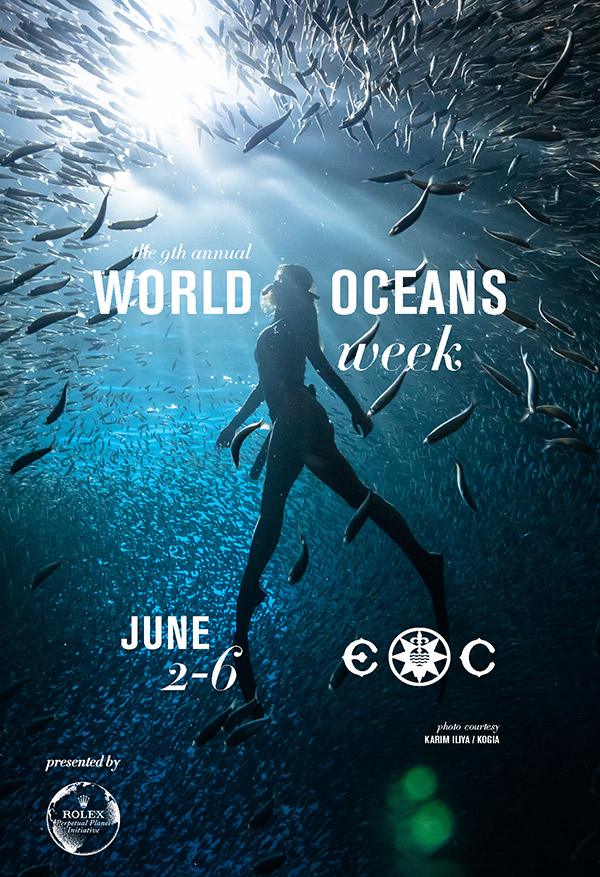
1. Sunday, June 8th, is World Oceans Day, a day designated by the United Nations to celebrate the beauty and importance of the world's oceans and promote their conservation and sustainable management. The Explorers Club in New York City will be hosting World Oceans Week, a week of lectures, seminars, and special events leading up to World Ocean Day.
2. In The Next Gen, I'm keeping up with the Flocks' roving shipping data researcher, William George, and his travels through Europe.
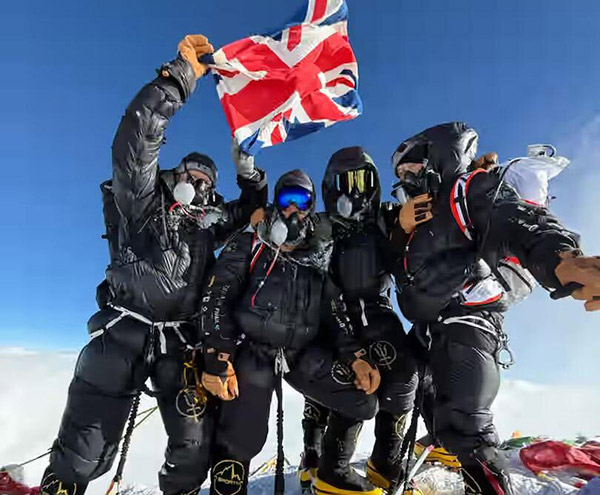
3. In Reaching High, four members of an Everest team successfully summited five days after leaving the UK, where they trained at sea level for the high-altitude climb using a new hypoxic training technique that incorporated breathing Xenon gas instead of the more conventional method of spending weeks on the mountain to acclimate to the high altitude.
4. In Nature, I have a post about land trusts and their use to protect forests, farmland, and natural habitats for future generations.
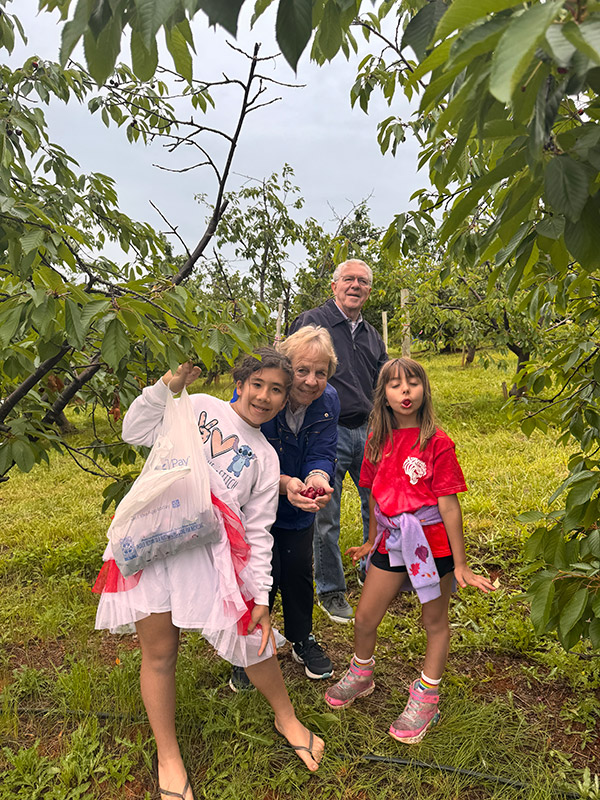
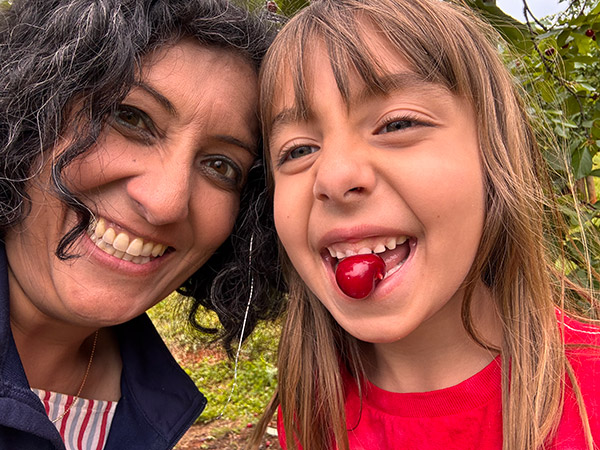
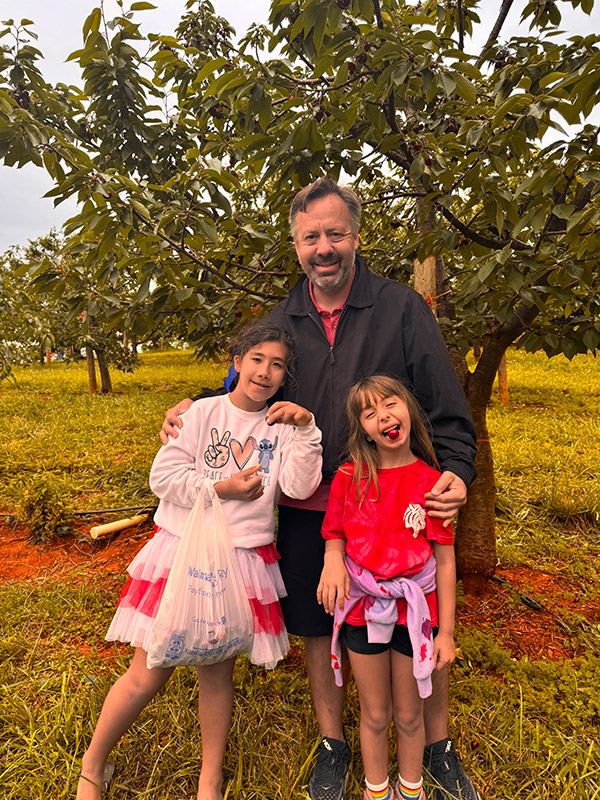
5. In Flock Friends, I have an encore appearance of sisters Janaki and Nithra. This time, picking cherries at a U-pick orchard in Virginia with their parents and grandparents.
6. This week, we have a Reader Submission from long-time Flock alumnus and MIT friend Sandy Washburn. Sandy sent in some links to videos from this year's MIT Open Dance Competition to share with the Flock.
7. In Higher Education, I am including the speech MIT President Sally Kornbluth gave at Thursday's commencement ceremony.
I Would also like to make a correction and extend an apology to Flock reader Ron Castellano. Ron introduced me to the APOPO non-profit, which trains the landmine-sniffing HeroRATs that I posted about last week. Unfortunately, my editor managed to mangle Ron's last name in the article lede. My apologies Ron!
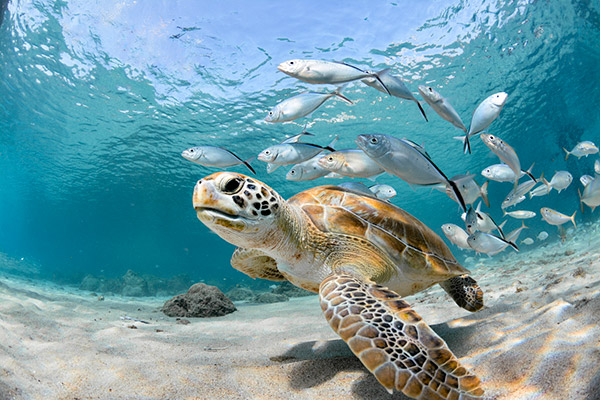
| | Now, to this week's Flock. | | 1. World Oceans Day: June 8, 2025 | | Each year, the United Nations Designates June 8th as World Oceans Day, a day to celebrate the beauty and importance of the world's oceans and to generate public awareness of the significant role they play in everyday life. The world's oceans cover approximately 70% of the planet, produce around 50% of the world's oxygen, and are the primary source of protein for more than one billion people. This year's theme is Wonder, sustaining what sustains us. The day is a prelude to the UN's annual Ocean Conference, where representatives from government, industry, financial institutions, and academia from around the world gather to develop partnerships and solutions aimed at sustainable ocean resource management. | | |
Wonder
Sustaining What Sustains Us
The ocean’s wonder is what draws us in and often drives our desire to protect it.
Wonder is the foundation of scientific knowledge, the allure behind exploration, the curiosity that drives innovation, and the seed of traditional wisdom. In the face of increasingly daunting challenges, the act of wondering serves to remind us that we are part of something bigger. It wakes us up to our inherent connection to the earth and to each other, expands our understanding of what is possible, empowers innovation and prioritizes decision-making for collective well-being. This World Oceans Day, we celebrate the ocean’s essential wonder from all of the wonders it consists of to the wonder it ignites, and call on decision-makers to not lose sight the ocean’s wonder when determining its fate.
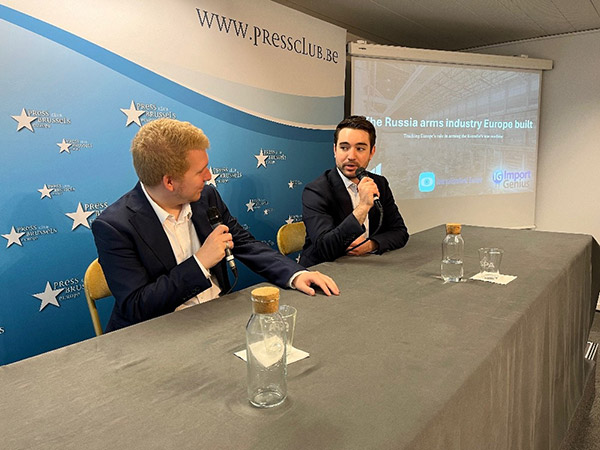
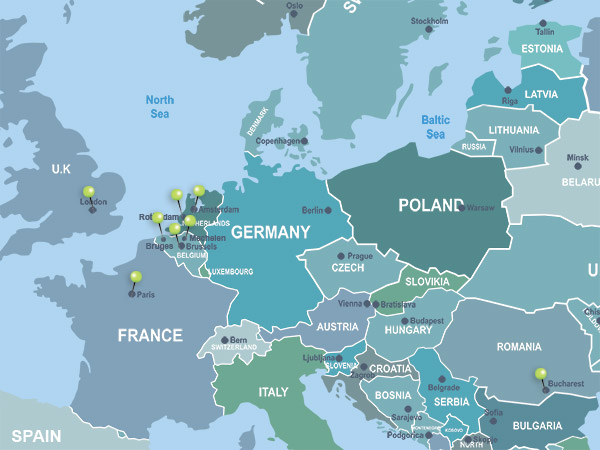
| | This year, the Explorers Club in New York City is hosting World Oceans Week, featuring five days of art exhibits, films, seminars, and lectures led by marine scientists, engineers, artists, and celebrity explorers, culminating in World Ocean Day. I've attended Explorers Club events and can attest that they are excellent. | | 2. The Next Gen: Keeping up with William George | | William being interviewed at Press Club Brussels Europe | | The Flocks' roving shipping data analyst and Director of Research at ImportGenius, William George, has been busy traveling around Europe, visiting ports, and meeting with trade experts and investigative journalists in association with his participation in the Dataharvest European Investigative Journalism Conference, which I posted about last week. On his two-week sprint through Europe, William has had commitments in Mechelen, Brussels, and Bruges in Belgium, Amsterdam and Rotterdam in the Netherlands, London, England; Paris, France; and Bucharest, Romania. Look at the map below to view all the cities he has visited. I know I speak for all the Flock readers: "We are so proud of you, William." | | 3. Reaching High: Xenon Climbers Summit Everest | | photo: Sandro Gromen-Hayes | Four British climbers, led by Furtenbach Adventures, who had trained for the climb at sea level, successfully summited Everest only five days after departing from England. Instead of taking weeks at high altitudes to acclimatize their bodies to the lower levels of oxygen found on the high slopes of Everest, the climbers employed a training method that involved breathing xenon gas, depriving their bodies of oxygen and creating a hypoxic state that simulated the physiological effects of high altitude. Xenon therapy has its risks and should only be attempted under the supervision of a qualified professional. | | Xenon Climbers Summit Everest in Five Days from Home | | |
All four members of the Furtenbach Adventures team who prepped for their climb by hypoxic training at home and breathing Xenon gas, summited Everest today, five days after leaving the UK.
They now have 48 hours to get back to Base Camp and link helicopters and planes in order to complete their goal: a successful Everest expedition in 7 days.
Whether or not they make that deadline, expedition leader Lukas Furtenbach has already shown the Everest industry that a week-long holiday is long enough to reach the top of the world.
Opening the Xenon era?
Furtenbach told ExplorersWeb that only the four clients had undergone the Xenon therapy. The Sherpa staff and Sandro Gromen-Hayes didn’t need it, as they had already been on the mountain for six weeks, acclimatizing in the classical way.
Rather than a mountaineering or even an athletic achievement, the successful climb suggests that Xenon may really enhance acclimatization. This opens a debate for climbers eyeing a fast, safer ascent, not only on Everest but on any high-altitude peak.
Still, it is early to conclude that this is a miracle breakthrough, as other factors may also have contributed to their success, including their training, fitness, the use of oxygen, and other support.
In case other outfitters are keen to jump quickly on this bandwagon, Furtenbach says his company “can keep the protocol exclusive.”
| | Xenon Gas and High-Altitude Performance: What We Know and What We Don’t | | |
Recently, xenon gas has made its way into the world of mountaineering and athletic performance. As someone who’s spent a lifetime studying high-altitude physiology and treating climbers in the most extreme environments on Earth, I want to offer a grounded, science-based perspective.
Let’s start with the basics. Xenon is a rare noble gas, naturally occurring in the atmosphere at about 1 part per 10 million. It was discovered in 1898 and initially used as an anesthetic. In fact, it is still used today in some countries like Russia for its anesthetic properties. When administered by a trained anesthesiologist, it is safe, though prohibitively expensive for widespread medical use. Physiologically, xenon is thought to act on NMDA receptors in the brain—similar to nitrous oxide and ketamine—and can induce unconsciousness and pain relief.
Somewhere along the line, researchers discovered that xenon could stimulate the body to produce erythropoietin (EPO), the hormone responsible for red blood cell production. This caught the attention of athletes and anti-doping agencies alike, and after the Russians used it at the Sochi Olympics, the World Anti-Doping Agency (WADA) banned it. However, the leap from elevated EPO to improved performance is more complicated than it seems, and no published study has shown that it improves performance, at any altitude.
Regarding its possible role at high altitude, a critical point often overlooked is that an increase in red blood cell count and hemoglobin, while it may help up to 4-5,000 meters of altitude, becomes less relevant above that. What matters more is how much oxygen your hemoglobin is actually carrying. In other words, oxygen saturation is king at extreme altitudes, not the quantity of red cells. The key to a higher oxygen saturation at altitude is the increase in breathing. In fact, a main benefit of pre-acclimatization is not the increase in hemoglobin but the jump-start in ventilatory acclimatization, the process by which the body over a few weeks gradually increases breathing while the kidneys adjust the resulting pH changes. The assumption that more red cells automatically translate to better performance on Everest or Denali is a misconception. Successful acclimatization is all about breathing.
What might be more intriguing than an effect on EPO are xenon’s potential protective effects on the brain and organs during episodes of limited blood flow—such as during a stroke or cardiac arrest. Animal studies show that xenon can help preserve tissue in these situations. That’s fascinating and warrants further study. But this is very different from saying it protects against hypoxia in mountaineers. Having low blood oxygen with normal or increased blood flow is not the same as having no blood flow at all.
Now, let’s talk about risk. Administering xenon improperly is potentially fatal. We’re talking about a gas that can put you to sleep in less than a minute at high concentrations. You don’t want to experiment with this stuff in your garage. Safe use requires a trained physician, an anesthesia machine, a medically controlled setting, and careful dosing. This cannot be overstated.
As for practical use in the mountains? At this point, the only “data” we have comes from one individual: Lukas Furtenbach, who claims xenon has enhanced his team’s performance. I respect Lukas and his willingness to innovate, but from a scientific standpoint, we need controlled studies before we can say anything definitive. His results, while intriguing, are anecdotal.
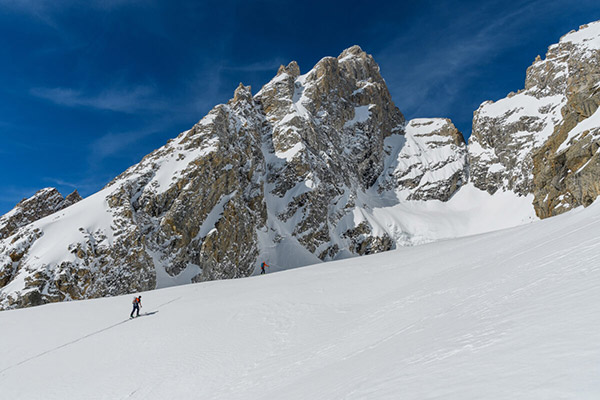
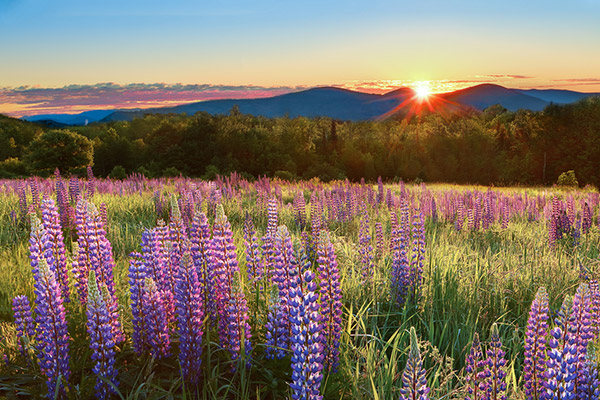
| | I want to provide some information about land trusts this week. They are a valuable tool for protecting forests, wetlands, farms, and wildlife habitats. They come to mind because I'm about to head up to my home state of New Hampshire, and they, along with other New England states, were forerunners of the land trust movement in the United States. About one-third of New Hampshire's total acreage is protected by land trusts. I'm so proud of my home state. | | |
Land trusts work in their communities to conserve habitat for wildlife and plants, secure water quality, ensure land is available for future generations, provide equitable access to nature, protect family farms and ranches, tackle climate change, build healthy communities and so much more.
About land trusts
A land trust or land conservancy is a community-based, nonprofit organization that actively works to permanently conserve land. In some cases, land trusts acquire land outright. They also partner to conserve land that remains the property of willing landowners using a tool called a conservation easement. Land trusts also manage or restore land once it has been conserved.
Land trusts can be local, state or regional in scope, working directly with private landowners and community partners to protect land that has natural, recreational, scenic, historical or agricultural values. Land trusts work in 93 percent of U.S. counties — serving urban, suburban and rural communities.
Land trusts can be all-volunteer or made up of a volunteer board of directors and paid staff that represent a diversity of skills and experience in conservation and carry out the day-to-day activities of running a land trust.
Every land trust is as unique as the community it serves.
| | Land trusts are Gaining Ground | |
5. Flock Friends: Janaki & Nithra's Day Out
| | The girls enjoying the orchard with their grandparents. | | In this month's first issue of the Flock, in Flock Friends, I featured photos sent to the Flock of my dear friend Queen Bindu's granddaughters, Janaki and Nithra, with their Easter baskets. This week, in the final issue of the month, I have an encore appearance by sisters Janaki and Nithya. This time, on an excursion to a U-pick cherry orchard in Virginia, while visiting their paternal grandparents. I bet those cherries made a delicious pie! | | Mom, Divya getting a selfie with Nithya. | | Dad, Matthew with Janaki and Nithya. | | 6. Reader Submission: MIT Ballroom Dance Competition | | Stas Portaneko & Nataliya Kolada | My husband, Tucson business icon Michael, and I are in Cambridge, Massachusetts, celebrating the 65-year reunion of the MIT class of 1960. This Reader Submission comes from Sandy Washburn, an MIT friend of ours and Flock alumnus. I first featured Sandy and his car racing hobby in the fourth issue of the Flock. Last year, I posted an update with pictures of Sandy and his son Bill stretching the legs of his vintage BMW 3.0 CSL race car at Lime Rock Park. After a successful hip surgery, he's back on the track, enjoying his racing hobby. I look forward to posting more of his track exploits. For this week's Flock, Sandy sent us some video links for the 2025 MIT Open Dance Competition. MIT has one of the top collegiate ballroom dance teams in the country. I've attended some of their competitions, and they are fantastic. This year's showcase couple were Professional Ballroom Champions from Ukraine, Stas Portaneko & Nataliya Kolada. | | Stas Portanenko & Nataliya Kolyada Show Dance Quickstep | 2025 MIT Open | | Stas Portanenko & Nataliya Kolyada Show Dance Foxtrot | 2025 MIT Open | |
7. Higher Education: MIT Commencement
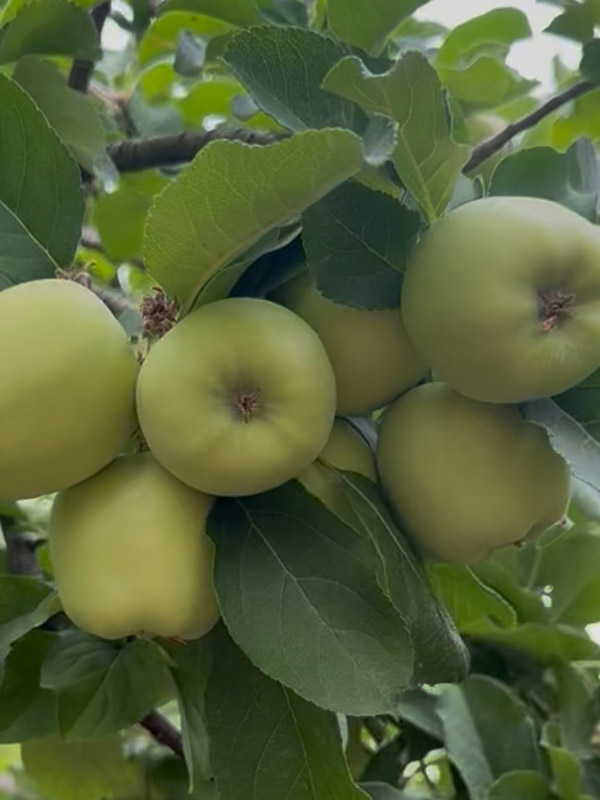
| | As I mentioned before, Michael and I are in Cambridge, visiting the MIT campus. I was impressed by the speech MIT President Sally Kornbluth gave at Thursday's commencement ceremony, and I am sharing it here. | | MIT President's Commencement Address | | MIT President Sally Kornbluth Charge to the Class of 2025 | | This spring has been productive for my apple tree. | | These Flock regulars are always here for you: | | Don't Be Shy: Share Your Stories! | | I'm looking forward to sharing more of your personal stories - oral, written, or otherwise, as we enter our third year. I'd so love to present them to The Flock, hit a mailbox below to share your story. | | Subscriptions & Idea Submissions
Reminder: Your submissions are always welcomed. | | |
Feel free to forward this email to a friend. If this was forwarded to you and you would like to receive your very own Flock Newsletter, you can sign up here. If you have any questions or suggestions for future Flock resources, don't hesitate to contact me.
Your fan and friend,
Beth
| | | The information and materials contained or referenced in this newsletter are for informational purposes only and not intended to be a substitute for professional medical advice, diagnosis, or treatment. Always consult a physician or other qualified medical professional with any questions you may have regarding a medical condition or treatment and before beginning a new health care regimen. Do not disregard professional medical advice or delay seeking medical advice or care based on anything contained in this newsletter. | | | | |