https://files.constantcontact.com/02b317ac301/32778abf-ad84-4c36-8b2c-a0bd0d8d8126.png?a=1135365749242

Fall 2023

Dear Joanna,


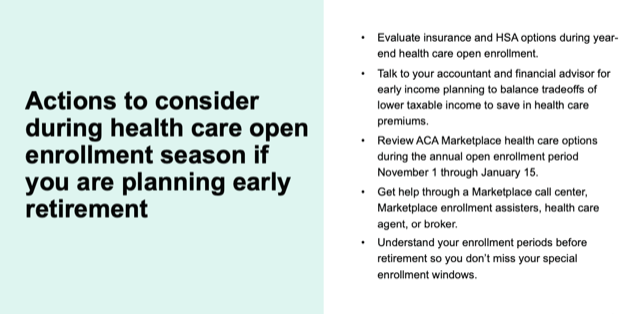
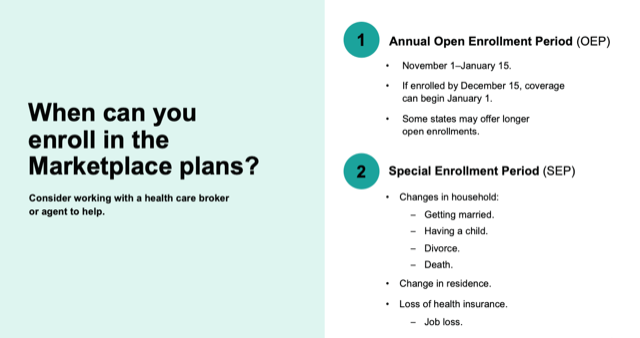
Fall … the season of watching the leaves change color, pumpkin-spiced everything, and, yes, open enrollment. Open enrollment starts November 1 and runs through December 15. If you get your health insurance via your employer, the exact period runs somewhere during this timeframe. If you are on Medicare, it’s from October 15 through December 7. 


Americans are working longer than ever before. The average retirement age, as reported by the Employee Benefit Research Institute, has increased from 57 in 1991 to 62 in 2023. However, 70% of Americans retire before they become eligible for Medicare. Consequently, one of the primary concerns for individuals seeking to retire early is the cost of healthcare.


While some early retirements are planned, many are unplanned due to various circumstances such as family issues or personal health. Although many individuals desire to retire earlier, financial constraints prevent them from doing so, particularly in terms of losing a paycheck and employer-provided healthcare coverage. For those who have saved enough for retirement, the cost of obtaining healthcare insurance until they become eligible for Medicare can be a significant hurdle. However, with appropriate planning, it is possible to substantially reduce healthcare insurance costs.


One of the first conversations I have with my clients who want to retire before Medicare age is health care costs. I hope the following primer on health care costs will help you with financial life planning.


Dream. Plan. Prosper.

COST OF HEALTHCARE


SO WHAT ARE YOUR OPTIONS IF YOU WANT TO RETIRE EARLY?

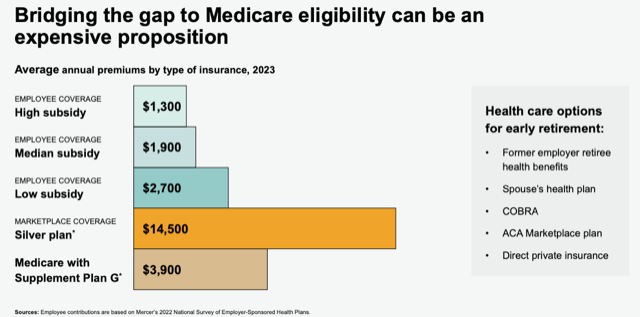
So what are your options if you want to retire early? Understanding all the options, comparing the premiums and the potential out-of-pocket costs until you reach the Medicare-eligible age can be confusing. 


Check whether you have access to employer-sponsored plans offered via “retiree health care benefits” or via spouse’s health insurance plan.  


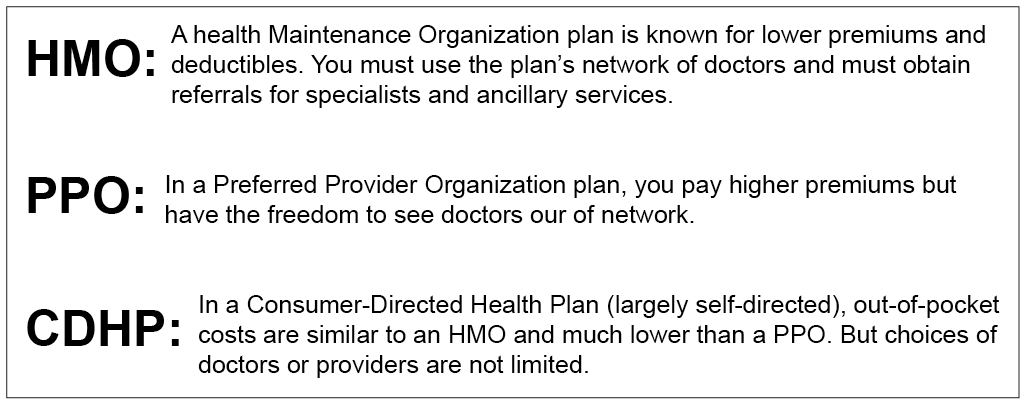
Three popular options are: 


What if I don’t have retiree benefits then what?


Well … maybe you can get coverage through your spouse’s healthcare plan. This strategy may be short-lived as the spouse may want to retire early as well. 


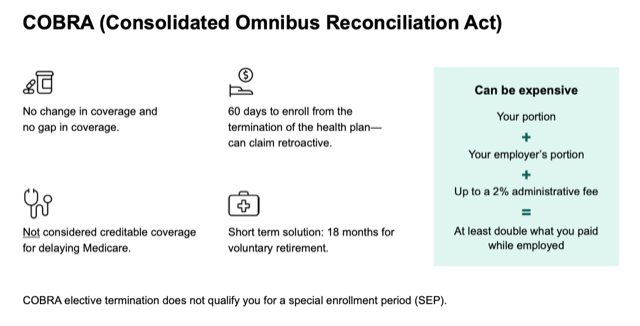
So the options are: 


COBRA

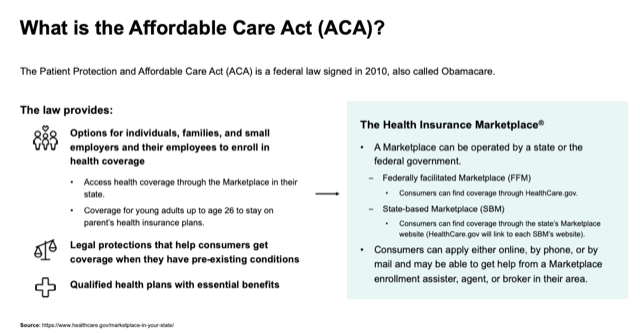
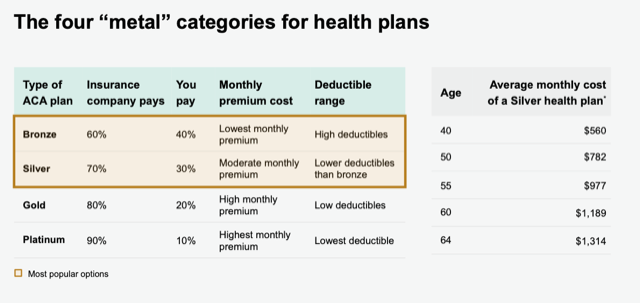
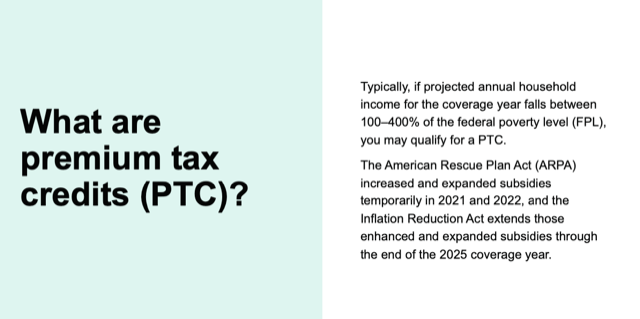
AFFORDABLE CARE ACT

According to GEHA, a not-for-profit provider of health care benefits, estimates that 46% of Americans said they chose the most expensive health insurance available to them because they assume it’s the best coverage available. At the same time, 60% of people said their current insurance provides more coverage than they really need. 


Health and wealth are intricately linked in numerous ways. I often hear people expressing a sense of helplessness, as they find themselves at the mercy of the U.S. Healthcare Industrial Complex. It is crucial to make well-informed decisions when it comes to planning for healthcare costs. However, the area where we have significant control over health-related risks lies in placing a much greater emphasis on prevention and extending our health span.


By focusing on improving specific aspects of our lives such as exercise, dietary choices, sleep, and emotional well-being, we can optimize our health and significantly reduce healthcare expenses. This approach presents our best opportunity to effectively combat the "big four" health issues: diabetes, cancer, heart disease, and dementia. Instead of solely dedicating our efforts to accumulating and worrying about having enough money to cover potential future medical expenses, it would be more prudent to invest our time and energy in actions that are within our reach in the present moment. This way, we can strive to avoid the most challenging aspects of later life.


MoneyWise doesn't provide tax and/or legal advice. This information is general and educational in nature and should not be considered tax and/or legal advice. Any tax-related information discussed herein is based on tax laws, regulations, judicial opinions, and other guidance that are complex and subject to change. Additional tax rules not discussed herein may also be applicable to your situation. Vanguard makes no warranties with regard to such information or the results obtained by its use, and disclaims any liability arising out of your use of, or any tax positions taken in reliance on, such information. We recommend you consult a tax advisor about your individual situation.

Let's get social ...
Twitter  Linkedin