January 2026

What Happens After You Hang Up With 911?


A lot, actually. Many people assume the work ends once the 911 call disconnects. In reality, that moment marks the beginning of extensive behind-the-scenes coordination that continues until the incident is resolved.


After a call ends with a Communications Officer in 911, our dispatchers remain actively engaged. They continue to relay updated information to responders in the field, monitor unit locations, and watch for any changes that could impact safety. If a situation evolves, dispatchers can quickly adjust resources, request additional support, or provide new details to help responders arrive better prepared.


Each call is carefully documented and time-stamped within the 911 system. This record helps ensure accuracy, accountability, and continuity of information throughout the response. If additional calls come in about the same incident, they are linked together to build a more complete and accurate picture of what is happening on scene.


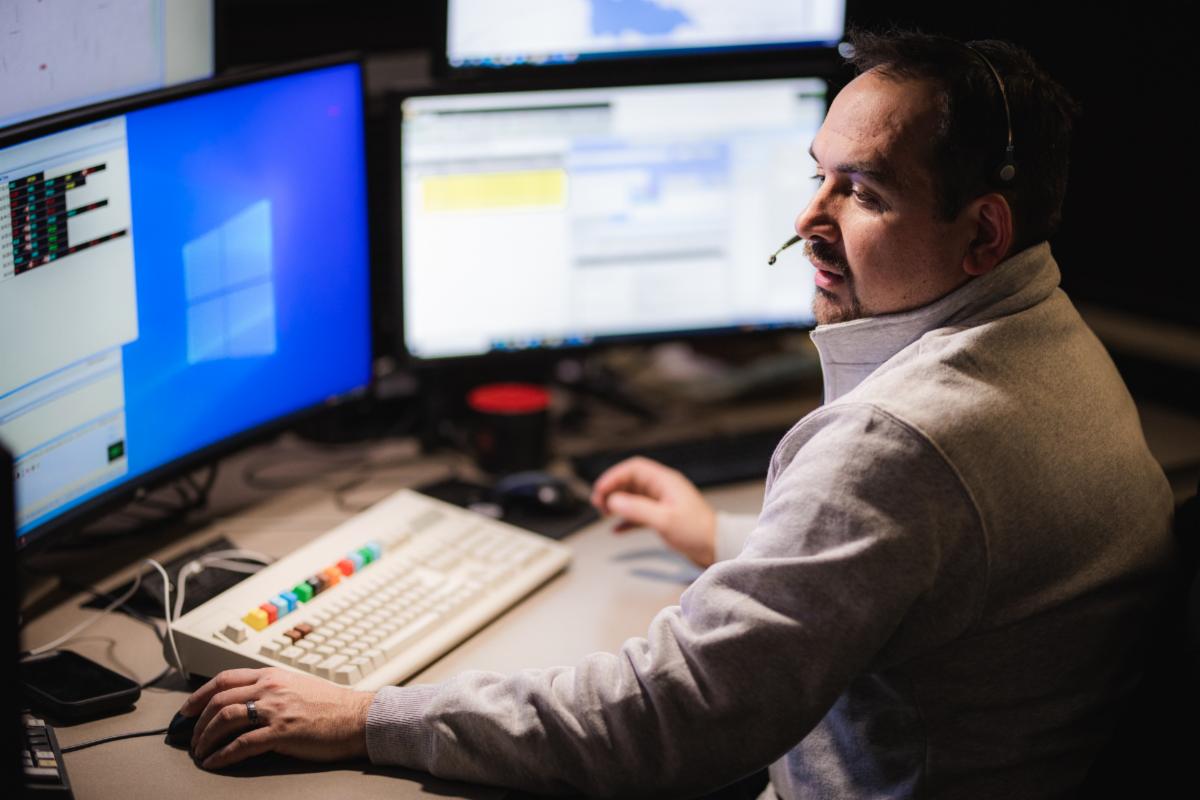
Technology plays a critical role during this phase. Our Communications Officers use advanced systems to track responder locations, coordinate across police, fire, and medical agencies, and maintain clear communication throughout the incident. Even when callers are no longer on the line, dispatchers continue to serve as the central connection between the public and those providing help.


Once the scene is cleared, the work still isn’t over. Information from each call contributes to future planning, training, and analysis that help improve emergency response and community safety over time. What happens after you hang up ensures that help doesn’t just arrive — it arrives informed, supported, and prepared.

Committed to Quality

How Our QA/QI Program Supports Our Team and Community


At SREC 911, our Quality Assurance and Quality Improvement (QA/QI) program is one of the most important tools we have for supporting our employees and strengthening the services we provide to our community.


Every call our communicators handle involves real people in real need, from life-threatening emergencies to everyday public safety requests. The complexity and emotional weight of this work make it essential that we continually review, learn, and improve. Our QA/QI program plays a key role in that process.


Through systematic review and evaluation of calls and responses, we are able to:


  • Support employee growth by identifying strengths and areas for development, allowing communicators to build confidence and sharpen their skills in a structured and supportive environment.
  • Promote consistency and excellence in service by reviewing outcomes against best practices to ensure calls are handled with accuracy, professionalism, and empathy.
  • Protect the public we serve by helping ensure resources are dispatched appropriately and efficiently every time someone calls for help.


Our QA/QI program is grounded in a rigorous standards framework. SREC is proud to be ACE Accredited through the International Academy of Emergency Dispatch (IAED), a designation that reflects our commitment to excellence in emergency dispatch quality, training, and performance. Accreditation through IAED means we adhere to nationally recognized protocols and measures that support positive outcomes for callers while fostering a culture of continuous improvement among our staff. SREC is only one of three agencies that holds this certification in the State of Washington.


Every day, our communicators face stressful and high-stakes situations. Our QA/QI program is not about punishment or fault finding. It is about empowering our people, strengthening our systems, and ensuring that our community receives the highest level of service when it matters most.

Answer the Call: A Career in 911 at SREC

A career as a 911 Communications Officer with Spokane Regional Emergency Communications (SREC) is unlike any other. It’s a chance to serve your community every single day, make a real difference, and build a secure future.


Why it’s a great career choice:

Working in emergency communications means you’re one of the first first responders: the essential link when people are in crisis, calling for help and support. You’ll use advanced communication technology and decision-making skills to gather critical information and direct public safety resources where they’re needed most.


This career comes with exceptional benefits , including a competitive salary (starting pay is $30+ an hour), excellent medical and dental coverage, generous paid time off, and participation in the Washington State retirement pension system. It’s a role that’s recession-proof and doesn’t require college student loans to get started, making it a stable, long-term career choice.


What it takes:

The hiring process at SREC is thorough and competitive. You’ll complete skills-based testing known as Criticall, typing assessments, interviews, background checks, and more before an offer is made. Once hired, training is intensive and rigorous, designed to prepare you for the fast-paced, high-responsibility nature of the job.


To be fair, this career isn’t for everyone. You must be calm under pressure, tech-savvy, able to multitask, and have a genuine heart for helping people. Strong judgment, empathy, and resilience are essential qualities for success in the center.


Ready to step up?

If you or someone you know is looking for meaningful work with community impact, excellent benefits, and long-term career security, and you have what it takes to thrive under pressure, a career in 911 might be your calling.


Learn more and apply today.