|
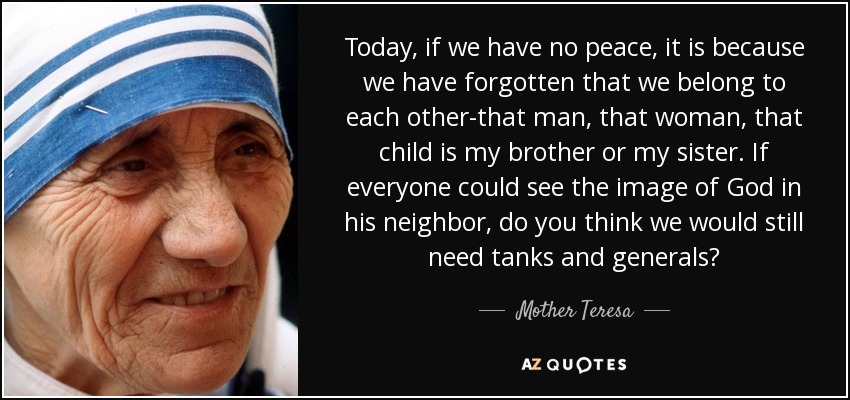
What a week this has been! It started out with a blizzard warning and today is in the 50's! Weather is something we can't control and must constantly adapt to. There is so much in life that we can't control. Sometimes we can do something about it and sometimes we just need to accept and adapt. Since we didn't get to meet for Worship last week, this Sunday I will be sharing the sermon I prepared about the Prince of Peace, Jesus, calling us to be peacemakers in our hearts, our families, our communities and our world. He reminds us that we are always called to actively choose the way of peace even in the midst of conflict -- choosing peace within as well as to be peacemakers.
Rev. Cameron Trimble writes: "The world feels endlessly chaotic right now. War spreads across borders in the Middle East. Nations are pouring staggering sums into weapons while the work of building peace grows harder and more fragile.... The machinery of conflict has become efficient. Peace, by comparison, looks slow and fragile. Many people I speak with feel exhausted. They carry the sense that the ground beneath our common life is shifting, and no one seems entirely sure how to steady it. Moments like this make an old question rise again: How do we stay human in the middle of the storm? I was reminded yesterday by a friend that one answer comes from an unlikely place: a hymn written more than 150 years ago.
How Can I Keep from Singing? first appeared in the late 1860s, just after the Civil War had torn the United States apart. The war left over 600,000 people dead. Families were divided. Cities were burned. The nation was trying to find its footing again after unimaginable loss. In that moment, Baptist minister Robert Lowry wrote a song about an inner calm that no storm could shake. Take a moment to listen…
Notice what the song does not say. It does not say the storm will stop. Storms are part of history. Institutions we trust falter. Nations make destructive choices. Violence erupts where we hoped wisdom would prevail. The hymn asks a different question: Where is your center when the storm rages?
The mystics across many traditions speak of a deeper current running beneath the turbulence of the world. Beneath the shouting and fear and political spectacle flows something more enduring. Howard Thurman once called it “the sound of the genuine.” It is the place where love refuses to give up on the world.
When the authors of this hymn spoke of an “inmost calm,” they were not describing denial or naïve optimism. They were describing the practice of rooting one’s life in that deeper current. From that place, singing becomes something more than music. It becomes resistance.
Every time we refuse to let cynicism define us, we are singing. Every time we choose compassion when the world rewards cruelty, we are singing. Every time we stand beside those who are vulnerable or targeted or afraid, we are singing.
The storms of history will come and go. But the deeper music of love and justice continues beneath them. And when we begin to hear that music again—how can we keep from singing?" (Go here to read Trimble's reflection in its entirety.)
We will be singing this song in Church on Sunday -- and I know it is a favorite of many of you! May this prayer from Rev. Cameron Trimble give you strength to tune into the peace of Christ and listen to him in living as peacemakers:
|