|
|
Where the River
Meets the Lake
|
FOLSR Newsletter | Summer 2020 |
|
Hello Friends
The upwelling of activism following the death of George Floyd has spurred many organizations to elevate their support of community members who have faced social, economic, and/or political exclusion. The Friends of the Lake Superior Reserve (FOLSR) board of directors has committed to taking concrete actions to improve diversity, equity, and inclusion—DEI—in our work. As a first step, we are consulting with experts and have formed a working group to prioritize DEI, led by board member Abby Armstrong. Those we consulted encouraged us to do our homework about the barriers and constraints faced by members of our community. We were prompted to delve into the history of the area we’re striving to protect and share it broadly. Our advisors also encouraged us to partner with organizations engaging in similar efforts, which can share their knowledge and experiences with us as we seek to grow as individuals and as an organization.
We will update you as our DEI efforts continue. But we also need your help. You may have life experiences and knowledge that could help us walk the path of creating inclusionary environmental efforts together. We want to hear from you. Please volunteer to help us assure future FOLSR events are diverse and inclusive, with equal access to all. Participate in our DEI working group. This topic is bigger than any group or organization. Everyone has the right to connect, create meaning, learn about, and grow in this beautiful natural environment. Please share your interest and ideas with us: email (contact.folsr@gmail.com), phone (715-399-4095).
|
|
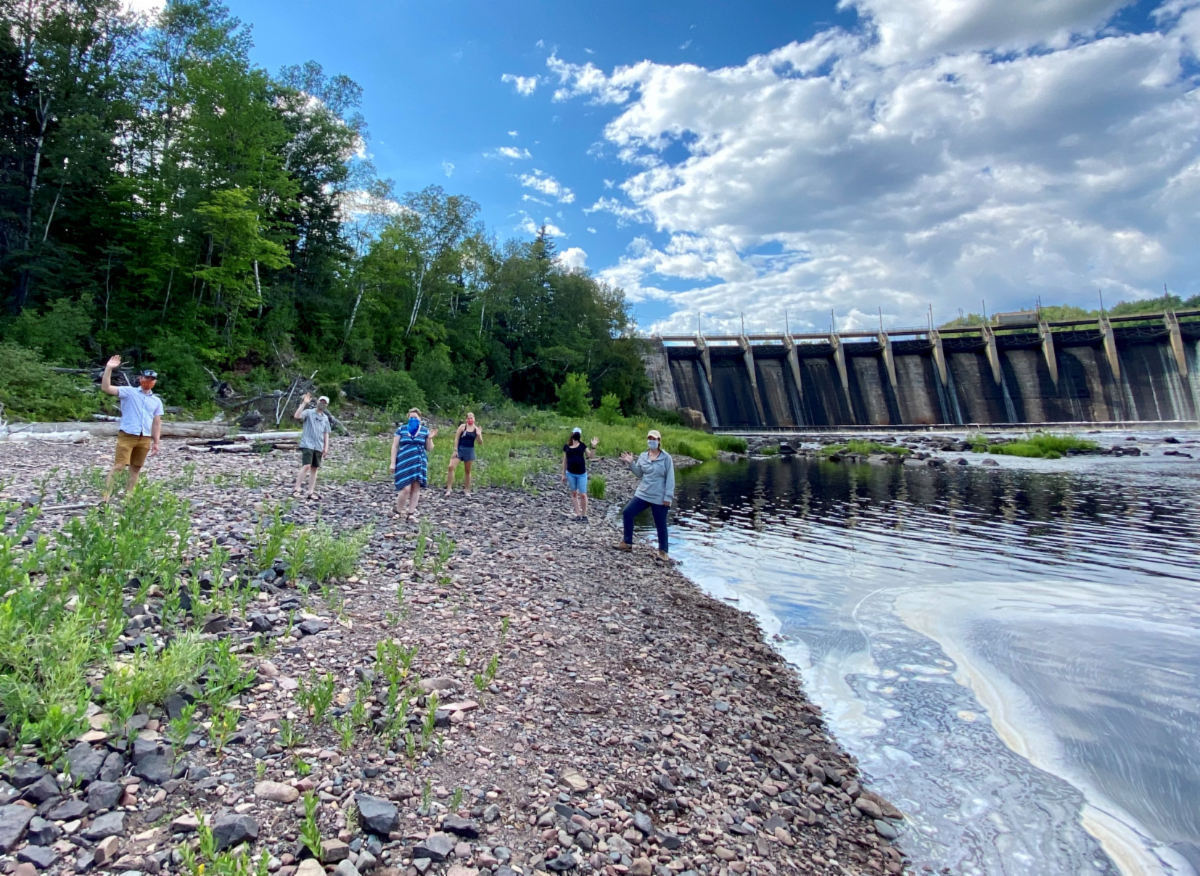
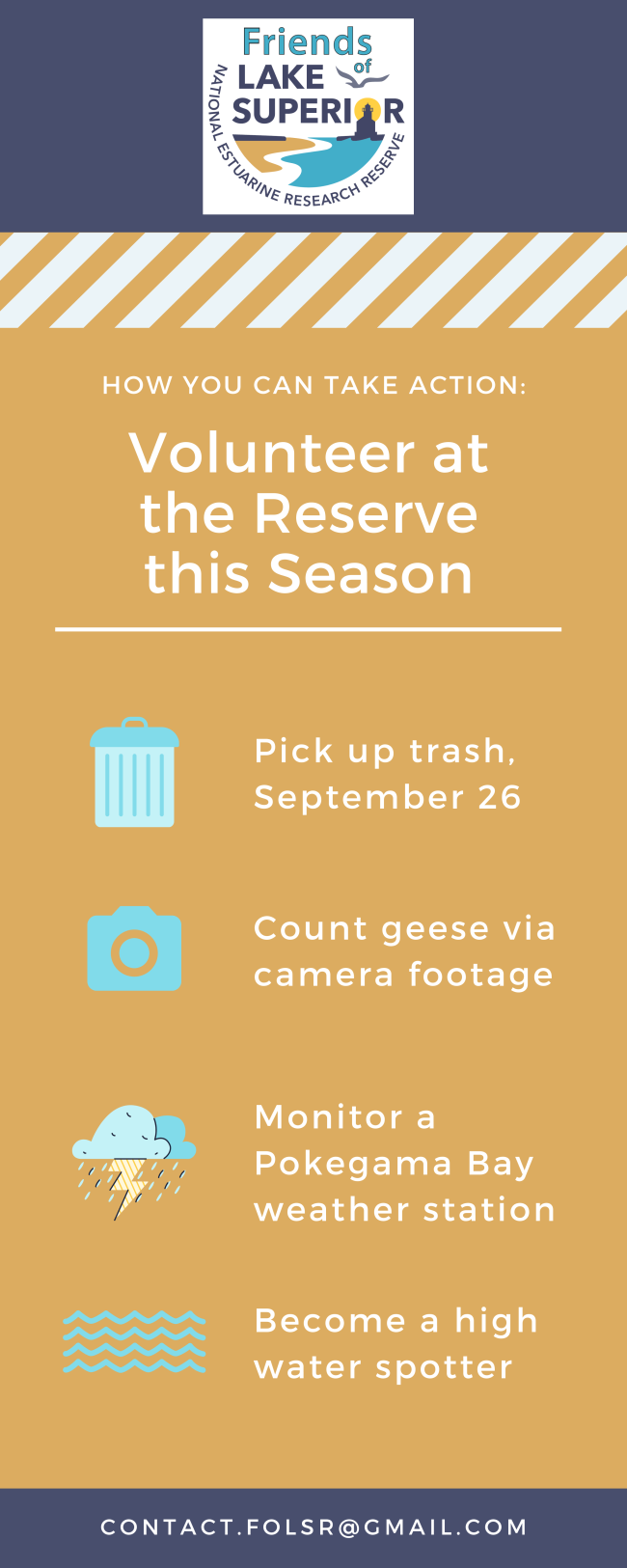
September is an action month. This year it starts with waatebagaa-giizis, the leaves turning full moon. As the full moon wanes, migratory birds will wing south through the Reserve as manoomin, wild rice, is harvested. You don’t have to be a leaf-peeper, birder, angler or autumn harvester to add to the action within the Reserve on September 26. You just have to volunteer to help clean up shorelines.
On September 26, from 9 am – 2 pm, join friends and Reserve staff as they scatter around the Reserve to collect data and trash. This FOLSR-sponsored activity is part of the Great Lakes Alliance’s annual Adopt-a-Beach campaign and coincides with the last day of National Estuaries Week. The National Estuarine Research Reserve Association is partially supporting this trash cleanup through a grant awarded to FOLSR earlier this year.
What to expect
FOLSR is committed to making this volunteer day Covid-19 safe, welcoming to all and meaningful. Trash bags, gloves, data sheets, and maps will be available at the Reserve’s Estuarium, located at 3 Marina Drive, Superior, Wis. Hand sanitizer and masks will also be available there. You, or you and your group, will be sent off to part of the Reserve to retrieve trash while observing Wisconsin’s Covid-19 guidelines. You can drop the trash back at the Estuarium by 2 pm or dispose of it at your own home. FOLSR needs the data, though. The records and photos of what sort of trash you are finding will be reviewed and then sent to the Alliance for the Great Lakes so that we can all better understand the sources and impacts of pollution. FOLSR anticipates awarding prizes for the most unusual piece of trash retrieved and best volunteer-day photo.
Action matters
By participating in the cleanup you’ll be helping the Reserve with your donation of energy and time. FOLSR will tally the time spent cleaning up the St. Louis River Estuary on September 26 as evidence of community support for the Reserve.
Stay informed
Pre-register for the cleanup through www.greatlakesadopt.org and follow FOLSR on Facebook or Twitter to keep up with the latest information about the cleanup. Information about the cleanup will also be available on the FOLSR website (folsr.org) as September 26 draws closer. Direct questions to contact.folsr@gmail.com or call 715-399-4095.
About that grant
The National Estuarine Research Reserve Association awarded FOLSR 35 hours of national-scale guidance and communication support to engage members in meaningful ways over the next 12 months during these unusual times.
Photo Credit: Deanna Erickson
|
|
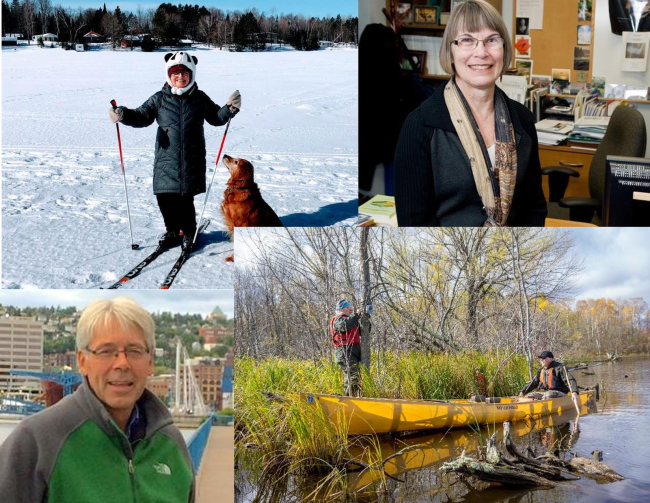
FOLSR bid a fond farewell to four founding board members. Brian Fredrickson, Lucinda Johnson, Jan Keough, and Tom Nicodemus - all instrumental in getting the Friends of Lake Superior Reserve established and off to a good start - completed their tenure on the board of directors. We are grateful for their leadership over the past several years and will miss them at our monthly meetings.
Four new directors were elected at our annual membership meeting in February. Jim Anklam, Abby Armstrong, Keahna Margeson, and Terry White all bring great new energy and ideas to our efforts to support the Reserve. Joining us as a provisional directors until the next election are Mike Anderson and Sharon Moen. Already they have dived in and are helping navigate the new challenges we face.
Staffing at the Reserve also experienced significant change lately. Erika Washburn, Reserve Manager, has left, returning to her family farm in Michigan with her son William. Deanna Erickson has taken on the role of Interim Reserve Manager until a replacement for Erika can be brought onboard. Look for a position posting in the next several weeks as the search for a new Manager launches.
|
|
A Different Kind of Lake Superior Day |
|
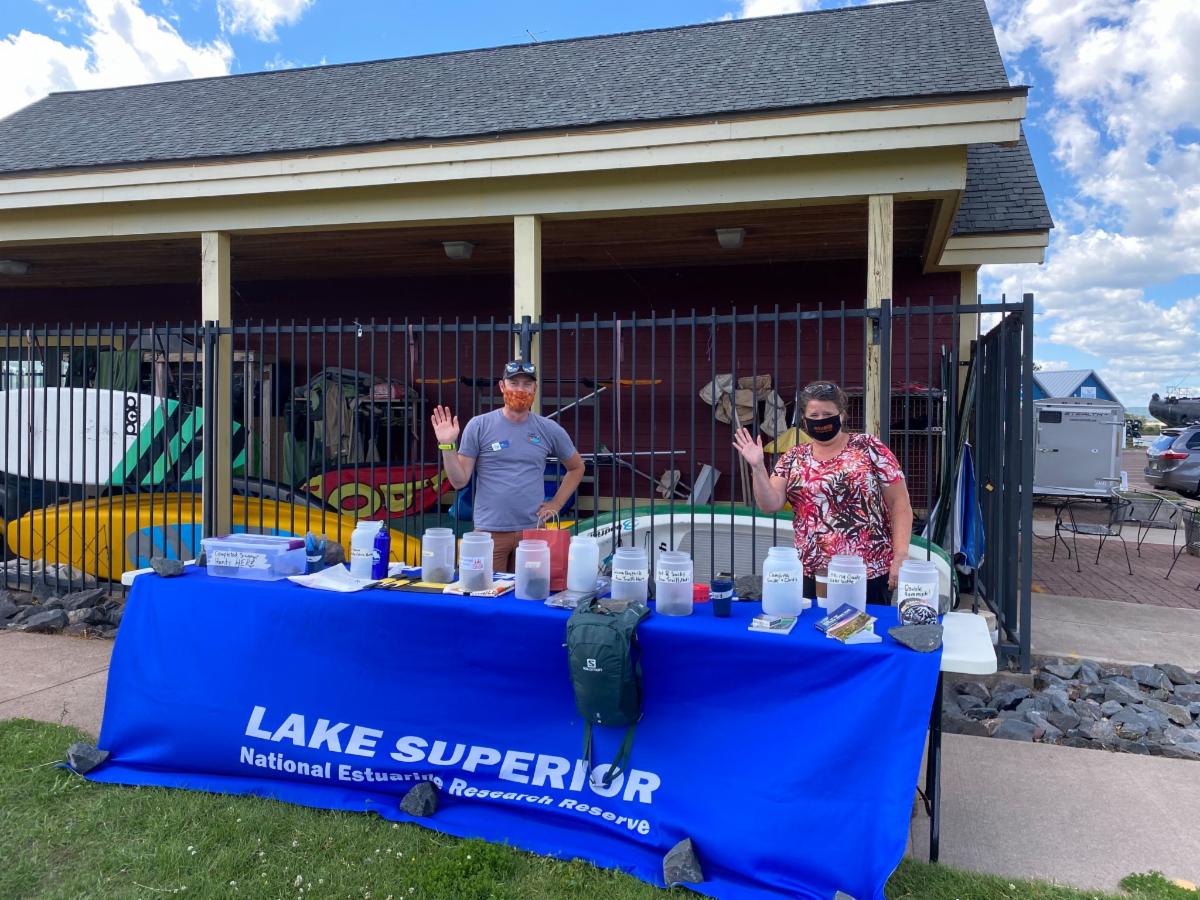
Lake Superior Day is always a special day at the Lake Superior Reserve. It’s a day to celebrate and learn more about this truly special Great Lake. How do you continue this great tradition of celebration in the midst of a pandemic? Why a scavenger hunt of course!
Working with great partners such as the City of Superior, University of Wisconsin-Superior, North Shore SUP, Fond du Lac Tribal and Community College, and FOLSR, the ideas flowed and all agreed that getting people connected with Lake Superior in a fun and engaging way was the priority. A challenging and fun list of 10 questions got people traveling around the City of Superior, Barker’s Island, and Wisconsin Point. As they solved each of the questions they collected a letter or character that was used to create the phrase “I <3 gichi gami!"
Are you ready for the challenge? Let’s see if you can answer a couple of the scavenger hunt questions!
1. This Superior establishment is best known for its delicious burgers and fries. It is also well known to maritime historians for its ship-stopping artifacts. Find those artifacts and you’ll find your letter.
2. These shipping inspired murals have a lot brewing in them. Find them and find your letter. Challenge question: What color is the stripe on the row boat?
Under the enthusiastic leadership of the Reserve's Ryan Feldbrugge, some great prizes were donated by Earth Rider, Trailfitters, Epicurean, North Shore SUP, City of Superior, Whole Foods Co-Op and the Lake Superior Reserve. Over 60 people participated in this fun week of exploring Superior and learning more about the history, ecology, and recreational opportunities that are right outside our door. To end the official Lake Superior Day, a Facebook concert featuring the band One Less Guess played music that was enjoyed over 359 people!
Answers:
1. The Anchor Bar. There are historical anchors outside the establishment.
2. Earth Rider brewery has an awesome mural, check it out!
Photo Credit: Deanna Erickson
|
|
NOAA Seeks Feedback About the Reserve |
|
The National Oceanic and Atmospheric Administration (NOAA) is evaluating the Lake Superior Reserve in early September. Usually this standard review would be conducted in person by a team of experts and federal employees. This time, because of the pandemic, it’s virtual.
Here’s how you can help.
1) Join the public meeting online at 4 pm CDT on September 9. NOAA’s Office for Coastal Management is holding a virtual public meeting to solicit comments on the performance of the Lake Superior Reserve. Participate online or by phone. The order of speakers will be based on the date and time of registration. Registration is required at least two hours in advance: http://noaacsc.adobeconnect.com/lsnerrpublicmeeting/event/event_info.html.
2) Comment in writing before September 18. NOAA will consider all written comments received by September 18. Submit comments by emailing Ralph Cantral, Senior Advisor, NOAA Office for Coastal Management at Ralph.Cantral@noaa.gov. Comments received are part of the public record and may be publicly accessible. Personal identifying information submitted voluntarily by the sender may also be publicly accessible. NOAA will accept anonymous comments.
NOAA is evaluating the extent to which the Reserve has met national objectives and adhered to its management plan and the terms of financial assistance under the Coastal Zone Management Act. The Office for Coastal Management will place a notice in the Federal Register when the evaluation is completed. Copies of the previous evaluation, the Reserve’s management plan and site profile are available at http://coast.noaa.gov/czm/evaluations.
|
|
Reserve Develops Lake Superior High Water Spotter
|
|
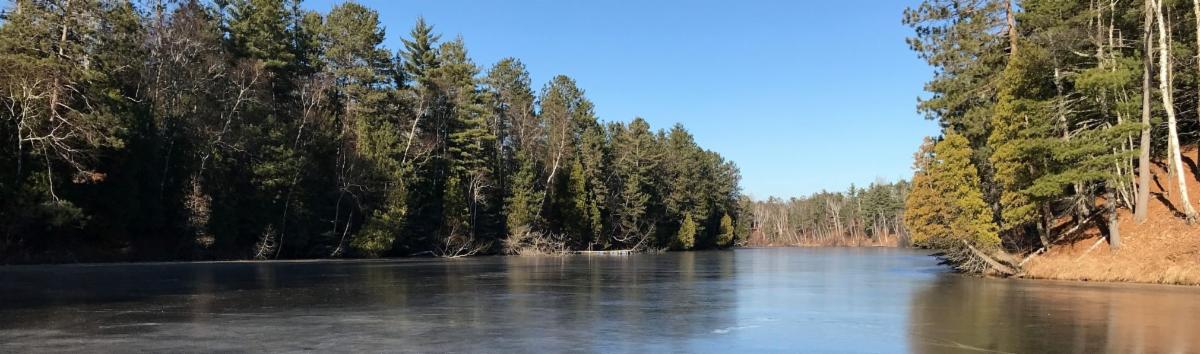
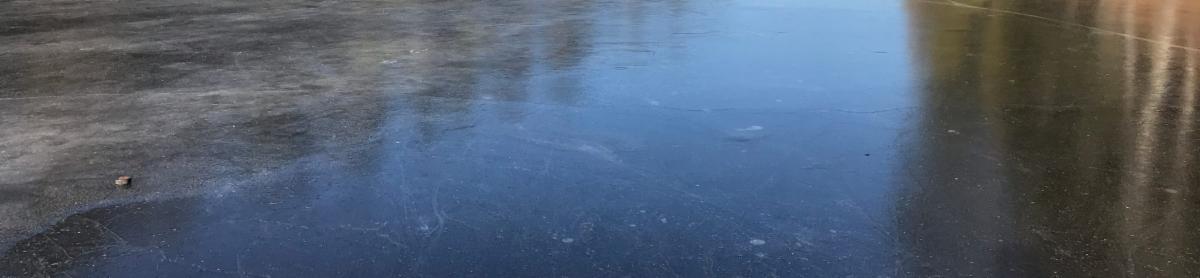
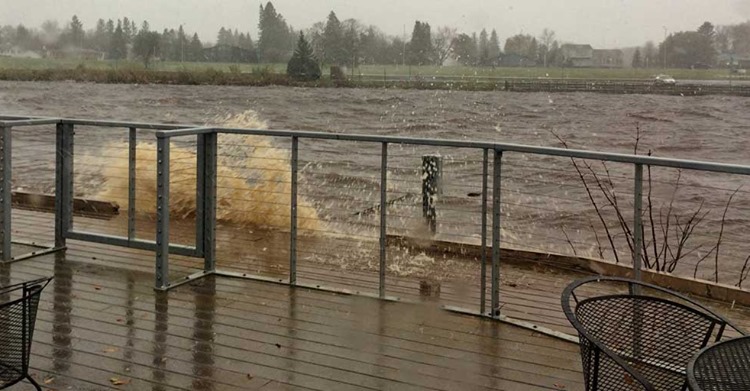
In 2020, the Reserve started a collection site to help document shoreline impacts from water levels on Lake Superior. The water levels across the Great Lakes remain high. The Reserve is gathering photos from around Lake Superior to establish a visual record of what these conditions . Can you help?
|
|
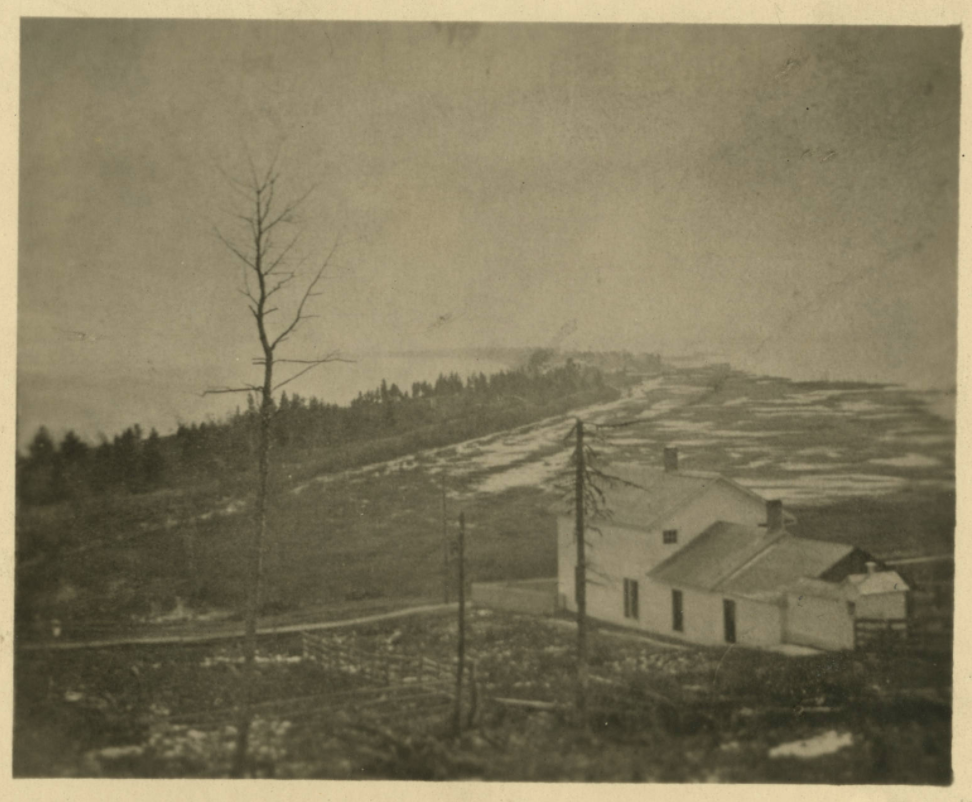
A view of the St. Louis River Estuary and its floating vegetation, circa 1869.
There Once was a Bog
The St. Louis River estuary was home to floating bogs when the first European settlers arrived at the western edge of Lake Superior. Floating bogs are extensive mats of natural wetland made up of marsh, dead plant materials and a variety of aquatic plants. They were diverse and common in this part of the world. The St. Louis River estuary's floating habitats included rare species like dragon's-mouth orchid (Arethusa bulbosa), which can still be found today floating in other Lake Superior wetlands.
People cleared the floating vegetation in the late 1800s and early 1900s to improve shipping and encourage industrial pursuits. Read more about the history of vegetation in the St. Louis River estuary at http://stlouisriverestuary.org/plants.php.
Do you have a curious story or questions about the St. Louis River estuary? Let us know via email at: contact.folsr@gmail.com.
Photo credit: Paul B. Gaylord, circa 1869. Nettleton house, Duluth, Minnesota. Courtesy of the University of Minnesota Duluth, Kathryn A. Martin Library, Northeast Minnesota Historical Collections, Accessed August 11, 2020. https://reflections.mndigital.org/catalog/nemhc:1911
|
|
|
|
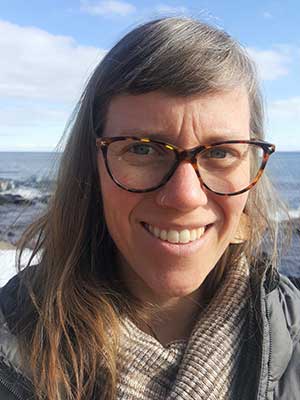
Meet Molly Wick, the new Margaret A. Davidson Graduate Fellow with the Lake Superior Reserve! Prior to this, Wick spent four years as an ORISE research fellow at the U.S. EPA laboratory in Duluth, Minn. Wick's research focused on the ecological assessment of shallow nearshore areas of the Great Lakes. Wick was selected the Reserve fellowship as part of the inaugural cohort of Davidson Fellows across all the reserves. Wick will be working on a two-year project, Ecosystem condition and human well-being in the St. Louis River estuary as part of a Ph.D. program at the University of Minnesota Duluth. Click here to learn more about Wick and her role with the Reserve.
|
|
|
 |
Mark Your 2020 Calendar
Sept 9 (4 - 5:30 pm)
Sept 8-10
LS Reserve’s NOAA Site Review
Sept 18
Last day for written comment for NOAA evaluation of LS Reserve; World Water Monitoring Day
Sept 19-26
Sept 19
International Coastal Cleanup Day
Sept 26 (9 am – 2 pm)
Sept 27
World Rivers Day
Oct 5
Oct 12
Indigenous People's Day in Wisconsin
October 14
Nov 15
Nov 21
World Fisheries Day
|
|
|
|
|
|
|
Questions, comments, suggestions? We'd love to hear from you! |
|
Email: contact.folsr@gmail.com
Phone: 715-399-4095
|
|
|
|
|
|
|
|