|
|
|
Vali G. Heist,
Professional Organizer
| |
Author, Speaker,
C.R.A.P. Expert
| |
|
Celebrating over 18 years of
cutting the CRAP!
| |
|
Seduction and Addiction:
Advertising at work
| |
|
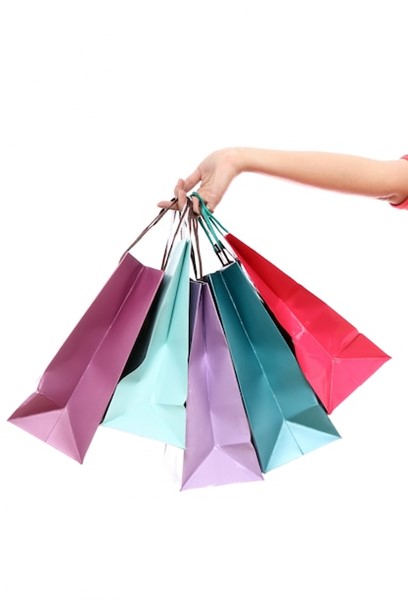
As a professional organizer fascinated with consumerism, I am intrigued by the way my clients think about their belongings before and after an uncluttering session. Before uncluttering, many of them shop without a list, buy something twice because they can’t find the first one they bought, or buy without knowing whether an item would fit in their home, if they have a place to put it, or if it will even be useful. Most consumers practice "unconscious consumption," which is buying without much thought at all. It's no wonder because according to marketing experts, the average person sees between 4,000 and 10,000 ads in a single day. Who can resist?
One of my favorite classes in college was Advertising 101 and we learned all the tricks that sellers use. As consumers we are seduced by advertisers all day, every day into thinking we must buy, buy, buy for no reason other than to keep the economy humming along. Let me assure you we have all been programmed to become unconscious consumers, and I am no exception. But a little bit of knowledge may help to combat the addiction some of us may feel to spend money at a feverish pace. Here are a few reasons why you may feel bombarded by advertising:
- 24/7 ads on social media, smart phones, apps, games, streaming services, etc. Many of those ads are stealthy, but they are there.
- Shopping networks and commercials are "home invaders" because, while we have control of our remotes, they can hold us captive by using the "Stepford wives" technique: using perfect people to sell must-have items in an over-the-top manner to convince us to buy things we don’t need, don’t have money for, and never knew we wanted until we tuned in.
- Advertisers and all shopping apps use a sense of urgency to get us to buy: only 10 left, limited time offer, call in next 10 minutes, one day sale, etc.
- Retailers used to produce goods to fulfill needs, where now they manufacture needs to produce goods. They play on our emotional vulnerability by using words like must-have, designer, collectible, gourmet, retired, official, hottest trend, and discontinued, to sell almost anything.
- Advertisers even persuade us to buy items outside our value system or beyond our means by making us feel vulnerable and less-than if we don’t buy this or that product.
Stopping the revolving door of buying is a serious goal for my clients, which in turn cuts down on the clutter. After uncluttering, many of my clients notice a change in the way they spend their money: they take stock of what they have before they buy, they use lists to distinguish needs from wants, they don't shop when they're bored, and they wait 48 hours before buying something they think they really need.
Here are some ways to rethink buying habits:
- Use your own values to determine what to buy instead of letting advertisers dictate your purchases.
- Be a smart consumer by spotting those over-used advertising words.
- Take control of what comes in your front door to cut down on the clutter.
- Before buying a high-priced item, ask yourself if you want that item more than other things on your ‘list’ such as a new sofa, a new kitchen, or even a new home.
- Buy used instead of new. Look for words like “consignment” and “gently-worn.” Even buying a certified used car is a bargain compared to buying a brand new one.
- Shop local instead of long distance. Supporting our unique and interesting local companies, big and small, helps the local economy and reduces your carbon footprint.
The harsh reality is that everything we buy and everything we own, will eventually end up in the landfill. Too much? Well, that’s my point. But it's up to us to decide how soon our stuff makes it to the landfill. The quality of our purchases, how long we own them, if we pass them down to someone else, if we donate or recycle, if we repurpose… all of this determines how soon our belongings end up in a landfill. Protect your hard earned money on your own terms.
“We live in a time in which the process of life seems less important
than the products that life produces.
So it’s important to be reminded now and again of the process.”
Richard Louv, in The Web of Life
|  | |
|
Who: Friends of Mifflin Community Library (MCL) will be holding a Spring Book Sale from April 4-6, 2024 at the Mifflin Community Library.
Where: The MCL will be collecting items from Saturday, March 16 to Saturday, March 23. Do not place items in book deposits or outside the library.
What: Gently used books (children, teen and all adult genres), DVD's, audiobooks, music CDs and puzzles.
When: During regular library hours
| |  |
Saving Money by
Recycling and Donating Household Items
| |
Sustainability and environmental science are subjects our children are learning about in school earlier and earlier in their education. And why not? They are our hope for our planet when some adults would rather stick their heads in the sand.
I received an email from a student who's Earth Science class is discussing renewable and non-renewable resources, carbon footprint, and how pollution and excess waste affects the planet as a whole. Finally, they are asked to come up with an action plan for their family's household to become more eco-friendly. Wow!
In addition to the resources on my website, Maria found another unlikely resource on how to save money by recycling and donating household items and more. Read more here about all the ways you and your family can make a real difference in saving our planet. Thanks Maria!
| | |
|
Personal Safety Made Simple
When my niece graduated from high school, one of my gift ideas was to get her self-defense classes. I never followed through on it, so I got her a self-defense class for Christmas this past year and I joined her. Enter Sensei Sid Fields, Self-defense instructor and Karate Studio owner. I was so impressed by Sid that I wrote an article about self-defense for the Women2Women magazine.
Read the full article here which also includes the full issue.
It just may save your life or the life of someone you love.
| |
|
Ask the Organizer
Question: I have a closet/drawer full of gifts that I bought ahead of time. They were a really good bargain or I had someone in mind to give it to, but now I’ve had these items for years and I don't know if I should keep them or not.
Answer: Buying gifts ahead of time was for a time when shopping wasn't so accessible, sales weren't the norm and everything wasn't so cheap. If you really want to cut down on clutter, give yourself a year to give these items away as gifts and if the items are still there in one year, donate them.
| |
|
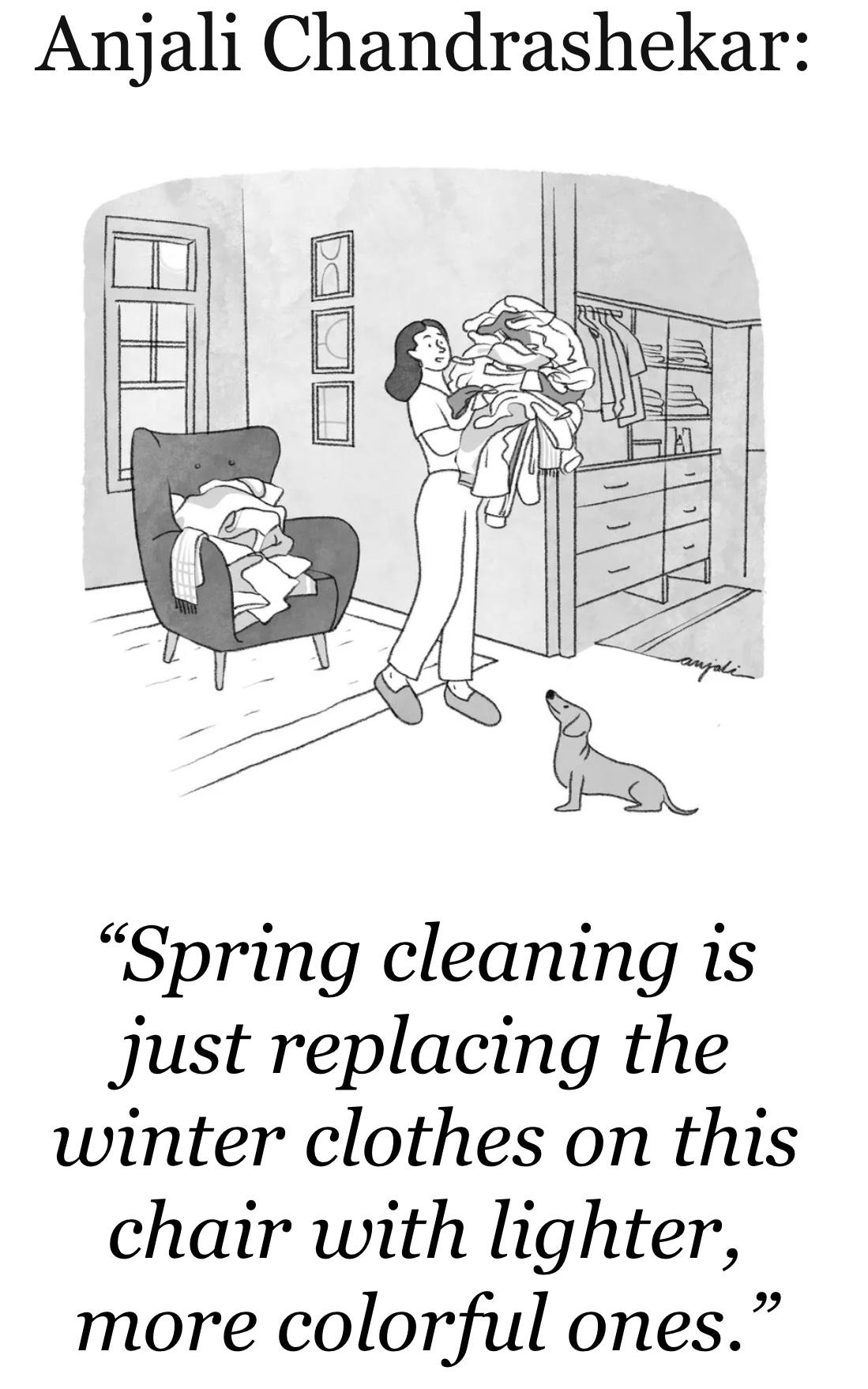
Piling up clothing on a bedroom chair (or floor, or exercise bike, or bed) is a very common practice for my clients. Here are two possible reasons: one, the clothing is not ready for the laundry, but not clean enough to put back in your closet or drawers. Second reason is that you are wearing the same clean clothing over and over and that's where you keep it.
If your reason is the former, use a coat rack or a row of hooks on the wall as the "halfway house" for "not dirty enough for laundry and I want to wear it again" clothing.
If your reason is the latter, you probably have too much clothing. Cleaning out closets and drawers can make room for the clothing you really wear and not store the clothing you've forgotten about.
Your home is an extension of your energy field. This is why practices like organizing your closets/drawers and getting rid of old clothing can have a profound impact on your own mind, body and spirit.
"Honor the limitations of your home. Its size forces you not to overcrowd it. You'll be more intentional with things you welcome into your space and, overall, create better habits in what you decide to keep versus not keep."
Kenika Williams, professional organizer
| |
|
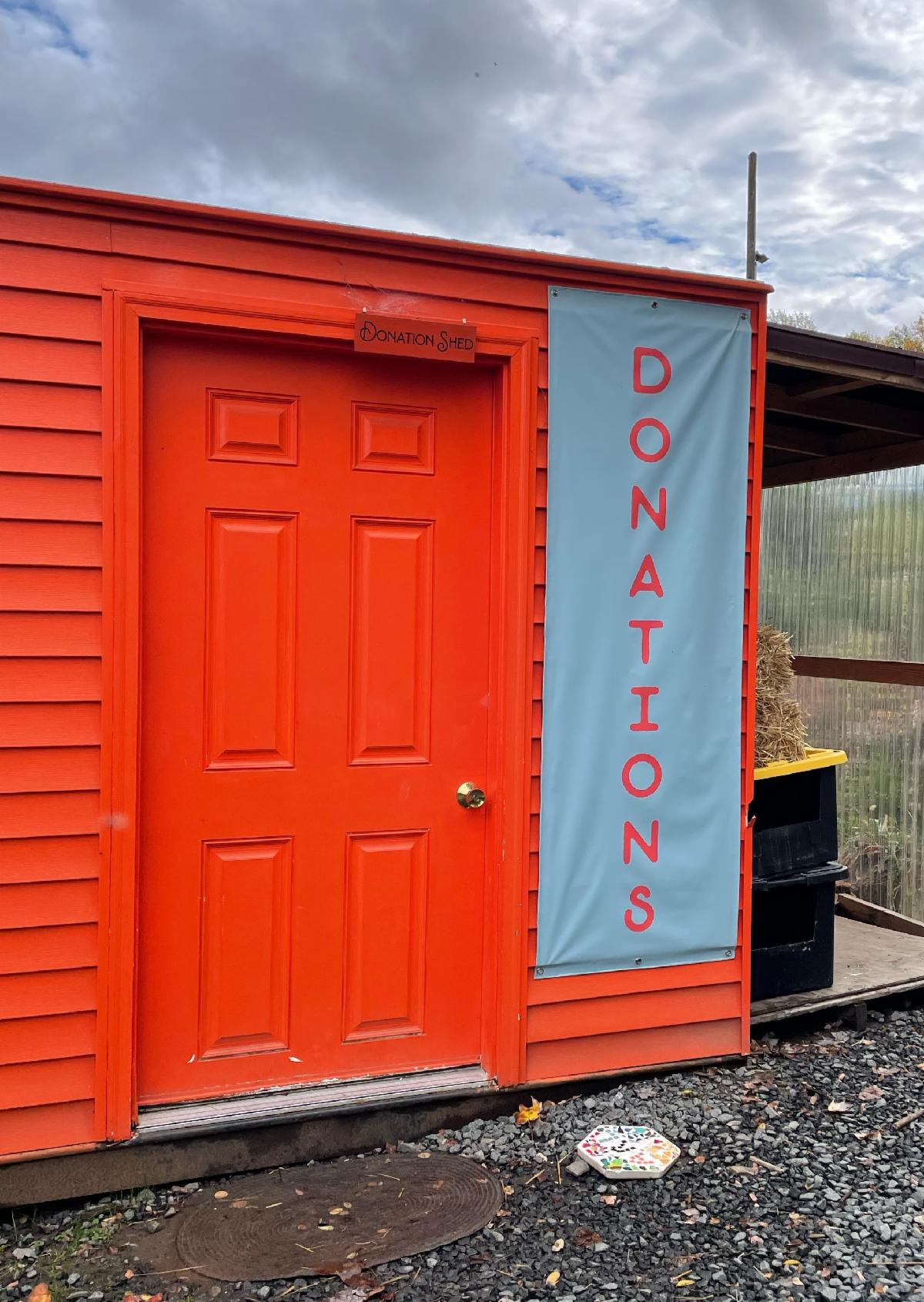
Recycling/Donation/Disposal Tips | | |
|
|
Included in each newsletter, I will highlight recycling/donation/disposal options in and around Berks County. If you have a suggestion for future lists, please send them to my email at vali@thecluttercrew.com.
-
Animal Rescue League of Berks County could use the following: spray cheese (easy cheese), peanut butter (non-chunky), and dry cat food. Note: they do NOT accept newspaper any longer.
-
Regular, every day batteries can be placed in regular trash (they no longer contain mercury). Rechargeable and lithium batteries (found in power tools, cell phones, computers, cameras, etc. must be placed in hazardous waste collections.
-
Latex paint-dry out with Krud Kutter or cat litter and dispose in regular trash. Oil paint is hazardous waste.
-
Recycle your flourescent bulbs and power tool rechargeable batteries at Home Depot.
-
Even though Hope Rescue Mission closed its thrift store locations, HopeforReading.org is collecting donations at its bin locations. Click here for a list of those locations.
"Earth provides enough to satisfy
every man's needs,
but not every man's greed."
Mahatma Gandhi
| | |
|
Click on the book to purchase it
on Kindle or Amazon.com.
Also available on Nook.
Please leave a 5-star rating
and thank you!
| |
|
"The Measure of Success is not whether
you have a tough problem to deal with,
but whether it's the same problem
you had last year."
John Foster Dulles, American politician, lawyer and diplomat
| |
|
For more practical tips, green ideas, and
ruminations about your CRAP,
go to thecluttercrew.com.
Feel free to contact me to schedule an assessment or
to ask a questions at
vali@thecluttercrew.com or 610-914-3483.
| | | | |