What to consider when selecting a fan:
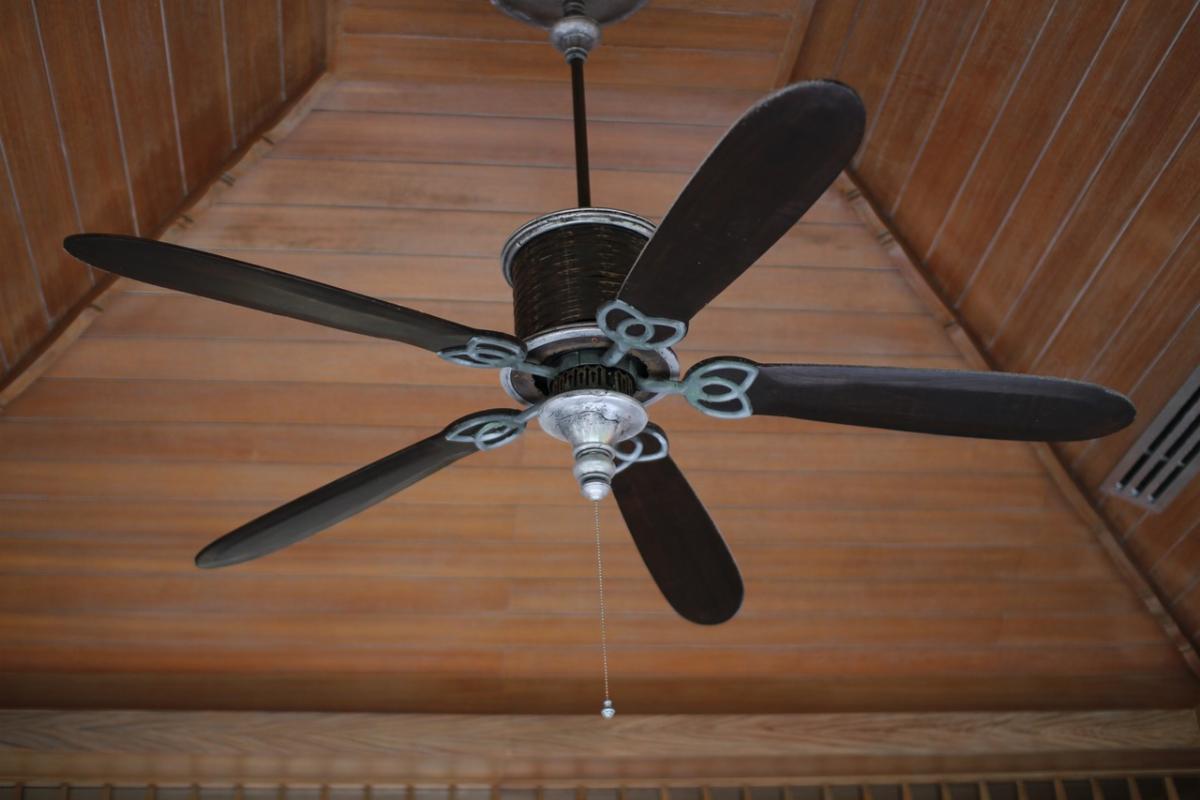
Fan Size: The size of the ceiling fan should be appropriate for the size of the room. A fan that is too small will not circulate air effectively, while a fan that is too large will be noisy and may even create a draft. As a general rule, a fan with a blade span of 48 inches is suitable for a room that is 150 square feet or less.
Extra features: Reversibility (This allows the fan to blow air down in the summer and up in the winter), energy efficiency (Look for a fan that has an Energy Star label) & a remote control (always makes life a little easier).
Tips for the install:
-
Check the electrical box. The electrical box that the fan will be mounted to must be fan-rated. This means that the box is strong enough to support the weight of the fan and that it has the correct wiring for the fan.
- Take care to make sure the fan is level. A level fan will operate more efficiently and will be less likely to wobble and be noisy.
Get the most from your fan:
- Place the fan in a central location in the room. This will help to ensure that the air is circulated evenly throughout the room.
- Set the fan to the right speed. A remote control can make that easier.
- Reverse the fan direction in the winter. In the winter, you can reverse the direction of the fan blades so that they blow air up towards the ceiling. This will help to circulate warm air around the room.
- Clean the fan blades regularly. Dust and dirt can build up on the fan blades and reduce their effectiveness.
- Do not use the fan as a heater or cooler. Ceiling fans are not designed to provide heat or cooling. They are designed to circulate air, which can help to make you feel cooler in the summer and warmer in the winter.
If you are planning to use the fan outdoors, you will need to choose a fan that is designed for outdoor use. Outdoor ceiling fans are typically made with weather-resistant materials and have a protective coating to prevent rust and corrosion. And opt for one with a remote control mounting it near the door for quick access.
Remember!
Do not leave ceiling fans running in unoccupied rooms. Fans are only beneficial if there is someone present to experience their effect. As a matter of fact, the motor in the fan can actually heat the air in the room slightly, defeating the very purpose of the fan.
Fans cool people not rooms, so save by turning off ceiling fans when you're not home.