|
Hello,
Welcome to the July edition of the Champaign County OSU ANR Extension newsletter! In our monthly updates, my goal is to provide seasonal information on topics related to agriculture and natural resources (ANR), boost local events promoting ANR, and connect our community with ongoing research. Have ideas, questions, or simply want to say hello? Please reach out using my listed contact information!
I am just getting back from a lovely time at the 64th Annual Meeting of the Society of Nematologists. We met in Victoria, British Columbia, where we discussed all matters of current knowledge on plant-parasitic nematodes (PPNs), and I was given the opportunity to present my thesis results on Ohio's management strategies of soybean pathogens.
"What's a nematode?"
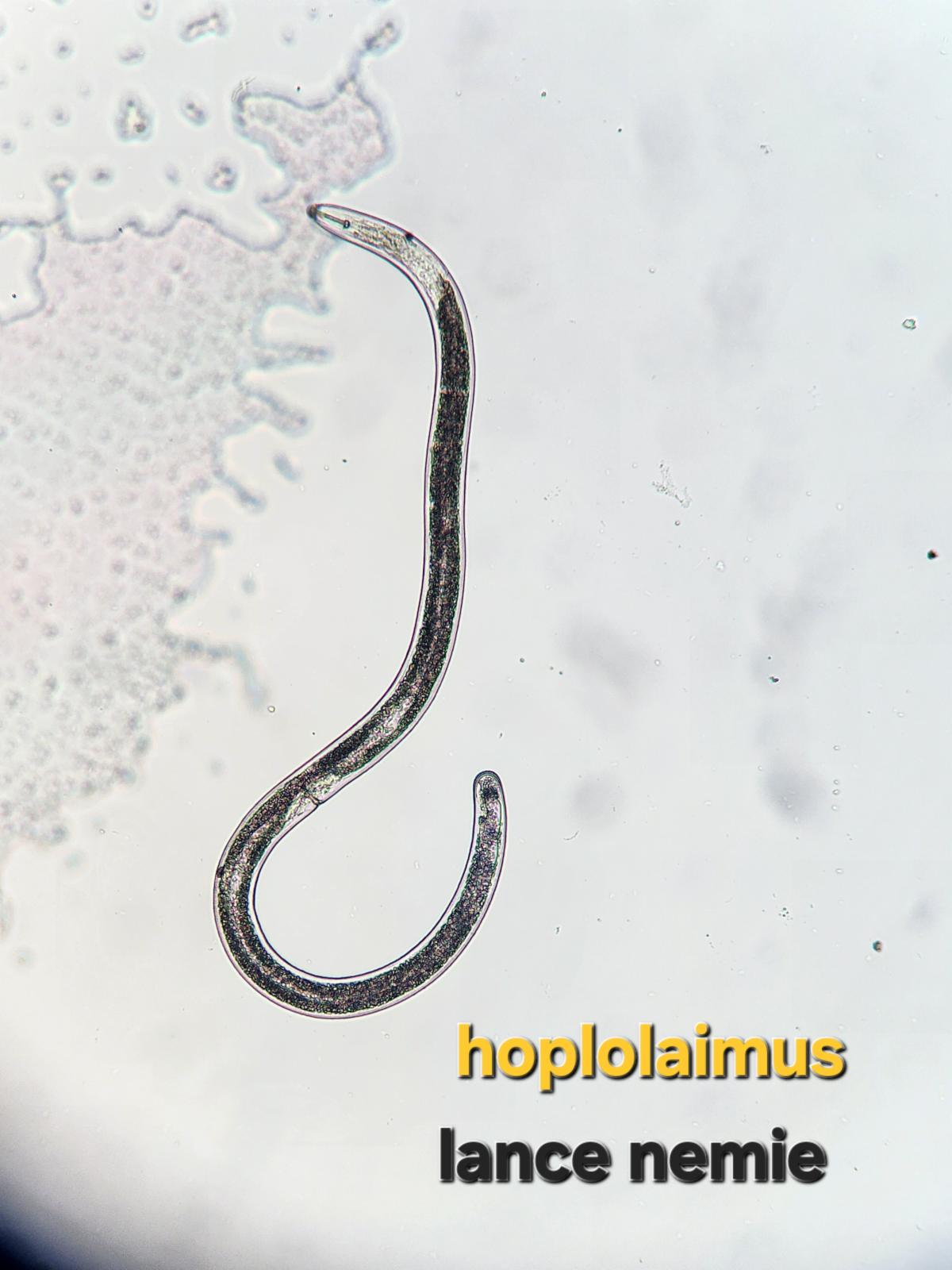
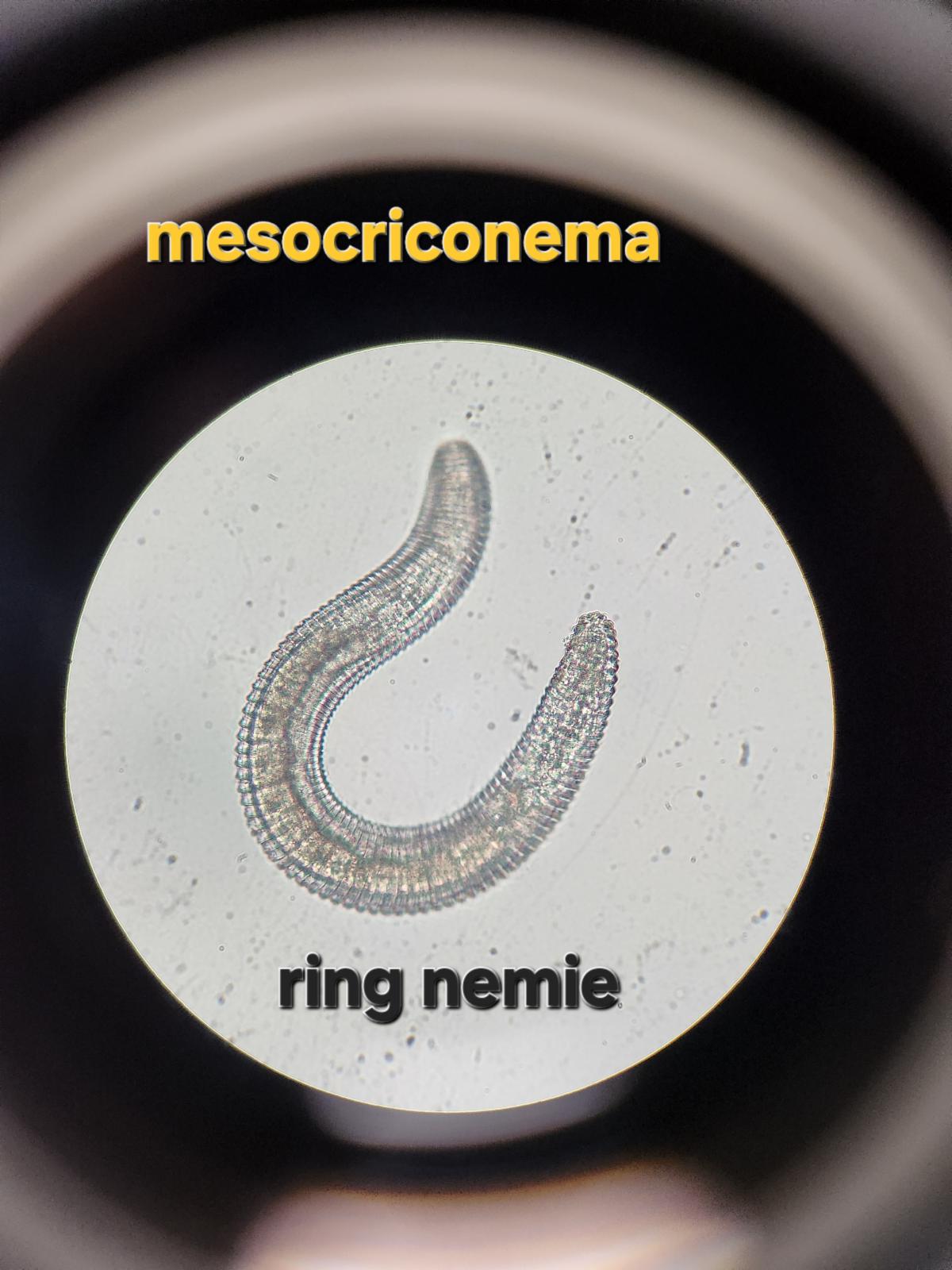
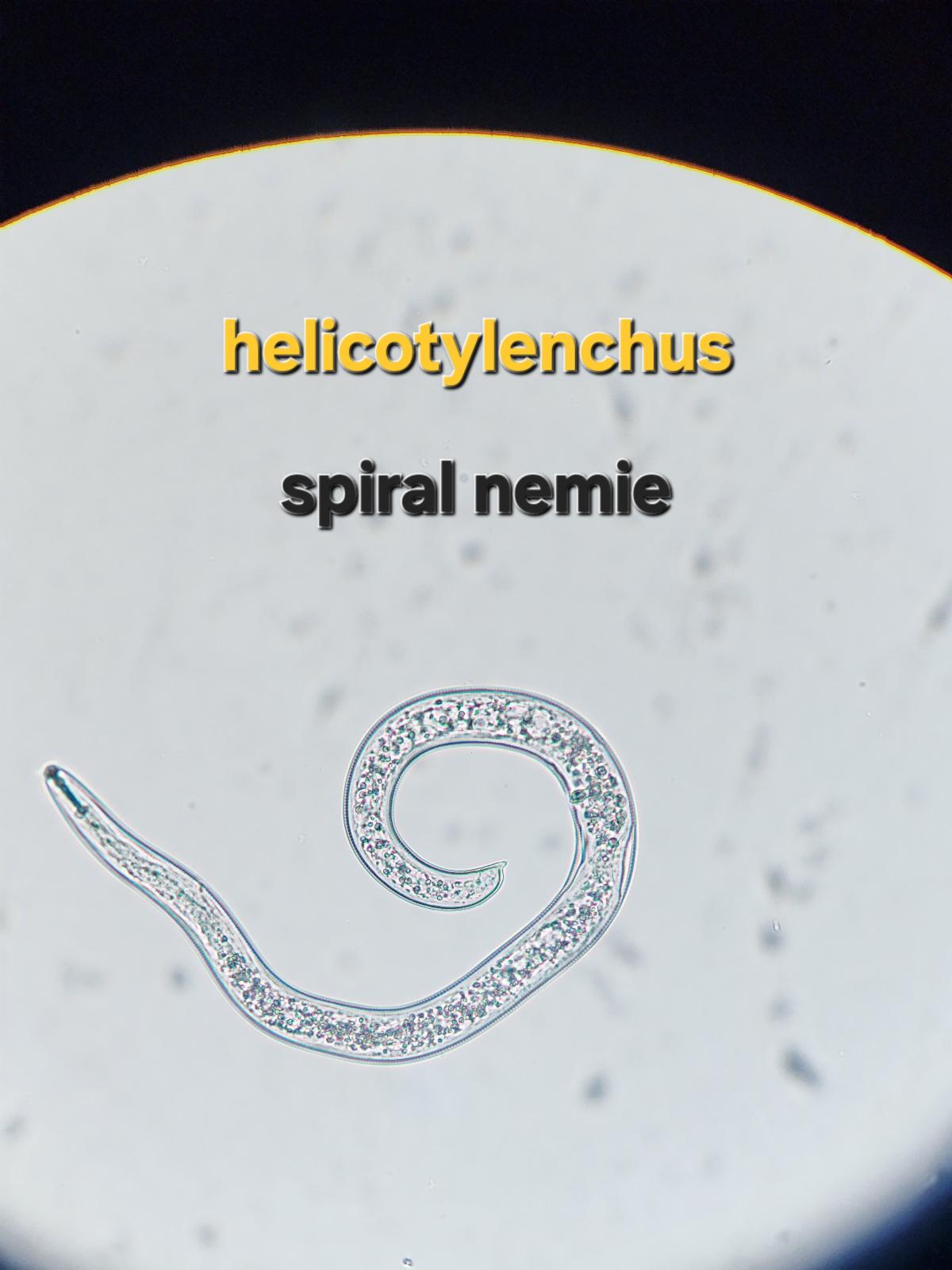
The most abundant animal in the world is the nematode! Nematodes are roundworms, ranging from 8 meters to microscopic and occupy all biological niches on all continents. Nematodes hunt bacteria, fungi, and other nematodes. Specific species parasitize plants and animals (i.e. heartworm, roundworm). These guys have even survived space travel. The creatures are truly resilient, which is why we must be vigilant when it comes to PPNs.
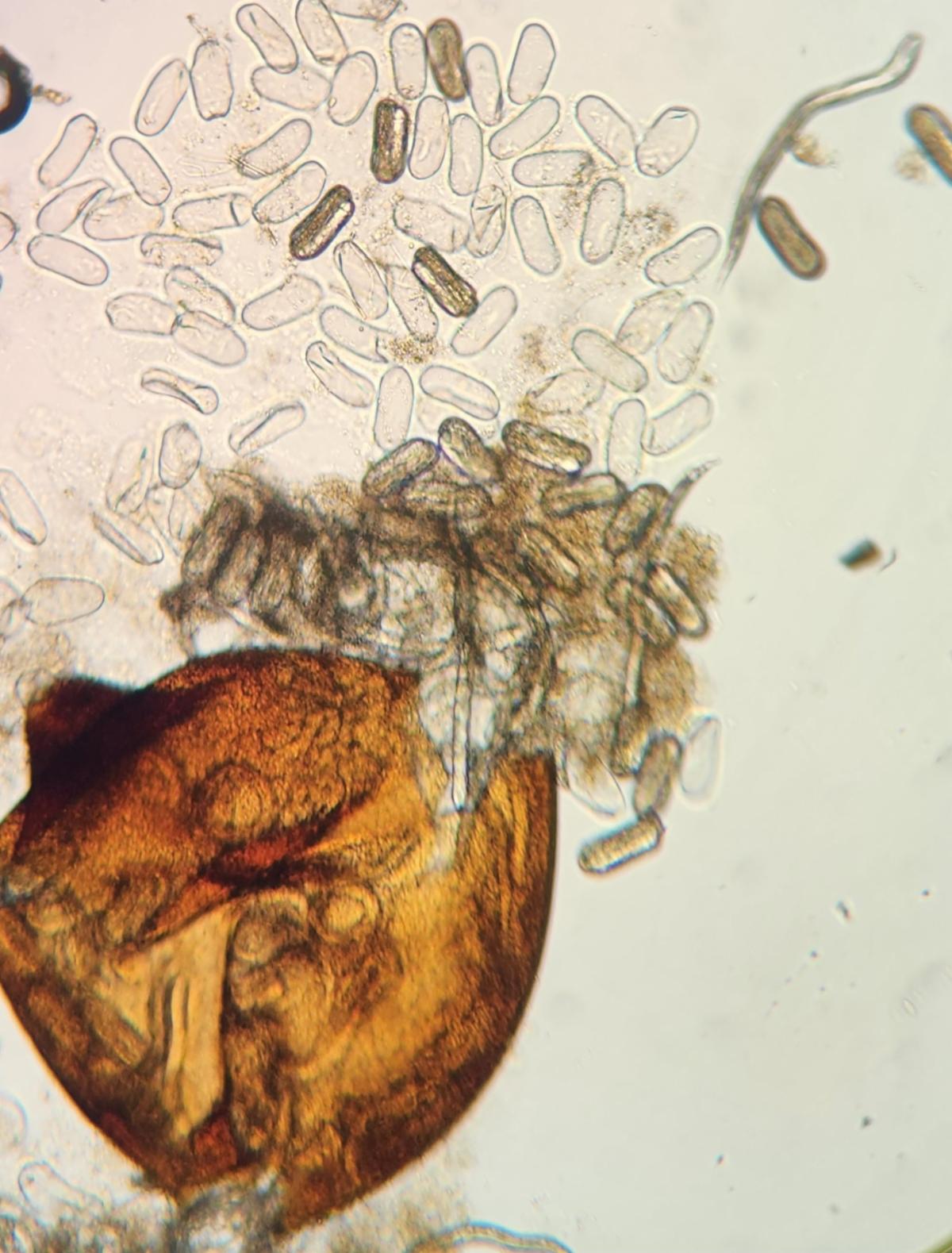
The most economical impactful pathogen on soybean is Heterodera glycines, better known as soybean cyst nematode (SCN). SCN contributes to an estimated $1.5 million in crop losses annually across North America. In infested fields, SCN can reduce yields by an average of 30%, often without visible above ground symptoms. When symptoms are expressed, it appears as macronutrient deficiencies.
Some of you may be familiar with my background in the OSU Soybean Pathology and Nematology laboratory (SPaN). The SPaN laboratory offers two FREE SCN tests annually for all growers. For our Champaign county residents, this offer now includes corn nematode analysis as well. If you are interested, reach out to me for free sampling and shipping of soil to OSU labs. The best time to sample is in the fall, or post-harvest, when we are making decisions on seed genetics for the following season. However, sampling can be done anytime to establish a baseline for your fields.
Once you receive your results, you can use them with the SCN Coalition's Profit Checker Calculator. By entering your SCN egg count, soil sand percentage, and soil pH, you will get an estimate of potential profit losses due to SCN. This is a powerful tool, built with data from +25,000 university field trials. This tool not only helps you make informed management decisions, but also supports researchers in identifying what strategies are working in Ohio fields. Give the Profit Checker a try today! Do you know your numbers?
There are even more publications and resources to visit below. Please take some time to review the exciting events in our area! As a reminder, I will be attending the Champaign County Fair and Farm Science Review. Additionally, Farm Science Review tickets are now on sale in our Urbana office. Stop by to avoid the ticket lines!
Best,
Ambria Small
|