Drain Control
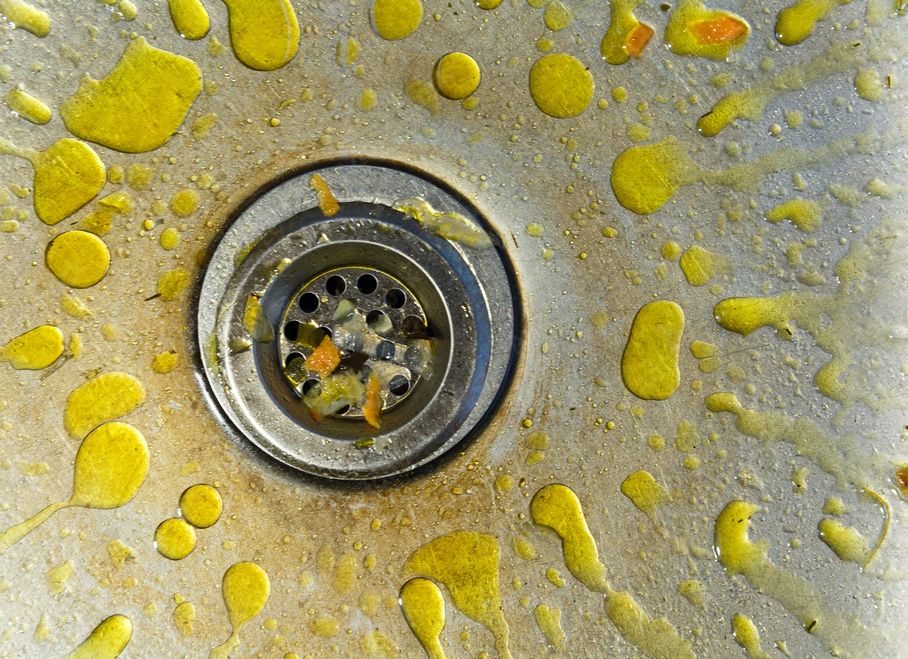
It's essential to properly dispose of cooking fats, oils, and grease (FOG) as pouring them down drains or toilets can lead to significant plumbing issues, including clogged sewer pipes, which may result in expensive sewer overflows and basement backups.
Always opt for disposal methods such as collecting FOG in a container and throwing it in the trash.
FOG blockages, caused by fats, oils, and grease, can lead to serious issues such as sanitary sewer overflows and backups into residential properties, necessitating emergency plumbing services that typically range from $200 to $400 for the first hour, with additional fees for extended work or after-hours calls.
Here are some tips on how to dispose of greases and oils.
- To properly dispose of fats, oils, and grease (FOG), ensure they are solidified by absorbing them with paper towels or allowing them to cool in a pan before wiping.
- For small quantities, pour the grease into a lidded container with materials like wood shavings or cat litter, or place it in a strong container like a tin can and freeze until solid.
- Always consider reusing cooking oil instead of discarding it if it's still viable.
Here is a link that discusses more about the impact of fats, oils, and greases.
|