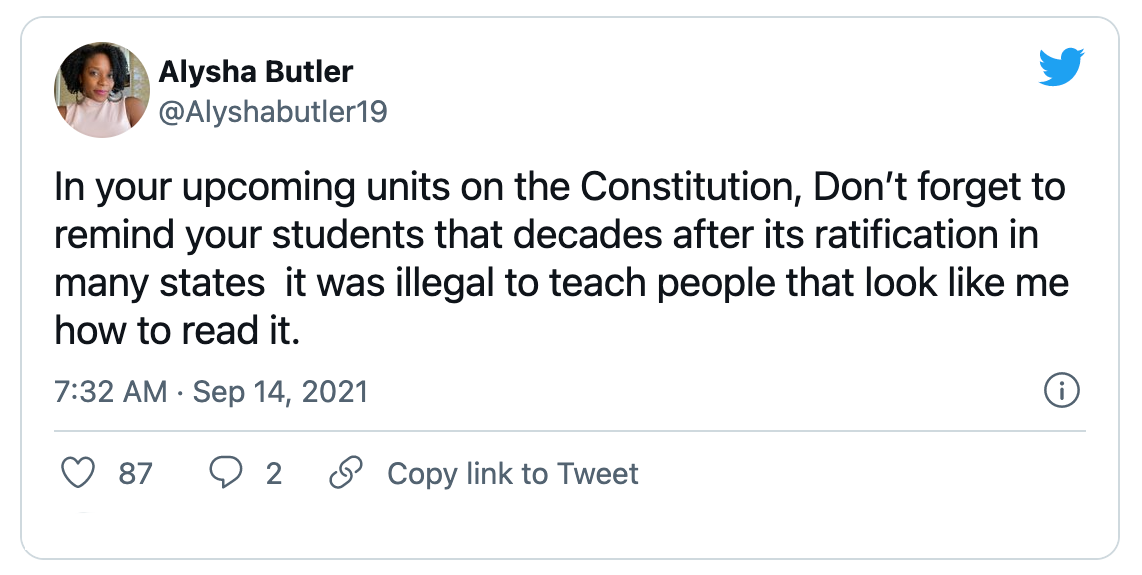
#TeachTruth
About Constitution Day

For example, in Texas, House Bill 3979, which went into effect Sept. 1, requires that teachers tell students that slavery and racism represented “betrayals of, failures to live up to, the authentic founding principles of the United States, which include liberty and equality…” The state of Texas — and many others — now require teachers to lie to students.

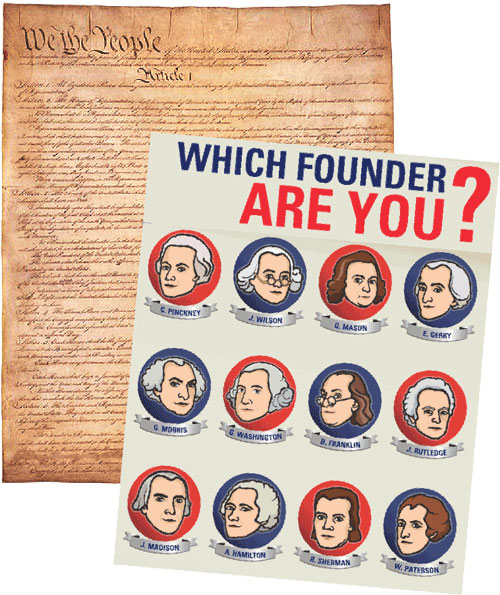
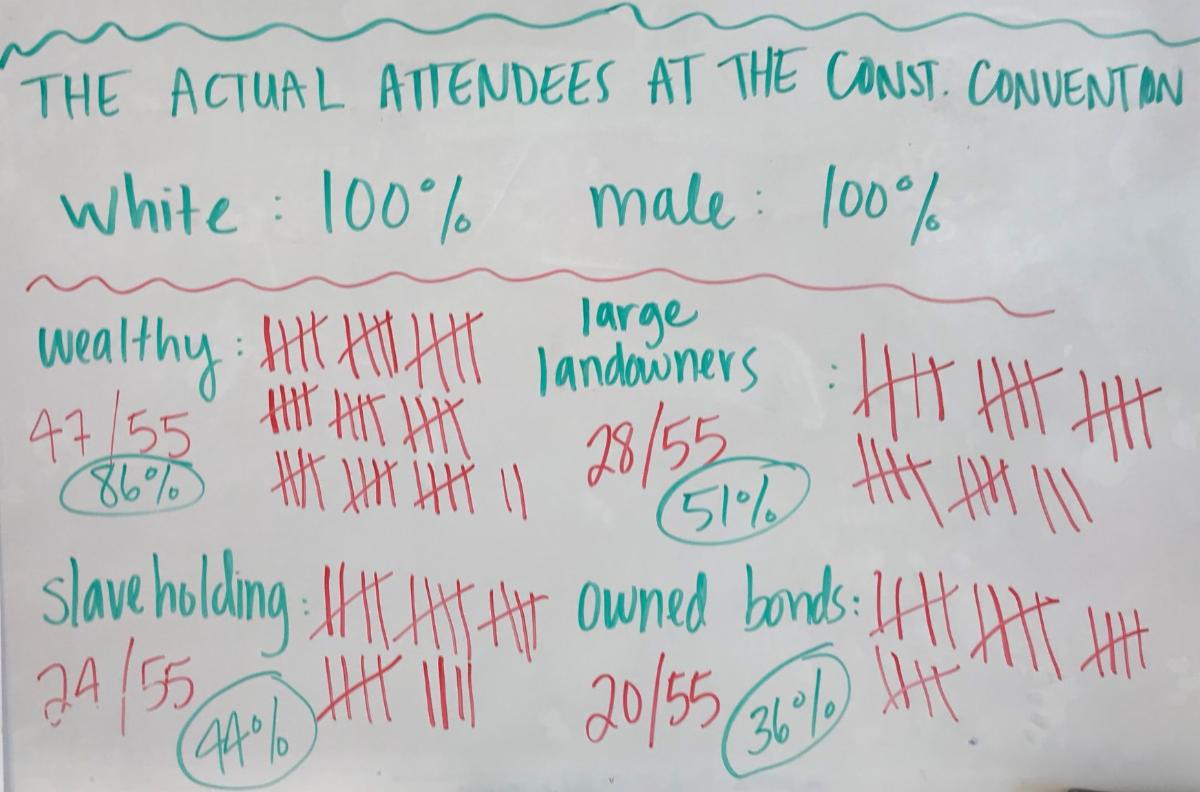
In fact, Black lives did not matter to the rich white men who met in 1787 to write the U.S. Constitution. About 40 percent of them were enslavers — including George Washington and James Madison, the so-called father of the Constitution. Although this document never mentions “slaves” or “slavery” — or race — the men assembled in Philadelphia made sure to hammer slavery into the foundation of the country they were building.

The kidnapping and forced transport of enslaved human beings from abroad would be continued until at least 1808. (And even then, the internal slave trade would continue to be legal.) Anyone fleeing slavery and subsequently apprehended “shall be delivered upon claim of the party to whom such service or labor may be due.”
At a Georgia #TeachTruth teach-in, Decatur High School graduation coach Jennifer Young invited people to write on the sidewalk. Young said, “What we would love for you to do is cover the sidewalk with whatever you learned today, because that’s not being taught in your school and it can be taught in the Square. The reason we are using chalk today is because this is just like history. If we’re not careful, it can all get washed away.” Photo by Dean Hesse.
No. The U.S. Constitution was a document of oppression for enslaved people. But in more and more states, it is against the law for students to learn this from the curriculum.

On this Constitution Day, let’s commit ourselves to teach the truth. Let’s look deeply and critically at how this document may have offered a republican form of government for some, but denied humanity to others, and contributed to the system of white supremacy we still need to dismantle.
Alysha Butler, DCPS teacher and Gilder Lehrman 2019 National History Teacher of the Year
Related Lessons and Articles
It’s Constitution Day! Time to Teach Obedience or History?
Students deserve a more critical and nuanced exploration of the Constitution — one more alert to the race and class issues at the heart of our governing document. Students need to learn who wrote the Constitution and what interests they represented.
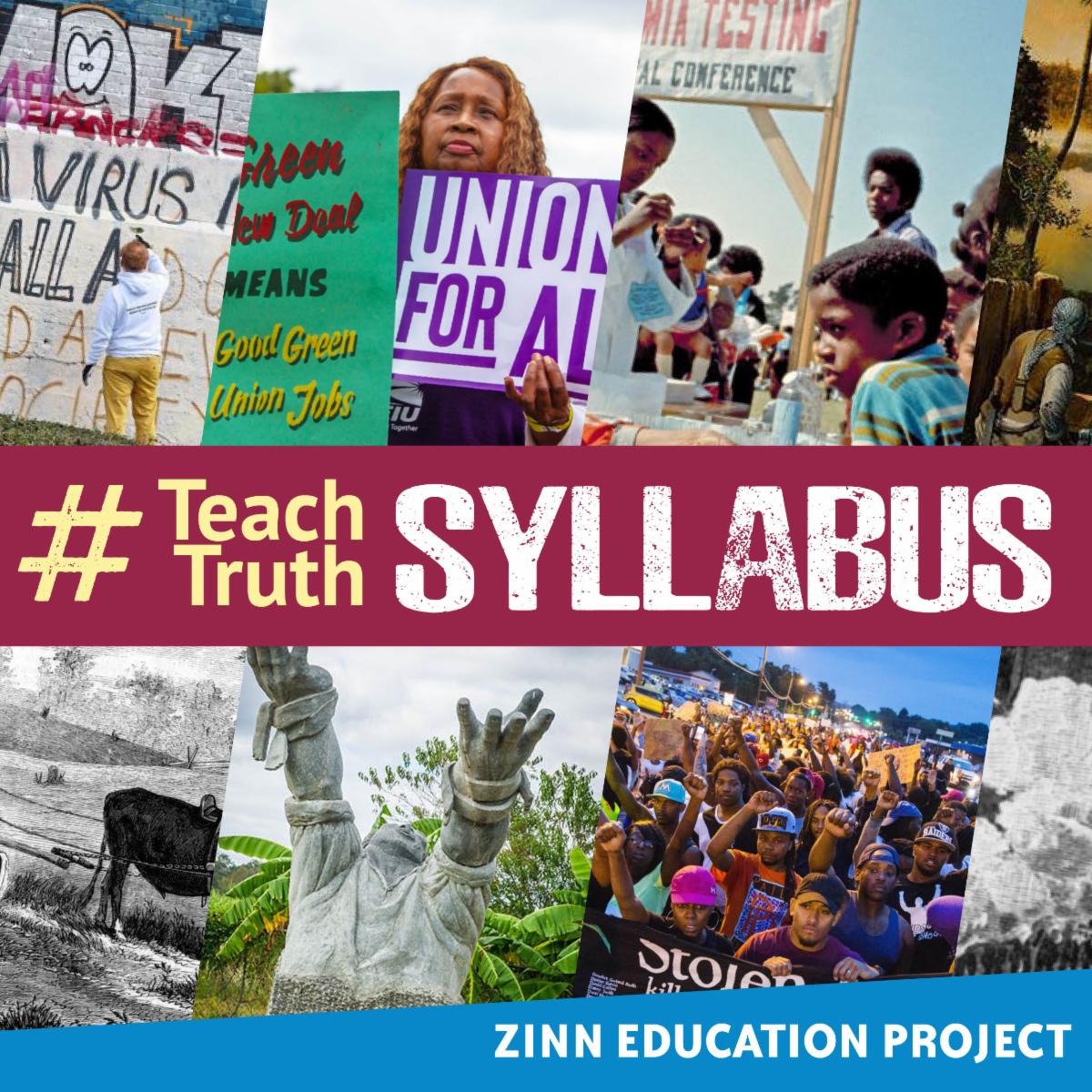
#TeachTruth Syllabus
Our #TeachTruthSyllabus offers resources that provide a framework for students to understand how racial disparities developed historically and endure today.
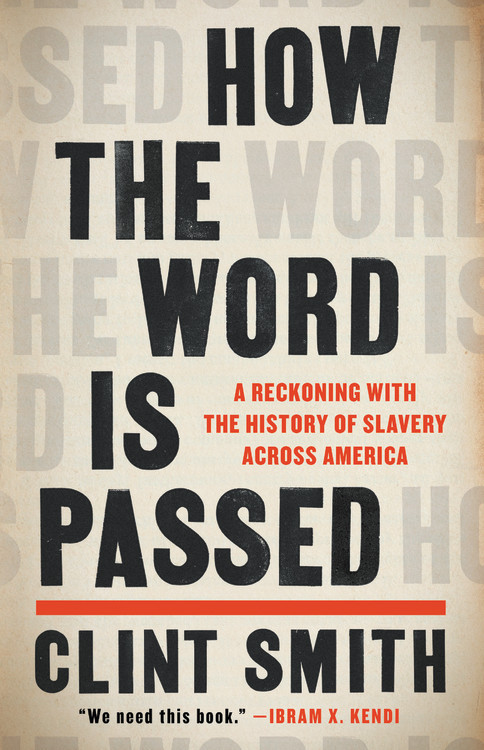
Lessons for How the Word Is Passed by Clint Smith
Clint Smith’s How the Word Is Passed can play an important role in truth-telling. We've prepared lessons, discussion questions, and writing prompts to take students more deeply into Smith’s examination of how monuments and landmarks represent — and misrepresent — the central role of slavery in U.S. history and its legacy today.
Repair: Students Design a Reparations Bill
In this activity, students take on the role of activist-experts to improve upon a Congressional bill for reparations for Black people. They talk back to Congress’ flimsy legislation and design a more robust alternative.

In crafting amendments and additions to the bill, students must decide what form the reparations should take, how much is due, and argue which needs are the most pressing and fundamental.
Constitution Role Play: Whose “More Perfect Union”? and The Constitutional Convention: Who Really Won?
The U.S. Constitution endorsed slavery and favored the interests of the owning classes.

What kind of Constitution would have resulted from founders who were representative of the entire country?

That is the question addressed in this role play activity.
Support People's History Students
COORDINATED BY:
PO BOX 73038, WASHINGTON, D.C. 20056 
202-588-7205 | zinnedproject.org