Technically Speaking:
CS Everyone May 2026 Newsletter
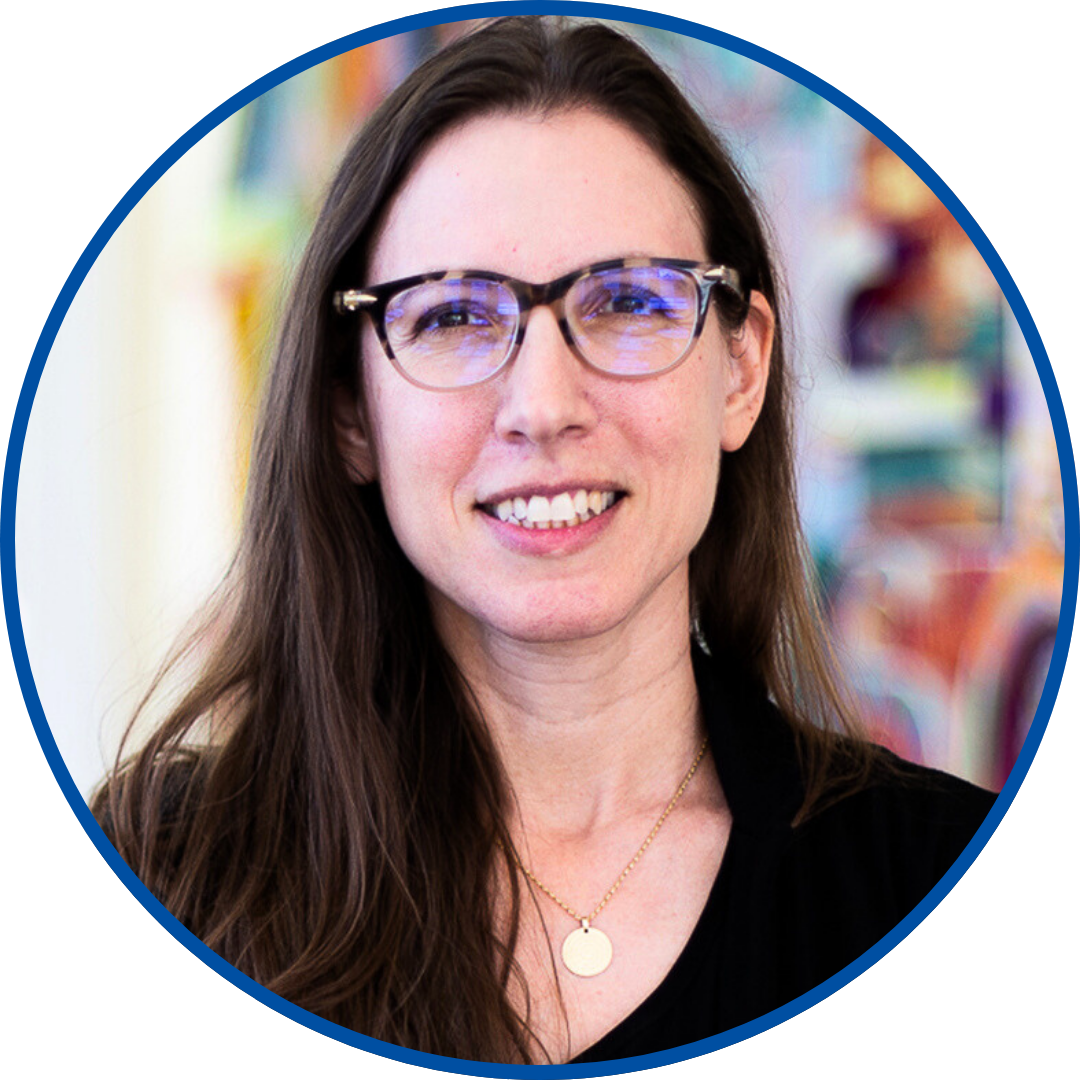
| | A Message from the Center Director | | | | |
Welcome to the spring edition of the CS Everyone Center newsletter!
As we reflect on this spring, we are grateful for the continued growth of the CS Everyone Center and for the many educators, district leaders, researchers, families, funders, and community partners who make this work possible. Across our projects, we continue to focus on a central goal: expanding meaningful, accessible, and well-supported computer science and artificial intelligence learning opportunities for all students and their teachers.
| | |
Our work this spring continues to move forward across our four pillars:
-
Capacity Building: We continue to support districts across Florida in navigating AI in education through the Florida K–12 AI Education Task Force, including recent convenings like the second annual Classroom of the Future event and new resources for educators and families. Recent highlights include AI Literacy Days at UF and outreach efforts led by our team, creating space for educators, families, and researchers to explore the opportunities and challenges of AI in education.
-
Engaging All Learners: Our work to ensure meaningful participation for all students continues through UDL4CS-2 and our Google-funded accessibility initiatives. This includes ongoing partnerships with districts such as Chicago Public Schools and Broward County Public Schools, as well as continued development and use of accessibility frameworks to support educators in evaluating and implementing accessible CS and AI learning experiences. We are especially excited to announce new funding from the Siegel Family Endowment to extend this work into rural Florida school districts.
-
Teacher preparation: We are strengthening pathways for both current and future educators through programs like UFTeach and new professional learning opportunities, including the Infosys Pathfinders Summer Institute PD for UDL that now includes AI alongside CS. These efforts provide practical, flexible ways for educators to build skills in inclusive CS and AI instruction and bring those practices directly into classrooms.
-
Research and innovation: Our team continues to contribute to the evolving field of AI and CS education through research, convenings, and community engagement. This research includes a Google.org funded AI Impact Study in collaboration with Miami-Dade County Public Schools and SPARK (Supporting Practical AI for Real K–12 Classrooms), a Gates Foundation supported collaborative project between Impact Florida and the CS Everyone Center, helping districts move from exploration to coordinated, system-wide implementation of AI.
Below you will read details about some of these initiatives. Thank you for being part of this growing community. Your dedication and collaboration continue to make this work possible and impactful.
| | Florida's K-12 AI Education Task Force Classroom of the Future Event | |
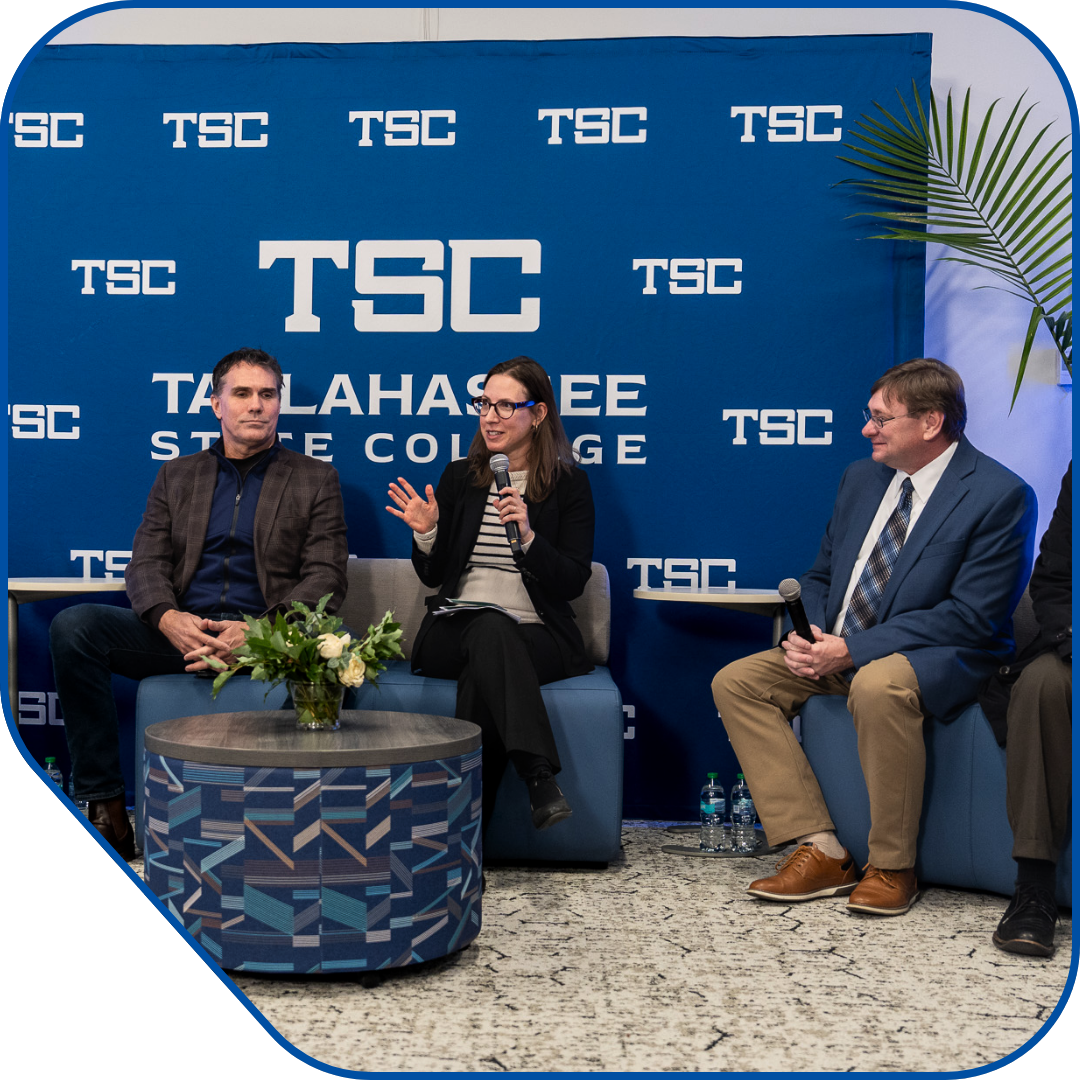
The Florida K-12 AI Education Task Force hosted the second annual Classroom of the Future event this January, bringing together district leaders, school board members, higher education faculty and researchers, industry partners, and nonprofit organizations. The event featured fireside chats and panel discussions on the future of AI in Florida’s education system, how educators can effectively leverage AI in the classroom, and key considerations around ethics and academic integrity. If you missed it, check out the 2026 Classroom of the Future webpage to see more information about the speakers and to watch videos of some of the sessions.
We continued to hold monthly webinars, with guest panelists from around the state. If you missed any of these webinars, you can find the recordings on the AI Taskforce webinar page.
| | 2026 EDSAFE AI Alliance Torchbearer Award | |
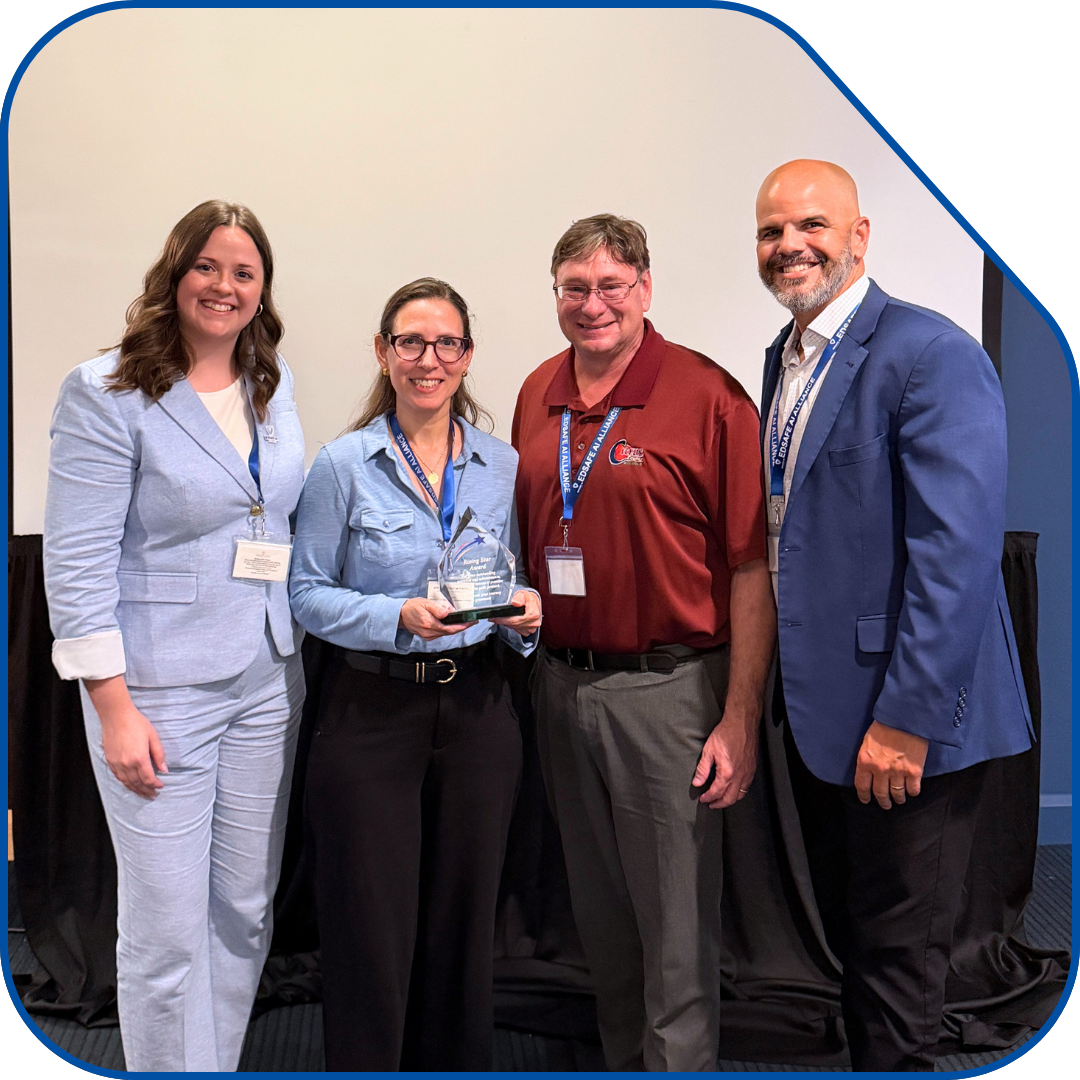
In May the AI Taskforce was awarded the 2026 EDSAFE AI Alliance Torchbearer Award, accepted by Dr. Maya Israel, Roberto Alonso (Miami Dade County Public Schools/Miami Dade College), and Thomas Kennedy (Citrus County Public Schools) at the EdSafe Policy Lab Summit.
| Interested in joining the Florida K-12 AI Education Task Force? | | |
The CS Everyone Center has received new funding from the Siegel Family Endowment to expand its Networked Improvement Community (NIC) into rural schools and districts, with a focus on increasing participation of students with disabilities in K-12 computer science and AI education. This effort will engage the three Florida rural educational consortia, North East Florida Educational Consortium (NEFEC), Heartland Educational Consortium, and Panhandle Area Educational Consortium as key partners in building capacity and broadening access across their regions.
Over the next two years, the project will support cohorts of teachers through targeted professional learning opportunities, including access to the UDL4CS microcredential course and hands-on resources through curated lending libraries. The initiative is designed to be flexible and collaborative, allowing participating districts to shape priorities such as grade levels and delivery models.
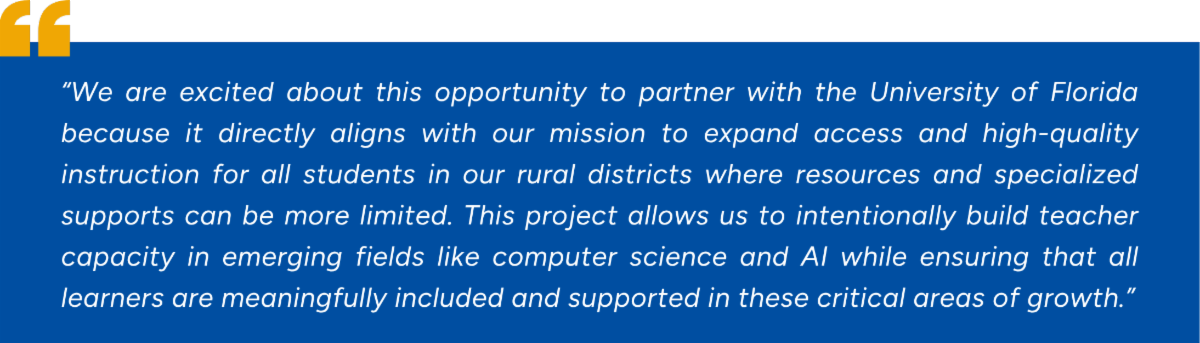
“Educational consortia are well-positioned to expand opportunities across rural districts,” said Donna Garcia, Executive Director of the Heartland Educational Consortium. “We’re excited to partner with the University of Florida on a Computer Science and AI initiative that helps teachers better support students with disabilities—especially in rural communities. This work aims to close opportunity gaps and create more equitable learning experiences for all.”
Patrick Wnek, Executive Director of the North East Florida Educational Consortia (NEFEC), added,
| | The project will also offer workshops and opportunities for educators to connect with peers and learn from districts with established inclusive CS programs. The goal is to make meaningful progress in expanding equitable access to CS/AI education for learners with disabilities while building a strong, connected community of educators committed to this work. | | AI Literacy Days at Norman Hall | | |
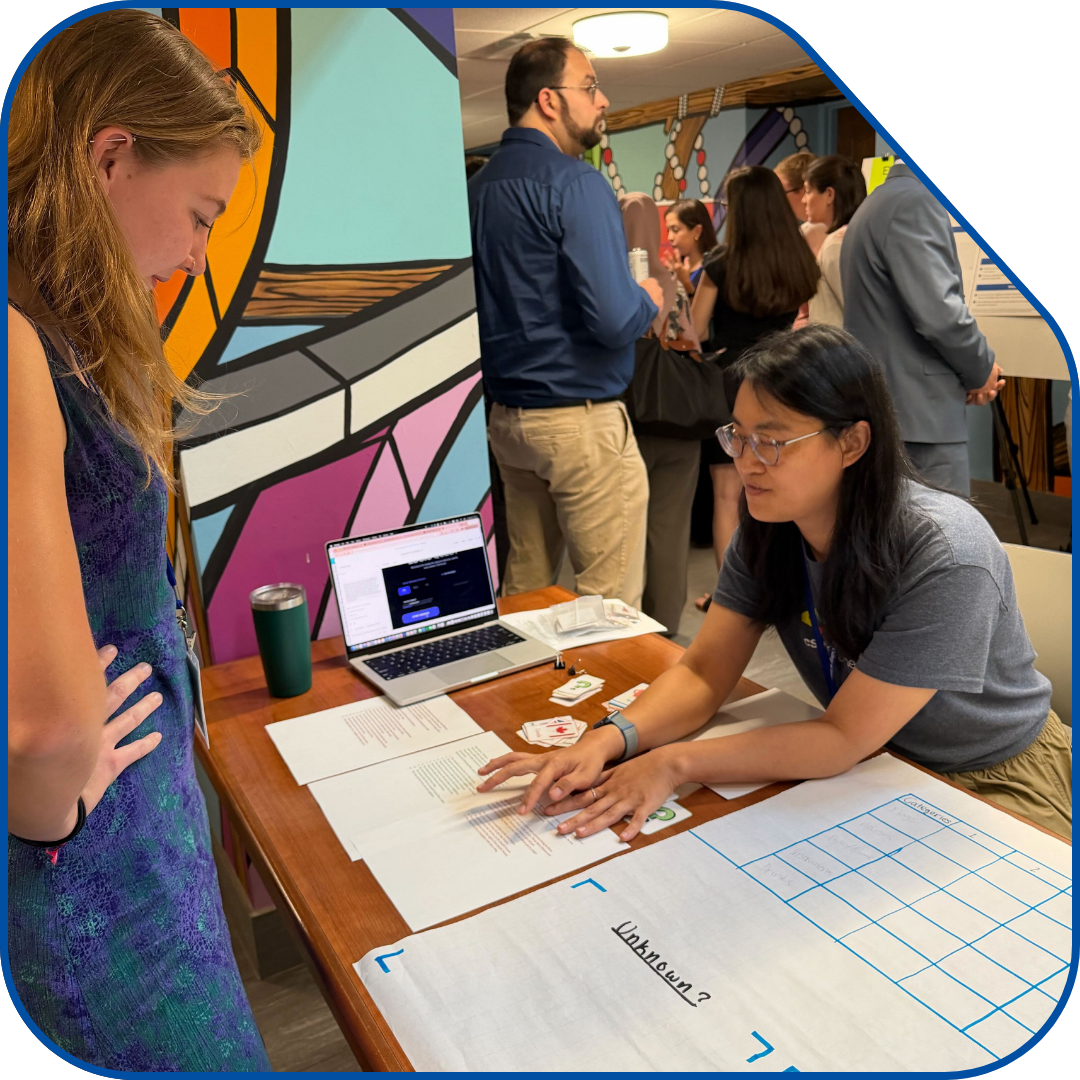
In honor of National AI Literacy Day this year, the CS Everyone Center, the FL K-12 AI Education Task Force, and the Institute of Advanced Learning Technologies (IALT), sponsored a University of Florida College of Education event to network, reflect, and share learnings on the state of AI education. Our Center members showcased research, curricula, participated in panel discussions, and promoted the work of the FL K-12 AI Education Task Force across the two-day convening. Below are highlights from the conference:
- Nykema Lindsey shared insights on how emerging technologies, such as AI to immersive environments, can reshape education to be human-centered and ethically designed across diverse learning spaces during the panel discussion, “Panel on Perspectives on the Future of Learning Technologies.”
-
Andrew Bennett and Nykema Lindsey (co-authors: Dwi Maharrani & Maya Israel) gave a demonstration of the POUR (Perceivable, Operable, Understandable, Robust) framework and how users might use this framework to evaluate software and hardware for accessible applications.
- Shan Zhang (co-authors: Anthony Botelho and Maya Israel) shared insights on developing and aligning self-reported and objective-based assessments of AI literacy to uncover learner profiles and gaps between perceived and demonstrated competencies among K-12 teachers during the poster session, “From Perceptions to Competence: A Learner Profile Analysis of K–12 Teachers’ AI Literacy.”
- Dwi Maharrani (co-authors: Andrew Bennett, Nykema Lindsey, and Maya Israel) presented her poster on a self-assessment survey instrument under development entitled: “Competence Self-Assessment for Computer Science Teachers” (ACCESS)
-
Alexis Cobo (co-authors: Meize Guo and Nykema Lindsey) gave a demonstration on an elementary unplugged lesson, a logic puzzle based on the AI4K12 Big Idea #2 Representation and Reasoning.
-
Meize Guo (co-authors: Ali Rinehart & Gayle Evans) demonstrated an elementary AI activity used by UFTeach preservice teachers that focused on the AI4K12 Big Idea #2. Additionally, highlights from preservice teachers’ practicum (e.g. instructional strategies) and an extended digital version of the activity created in Google AI Studio were also featured.
- Maya Israel shared insights on the state of FL K-12 AI Education Task Force during the panel discussion “AI In Education: Impact Stories.”
We look forward to continuing to catalyze the conversation on AI literacy within the College of Education and across the K-12 ecosystem.
| | Universal Design for Computer Science Education - 2, Strengthening Partnerships Through Networked Improvement Communities | | | | |
Building upon a decade of research and practice partnerships, the CS Everyone Center began a multi-year grant awarded by the National Science Foundation (DRL #2434586) with a four pronged approach:
- Strengthen the partnerships between the University of Florida, Computer Science Teachers Association (CSTA), Broward County Public Schools (BCPS), and Chicago Public Schools (CPS) through a Network Improvement Community (NIC).
- Identify the specific support systems and challenges K-8 teachers encounter while delivering instruction to students with disabilities in computer science education at NIC sites.
- Create a knowledge base and share findings with the broader CS education community about best practices in teacher professionals development
- Observe meaningful participation of students with disabilities in K-8 across school sites.
| | |
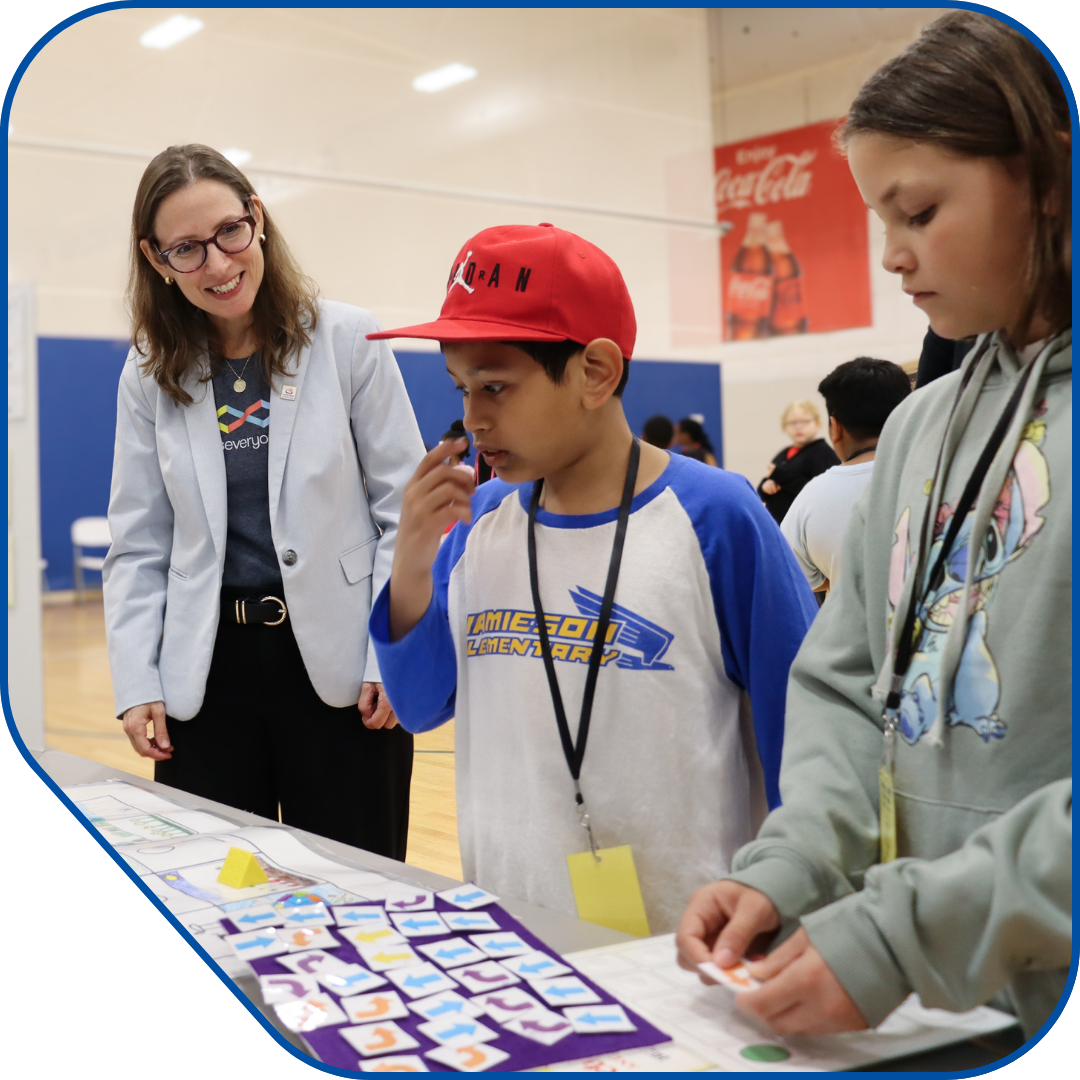
As the Spring Semester closes, the UDL4CS-2 project team collaborated across the partnerships to host ten professional learning community meetings for school-based teams to grow their understanding of meeting the needs of all learners, including those with disabilities in K-8 computer science education. As a culmination to the year, Chicago and Broward Public Schools hosted showcases, allowing learners from all schools to celebrate their successes, and highlight their experiences in robotics and CS. Notably, Chicago Public Schools featured 800 students and their teachers, including Special Olympics Unified Robotics team competitions.
Recruitment to participate in a national professional learning community is currently underway. Interested? Visit the CSTA website to learn more.
To learn more about UDL4CS-2, check out the project website.
| | What's New With the Blockly Accessibility Fund | | |
Since January 2025, the CSEveryone team has been leading a Google Blockly Accessibility project (funded by Google.org) in a South Florida school district. Elementary and middle school teachers learn how to evaluate accessibility resources through a blend of synchronous online, two synchronous in-person, and asynchronous content with a range of Blockly-related robotics and micro:bit products. As part of the professional development (PD), they will evaluate the software and hardware interfaces.
Central to the program are the Perceivable, Operable, Understandable, and Robust (POUR) principles and H-POUR, a new hardware variant of POUR that has been developed as part of the project by CSEveryone Content and Training specialist Nykema Lindsey. Teachers will apply these frameworks to evaluate the classroom technologies and share their findings from their practice, informing future product and accessibility design. The project also explores how teachers make real-time accessibility decisions in the classroom, generating data about how teachers adapt to make decisions in diverse classrooms.
Since January 2026, the project's cross-functional team has completed a first iteration of professional development materials as well as a website. The team has delivered the first round of professional development and is currently starting data collection. The team’s early work is being recognized. The team presented two posters at UF's AI Literacy Days. One on POUR winning an innovation award. The team has been accepted to present a workshop at the Computer Science Teachers' Association conference in July. By creating structured ways for engineers, teachers, and learning content developers to collaborate, the project opens lines of communication to enable computer science education for all learners through improved design.
| | UFTeach Hands On Learning | | Our team at UF CS Everyone Center collaborates closely with the UFTeach program on outreach and learning projects across multiple undergraduate-level courses. UFTeach is an educational minor program designed to prepare future STEM and computer science (CS) teachers through a sequence of practice-oriented courses. Within this partnership, the CS Everyone Center leads the technology, computational thinking, CS, and AI literacy components of the program, supporting preservice teachers’ learning and teaching practice in authentic educational settings. | | | |
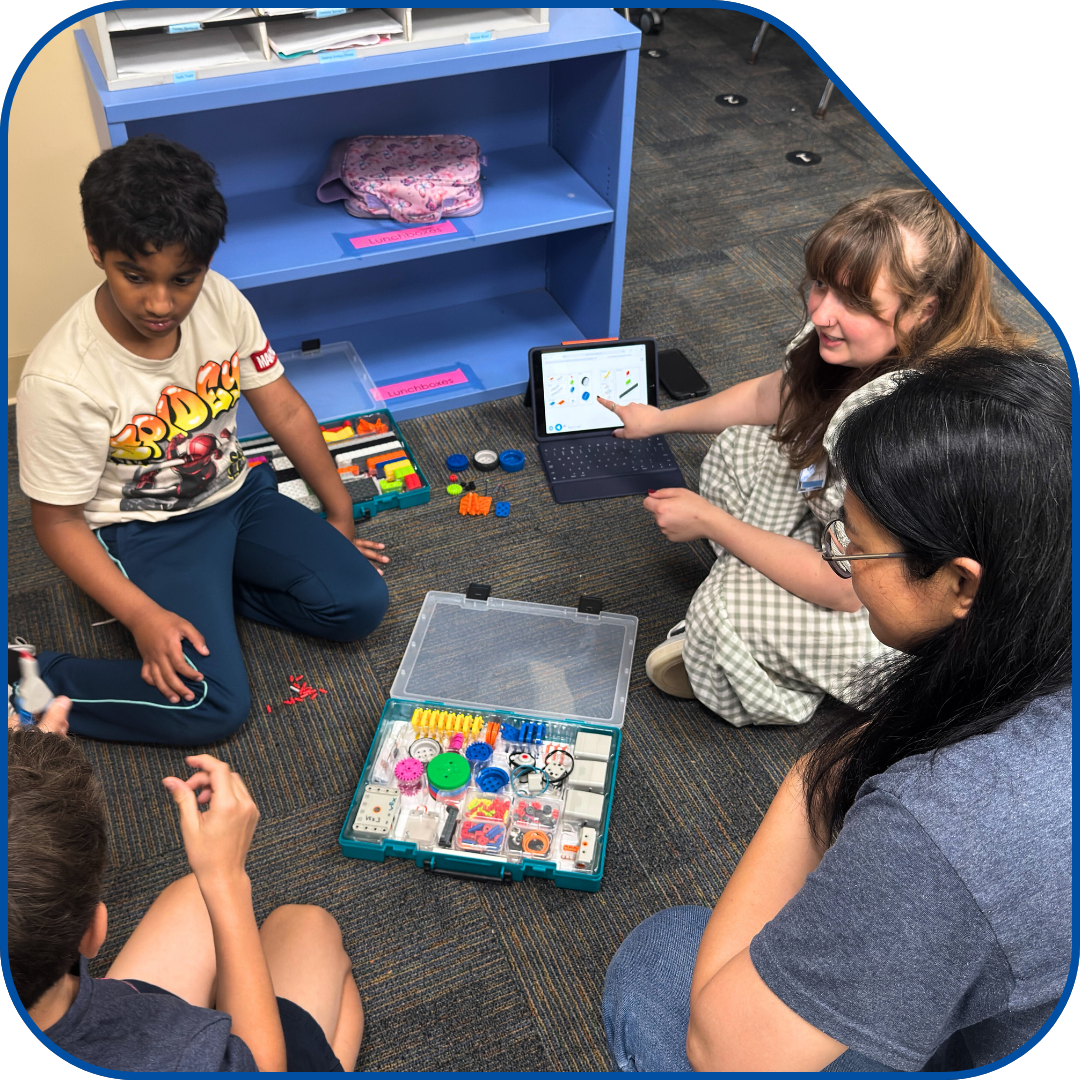
This semester, Dr. Meize Guo collaborated with Dr. Gayle Evans and Ali Rinehart from the Exploration Teaching courses (MAE 2364), in which preservice teachers teach CS and AI literacy to K-5 students at Parker Elementary School and P.K. Yonge Developmental Research School. Through a combination of unplugged activities and robotics-based lessons, preservice teachers gain hands-on experience designing and implementing engaging learning experiences for young learners.
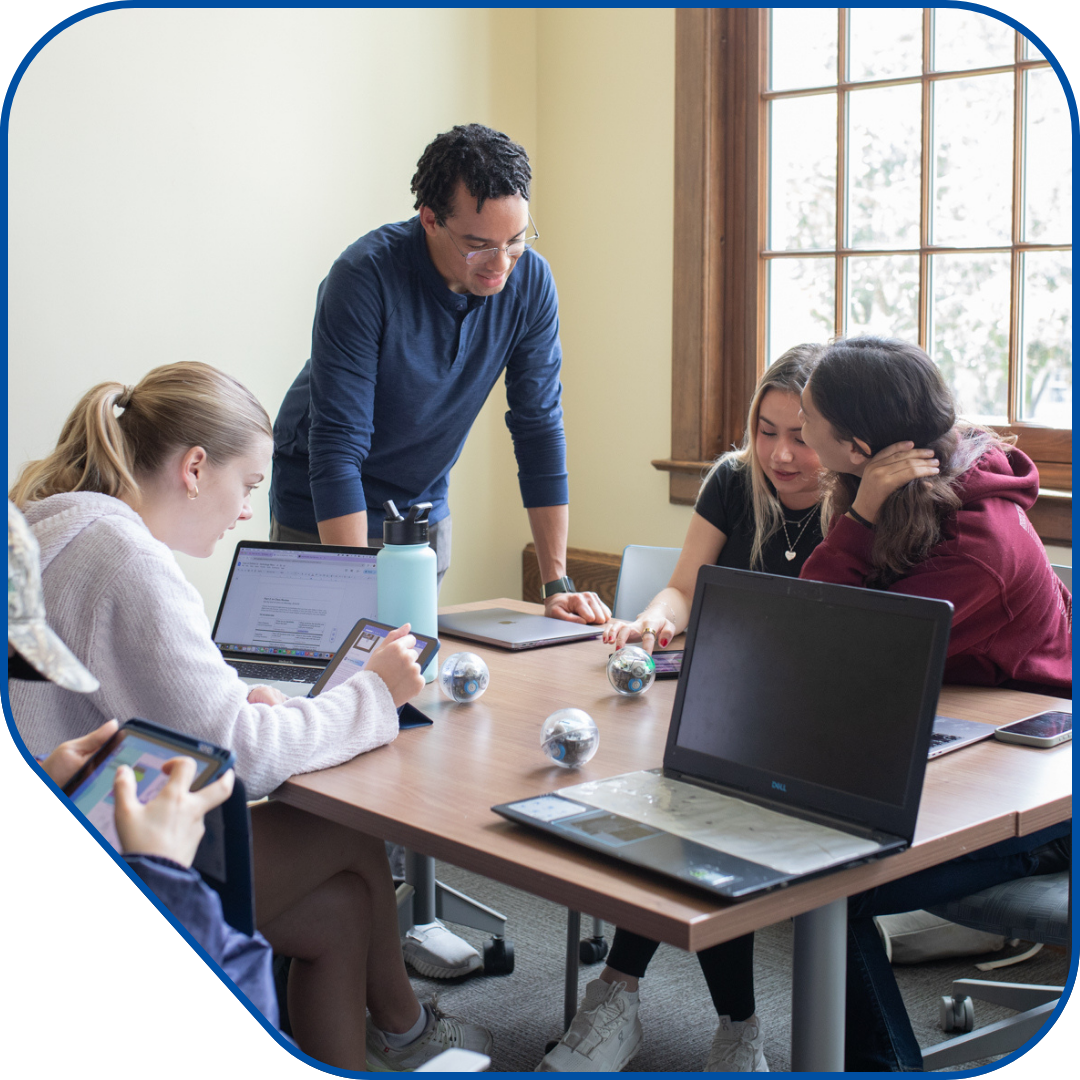
In addition, Dr. Michael J. Johnson worked with Dr. Kristen Apraiz from the Classroom Interaction course (SMT3301C) to demonstrate a range of CS educational technologies. Dr. Johnson’s work also introduces a structured framework to support novice teachers in selecting and effectively integrating these technologies into their classroom instruction. Together, these collaborative efforts strengthen the preparation of future teachers by bridging theory and practice while expanding access to high-quality CS and AI learning experiences in K-12 classrooms.
| | Spring Research Highlights | | Through the NSF-funded Teaching All Computer Science Through Collaboration with Special Education (TACTICS) Research Project, the CSEveryone Center, in collaboration with Arizona State University and CAST, is supporting general and special education elementary teachers in providing inclusive CS instruction. During the spring semester, participating teachers engaged in synchronous and asynchronous professional learning focused on CS concepts, Universal Design for Learning (UDL), and High-Leverage Practices. Teachers designed classroom lessons using micro:bits to help students explore foundational computer science concepts through accessible, engaging activities. As the academic year concludes, teachers have reflected on how this professional development experience has strengthened their mindsets, expanded their instructional repertoires, and enhanced their capacity to provide computer science education for all learners. | | |
Since January of this year, a project team led by postdoctoral research associate Dr. Michael J. Johnson has been developing CODET: the Computing Online Database of Educational Technologies. CODET (pronounced "code-it") seeks to address the critical need for K-12 teacher support in integrating programmable learning technologies (PLTs) into computer science and STEM (collectively, STEM+C) learning environments. PLTs—computer science (CS) educational technologies that support learning about coding and computational principles—are widely used in STEM+C education as a fun and engaging way to introduce CS concepts to learners of all ages. These include physical computing kits, educational robotics, application and game making software, and many more physical and virtual tools that promote learning CS.
While PLTs may be powerful tools for education, determining exactly which one works best for a given learning environment is not an easy task. These tools can vary by how learners interact with them, specifically in how they are programmed (i.e., coding modality) and how the user experiences feedback from them (i.e., feedback modality). There are also inherent implications about the tools themselves that need attention when used in these educational contexts, including their tangible and material properties, organizational layout, opportunities for personally meaningful making, and accessibility features. While these differences and the considerations they yield can be overwhelming for educators to navigate alone, they also provide a roadmap to classify and organize PLTs by their unique properties and what they bring to a learning environment.
That is where CODET comes in. CODET was started to provide an easy-to-use, collated, high-quality resource for teachers seeking PLTs to consult with up-to-date information on the tools’ availability, interactions, examples of usage in classrooms from both peer-reviewed and public sources, and community applications. It consists of three main features. First, the PLT Library contains entries with descriptions of each PLT, its features and properties, application to CS and other fields, and more. Second, the Glossary includes detailed descriptions of terms used to classify the properties of PLTs that appear in the entries and other areas of CODET, allowing educators to learn specifically about how these properties influence learning. Third, the Suggestion Box allows educators to contribute to CODET by suggesting additional PLTs to be included, corrections or addendums to PLT or Glossary entries, or entirely new features for CODET.
As of now, the project team consists of Dr. Johnson and three undergraduate student researchers (known as the CODET Cadets). They have created over 30 PLT entries for the initial prototype database, with many more to be added in the future. As this project is meant to serve K-12 teachers and educators, the team has begun preparing a series of co-design research studies to ensure the design of CODET best serves those users. These include focus groups, 1-1 interviews, think-aloud sessions, and surveys that explore mock-up and prototype versions of CODET and question users on their thoughts and impressions of the database. Additional support is being provided by a web development specialist who is creating the prototype CODET website, and the CS Everyone Center graphics team who is creating CODET's branding graphics and guidelines. The team expects initial testing to begin in June 2026 and continue throughout the summer.
We at the CS Everyone Center are very excited to see how this project progresses and the eventual public deployment of CODET as a resource for K-12 teachers everywhere!
| | The INVITE Institute (INnovatiVe Intelligent Technologies for Education) continues advancing research on how AI can better support student learning by focusing on skills such as persistence, resilience, and collaboration. Recent work includes the publication Using LLMs to Identify Indicators of Persistence from Students’ Dialogues with a Pedagogical Agent in the Journal of Educational Data Mining and Exploring the Use of Generative AI in Conversation-Based Assessment in Design Recommendations for Intelligent Tutoring Systems. INVITE researchers also presented posters at SIGCSE 2026 examining students’ code comprehension and strategy use across block-based and text-based programming environments, contributing to ongoing conversations about AI, learning, and computer science education. Our work with VEX Robotics is continuing to move forward as we are testing ways of leveraging learner modeling to support learner persistence in computer science education activities. | | Presentations across the Globe | | CS Everyone continues to present our cutting-edge work across the globe. A few notable presentations include: | | |
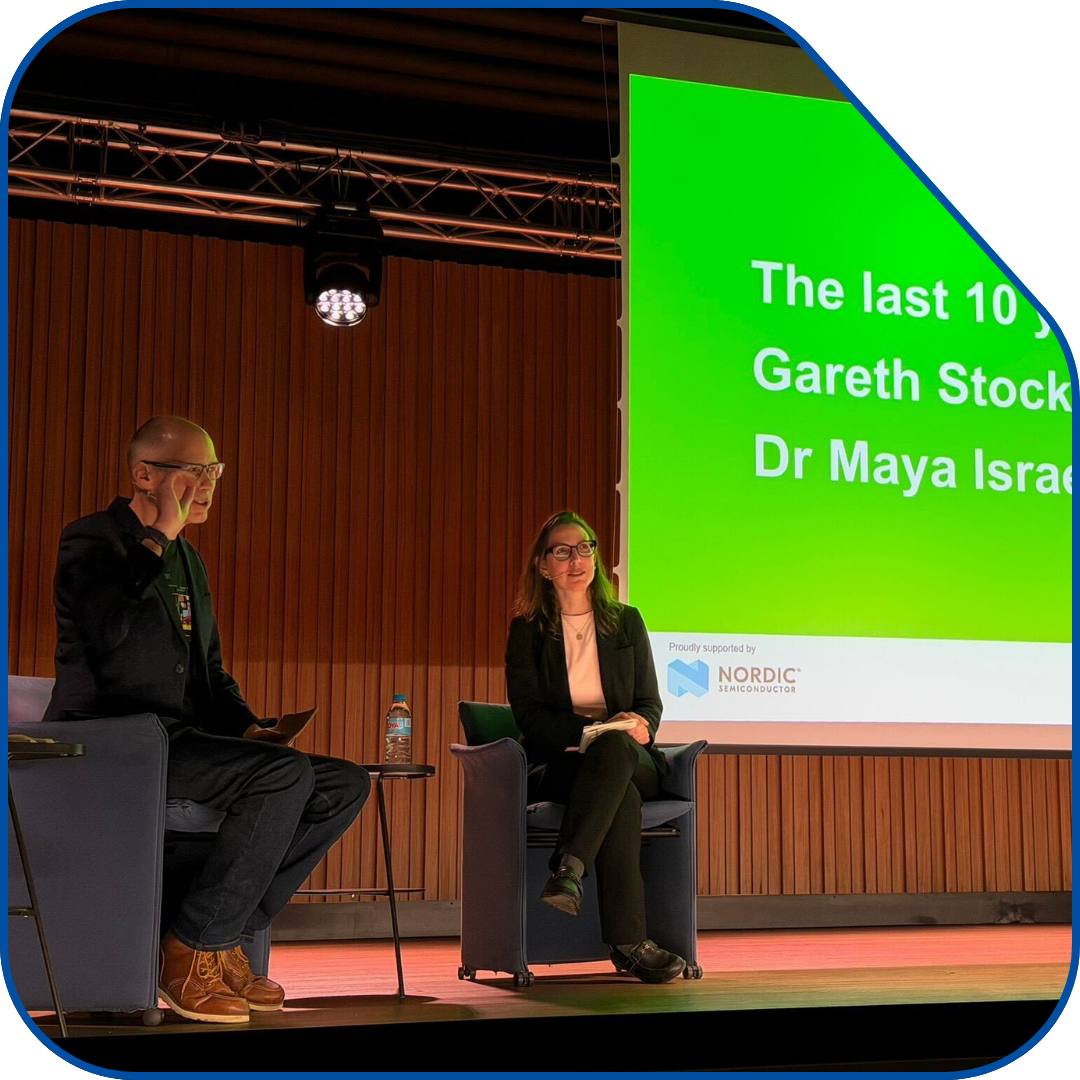
microbit:live in Barcelona with Dr. Maya Israel
- Dr. Maya Israel went to the Micro:bit Live event in Barcelona, Spain in February 2026. This event had participants show hands-on learning with the micro:bit, share strategies for applications of computer education, and build connections globally within the computer science education community. Dr. Israel had the opportunity to be a speaker at the opening event and talk about the past ten years in computer science education, as well as trends, opportunities, and challenges for the future. She also joined a panel on accessible learning, making sure educators are aware of the many tools we can use to make computer science available to all learners.
| | | |
Dr. Alexis Cobo at Code/Art Fest 2026
- Cafecito Conversations for Parents: Raising Creative Coders brought families together in a welcoming, judgment-free space to connect, share experiences, and explore how to support children’s growth in technology and STEAM. Through open discussion, parents engaged in honest conversations about the challenges and opportunities of raising creative, tech-curious learners in today’s rapidly evolving educational landscape.
- Led by Dr. Alexis Cobo from the University of Florida’s CS Everyone Center, the session offered a grounded look at how artificial intelligence is already shaping classrooms and everyday life. Moving beyond the hype, parents gained a clearer understanding of what AI looks like in schools today, where students have opportunities to create with it, and how to approach important topics such as data privacy, critical thinking, and academic integrity.
| | The Center continues to drive the national conversation on accessible and impactful AI and CS education! To read more about our Spring research activities, visit the News section of our website. | | | | |