Volume 4, Issue 8 - August 2026 | | |
Dear Friends,
August in Chicago is something special. The lakefront is alive, our harbors are full, and the city seems to shine a little brighter under the summer sun.
For those of us who love Lake Michigan, it is a wonderful reminder of how deeply the lake is connected to Chicago’s identity—and why the Chicago Harbor Lighthouse is so important to our city’s story.
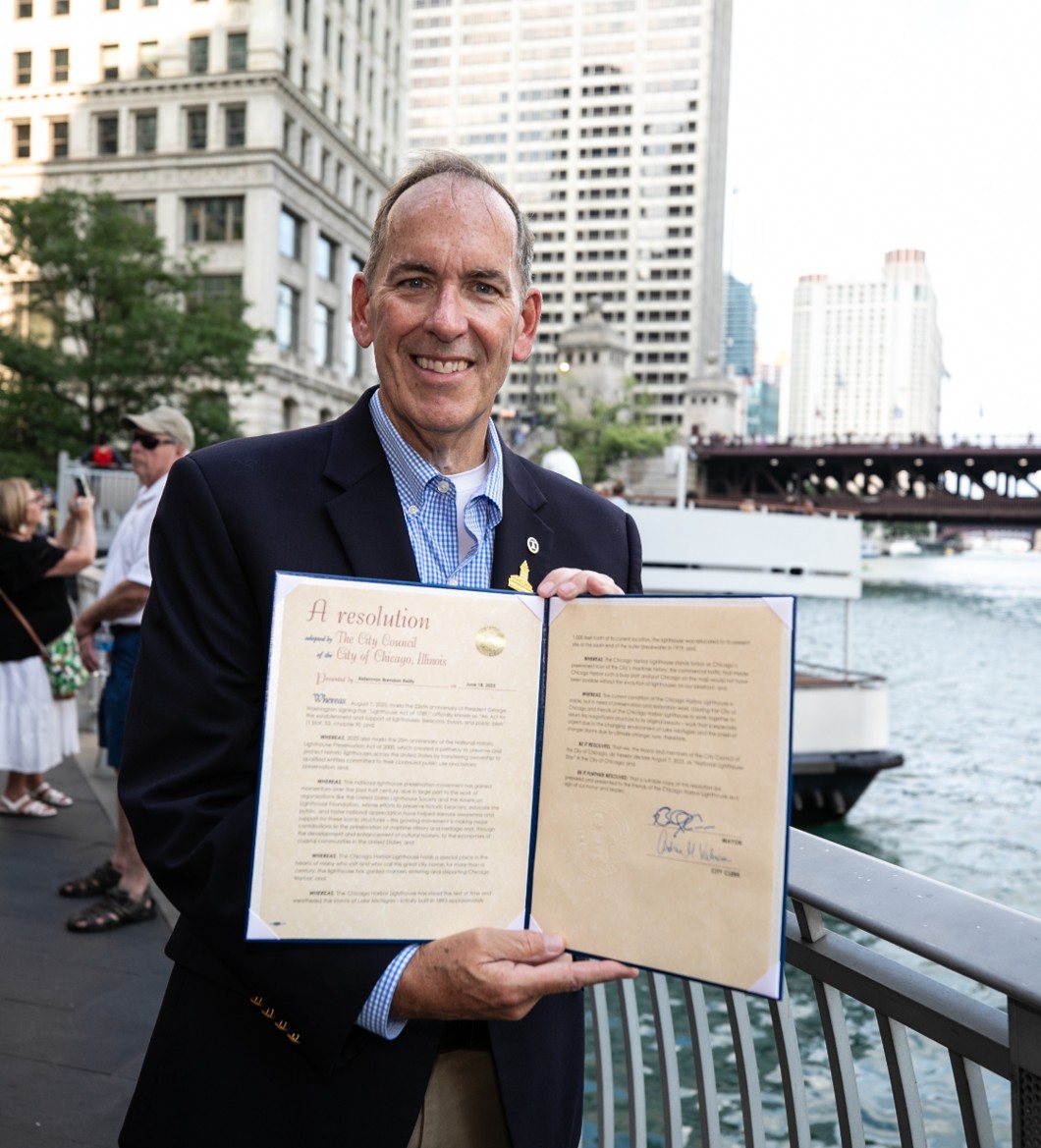
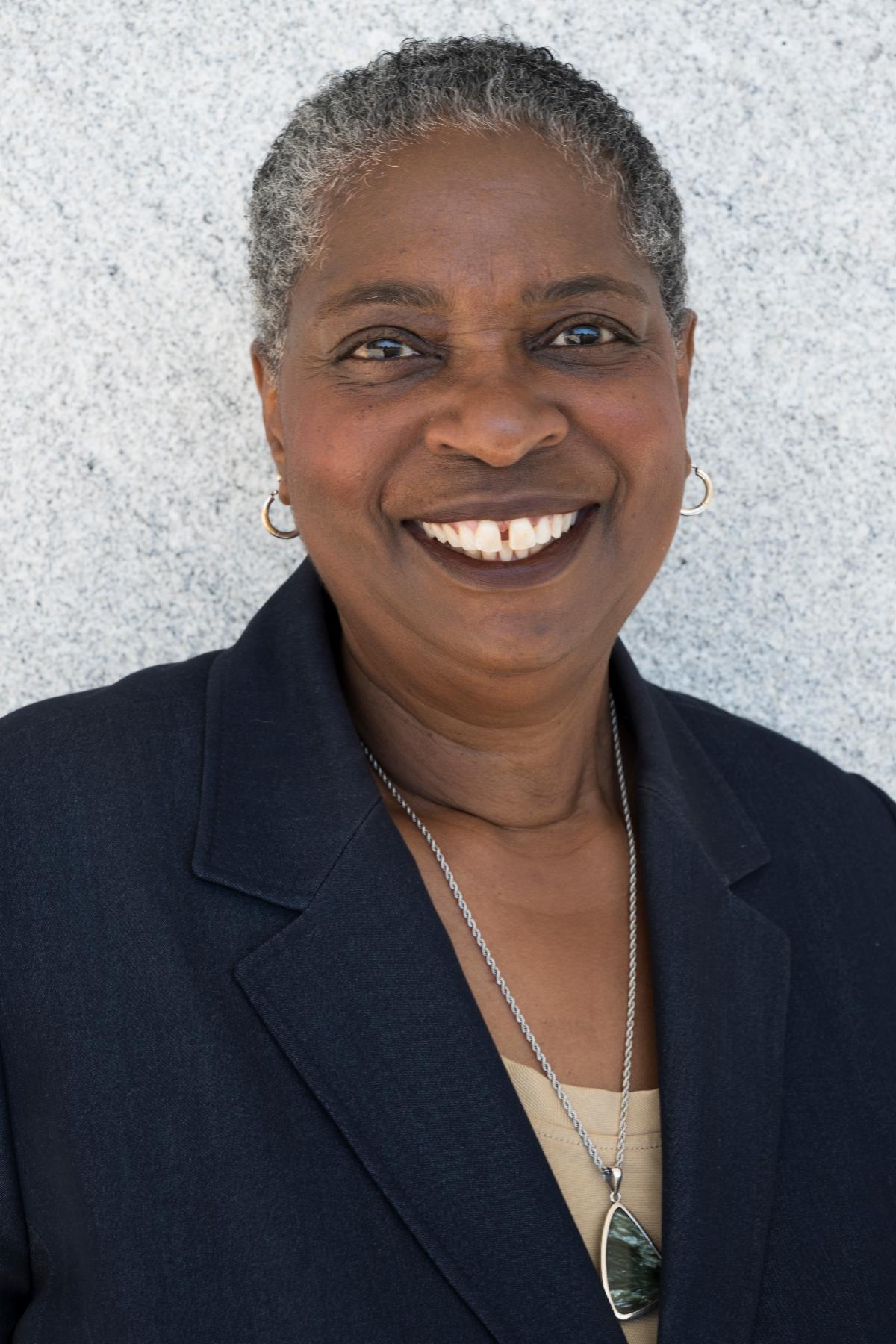
This month, I am especially pleased to welcome Dr. Jamilah R. Jor’dan to the Board of Directors of the Friends of the Chicago Harbor Lighthouse. Dr. Jor’dan is the first addition to our Board since we began expanding our leadership team, and she brings more than 35 years of experience in early childhood education, public policy, advocacy, and community engagement.
| | |
Dr. Jor’dan will lead our efforts to develop the Classroom on the Lakefront, FOCHL’s educational initiative designed to connect children and students from kindergarten through 12th grade with the lighthouse and its many stories. Through hands-on and place-based learning, we hope to introduce young people to Chicago’s maritime history, architecture, engineering, environmental science, preservation, and the importance of caring for the landmarks entrusted to us.
Please join us on August 7th - National Lighthouse Day - at Light the Way: A Night for the Chicago Harbor Lighthouse and help us welcome Jamilah to the FOCHL family. Mary Ann O’Rourke’s feature in this issue shares more about Jamilah’s remarkable background, her personal connection to lighthouses, and her vision for inspiring the next generation of lighthouse stewards.
This is also your last opportunity to purchase tickets and help us Light the Way.
I am deeply grateful to our sponsors—Navy Pier Marina, Jefferson Beach Yacht Sales, Berglund Construction, Open Water, and Wintrust—and to the many generous donors who have stepped forward to support this year’s event. Their belief in our mission is helping us move closer to safe access, restoration, public tours, and the lighthouse’s return to public life.
In this issue, Steve Clements explains why August 7th became National Lighthouse Day and connects the Chicago Harbor Lighthouse to a much larger American tradition of navigation and public service.
You will also read about our recent FOCHL team visit to the newly opened Obama Presidential Center, where we studied how a major Chicago museum tells its story, welcomes visitors, and becomes a meaningful educational and cultural asset. We went to learn because we hope the Chicago Harbor Lighthouse will be next.
These articles reflect the past, present, and future of our mission: honoring the history of America’s lighthouses, building the team that will guide our work, and preparing to share the Chicago Harbor Lighthouse with future generations.
This is an exciting moment for FOCHL. We are building something that will outlast all of us—and someday, I believe, we will look back and remember that we were here at the beginning.
Please join us on August 7th, purchase your ticket, meet Jamilah, and help us write the next chapter of Chicago’s lighthouse story.
Together, we will save the Lighthouse.
Be Safe and Be Well!
Regards,
Kurt Lentsch
Chief Dreamer and President
| | Be Part of the Lighthouse’s Next Chapter: A Final Call for Light the Way 2026 | | |
BREAKING NEWS: Your Support Will Go Even Further
We are thrilled to announce that a generous anonymous foundation has agreed to provide $1 for every $2 raised through our August 7th Light the Way 2026 fundraiser.
That means every ticket purchased, every sponsorship, every auction bid, and every donation will help unlock additional funding for the preservation and restoration of the Chicago Harbor Lighthouse.
A $200 contribution can become $300. A $1,000 contribution can become $1,500. Together, our impact can be even greater.
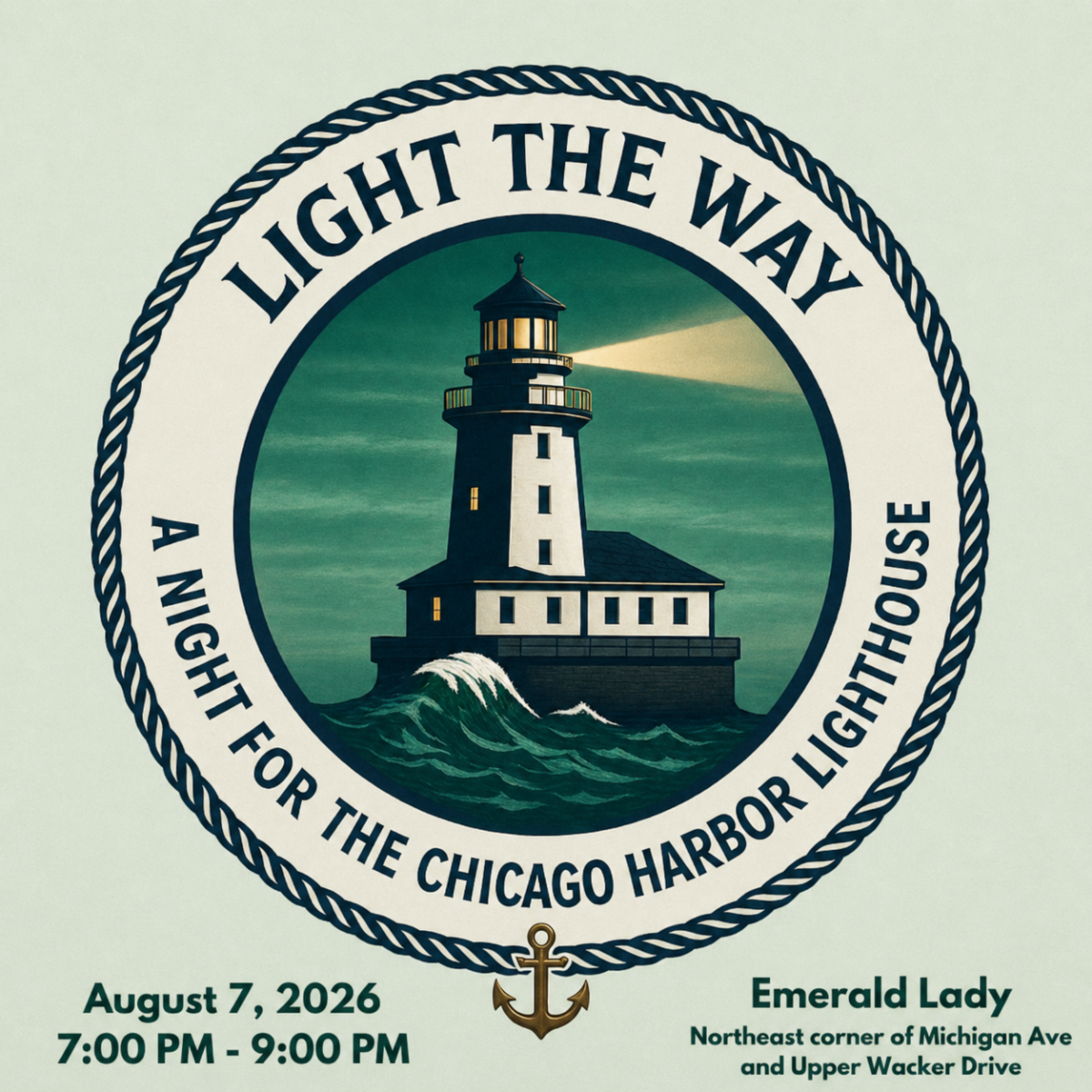
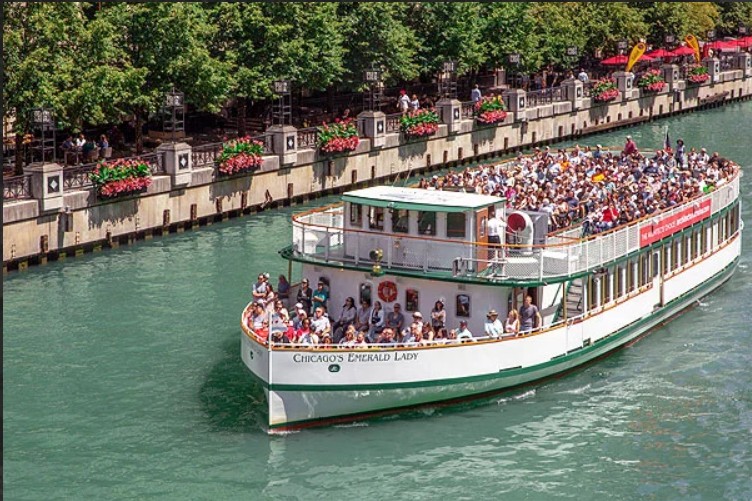
On Friday, August 7th—National Lighthouse Day—we will gather aboard Chicago’s First Lady for our second annual Light the Way: A Night for the Chicago Harbor Lighthouse.
This will be more than a beautiful evening on Lake Michigan. It will be a moment in the history of the Chicago Harbor Lighthouse—and an opportunity to say, years from now:
“I was there in the beginning. I helped make this possible.”
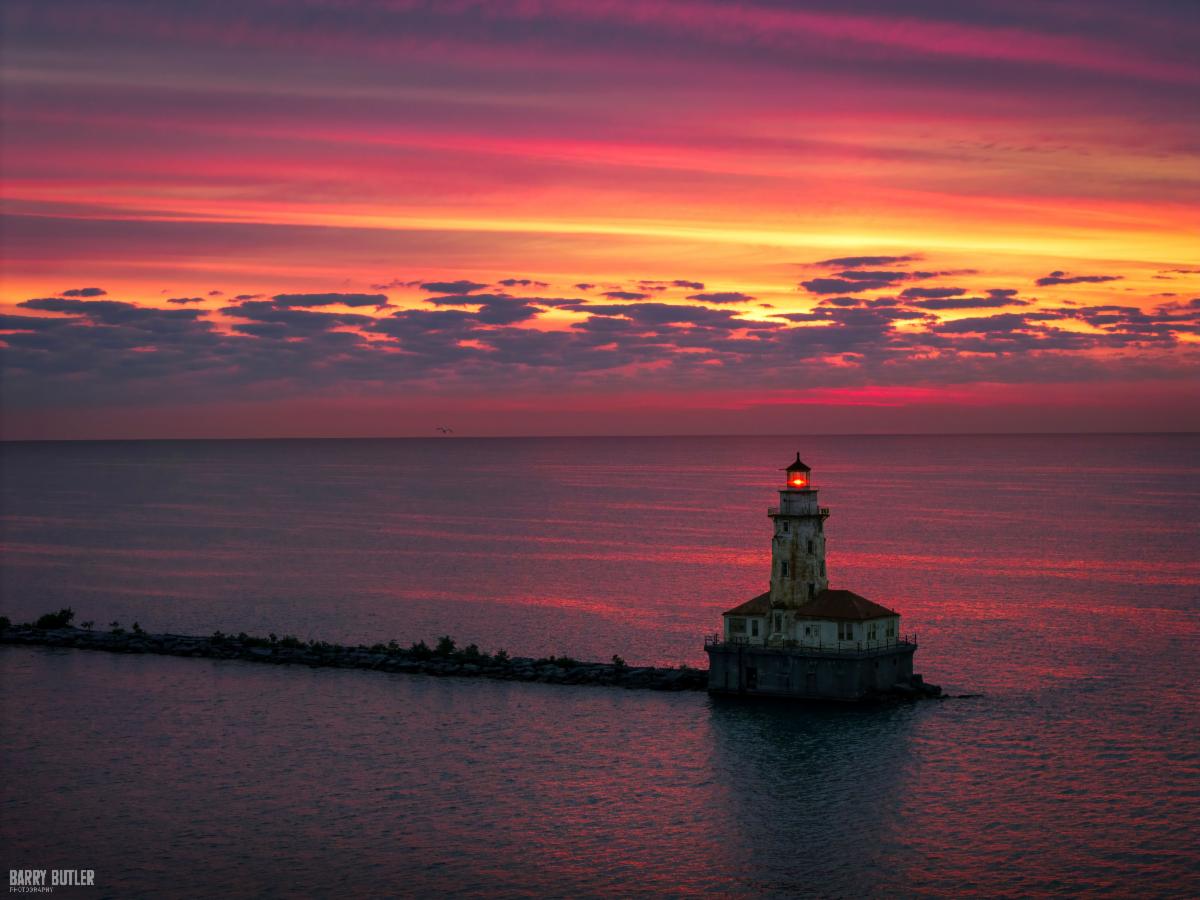
For more than a century, the lighthouse has stood just beyond our shoreline, welcoming generations of mariners and serving as one of Chicago’s most recognizable maritime landmarks. Today, we are closer than ever to beginning its next chapter: creating safe access, thoughtfully restoring the lighthouse, welcoming future public tours, and returning it to public life as a Classroom on the Lakefront.
But this next chapter will not write itself.
It will be written by people who believe this landmark is worth saving. It will be written by those who step forward now—before the dock is installed, before restoration begins, and before the first visitors are welcomed inside.
We are making our final call for supporters to join us on August 7th. Purchase your tickets today, help us fill the boat, and take advantage of this extraordinary opportunity to make your support go even further.
Purchase Light the Way 2026 Tickets HERE
| | |
Cannot join us in person but still want to make an impact and be part of the story? Your donation will also help us make the most of this generous matching opportunity.
Make a Donation at give.savethelighthouse.org
Thank You for Helping Us Light the Way
We are deeply grateful to the sponsors supporting Light the Way 2026, Berglund Construction, Jefferson Beach Yacht Sales, Navy Pier Marina, Open Water, and Wintrust.
We also extend our heartfelt appreciation to our amazing donors, Kitty Bonczyk, The Bob Albert Fund, Neil and Sharon Book, JoAnn Murphy, John Yonover, Nicholas “Niko” Douvris, Mike Lombardo and Blue Star Properties, Tom Falck, Franciscus ten Brink, and our anonymous supporters.
Their generosity—and yours—is helping us preserve, restore, and celebrate the Chicago Harbor Lighthouse for future generations.
This is Chicago’s lighthouse. This is our shared story. And together, we have the opportunity to help complete it.
Join us. Be part of the beginning. Help us Light the Way.
| | |
Dr. Jamilah R. Jor'dan: Building a Classroom on the Lakefront
By Mary Ann O'Rourke
| | |
As a young girl, Jamilah R. Jor’dan would travel to Benton Harbor from her Chicago South Side home with her father and uncle, both fun-loving outdoorsmen.
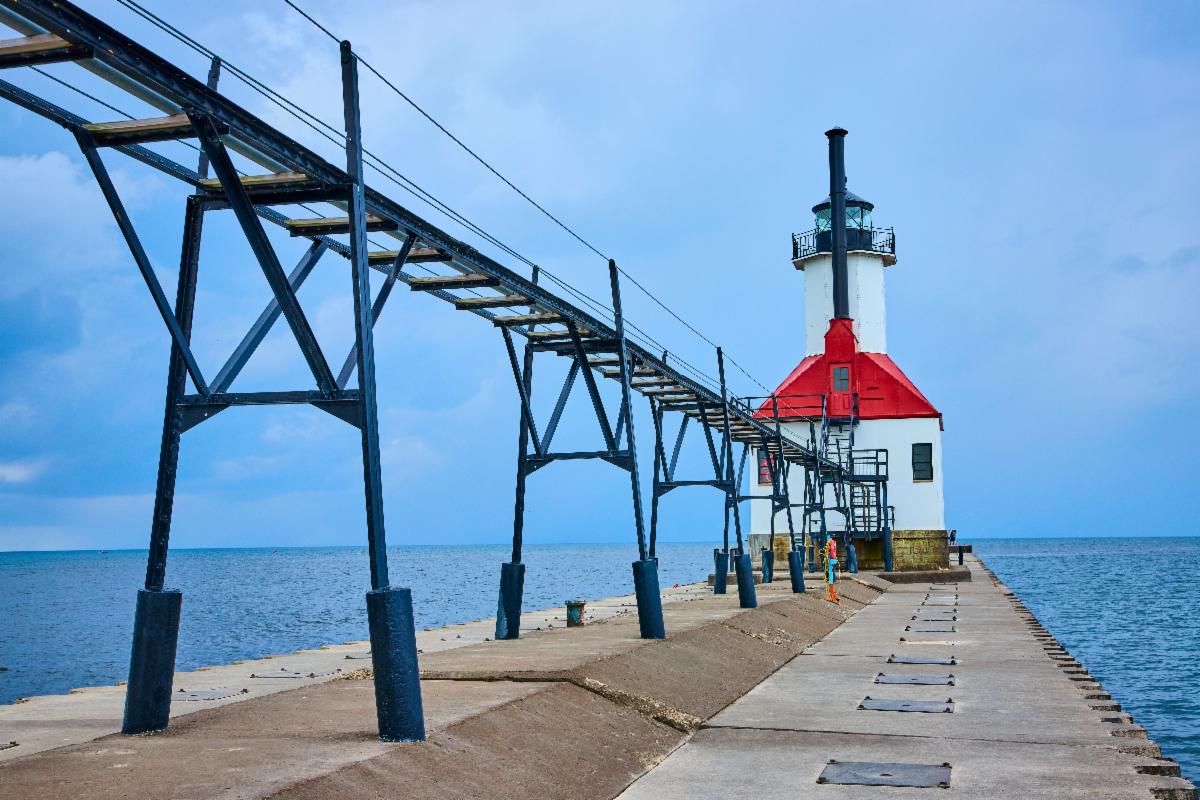
On warm summer evenings at the beach, she would walk the pier of the St. Joseph Lighthouse and marvel at its flashing beam.
Back home in Chicago, Jamilah spent time at Rainbow Beach with family and friends but never had the chance to see or learn about Chicago’s only lighthouse.
| | | |
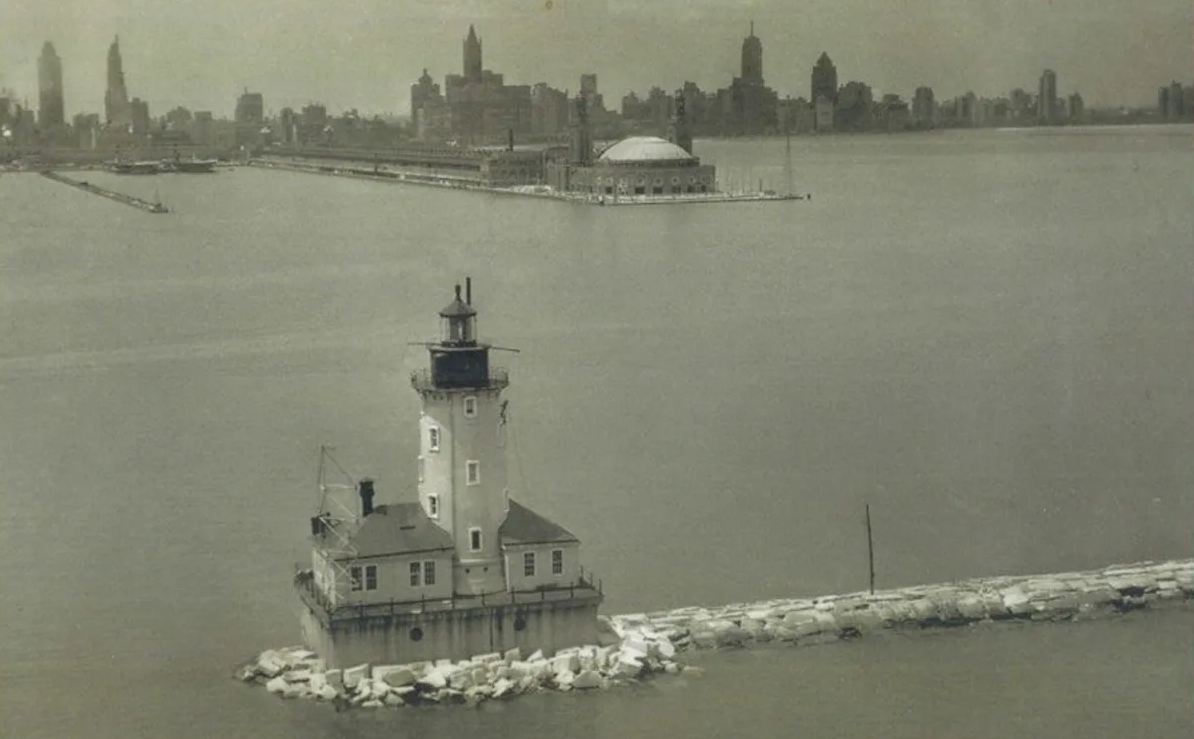
That’s largely because the Chicago Harbor Lighthouse (CHL), while offshore from the heart of the city, is inaccessible by land. While the St. Joseph lighthouse hosts thousands of visitors in the summer, CHL can be viewed only by boat or from a distance at Navy Pier.
As Friends of Chicago Harbor Lighthouse’s (FOCHL) newest board member, Jamilah plans to raise awareness and understanding
of Chicago’s most iconic maritime landmark through onsite education programs and partnerships with Chicago’s educational non-profits.
As an early education expert with more than 35 years of experience -- most recently as the executive director of the Illinois Governor’s Office of Early Childhood Development and as Policy and Advocacy Liaison for the Association of Illinois Montessori Schools -- Jamilah understands the importance of experiential learning.
“We know that children learn best through real-world activities including hands-on experiences,” she says. “I’m excited to work with FOCHL to find ways we can create place-based educational programming, transform spaces, and transport individuals to the lighthouse, where students, families, and the community-at-large can understand the many factors of lighthouses, including history, physics, engineering, environmental science, and architecture through a Classroom on the Lakefront.”
The Classroom on the Lakefront is FOCHL’s educational initiative designed to connect students and families with Chicago’s maritime history, architecture, engineering, ecology, and preservation. Using the lighthouse and lakefront as a living classroom, the program will integrate online resources, school partnerships, and future on-site learning experiences to inspire the next generation of lighthouse stewards and advocates.
With the creation of an educational curriculum at the Chicago Harbor Lighthouse, Jamilah also plans to raise awareness of the importance of landmark preservation. A preservationist herself, Jamilah is both a resident and a member of the Pullman Civic Organization. Living inside the boundaries of a National Park, she sees the daily impact of successful historic preservation.
“I’m in front of my home gardening as a busload of tourists are waving to me,” she says. “I’m so glad to be a part of continued efforts to preserve Pullman’s rich history for the world to see. My hope is that we can do that with the Lighthouse as well.”
As a member of Jackson Park Yacht Club, Jamilah enjoys being on Lake Michigan. In her role on the Race Committee for the Chicago to Mac Race, she met FOCHL founder Kurt Lentsch, who skippered her committee boat, and they discussed how her expertise in education could support the mission.
“I was delighted to meet Jamilah on the Race Committee last year,” says Kurt, “With her deep experience in childhood education and her passion for landmark preservation, I knew she was the leader we needed to help develop our Classroom on the Lakefront initiative. We are thrilled to have her on board to guide our educational mission and inspire the next generation of lighthouse stewards. Also, through her relationships within Chicago’s educational and nonprofit communities, Jamilah will help build meaningful partnerships with organizations such as the Shedd Aquarium, the Chicago Maritime Museum, the Chicago Architectural Center, the Chicago Children’s Museum, and, of course, Chicago Public Schools."
Welcome aboard, Jamilah!
| | |
Why August 7th Matters: The Story Behind National Lighthouse Day
By: Steve Clements
| | |
Every year on August 7th, lighthouse enthusiasts across the United States celebrate National Lighthouse Day. It is a day to honor America's historic lighthouses, remember the keepers who tended them, and recognize the organizations and volunteers working to preserve these remarkable landmarks.
But why August 7th?
Many assume the date marks the construction of the nation's first lighthouse. Others believe it commemorates the lighting of an important beacon. Instead, it marks something even more significant: one of the very first decisions made by the newly formed United States government.
A Brand-New Nation
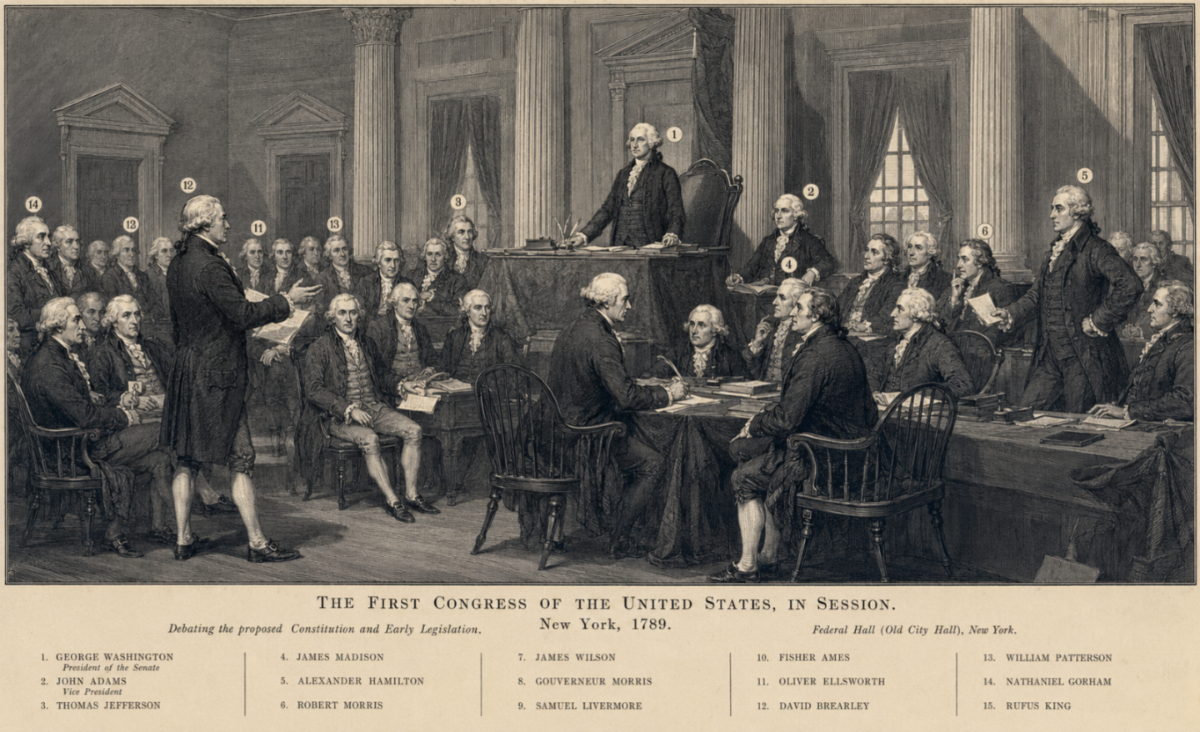
The summer of 1789 was an extraordinary moment in American history. The Constitution had taken effect only months earlier. George Washington had been inaugurated as the nation's first President on April 30th, and the First Congress was busy creating an entirely new federal government.
Almost everything still had to be built.
Congress was establishing executive departments, creating a federal court system, finding ways to raise revenue, and confronting the enormous debts left by the Revolutionary War. The nation had little money, few employees, and no long history of governing itself under the new Constitution.
With so many urgent challenges, what did Congress choose to do?
On August 7th, 1789, President George Washington signed the ninth law enacted by the new Republic and the first to establish a federal public works program: "An Act for the Establishment and Support of Lighthouses, Beacons, Buoys, and Public Piers."
The law transferred responsibility for the nation's twelve existing lighthouses and other aids to navigation from the individual states to the federal government.
Remarkably, historians have found almost no controversy surrounding the legislation. While Congress fiercely debated executive power, the federal courts, taxation, and the constitutional amendments that would become the Bill of Rights, lawmakers from every maritime state seemed to agree on one point: America's navigation system had to remain in operation.
That quiet consensus speaks volumes.
Before the Bill of Rights was ratified, before the first national census was completed, and before the permanent capital was established on the Potomac, the new nation had already decided that protecting those who traveled its waters was one of the federal government's first responsibilities.
| An artist's interpretation of the First Congress of the United States in Session during 1789, attribution unknown. | |
Why It Mattered
To modern readers, it may seem surprising that lighthouses received such early attention.
In 1789, however, America moved on water.
There were no railroads. Canals were still decades away, and most roads were little more than rough wagon tracks. Coastal shipping and navigable rivers formed the nation's transportation network, connecting farms, merchants, ports, and growing cities.
Nearly every major American city depended upon maritime commerce.
A ship lost to reefs or shoals represented more than a tragic accident. It meant lost cargo, interrupted trade, and another setback for a young nation struggling to build its economy.
The states had maintained their own lighthouses during the colonial era, but those lights served vessels from every state. Safe navigation could not stop at political boundaries. By assuming responsibility for lighthouses, beacons, buoys, and public piers, Congress affirmed that some public works existed for the benefit of the entire nation.
It was an early expression of an idea that still guides our country today: certain responsibilities are best carried out on behalf of everyone.
From Twelve Lights to a National System
The Lighthouse Act did not create America's lighthouse system from scratch. Instead, it ensured that the existing network of twelve colonial lighthouses would continue to serve mariners without interruption.
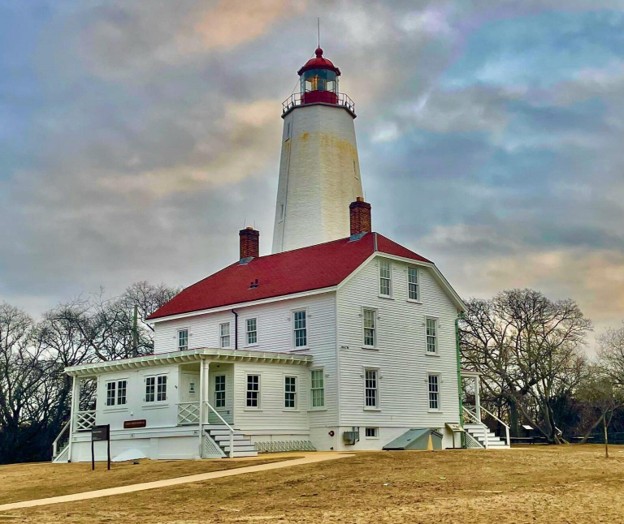
| | The Sandy Hook Lighthouse in New Jersey, built in 1764, is one of the twelve colonial lighthouses transferred to federal control in 1789, and the only one still standing and in service. It is the oldest operating lighthouse in the US. | | |
Over the next century, that modest beginning expanded into one of the world's most sophisticated systems of aids to navigation. New lighthouses rose along the Atlantic, Gulf, and Pacific coasts, throughout the Great Lakes, and on inland waterways. Engineering and optics advanced dramatically, while generations of lighthouse keepers faithfully maintained the lights that protected America's growing maritime commerce.
More than two centuries later, the underlying principle established in 1789 remains unchanged. Although responsibility has passed through several federal agencies and now rests with the United States Coast Guard, helping mariners navigate safely continues to be a national responsibility.
Chicago Joins the Story
When the Lighthouse Act became law in 1789, there was no city of Chicago.
Along the banks of the Chicago River, Jean Baptiste Point du Sable operated a thriving trading post amid the homeland of the Potawatomi people. Native American villages, seasonal encampments, and a handful of French-Canadian traders occupied a landscape of prairie, marsh, and waterways. Although the United States had claimed the Northwest Territory following the Revolutionary War, the region remained a distant frontier where federal authority was still limited.
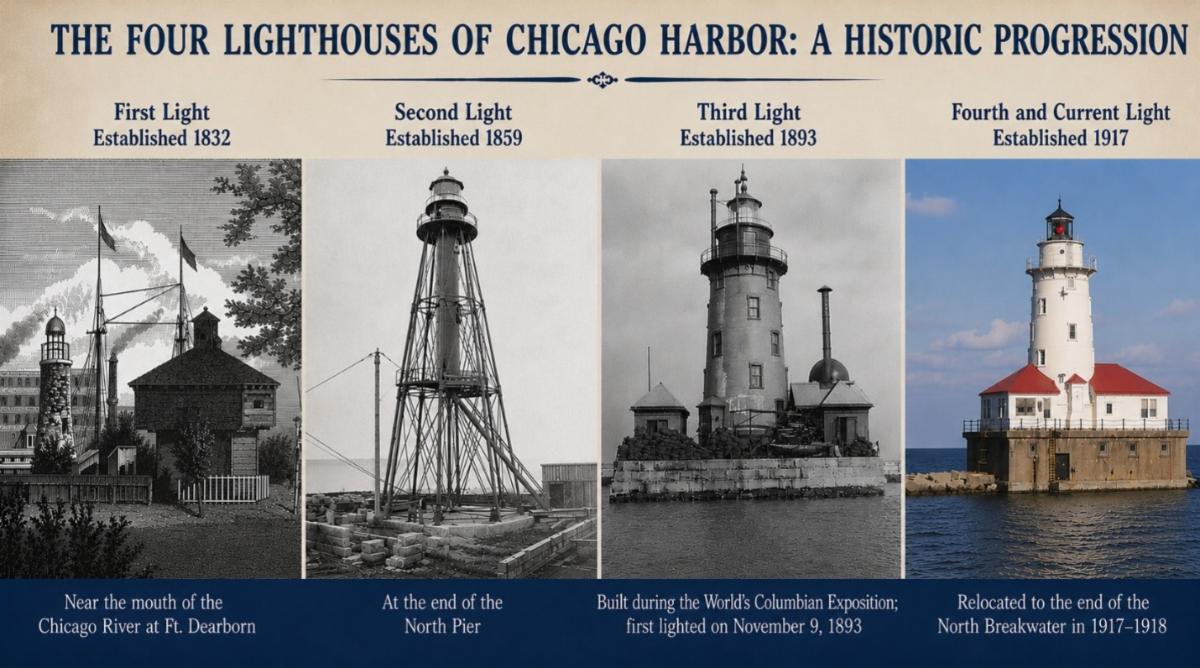
More than forty years would pass before Chicago's first lighthouse was built at the mouth of the Chicago River in 1832. As the city grew into one of the world's great inland ports, its progression of lighthouse evolved and naturally became part of the national navigation system envisioned by the First Congress.
| | |
The current Chicago Harbor Lighthouse, first illuminated in 1893 and relocated to its present site in 1918, stands today as one chapter in that much larger story. Though separated from Washington's signature by more than a century, it exists in part because of the national commitment established in 1789.
Why We Celebrate
In 1989, the bicentennial of the Lighthouse Act, Congress officially designated August 7th as National Lighthouse Day. The observance recognized not only the importance of the original legislation, but also the growing need to preserve America's historic lighthouses as automation brought the era of resident lighthouse keepers to a close.
For the Friends of the Chicago Harbor Lighthouse, that mission continues today.
Every important document we discover, every historic photograph we identify, every story we uncover, and every future visitor to the lighthouse we inspire helps protect a small but meaningful part of our nation's history.
National Lighthouse Day reminds us that the Lighthouse Act was more than one of the first laws passed by the United States Congress. It was one of the earliest answers to a fundamental question facing the new Republic: What should the federal government do for its people?
Congress answered, in part, by ensuring that America's aids to navigation would continue serving every mariner, regardless of state boundaries.
More than 235 years later, organizations like the Friends of the Chicago Harbor Lighthouse are proud to carry that tradition forward, preserving one of America's enduring symbols of public service so that future generations may understand not only the lighthouse itself, but the remarkable national vision that first kept its light shining.
Digging Deeper
Check out the links below to learn more
Read the text of the 1789 Lighthouse Act: https://en.wikisource.org/wiki/United_States_Statutes_at_Large/Volume_1/1st_Congress/1st_Session/Chapter_9
Read the text of the 1989 Act that created the first National Lighthouse Day: https://www.congress.gov/100/statute/STATUTE-102/STATUTE-102-Pg3201.pdf
| Yes, We Can: Learning from Chicago’s Newest Cultural Landmark | |
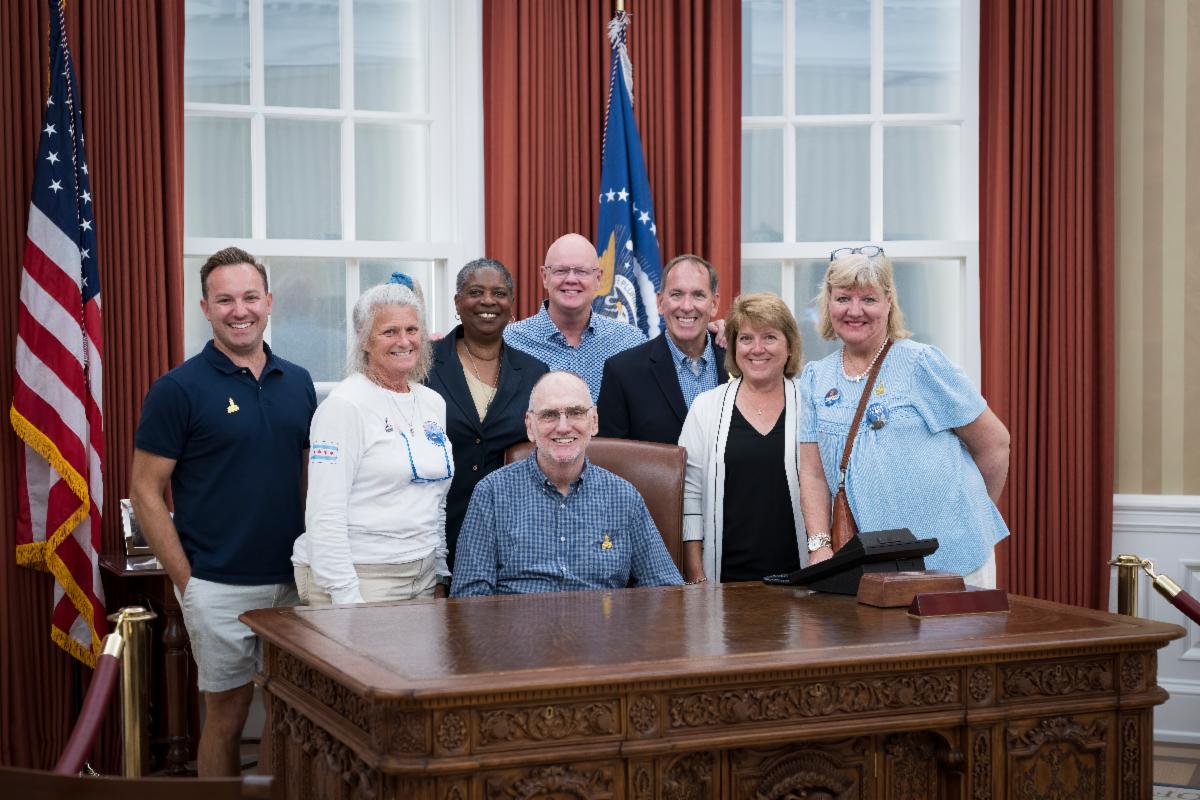
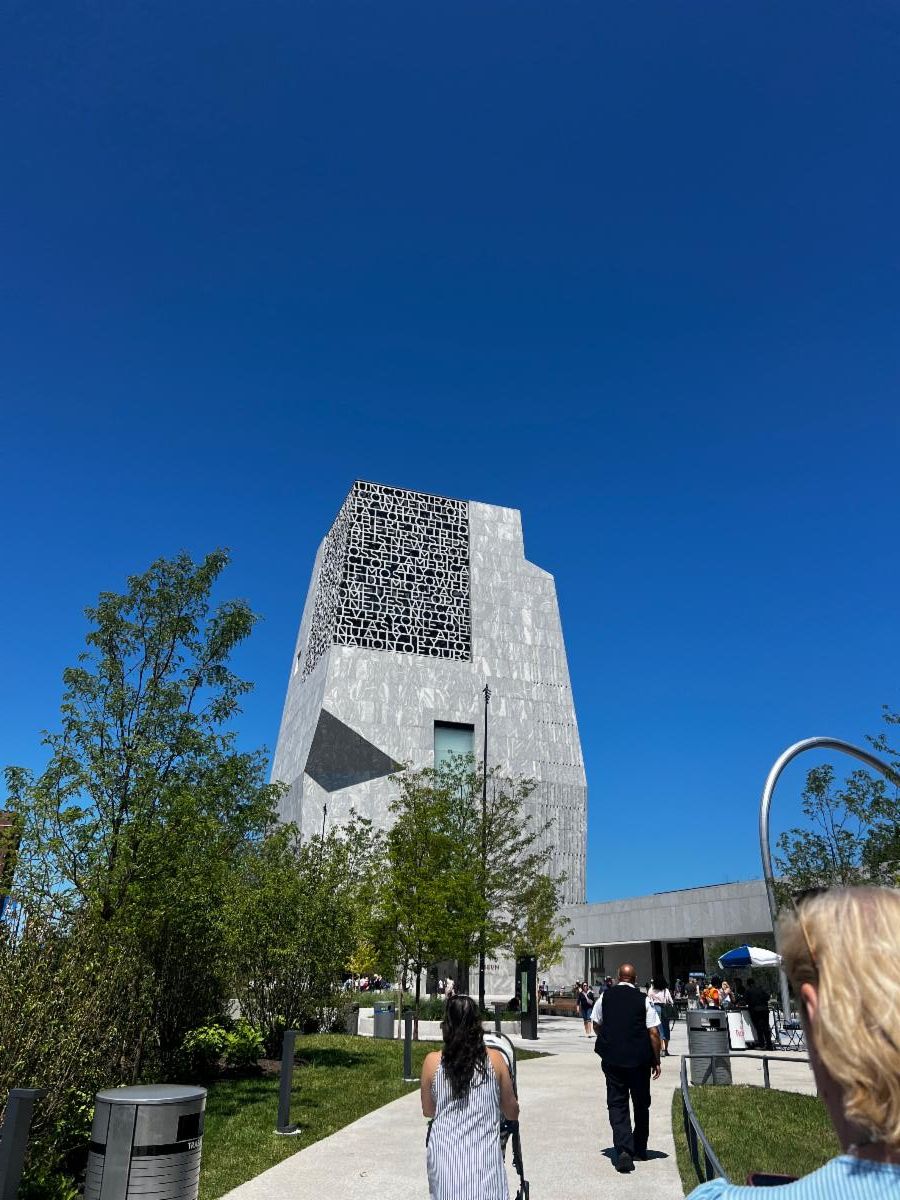
Eight members of the Friends of the Chicago Harbor Lighthouse recently spent an inspiring afternoon touring the newly opened Obama Presidential Center on Chicago’s South Side.
Our visit was not about politics. It was about learning, team building, and seeing how a bold vision can become a lasting cultural and educational asset for Chicago.
As FOCHL works toward the day when the Chicago Harbor Lighthouse can welcome visitors, we wanted to learn from one of Chicago’s newest museums. We explored the exhibits, studied how stories are presented, and considered the many details required to create a meaningful visitor experience.
In other words, we went to learn—because we hope we are next.
Our vision is to preserve and restore the Chicago Harbor Lighthouse and return it to public life as a museum and Classroom on the Lakefront. We imagine a place where visitors can discover Chicago’s maritime history, architecture, engineering, environmental science, and the importance of preservation.
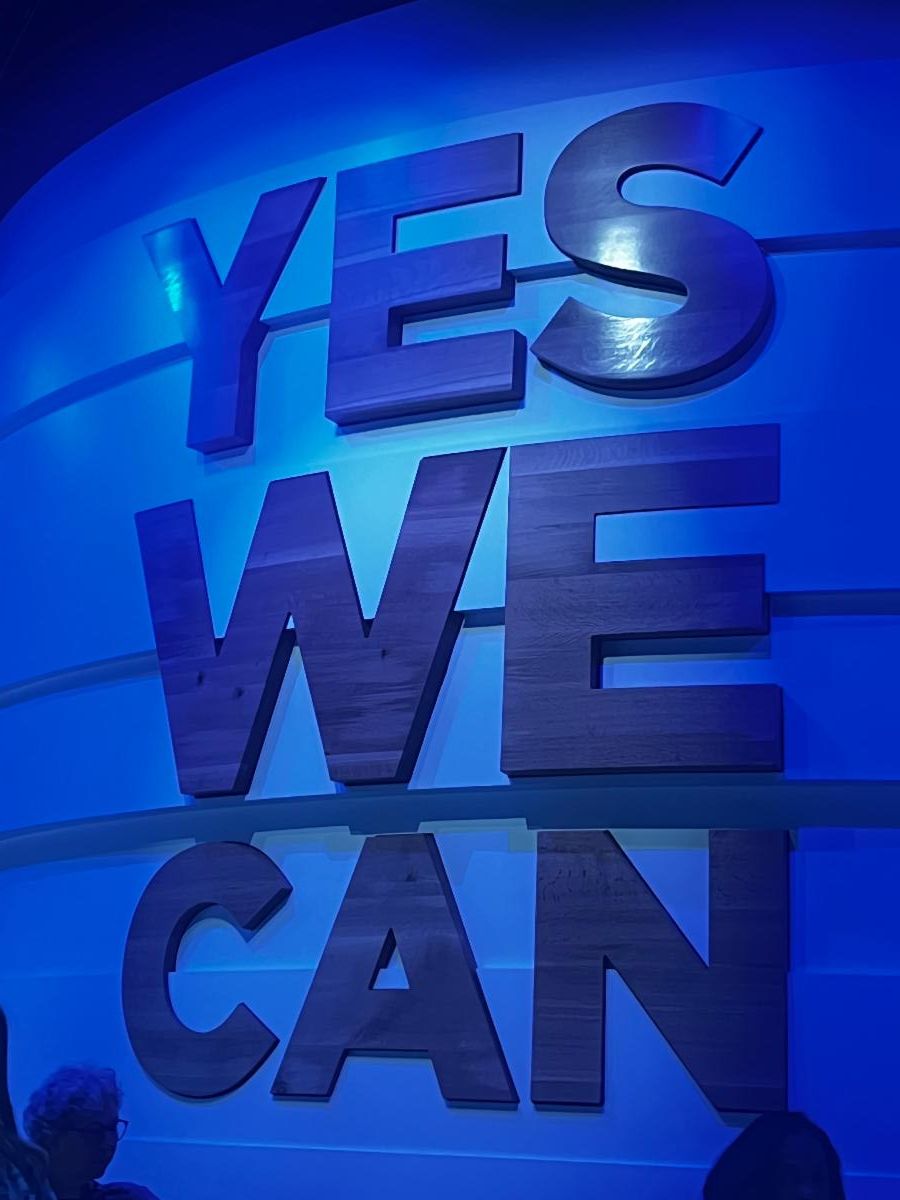
The Obama Presidential Center shows what can happen when people believe in a vision and remain committed to making it real. That same spirit applies to the lighthouse. Restoring an offshore landmark and opening it to the public will not be easy—but Yes We Can.
We can create safe access. We can preserve this irreplaceable landmark. We can tell its story to future generations. And we can transform the lighthouse into an educational and cultural destination for Chicago.
Attending were Mary Ann O’Rourke, Barry Butler, our newest board member Dr. Jamilah R. Jor’dan, Treasurer Nick Naber, Secretary Steve Clements, Vice President Marie Huscher, Dena Lentsch, and Chief Dreamer and President Kurt Lentsch.
| | L to R - Nick Naber. Marie Huscher, Jamilah Jor'Dan, Steve Clements, Barry Butler, Kurt Lentsch, Dena Lentsch and Mary Ann O'Rourke | | |
Regardless of political views, the Obama Presidential Center is an important civic, cultural, and educational investment in Chicago’s future. The lighthouse differs in size and purpose, but our aspiration is also to create something meaningful for the public—a distinctive destination that connects people with our lakefront, history, and one another.
When you have an opportunity to visit, take it. We left impressed, energized, and inspired by what is possible when people come together around a dream.
Can the Chicago Harbor Lighthouse become an accessible museum and Classroom on the Lakefront?
Yes We Can.
| | |
We’re proud to share that Friends of the Chicago Harbor Lighthouse has again earned the 2026 Candid Gold Seal of Transparency.
This recognition reflects our ongoing commitment to openness, accountability, and responsible stewardship. It is important to us that our donors, supporters, and community know we hold ourselves to the highest standards as we work to preserve, restore, and celebrate the Chicago Harbor Lighthouse.
To learn more about Candid and the Gold Seal of Transparency, visit Candid.org.
| | If you are part of an organization that has an interest in financially supporting our efforts to Preserve, Restore, and Celebrate the Chicago Harbor Lighthouse, please reach out to Nick Naber (nicknaber@savethelighthouse.org), our Board Treasurer and a member of our fundraising working group. | | Copyright © 2026 Friends of the Chicago Harbor Lighthouse - All Rights Reserved. | | | | |