Honoring a Legacy: Celebrating Terrie Cowley at Two Prestigious Science Meetings | | |
Terrie Cowley, who co-founded and was president of The TMJ Association, died July 22, 2024. Through her lifelong advocacy and effective leadership, she transformed temporomandibular (TMD) research and the set of conditions they represent. In recognition of her contributions, two prestigious organizations—the American Association for Dental, Oral, and Craniofacial Research (AADOCR) and the Orthopedic Research Society (ORS) —devoted special sessions of their 2025 annual meetings to recognizing Terrie’s impact and her ongoing inspiration to TMD research and advocacy.
AADOCR Annual Meeting: A Salute to Terrie Cowley
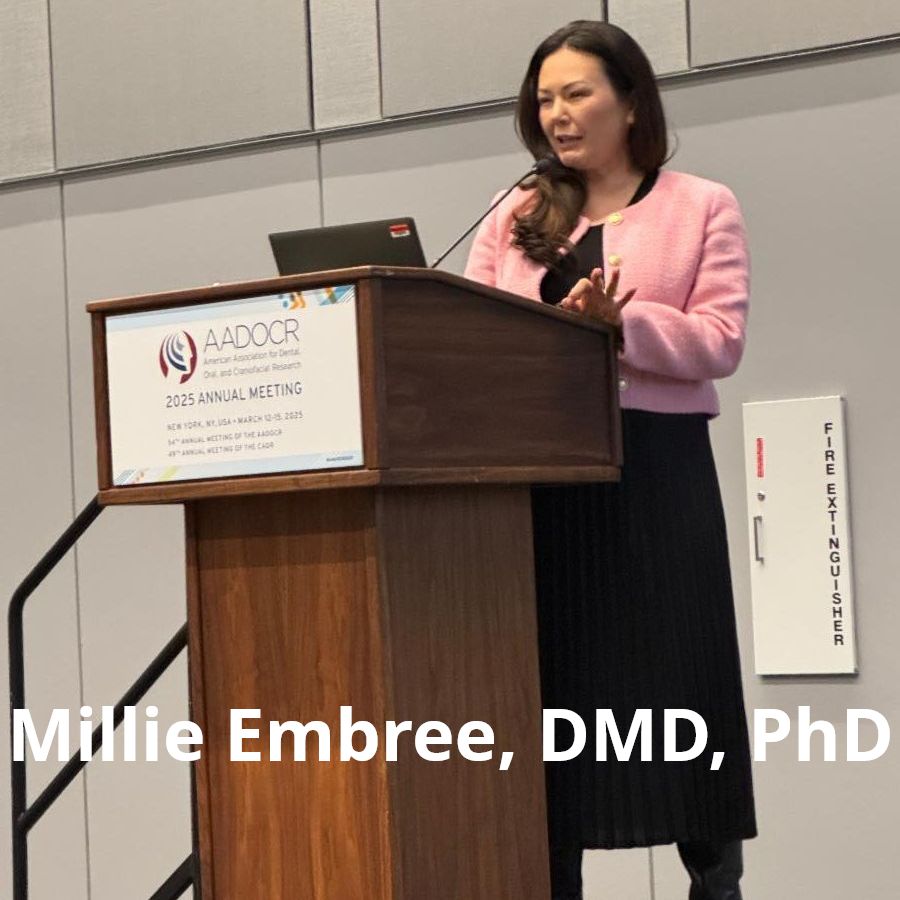
On March 12, 2025, the American Association for Dental, Oral and Craniofacial Research (AADOCR) Annual Meeting & Exhibition in New York City hosted A Salute to Terrie Cowley: An Indefatigable Leader for TMJ Research, a symposium organized by Drs. Hai Yao and Janice Lee, the session highlighted Terrie’s tireless efforts to advancing scientific discovery and patient advocacy for TMD.
The symposium featured presentations from leading experts, including:
-
Millie Embree, DMD, PhD (Columbia University) – Stem Cells in Jaw Growth and Disease
-
Don Nixdorf, DDS, MS (University of Minnesota) – Updates Related to MR Imaging of the TMJ
-
Laura Iwasaki, DDS, PhD MSc (Oregon Health & Sciences University) – Mechanobehavior Scores for Prediction of TMJ Growth and Degeneration
-
Eric Granquist, DMD, MD (University of Pennsylvania) – CT Imaging Morphology to Predict Outcomes Following TMJ Arthroplasty
A particularly poignant moment of the session came with remarks from Dr. Rena D’Souza, retired Director of the National Institute of Dental and Craniofacial Research, who emphasized how Terrie’s leadership helped shape national conversations on TMD research. She acknowledged Terrie’s unique ability to unite researchers, clinicians, and patients to drive meaningful change in the field.
Among those attending the symposium were Dr. Allen W. Cowley, Jr., President of The TMJ Association and Terrie’s husband; Deanne Clare, TMJ Association Administrator; and Alexandra Alger, TMJ Association Board Member. Their presence underscored Terrie’s deep impact on the TMJ community and the continued commitment to her mission.
| | |
ORS Annual Meeting: Bridging the Gaps in TMJ Research
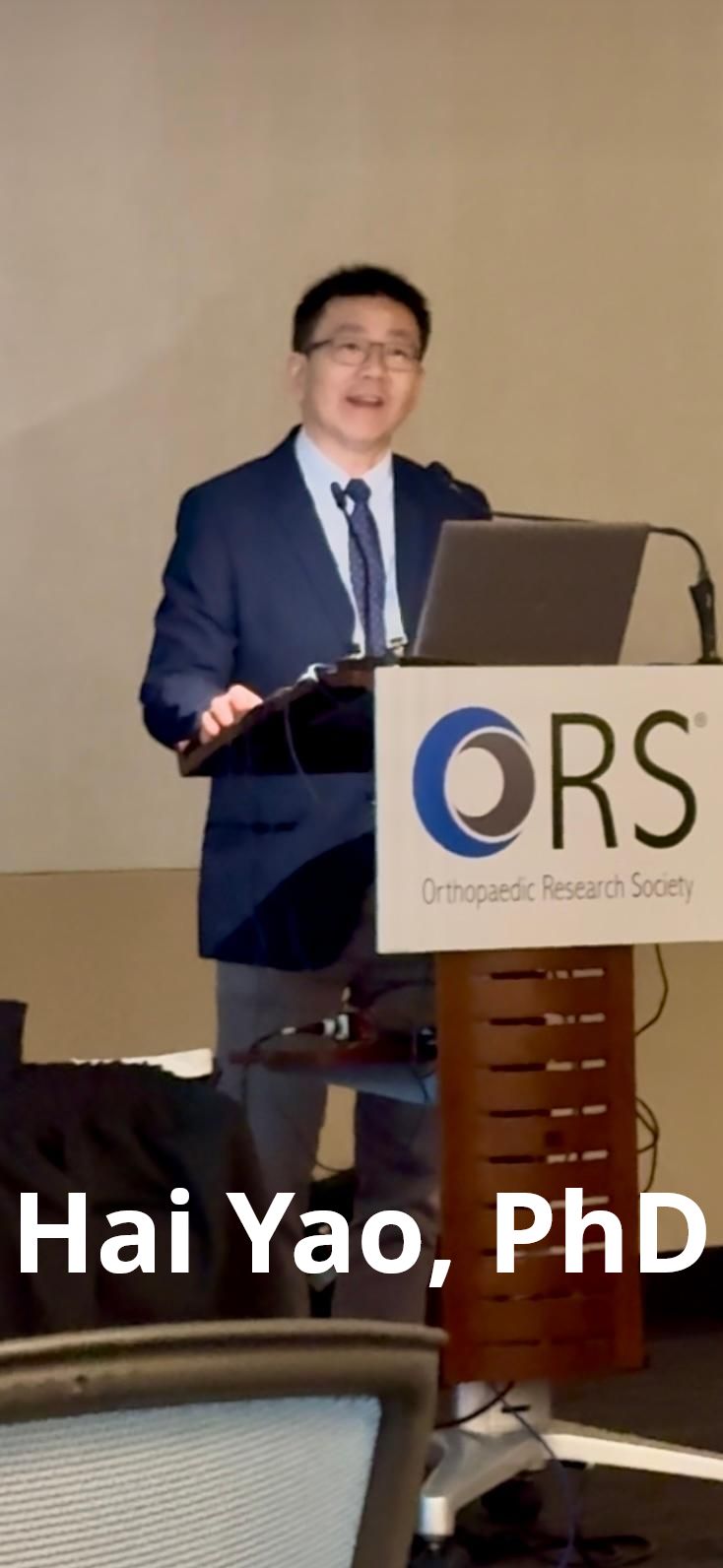
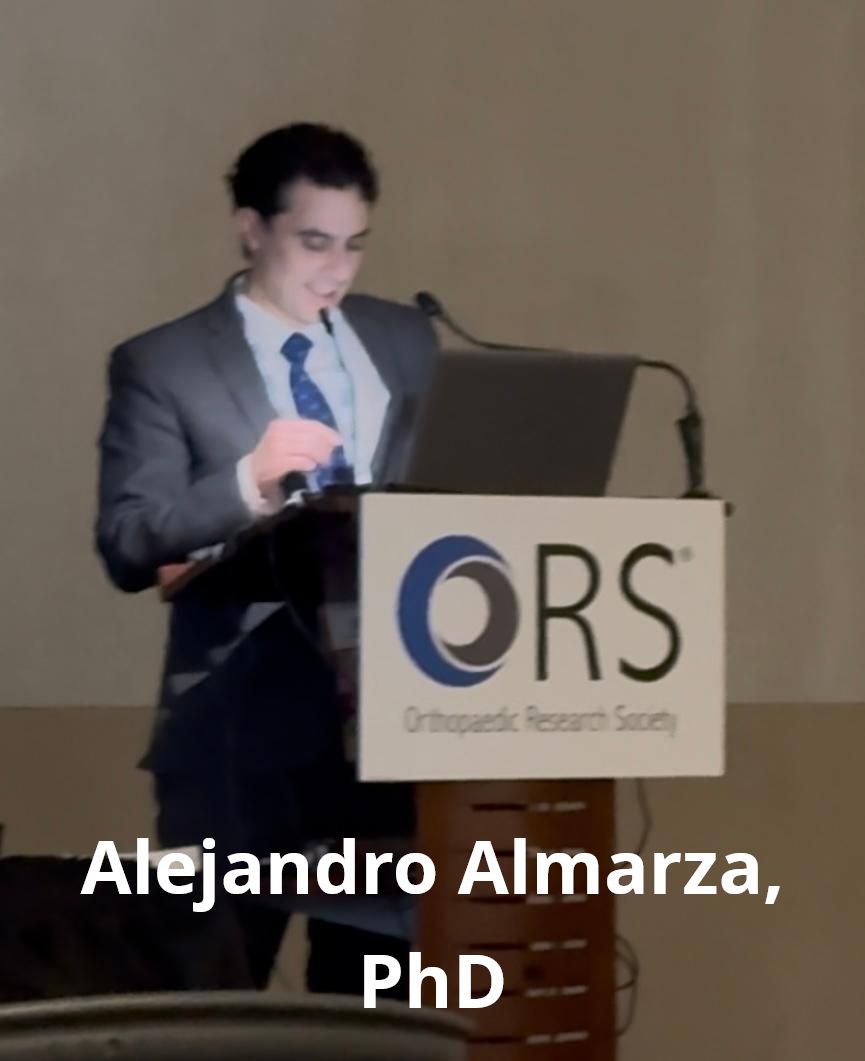
A month earlier, on February 8, 2025, the Orthopedic Research Society (ORS) Annual Meeting in Phoenix, AZ, also paid tribute to Terrie with a dedicated workshop titled Bridging the Gaps in Temporomandibular Joint (TMJ) Research. This session marked the first time ORS had focused on the TMJ, highlighting the importance of this complex and often-overlooked joint whose dysfunction and pain affects over 35 million people in the U.S.
The workshop showcased cutting-edge research from renowned scientists, including:
-
Lucas Lu, PhD (University of Delaware) – Biomechanics of TMJ Condylar Cartilage: Insights into the Fibro-Hyaline Bilayer Structure
-
Beth Winkelstein, PhD (University of Pennsylvania) – Insights from a Tunable Model of TMJ Pain: Translational Findings for Clinical Treatment
-
Hai Yao, PhD (Clemson University) – Integrating Biomechanics and Cell Biology through Multiscale Modeling to Understand TMJ Pathophysiology
-
Alejandro Almarza, PhD (University of Pittsburgh) – Tissue Regeneration Approaches for the TMJ
Dr. Allen W. Cowley, Jr. and Deanne Clare attended the workshop and witnessed firsthand the increasing momentum in TMJ research that Terrie helped spark. The session was both emotionally effective and scientifically significant, encouraging young investigators to further explore TMJ-related challenges. The inclusion of poster sessions featuring innovative TMJ research reflected the growing commitment within the orthopedic research community to better understand and treat TMJ disorders.
| | |
A Lasting Impact
Both the AADOCR and ORS sessions served as fitting tributes to Terrie Cowley’s enduring legacy. They reinforced the urgent need for continued research and collaboration in TMD science, ensuring that Terrie’s vision for advancing patient care remains a driving force in the field. The energy and dedication of the researchers, combined with the unwavering advocacy of The TMJ Association, promise to keep Terrie’s mission alive for generations to come.
| | |
Hi, my name is Lori. I am 46 years old and have suffered with TMJ since my early 20s. I can’t recall when it started exactly, but it was around the time I got my wisdom teeth out. In 2013, the pain became so severe that I couldn’t eat or work. I was referred to a specialist in Boston because the oral surgeon in my area told me I had the worst case of TMJ he had seen. I had a bilateral arthroscopy in 2014 and Botox treatments, which helped my TMJ issues for seven years before the severe pain returned.
Since 2020, I have undergone bilateral arthrocentesis and bilateral arthroplasty with grafts, both of which failed. My surgeon did not perform total joint replacements (TJRs), so he referred me to another specialist. In the years leading up to my surgery, I tried everything—Botox, steroid injections, Reiki, acupuncture, hypnotherapy, CBT therapy, physical therapy, muscle relaxers, and pain medication—but nothing provided lasting relief. After my arthroplasty failed in March 2022, I was left in debilitating pain while awaiting bilateral TJR surgery. It took eight months to receive FDA approval for a titanium replacement, and my surgery was finally scheduled for December 2024. In the meantime, I was unable to work due to the severe pain. I experienced vertigo, tinnitus, severe skull pain, excruciating jaw joint pain, severe headaches—I couldn’t eat, couldn’t sleep, and even talking hurt. Most days, I was in tears and struggling with depression. The pain had completely upended my life, including my career, as I had to pause working toward my licensure for a Licensed Mental Health Counselor. After two years of advocating for myself, I was able to secure a pain contract, though it provided only limited relief.
I was diagnosed with severe arthritis and degeneration in both joints, with loose bodies within the joints (possibly synovial osteochondromatosis, per my CT scan). My jaw was deviating, my face ached constantly, and the financial burden was mounting. Despite my insurance covering TMJ surgery, the visits and testing leading up to it were not covered, adding immense stress to an already difficult situation.
In December, I finally underwent bilateral TJR surgery—a nine-hour procedure. Recovery has had its ups and downs, but I feel like I am finally heading in the right direction. My jaw function has improved significantly, and while I am still managing some pain and nerve damage, I remain hopeful. One side of my lower lip is paralyzed, but it is slowly improving. The years of relentless pain before surgery were extremely traumatic, and now, post-surgery, I find myself dealing with PTSD as I adjust to life outside of survival mode. I hope to regain some sense of normalcy in my life as I continue to heal. After more than a year and a half of being out of work, I am finally returning next week.
I hope that sharing my story will bring change so that TMJ patients no longer have to suffer physically, emotionally, and financially without the support they need.
| | NIH-funded Research Team Tailors New Drug Targeting a Pain Sensation Pathway | | |
Study of Cannabanoid 1 Receptor has Potential for Pain Treatment
A research team funded by the National Institutes of Health (NIH) has developed a medication that shows promise in treating acute and chronic pain. The drug, known as VIP36, targets the body’s cannabinoid receptor type 1 (CB1). It was found to be effective in three different animal models for pain and does not appear to cause the harmful side effects that have frustrated other efforts to target CB1. These results enhance understanding of how to design safer and more effective drugs targeting cannabinoid receptors and are an important step towards developing novel, non-addictive treatments for pain.
CB1 receptors can be found throughout the body and are particularly dense in the brain’s pain circuitry. They have long been considered a potential target for non-opioid-based pain treatment; however, previous attempts to target this pathway have been met with two challenges. First, repeated exposure to a drug leads to tolerance that limits its efficacy. Second, the dose required to reduce pain in the periphery tends to be high enough for the drug to make its way into the central nervous system (the brain and spinal cord). In humans, this can cause unwanted changes in mood, cognition, or emotional state.
To overcome these issues, researchers leveraged computer modeling of the CB1 receptor to design molecules that better interact with CB1, much like a key fitting into a lock. The newly designed drug, VIP36, is more “peripherally restricted” compared to previous drugs, meaning that much less of it leaks into the central nervous system where it can cause unwanted side effects. VIP36 also interacts with CB1 differently than treatments tested previously and in a way that reduces tolerance.
CB1 is part of a wide-ranging class of receptors known as G-protein-coupled receptors, which are involved in countless functions throughout the body including smell, vision, mood regulation, immune system responses, autonomic nervous system responses such as blood pressure and heart rate, and growth and metastasis of some tumors. In addition to their implications in pain care, the findings of this study could also help spur the design of other drugs that target similar receptors involved in other conditions.
Source: Rangari VA et al. “A cryptic pocket in CB1 drives peripheral and functional selectivity” Nature. March 5, 2025. DOI: 10.1038/s41586-025-08618-7(link is external)
| | Millions Take Antidepressants for Chronic Pain - But There's Little Evidence the Most Commonly Prescribed Drugs Work | | |
Approximately one in five people worldwide live with chronic pain, making it a frequent reason for visiting a doctor. In the UK, chronic pain accounts for one in five general practitioner appointments.
Due to the increasing caution around prescribing opioids because of their addiction potential, many doctors are turning to other "off-label" medications to treat long-term pain, with antidepressants being a popular choice.
In the UK, doctors can prescribe the following antidepressants for "chronic primary pain" (pain without a known underlying cause): amitriptyline, citalopram, duloxetine, fluoxetine, paroxetine, and sertraline. Additionally, amitriptyline and duloxetine are recommended for nerve pain, such as sciatica.
However, a scientific review of studies on the effectiveness of antidepressants for treating chronic pain found evidence supporting only one of these drugs: duloxetine.
Read full article at: https://theconversation.com/millions-take-antidepressants-for-chronic-pain-but-theres-little-evidence-the-most-commonly-prescribed-drugs-work-229682
| |
Could Your Diet Be Worsening TMJ Pain?
New Study Links Omega-6 Fatty Acids to Increased Risk
| | |
A recent study published in Public Health Nutrition by Sanders AE, Cai J, Daviglus ML, Garcia-Bedoya O, and Slade GD examined the link between diet and painful temporomandibular disorder (TMD) among Hispanic/Latino adults. Researchers focused on long-chain polyunsaturated fatty acids (PUFAs), which can influence inflammation and pain. They analyzed dietary data from over 13,000 participants in the Hispanic Community Health Study/Study of Latinos.
The findings showed that a higher intake of a specific omega-6 fatty acid (arachidonic acid, found in foods like red meat and some vegetable oils) was linked to an increased likelihood of having painful TMD. However, taking omega-3 supplements (such as fish oil) was associated with lower odds of experiencing TMD pain.
This study suggests that diet, particularly the balance of omega-6 and omega-3 fatty acids, may play a role in managing TMD-related pain. More research is needed to explore how dietary changes or supplements could help reduce pain for those affected by TMD.
Source: Sanders AE, Cai J, Daviglus ML, Garcia-Bedoya O, and Slade GD (2025). Long-chain PUFA and painful temporomandibular disorder in the Hispanic Community Health Study/Study of Latinos. Public Health Nutrition 28: e41, 1–10. doi: 10.1017/S1368980025000102
| | Practitioners Rethinking "Noncompliance" in Patient Care | | |
The term "noncompliant" is often used in healthcare to describe patients who don't follow medical advice, but this label may oversimplify their decisions and fail to acknowledge valid reasons behind their choices. Dr. Stacey Regis shares a personal experience of realizing that a patient, initially labeled as noncompliant, had made a thoughtful decision based on family needs. This incident reminded her that healthcare providers must pause and understand the reasoning behind a patient's actions before labeling them. By doing so, we can improve patient care and avoid unfair assumptions. Dr. Regis urges her colleagues to adopt a more empathetic approach in these situations.
Source: Stacey C. Regis, MD. "Patient Noncompliance: Time to Discard This Label." The Annals Fresh Look Blog, 18 June 2024.
| | Research Studies Recruiting TMJ Patients | | |
University of Connecticut School of Dental Medicine Study Conducting a Research Study on TMJ Pain
This federally funded research project provides non-surgical treatments to persons with pain in the area of the TMJ. The purpose is to test a new treatment approach. All volunteers will get an X-ray of the face, and
will receive a splint (a mouth guard), plus non-steroidal anti-inflammatory drugs (like Advil), and weekly monitoring, as well as additional instruction in coping and managing the pain of temporomandibular dysfunction (TMD).
Those eligible for participation must meet the following conditions:
• TMD-related pain for at least 3 months.
• Must live in proximity to UConn Health, Farmington, CT, to allow for treatment, monitoring of progress, and follow-ups.
To view the patient consent form, click here. Call 860-679-2745 for more information or visit https://health.uconn.edu/dental/patient-services/oral-and-maxillofacial-surgery/tmj-treatment/
| | |
Impact of Daily Physical Activity and Chronic Musculoskeletal Pain Survey
A research team from the Faculty of Rehabilitation Sciences of Hasselt University in Belgium is investigating the relationship between the intensity of daily physical activity and chronic musculoskeletal pain. They will be looking at fibromyalgia, chronic temporomandibular disorder, osteoarthritis, chronic neck pain, chronic shoulder pain, and chronic low back pain. The study involves an online survey which will take approximately 50 minutes to complete. More details and a link to the study is available at: https://uhasselt.qualtrics.com/jfe/form/SV_etl78e58y2YeUDQ
| | |
Central and Peripheral Factors in Temporomandibular Disorder
Researchers at Emory University in Atlanta are in need of TMJ patients to participate in their study. They are investigating people who experience chronic pain in the head and/or face in everyday life. They are using unique tests to find out how the brain processes chronic and acute pain messages and will observe patients to see how pain and sensory processing differs in TMD. Click here to view the informed consent form for this study. Contact Daniel Harper, PhD (Principal Investigator) at 404-727-7789 or daniel.harper@emory.edu with any questions and to participate.
| |
The TMJ Association is the ONLY patient advocacy organization fighting for the best science that will lead to a greater understanding of Temporomandibular and related disorders and treatments that will help and not harm patients.
We cannot change the face of TMJ without YOU. Make a tax-deductible contribution today! Your contribution is more than a donation. It is how we will ensure that TMJ patients have a voice — through education, patient support and advocacy.
We cannot do this important work without you! Thank you for your generosity.
| | |
About The TMJ Association ... Changing the Face of TMJ
The TMJ Association, Ltd., is a nonprofit, patient advocacy organization whose mission is to improve the quality of health care and lives of everyone affected by Temporomandibular Disorders (TMJ). For over 35 years, we have shared reliable information on TMJ with people like you. We invite you to visit our website, www.tmj.org.
| | |
The TMJ Association, Ltd., P.O. Box 26770, Milwaukee, WI 53226
info@tmj.org | www.tmj.org
The TMJ Association, Ltd., is a nonprofit 501(c)(3) tax-exempt organization.
Copyright © 2025. All Rights Reserved.
| | | | |