June 3, 2026

ALI Perspective

America’s global leadership must be grounded in a stable and growing middle class. To sustain U.S. influence and advance our interests and shared democratic values abroad, we need domestic policies that reinforce America’s economic and technological primacy. 


In its eighth year, American Leadership Initiative (ALI) has hosted high level convenings that have brough together Members of Congress, former senior Administration officials and leading experts to develop actionable ideas for renewing American leadership.


We are now witnessing an erosion of the post-war international system- marked by high tariffs, fragmented supply chains, fraying alliances, and deep cuts to research and innovation. These developments are undermining America’s economic prosperity and its national security, and hurting working Americans.  


This moment of disruption presents a strategic opportunity to rebuild U.S. global engagement on stronger foundations.  Most Americans want the U.S. to be engaged in the world, support the need for trade, and understand the urgency of America not ceding global leadership to China. However, a renewed approach to global leadership must be linked to domestic priorities: making life more affordable for working families, expanding opportunities for workforce training, and providing real support for those displaced by economic change.  


In the emerging AI era, this linkage is more vital than ever. While AI offers great promise for American prosperity and security, it will also bring economic disruption. That’s why maintaining U.S. technological leadership- paired with a proactive democratic governance and regulatory agenda-- must be a priority. To succeed, we need smart domestic policies that help America workers navigate this transition and ensure that the ensure that the benefits of AI are broadly shared across our society.  

Coming Up

ALI Lunch: American Resilience in a Fragmented World

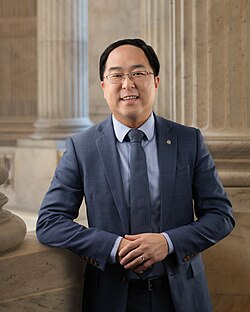
Sen. Andy Kim (NJ)

ALI is excited to once again host Sen. Andy Kim (NJ) for a deep dive conversation on how the U.S. can create resilient supply chains, compete with China, repair alliances, and reassert technology leadership in a new, fragmented world.

ICYMI

Developing a New Consensus on U.S. Leadership in Trade & Tech

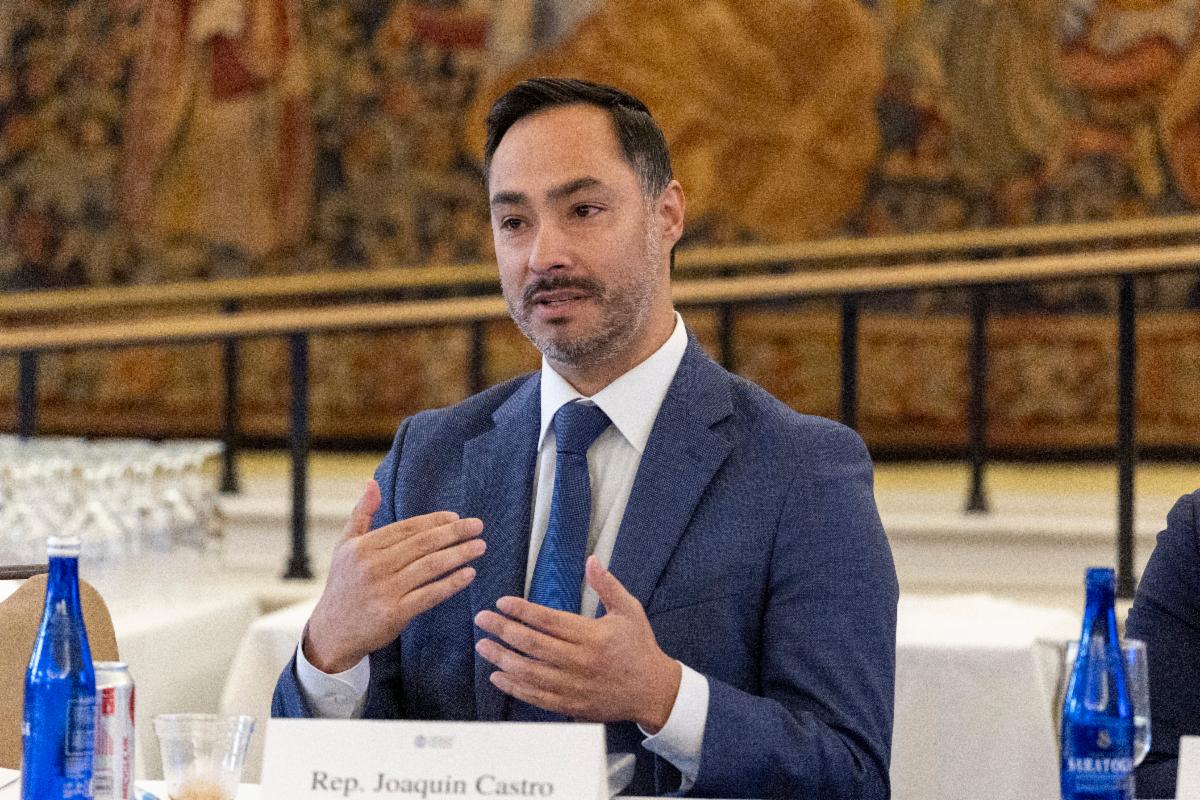
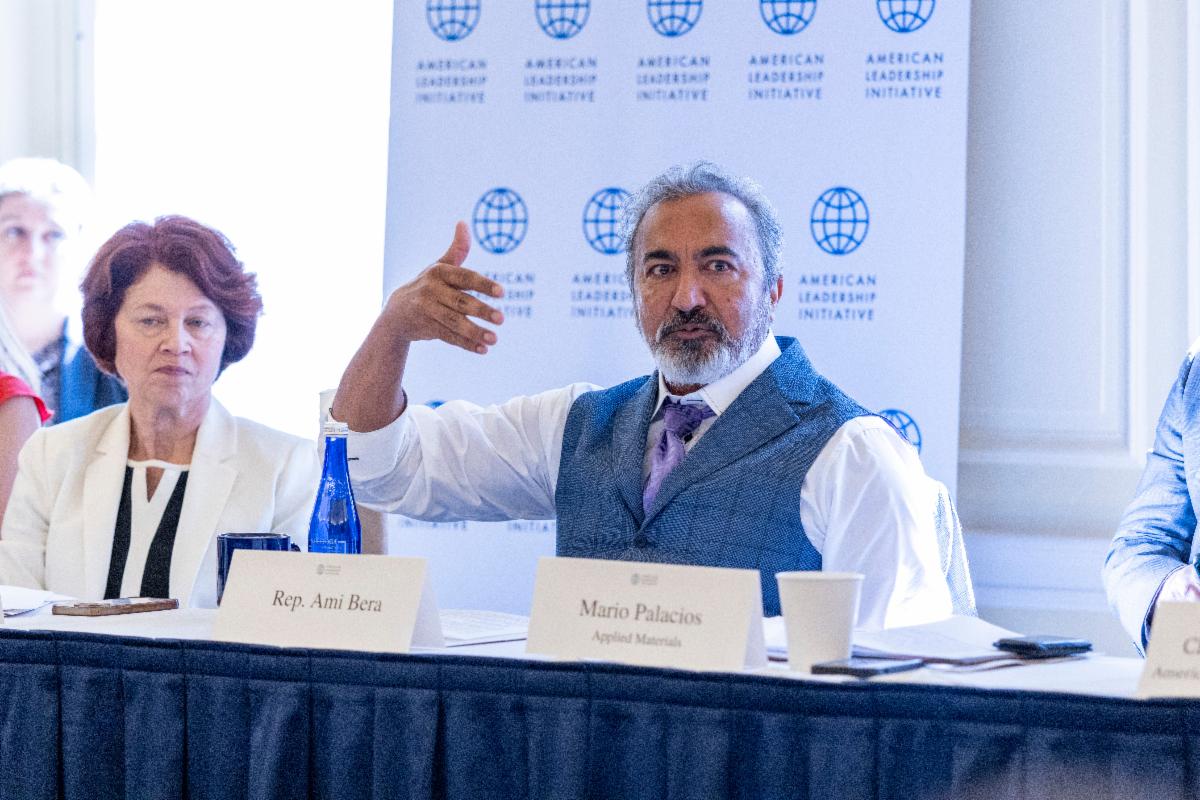
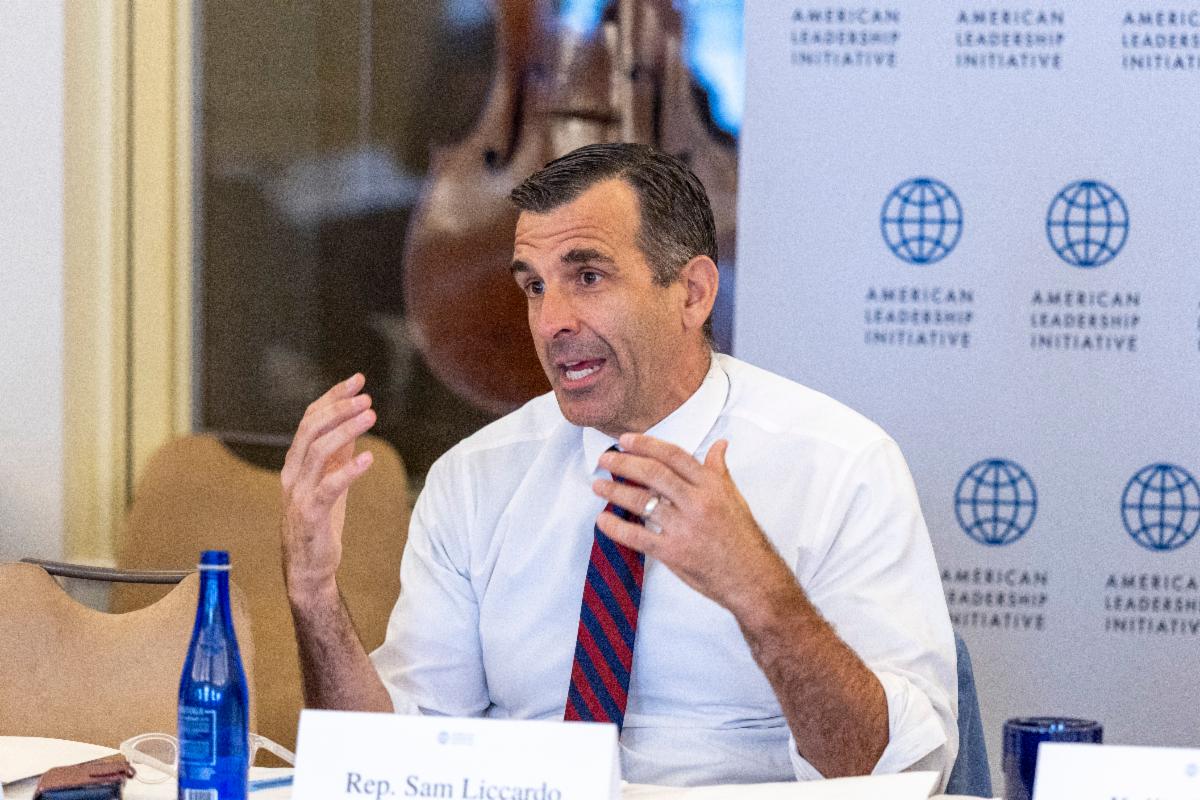
ALI convened a high-level group of policymakers and experts for its fourth Summit, officially launching its Revitalize America project. The initiative aims to shape compelling policy messages and strategies ahead of the 2026 midterms and 2028 presidential election.


Participants included Reps. Joaquin Castro (TX-20), Ami Bera (CA-6), and Sam Liccardo (CA-16); Amb. Demetrios Marantis, Marantis Global & former Acting U.S. Trade Representative; Dr. Melanie Hart, Atlantic Council & former State Department China Advisor; Vivek Chilukuri, Center for a New American Security & former Senate Advisor; Wendy Cutler, Asia Society Policy Institute & former Acting Deputy USTR; and Jeremy Bash, CEO, Beacon Global Strategies and CNN commentator.


The summit focused on “Developing a New Consensus on U.S. Leadership in Trade and Technology.”


Key Takeaways – Technology

  • Striking the right balance by regulating AI to foster public trust while preserving the innovation and flexibility needed to maintain global competitiveness.
  • Encouraging private-sector leadership in upskilling and reskilling the American workforce to adapt to the demands of the AI-driven economy.
  • Promoting international cooperation — including measured engagement with China — to mitigate catastrophic risks posed by advanced AI systems.


Key Takeaways – Trade

  • Congress should pursue targeted tariff reductions to ease cost pressures on American families and businesses, while reforming tariff authorities to guard against future abuse.
  • Strengthening supply chain resilience through new agreements with allies and partners, paired with a clear-eyed strategy for managing economic risks from China.
  • Addressing digital trade barriers to ensure U.S. leadership in the next generation of global commerce.


What We're Reading

Third Way: On Foreign Policy, Americans See Chaos and Want Engagement that Serves US Interests

"When it comes to foreign policy, Americans are not calling for a retreat of US leadership, but they are demanding a reset. Americans are increasingly unwilling to support global engagement that feels untethered from priorities at home. What they want is a foreign policy that is more explicitly self-interested–protects American jobs, secures key supply chains, and strengthens national security. "

CSIS: How Trade Reduces the Risk of War

"That trade and security are linked is among the oldest claims in political economy. A new paper marks a major step forward in measuring the peace dividend credibly, and the magnitudes are striking. A doubling of bilateral trade between two countries reduces their probability of militarized conflict by roughly 30 percent. It also softens the perception of enmity that primes conflict in the first place."

Carnegie: The Strategic Stakes of AGOA Reform and Renewal

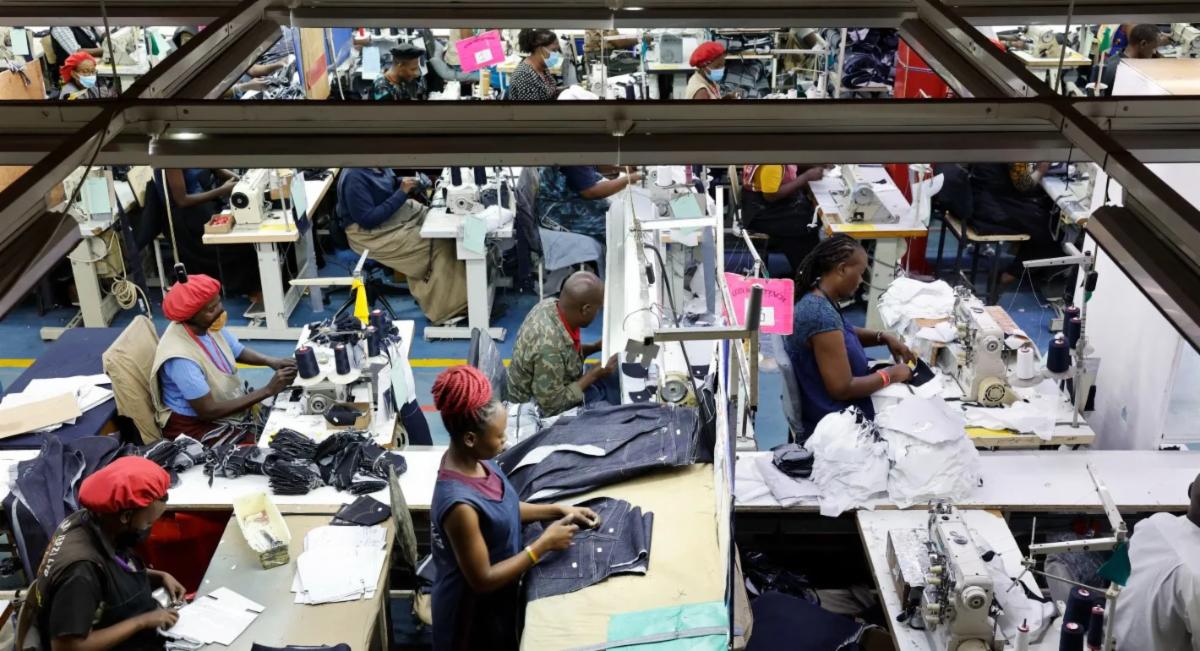
"The Administration may be fundamentally misreading Africa’s current geopolitical moment—and America’s own place within it. In today’s “polyamorous” trading order, African policymakers and business leaders are not facing a binary choice as they operationalize the African Continental Free Trade Area (AfCFTA).3 They are managing portfolios of overlapping commercial relationships with the United States, China, the European Union (EU), and an expanding cast of middle powers (all of which are aggressively vying for influence). The United States is already playing catch-up."

 
Providing a new vision for American global leadership
Follow us!
Linkedin  Twitter