April Telehealth Newsletter | | |
Wyoming Telehealth Newsletters aim to inform and educate people about news happening in the world of healthcare and telehealth!
This Newsletter includes:
- Provider Spotlight
- Three Wyoming Hospitals Are In The Top 20 Rural Hospitals
- Oklahoma Telestroke Program
- When Patients Bring AI Into the Exam Room
- Health Care Identity Verification Tech Surges Amid Data Vulnerability Fears
- What to Know About Medicare Coverage of Telehealth
- Wearable Health Devices Expand Clinical Role
- Early Signals from State Rural Health Transformation Plans
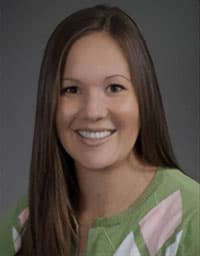
| | Jody Haines has dedicated her career to rural healthcare. As a fifth-generation Montanan, her frontier roots serve as the “why” in her quest to make geography irrelevant in delivering medicine. For the past 19 years, she has served in regional leadership roles focusing on strategic development and long-term sustainability of innovative rural health initiatives. Over the past decade, Jody has led, designed, and implemented cutting-edge digital health initiatives aimed at enhancing healthcare access to quality care. Jody is the director of telehealth for Billings Clinic and the Eastern Montana Telemedicine Network, which includes over thirty rural healthcare facilities | | | |
across Montana and Wyoming. She is also chair of the Northwest Regional Telehealth Resource Center.
A fun fact about Montana is that the Eastern Montana Telemedicine Network is one of the first telemedicine networks in the country. Established in 1993, it was created to better connect healthcare services to rural and underserved communities. Jody remains deeply committed to serving rural populations and has seen firsthand how telehealth helps patients receive care more quickly. Despite harsh weather conditions, far distances, or the demands of busy ranching and farming seasons, telehealth allows patients to connect with providers. As she explains, “Telehealth allows us to make geography irrelevant in delivering healthcare, which is crucial in the diverse geography we are fortunate to serve.”
Jody holds a Bachelor of Science from Montana State University, an Executive Master's in Healthcare Administration from the University of Washington, and a Certificate in Digital Health Leadership from Harvard University.
She was introduced to telehealth by her mother, who provided rural heath care services for her patients and later was able to offer telehealth to those rural patients “before it was cool.” She is inspired by the leaders who came before her and says she feels fortunate to “stand on the shoulders of those who built the initial models to deliver care across a distance.” Today, she works with an exceptional team that continuously innovates and expands telehealth services, directly improving healthcare access for the patients they serve. Jody is proud to see telehealth become a routine part of everyday healthcare noting “telehealth is health”.
Haines and her team have delivered telehealth services to patients ranging in age from newborns to over 100 years old. She takes great pride in the ability to provide high-quality care across such a wide age spectrum. While acknowledging telehealth is not an option for every clinical use case or patient, she encourages patients who are curious about telehealth, she says, “Try it. We are here to help! Telehealth is just another front door to care—and we’ll walk you through it.”
Her advice to providers looking to implement telehealth is: “Keep it simple—it works.” She emphasizes that while telehealth has proven to be the right tool for her clinic—and in some cases even more effective than in-person visits, finding the right balance between virtual and in-person care is essential. One of the biggest ongoing challenges is connectivity. Limited access to broadband and varying levels of comfort with technology can create barriers for patients. Despite these challenges, she remains optimistic about the future of telehealth. Continued progress in education, support, and flexibility has helped expand its reach. As she notes, “Sometimes telehealth looks like video, sometimes it looks like phone, and that adaptability has helped us overcome a lot.”
Thank you for your commitment to telehealth excellence, Jody – we’re excited to see your reach continue to grow.
| | Three Wyoming Hospitals Are In The Top 20 Rural Hospitals | |
Laramie Ivinson Memorial Hospital, Sheridan Memorial Hospital, and Jackson’s St. John’s Health have been named among the National Rural Health Association’s (NRHA) Top 20 Rural Hospitals. These hospitals are ranked using the Chartis Rural Hospital Performance INDEX and evaluated based on inpatient and outpatient market share, quality, outcomes, patient perspective, cost, charges, and financial performance.
The hospitals will be recognized at NRHA’s Annual Rural Health Conference in San Diego on May 21. Congratulations to these outstanding Wyoming hospitals!
| | Oklahoma Telestroke Program | |
 | | Patients are no longer walking into clinics with just symptoms; they’re arriving with AI-generated diagnoses, structured explanations, and a sense of certainty that reshapes the entire medical encounter. Tools like ChatGPT don’t just inform; they organize and present information in a way that feels authoritative, turning “What’s wrong with me?” into “Am I right?” While this can empower patients and even improve communication, it also introduces real challenges: AI lacks the context clinicians depend on, can reinforce anchoring bias, and may lead patients to over-trust incomplete or misleading conclusions. For many, especially those with limited access to care, AI is becoming a first stop, not a supplement, raising important equity concerns. The opportunity isn’t to resist this shift but to adapt to it: clinicians can treat AI-informed perspectives as a starting point for deeper conversation, while reaffirming that good care isn’t just about information, it’s about judgment, nuance, and understanding the full human context behind the symptoms.
| | Health Care Identity Verification Tech Surges Amid Data Vulnerability Fears | |
| | | As healthcare systems accelerate their shift toward digital identity tools, the promise of stronger fraud prevention is becoming increasingly compelling, but not without new risks. Recent revelations of a massive, unsecured identity verification database have underscored a critical vulnerability: centralized stores of sensitive personal and biometric data can become prime targets for cyberattacks if not properly protected. While identity verification vendors offer solutions that can enhance patient matching, reduce impersonation, and safeguard against insurance fraud, these benefits must be weighed against the potential consequences of data exposure. For clinicians and healthcare administrators, adopting such technologies requires careful scrutiny of vendor security practices, including encryption standards, data storage methods, and regulatory compliance. Ultimately, the path forward demands a balanced approach—embracing innovation to strengthen identity verification while maintaining rigorous safeguards to protect patient privacy and preserve trust in an increasingly digital healthcare landscape.
| | What to Know About Medicare Coverage of Telehealth | | Use of telehealth, which includes a range of health care services delivered to patients by providers at a separate location, has grown rapidly in recent years, among both privately-insured patients and Medicare beneficiaries. Prior to the COVID-19 pandemic, telehealth utilization in traditional Medicare was very low, but it rose dramatically in 2020 following temporary measures put in place at the start of the COVID-19 public health emergency that greatly expanded the scope of Medicare coverage of telehealth. | |
Wearable Health Devices Expand Clinical Role | | |
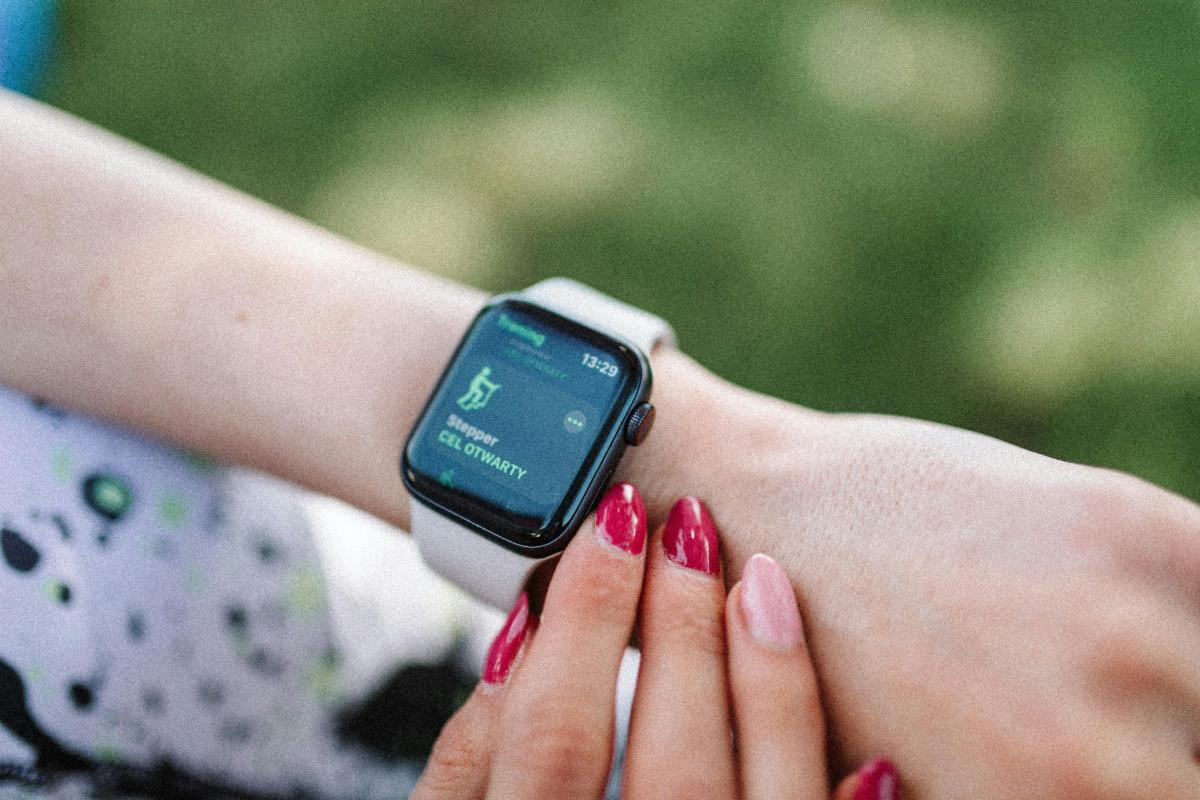
Wearable health devices are moving beyond fitness tracking into clinical care, providing continuous data that helps clinicians monitor chronic conditions, detect early signs of illness, and support both in-person and telehealth decisions. Research suggests these tools can offer more consistent, real-world insights than single clinic measurements while also improving patient engagement. However, challenges around data accuracy, integration, and privacy remain. As regulators take a more flexible approach to lower-risk digital health tools, adoption may grow, placing greater responsibility on clinicians to ensure the data is reliable and clinically meaningful.
| | Early Signals from State Rural Health Transformation Plans | | Early Rural Health Transformation Fund (RHTF) planning across states highlights a clear shift toward digitally enabled rural care systems. Telehealth is now viewed as core infrastructure, integrated across services like behavioral health, chronic disease management, and specialty care rather than a standalone tool. Workforce shortages remain a major challenge, but states are increasingly using telehealth and virtual care models to extend provider capacity. At the same time, broadband gaps and outdated digital infrastructure continue to limit progress, prompting parallel investments in connectivity, interoperability, and IT modernization. Artificial intelligence is beginning to emerge in areas like analytics and documentation, though governance frameworks are still developing. Overall, states are aligning these efforts with value-based care strategies, signaling a move toward more integrated, sustainable rural health systems. | |
|
Additional Special Interest Group Meetings
Special interest groups are facilitated by the WyTN to improve collaboration, education, and communication for distinct groups and fields in regards to telehealth. They allow for tangible support on specific needs and access to a network of champions and experts. Each group fosters their own goals to help improve their practices.
| | |
Telemental Health
Second Friday of the month
May 8, 2026
11:00am - 12:00pm
zoom.us/j/96469814026
| | |
Community Health & Chronic Disease Prevention
Second Tuesday of the month
May 12, 2026
11:00am - 12:00pm
zoom.us/j/99923831002
| | |
Hospital
Third Tuesday of the month
May 19, 2026
12:00pm - 1:00pm
zoom.us/j/94824269281
| | |
Check out the Special Interest Group webpages!
Here you'll find SIG-specific updates, agendas, minutes, and education opportunities.
| | For more information on the special interest groups, or if you would like to join one, please contact wytn@uwyo.edu | |
Contact Information
Wyoming Telehealth Network | Wyoming Institute for Disabilities
UW College of Health Sciences
Phone: (307) 766-6407
Email: wytn@uwyo.edu
| | | | |