|
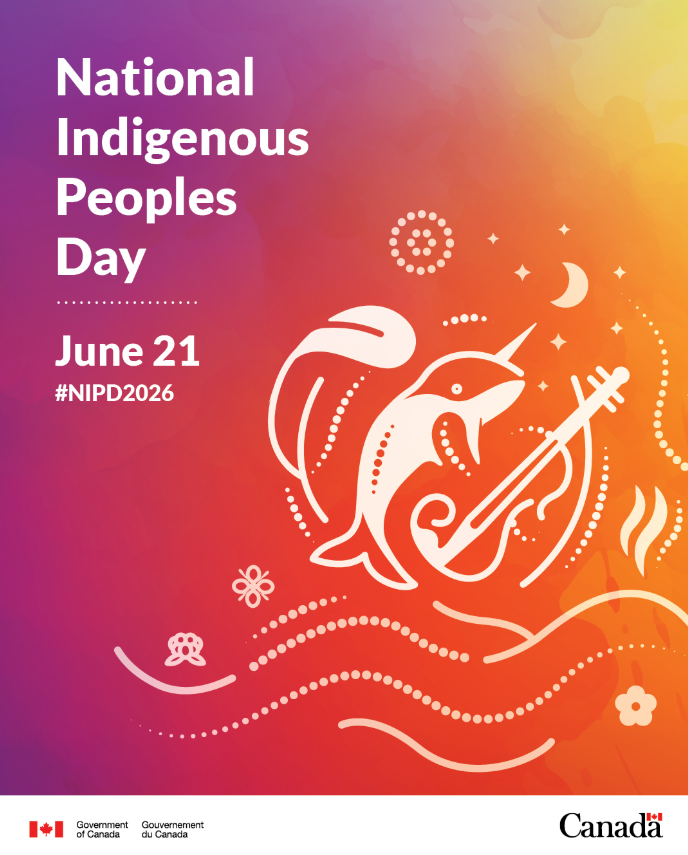
This week’s LIO focuses on National Indigenous Peoples Day, celebrated annually on June 21. In collaboration with Indigenous organizations, the Government of Canada selected June 21, the summer solstice, to recognize and celebrate the traditions, cultures, and contributions of First Nations, Inuit, and Métis peoples.
This year marks the 30th anniversary of National Indigenous Peoples Day. For generations, many Indigenous communities have celebrated their cultures and heritage on or near the summer solstice, recognizing the significance of the longest day of the year. National Indigenous Peoples Day is an opportunity to honour the unique heritage, diverse cultures, and outstanding contributions of First Nations, Inuit, and Métis peoples across Canada.
In honour of National Indigenous Peoples Day, we are highlighting activities that bring First Nations, Inuit and Métis voices into your learning. Take the time to celebrate and honour the rich and diverse Indigenous cultures and traditions that exist across Canada. Let this day be a reminder of the important role that education has played—and will continue to play—in the path towards truth and reconciliation
| | |
In this lyrical picture book, a group of Métis children share how they preserve, share and honor their heritage by participating in traditional activities like picking saskatoon berries, beading and baking bannock. One child, however, is growing up not having the same experiences but soon learns that it is never too late to learn. This book celebrtes the Métis culture and shows that everyone, even those of non-Métis descent, can honour and enjoy these special experiences.
Activities
- Read Métis Like Me as a springboard for discussions about multicultural traditions. Students can then bring in an artifact to share with the class that illustrates and celebrates their own family traditions.
-
Use First Voices to teach students a few words of local Indigenous languages
-
Learn more about Indigenous peoples, history and culture through stories and activities
-
Play a few games and activities that will teach you more about Indigenous peoples
-
Learn more about artifacts and their importance to historical and cultural values with Let’s Explore the Past
| | |
This resource is a collection of fun and educational activities for students. Through a variety of fun facts, stories, quizzes, games, colouring pages, and crafts, students learn more about the unique heritage, diverse cultures and valuable contributions of First Nations, Inuit and Métis peoples.
Activities
-
Read The Great Festival of Light, a story about many animals and humans coming together to celebrate the longest day of the year, the summer solstice
- Invite students to take part in a nature walk where they observe and reflect on the land around them while discussing how Indigenous peoples have long connected with, respected, and cared for the natural world.
-
Indigenous peoples use weaving to make many great things. If you have access to embroidery thread, learn a weaving technique and braid beautiful bracelets
-
Play Cruncher, a facts game about Indigenous peoples in Canada
| | |
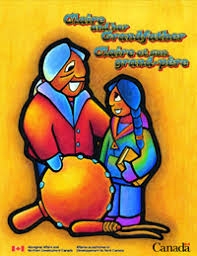
Claire and her Grandfather is a First Nations story designed to raise awareness of First Nations and Inuit people's many historical and contemporary contributions to Canada and the world. The story portrays a discussion between young Claire and her grandfather, an Indigenous elder who teaches Claire the geography of Canada from a First Nations perspective. Students learn about many Indigenous contributions related to food, transportation, exploration, the arts and technology through the story of Claire, who is learning about her heritage so she may share some of her family history and culture with her classmates.
Activities
-
Read Claire and her Grandfather. Ask students to compare their family with Claire's. Have them try to identify contributions their own culture or cultures have made to Canada. Have students identify things and traditions that have been transmitted from one generation to another in their families
- Present students with reflective questions after introducing each contribution or invention. Examples: What impact has this particular contribution had on our lives today? Why was this invention necessary, and how might it be used today? How have modern transportation methods changed traditional lifestyles?
-
Have students research additional Indigenous place names in your area or region. Illustrate the meaning of the name through artwork
-
Get outside to learn and play some First Nations games
| | |
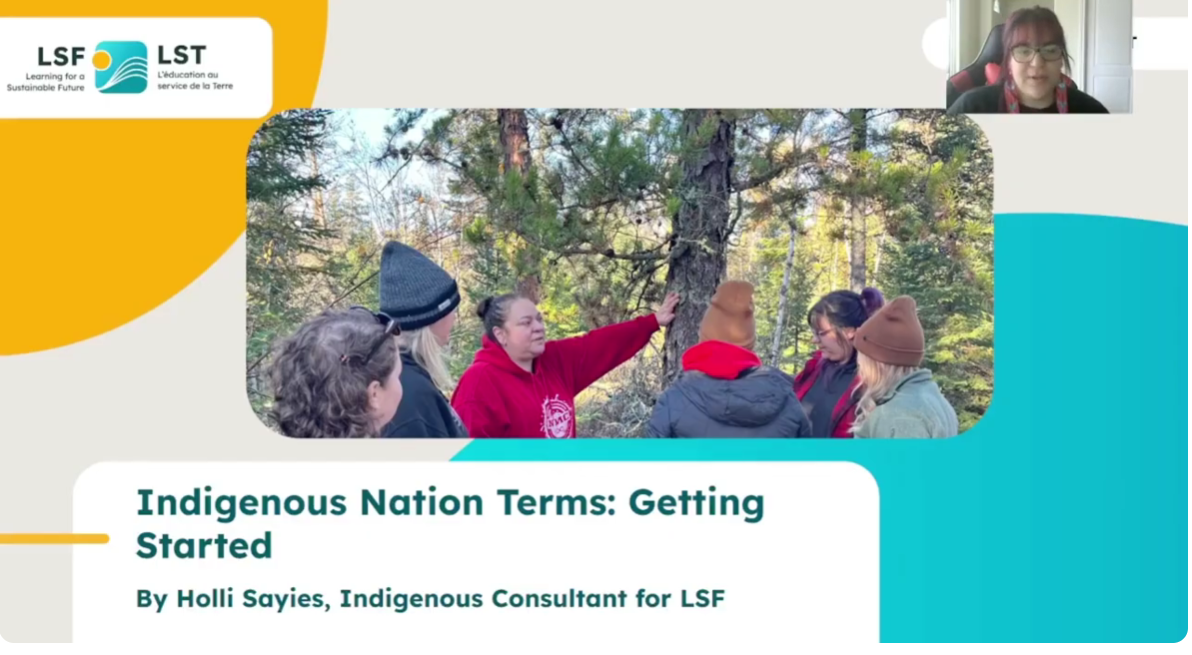
This video provides an engaging and informative introduction to Indigenous terminology and respectful practices for incorporating Indigenous education into the classroom. Holli Sayies, an Indigenous consultant for LSF, explains the three constitutionally recognized Indigenous groups in Canada, Métis Nation, First Nations and Inuit, while emphasizing the importance of using specific and respectful language when discussing Indigenous peoples. The video explores the histories, cultures, territories, and identities of these Indigenous groups. The video also discusses traditional Indigenous introductions and the importance of acknowledging the land, family and non-human relations
Activities
- View the video with students to introduce the three constitutionally recognized Indigenous groups in Canada—First Nations, Inuit, and Métis—and the importance of using respectful, specific language when learning about Indigenous peoples.
- Explore the idea of relationships to land, water, and living things through a short outdoor reflection walk where students notice and record how they feel connected to the land around them.
-
Review the Calls to Action of the Truth and Reconciliation Commission of Canada. Complete some of activities suggested in the Beyond 94 Teacher’s Guide
-
Complete the Imagine a Canada activity in your classroom. Students can create a poem, song, painting, drawing, sculpture, rap, essay, or any other artistic medium of their choosing. Their work should show how they can be a leader in Reconciliation, to make the future of Canada a more respectful place
| | |
About Learning Inside Out
Above you will find a selection of activities, broken down by various grade levels. These guides will be released biweekly and archived on our Learning Inside Out page, so you can always access the full catalogue.
Some of the activities have been modified from resources on our R4R database, simplified and adapted for both outdoor learning in the school yard or at-home as needed. The activity descriptions above should contain all the information and links that you need!
We want this guide to work for you, so your feedback is invaluable to us.
Use the feedback button at the bottom of this Guide, or email us at info@LSF-LST.ca. We would also love to see photos of students engaging in the activities, please e-mail us any pictures or videos you have!
| | Follow us on social media for continued weekly highlights & other exciting opportunities through the school year! | | Please share widely with any parents and teachers in your life! | | Learning for a Sustainable Future (LSF) is a Canadian charity with over 25 years of experience working within the education system. Our Resources for Rethinking (R4R) database is an award-winning collection of resources that are peer-reviewed by certified teachers and connected to curriculum in all provinces and territories. R4R is recommended on many Ministry of Education websites. | | | | |