NewsletterHeader5.png

Weekly Analyst Review

27 March 2025


Bottom Line Up Front

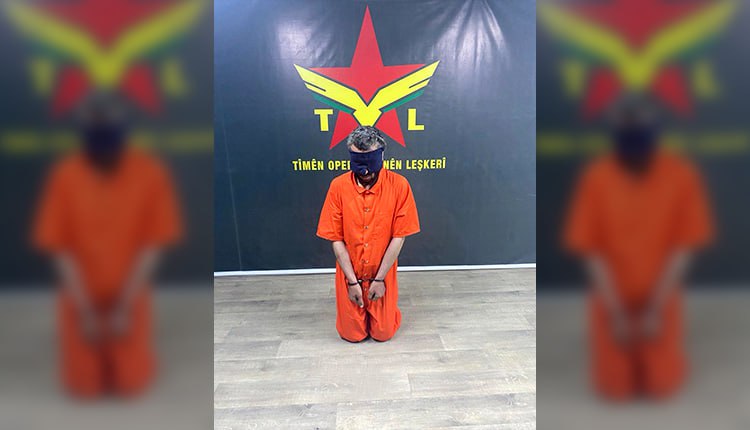
On 24 March 2025, the Syrian Democratic Forces (SDF), through their Military Operations Team (TOL), arrested a key Islamic State (IS) figure—Abu Suhaib al-Adnani, also known as Abu Hussein al-Qurashi, legal name Raafat Rahmoun—in Tabqa, west of Raqqa. The arrest was made in coordination with the US-led International Coalition. Notably, this operation comes amid growing US involvement in shaping a potential integration agreement between the SDF and the HTS-aligned Damascus government, possibly laying the groundwork for an eventual American withdrawal from eastern Syria.


A Veteran Jihadist With Deep Roots in IS

Rahmoun, an Idlib native, has been affiliated with IS since 2014. Between 2018 and 2022, he lived in Turkey—reportedly without issue—before relocating to eastern Syria, where he resumed a leadership role. Upon his return, Rahmoun was appointed emir of the Barakah and Khair Wilayah, two of IS’ most active zones in Syria. His recent capture reveals that he was overseeing planned attacks during Nowruz, a celebration marked predominantly by Kurds, further emphasising IS’ continued focus on sectarian and ethnic flashpoints.


The “Qurashi” Title: Coincidence or Calculated Signal?

Of particular interest is Rahmoun’s use of the name “Abu Hussein al-Qurashi.” The “Qurashi” nisbah is historically reserved for those claiming descent from the Quraysh tribe—a requirement for Caliphal legitimacy within IS. This naming convention mirrors previous IS leaders such as Abu Hussein al-Husseini al-Qurashi and the current caliph, Abu Hafs al-Hashimi al-Qurashi. Whether Rahmoun adopted this name independently or it was bestowed by IS leadership could indicate his importance. Rahmoun may have been groomed for a more prominent leadership role if officially sanctioned. It could point to internal fragmentation and individual ambition within IS’ Syrian ranks if self-assigned.


Significance of Regional Authority

Rahmoun’s past roles as emir of Deir Ezzor and Hasakah—regions with immense logistical and financial importance to IS—underscore his operational significance. Control of these areas would grant him access to the group’s recruitment, funding, and tactical networks. Given that Raqqa and Deir Ezzor were once the heart of IS caliphate, this further indicates that Rahmoun wasn’t a fringe figure but potentially a central strategist within the remaining IS infrastructure in Syria.


Turkey’s Role: A Logistical Hub?

His previous time in Turkey raises critical questions. The ease with which Rahmoun lived in the country and then reintegrated into IS leadership underscores a broader pattern: many IS operatives have used Turkey as a haven or transit point. His reentry into Syria and quick ascension to leadership suggests either strong preexisting IS ties or a concerted effort to restock the group’s Syrian command post-2019 territorial losses.


IS Presence Still Active and Threatening

Rahmoun disclosed that IS cells remain operational in northeastern Syria and near Damascus. This aligns with TRAC’s long-standing assessments that IS has not been eradicated but is instead operating covertly, biding time and rebuilding. The targeting of Nowruz celebrations also fits IS’ historical strategy of exploiting ethnic and sectarian rifts.


Caution on SDF’s Narrative

Despite Rahmoun’s apparent importance, TRAC acknowledges that the SDF may be inflating his significance for propaganda. In a context where international support—particularly from the US—is crucial, presenting high-profile arrests bolsters the SDF’s legitimacy. It is conceivable that Rahmoun was a mid-level figure or no longer strategically relevant. Overstating his role may serve a dual purpose: to intimidate IS remnants and to reassure international allies of ongoing counterterrorism success.


Conclusion

Regardless of whether Rahmoun was a key commander or an overhyped detainee, his arrest underscores several persistent realities: IS maintains operational networks in Syria; leadership turnover is more than survivable; it is expected and anticipated, as such, IS is prepared; and the geopolitical complexity of northeastern Syria continues to challenge all parties involved. Whether this arrest disrupts IS operations meaningfully or serves more symbolic ends remains to be seen.

Other Developments

(Video) Tehreek-e-Taliban Pakistan’s (TTP) Media Wing, Umar Media, Releases First Video Statement of Leader Mufti Noor Wali Mehsud Since 2022, Addressing the Killing of Maulana Hamid-ul-Haq Haqqani, TTP’s “Al-Khandaq”, and More, Pakistan

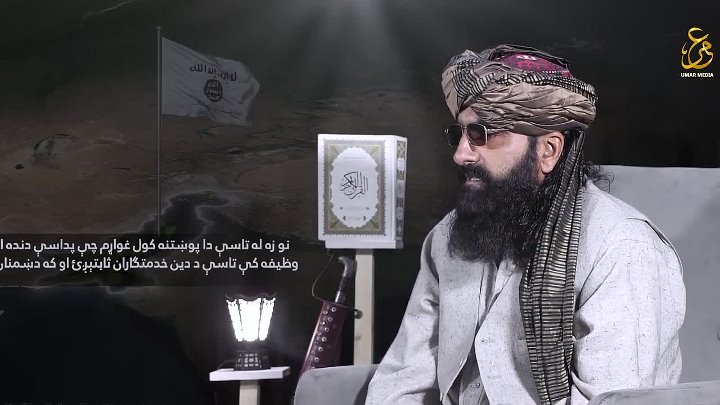
On 19 March 2025, Umar Media—the official media wing of Tehreek-e-Taliban Pakistan (TTP)—released a 12-minute video featuring the group’s leader, Mufti Noor Wali Mehsud. This marks Mehsud’s first video appearance since June 2022. In his address, Mehsud accused Pakistani security agencies of orchestrating the recent assassinations of religious leaders, including Maulana Hamid-ul-Haq Haqqani. He framed these killings as part of a broader campaign by the Pakistani state to silence religious scholars and suppress Islamist movements.


Beyond the accusations, Mehsud used the opportunity to reinforce core ideological and strategic themes. He reiterated TTP’s commitment to its newly launched spring offensive, "Al-Khandaq," emphasising that the campaign would intensify with "increased momentum and innovation." He also appealed to the Pakistani public and armed forces members, urging them to reject state authority and support TTP’s cause instead. Additionally, he condemned Pakistan’s ongoing expulsion of Afghan refugees, characterising the actions as violations of international law and Islamic principles.


One of the most essential portions of the video was Mehsud’s direct appeal to individuals within the Pakistani military and government. He called on them to abandon their posts, accusing them of being pawns in a state apparatus that he claims acts against Islam. He portrayed the Pakistani government as an enemy of Islamic governance, explicitly citing its opposition to the Taliban’s Islamic Emirate in Afghanistan as a betrayal of Islamic ideals. This rhetoric aligns closely with broader jihadist narratives aiming to delegitimise state institutions.


TRAC assesses that Mehsud’s reappearance is timed to coincide with the "Al-Khandaq" campaign and TTP’s newly launched global fundraising initiative. The video seeks to galvanise support for renewed insurgent activity while providing ideological justification for financial contributions. While the video does not explicitly address recent factional disputes, TRAC believes it is also intended to reinforce Mehsud’s leadership when his authority has been under strain.


At the end of 2024 and into January 2025, TTP clashed with the Hafiz Gul Bahadur (HGB) group. In February, TRAC reported that Mehsud allegedly resorted to violent measures to suppress internal dissent, including the formation of a seven-member assassination squad to eliminate Sarbakaf Mohmand, the leader of Jamaat-ul-Ahrar (JuA). The 14 March 2025 targeted IED attack at a mosque in the Urmar area of Peshawar, which killed Mufti Munir Shakir, founder of Lashkar-e-Islam (LeI), is the latest significant event in this internal conflict landscape.


TRAC views Mehsud’s latest video as a multifaceted attempt to reassert authority amid growing internal fissures. By redirecting focus toward external enemies—namely the Pakistani military, intelligence agencies, and government—Mehsud seeks to unite TTP’s rank and file under a standard adversarial narrative. This strategy is a classic attempt to deflect attention from intra-group discord and reestablish a sense of cohesion and purpose within the movement.


With Eid al-Fitr approaching on either 30 or 31 March 2025, TRAC warns of a heightened risk of major TTP attacks. The group has a history of using Islamic holidays to stage high-impact operations. Noor Wali Mehsud’s reappearance may be a strategic move to rally fighters ahead of such an event.

TRAC Incident Report: Al-Shabaab Militants Roadside Improvised Explosive Device (IED) Targets Somali President Hassan Sheikh Mohamud Motorcade, Outside Presidential Palace in Mogadishu, Somalia

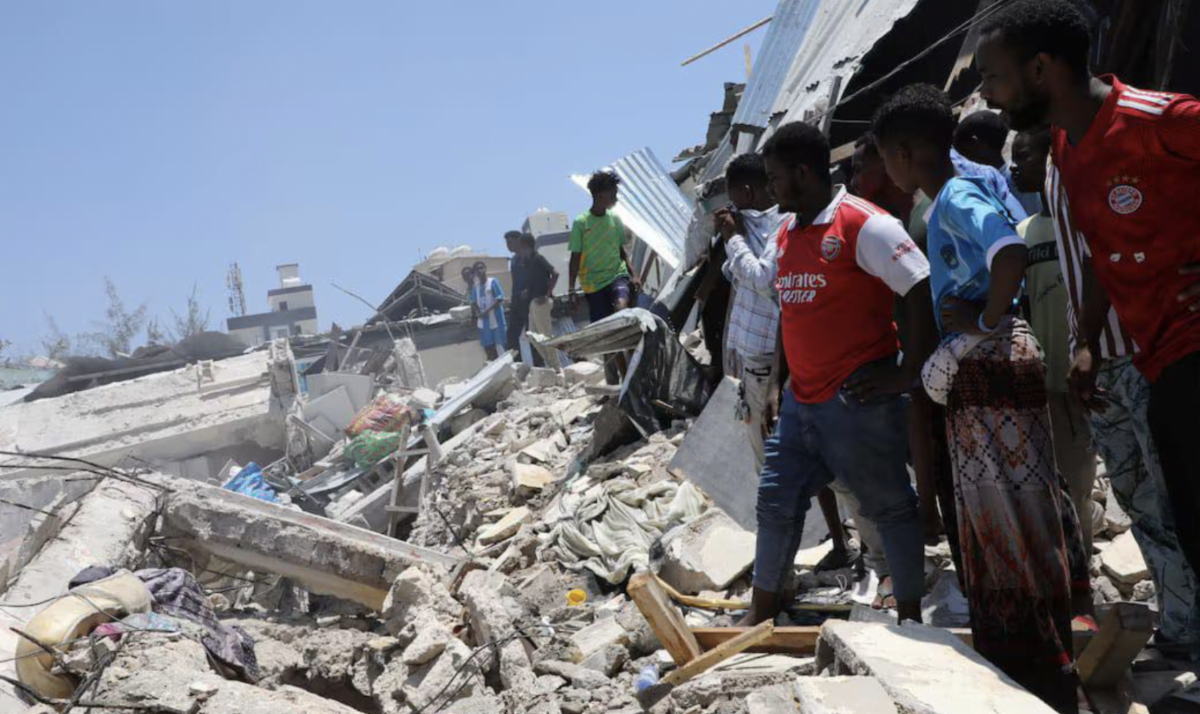
On 18 March 2025, Al-Shabaab militants launched a high-profile assassination attempt targeting Somali President Hassan Sheikh Mohamud. A roadside improvised explosive device (IED) struck the presidential motorcade just outside the gates of the heavily fortified presidential palace in Mogadishu, Somalia. The President was reportedly en route to Aden Adde International Airport when the attack occurred.


The IED directly hit one of the presidential vehicles, causing it to explode and catch fire. The blast killed at least six individuals, caused extensive damage to nearby buildings, and destroyed a government vehicle. While early claims from Al-Shabaab suggested that the President was in the car at the time, Somali authorities later confirmed that President Mohamud survived the attack. However, his precise condition immediately following the explosion remained unclear in the immediate aftermath.


This assassination attempt is one of the most audacious operations carried out by Al-Shabaab in recent years. The fact that the militants were able to plant and detonate a device so close to the presidential palace—arguably one of the most secure locations in Somalia—exposes serious lapses in security and intelligence capabilities. It raises alarming concerns about the reach and infiltration capacity of Al-Shabaab within the capital.


This attack comes amidst a broader trend of escalating violence by Al-Shabaab across Somalia. The group has recently seized control of several key villages, exploiting local grievances and security gaps and waning public trust in Somali forces. The failed assassination attempt appears to be part of a deliberate escalation strategy aimed at toppling the Somali government and asserting dominance in the capital, Mogadishu.


In TRAC’s assessment, this attack reflects a significant increase in Al-Shabaab’s operational confidence and strategic ambitions. Successfully targeting the President’s convoy just outside the palace gates signals a turning point—demonstrating that the group is expanding territorially and willing to take bold, symbolic strikes at the heart of state authority. There is growing concern that Al-Shabaab may be transitioning from guerrilla-style attacks to more direct and coordinated efforts aimed at dismantling the central government and claiming Mogadishu itself. At this point, the capital is nearly completely encircled. Three sides leading into the capital are fortified by al-Shabaab, and the fourth side, al-Shabaab, is actively encroaching. The ambush on the convoy and assassination attempt are indicative of the thunder of the al-Shabaab militants approaching.

TRAC Incident Report: Islamic State Mozambique (IS-M/Shabaab Cult/Wilayat Muzinbik) Militants Armed Assault on a Christian Village, Burning more than 40 Homes, in Iba, Meluco District, Cabo Delgado, Mozambique

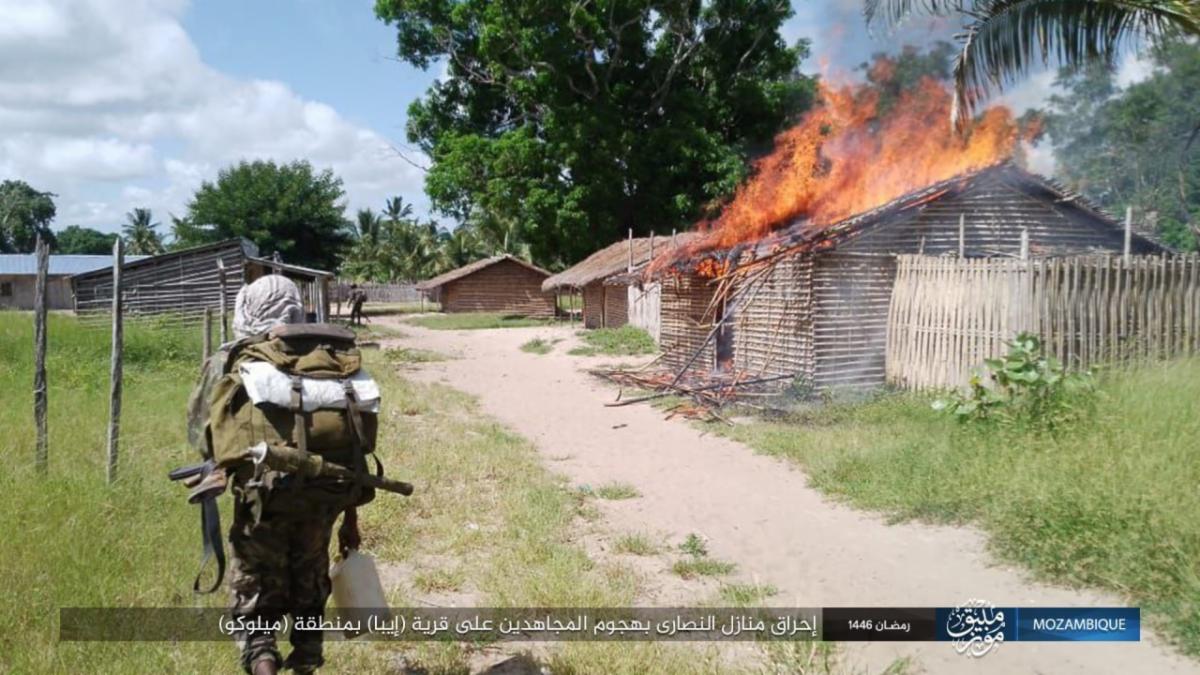
On 17 March 2025, militants from Islamic State Mozambique (IS-M), also known as the Shabaab Cult or Wilayat Muzinbik, carried out an armed assault on the Christian village of Iba in Meluco District, Cabo Delgado Province, Mozambique. The attack resulted in the killing of one resident and the destruction of over 40 homes. 


The fact that such a violent and destructive assault was launched during daytime hours, in full view of the local population, and without any immediate response from security forces, is telling. It signals that IS-M militants are not only emboldened but also believe they face little resistance from state forces in the region. This increasing boldness reflects the deteriorating control of the Mozambican government in parts of northern Cabo Delgado, where IS-M continues to exploit weak state presence, under-resourced security forces, and sectarian tensions to expand their influence.


The razing of at least 40 homes is not merely malicious; it's a tactical manoeuvre—a deliberate campaign of terror designed to force-displacement and permanently alter the region’s demographic and religious makeup. By targeting Christian communities, IS-M reinforces its ideological objectives while simultaneously aiming to erase minority religious enclaves in its zones of operation. The symbolic destruction of property, coupled with the murder of a civilian, serves to instil fear and discourage any form of resistance or return.


Islamic State Mozambique (IS-M) and Islamic State Central Africa Province (ISCA) remain some of the most aggressive IS affiliates when it comes to targeting Christian populations in Sub-Saharan Africa. These attacks form part of a broader strategy of religious cleansing and territorial control, often timed to coincide with religious holidays or periods of community vulnerability.


TRAC is confident that such daylight attacks will continue and possibly escalate, especially as IS-M attempts to project power, attract recruits, and destabilise the region further in its pursuit of a long-term insurgency. All that taken into account, TRAC reiterates to our audience that Eid is expected to be either 30 or 31 March 2025 this year.

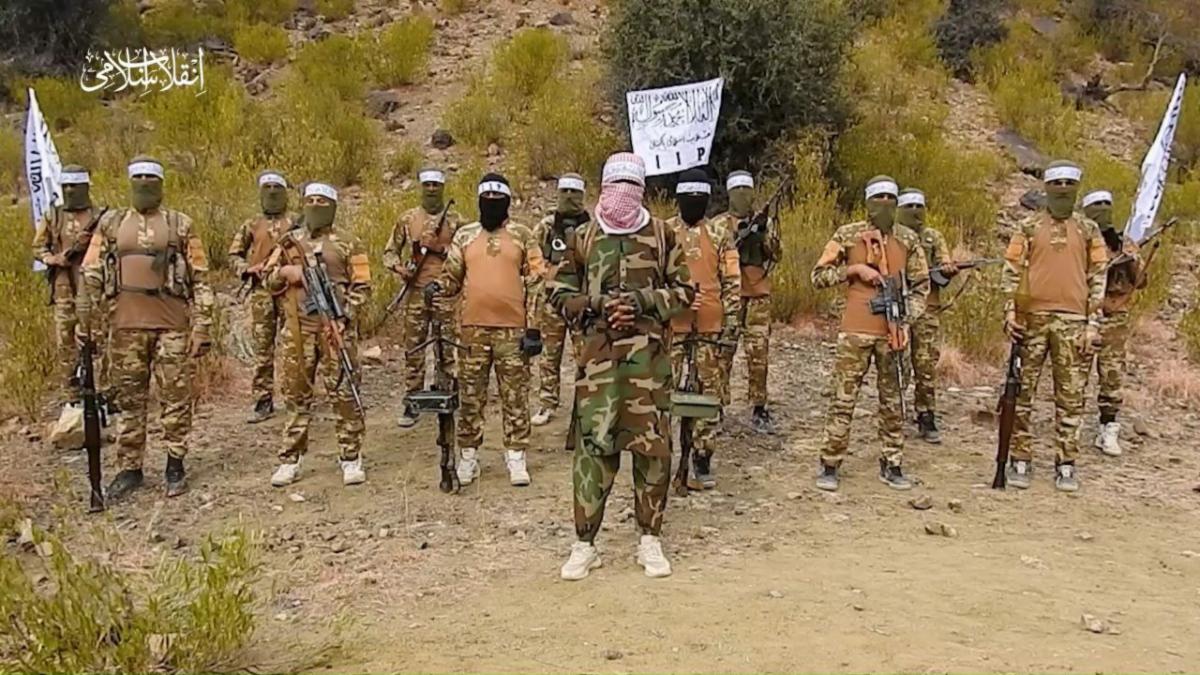
(Video) Ghazi Shahabuddin Announces the Establishment and Presence of his New Militant Group Harakat-e-Inqilab Islami Pakistan (IIP) in Pakistan

(Claim / Anonymous Anarchist) Anonymous Anarchists Arson of Several High-End Vehicles Over Six Months in Niort, France


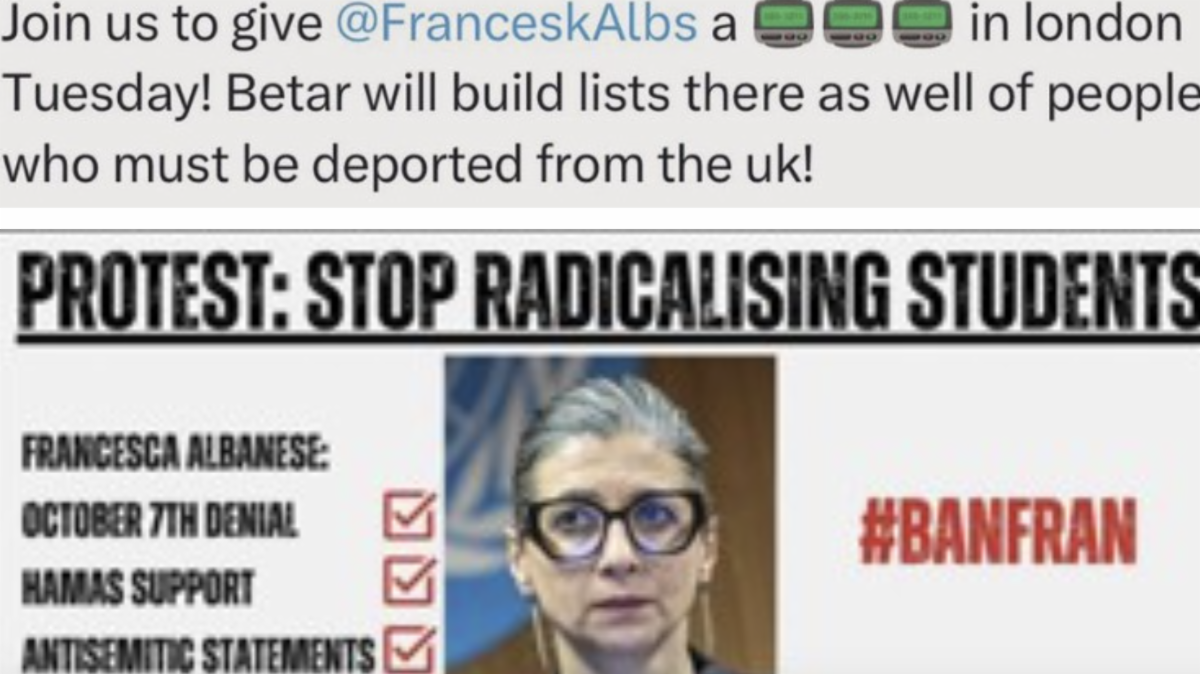
TRAC Incident Report: Far-Right Pro-Israel ‘Betar’ Group Threatens International Lawyer Francesca Albanese with Pager Attack, London, United Kingdom, Cyberspace

TRACFusion_Newsletter2.png

CLICK HERE FOR PAST WEEKLY BRIEFINGS

TRAC Logo_Primary_TransparentWhite.png
Facebook          X          Instagram