|
Welcome to our May newsletter!
Wisconsin CONNECT is a collaborative. We seek to provide technical assistance and training opportunities for substance use prevention and treatment grantees, providers, clinicians, social workers, and support staff.
We draw on local and national academic and community resources to reduce and prevent substance use and improve overall health and wellness in Wisconsin.
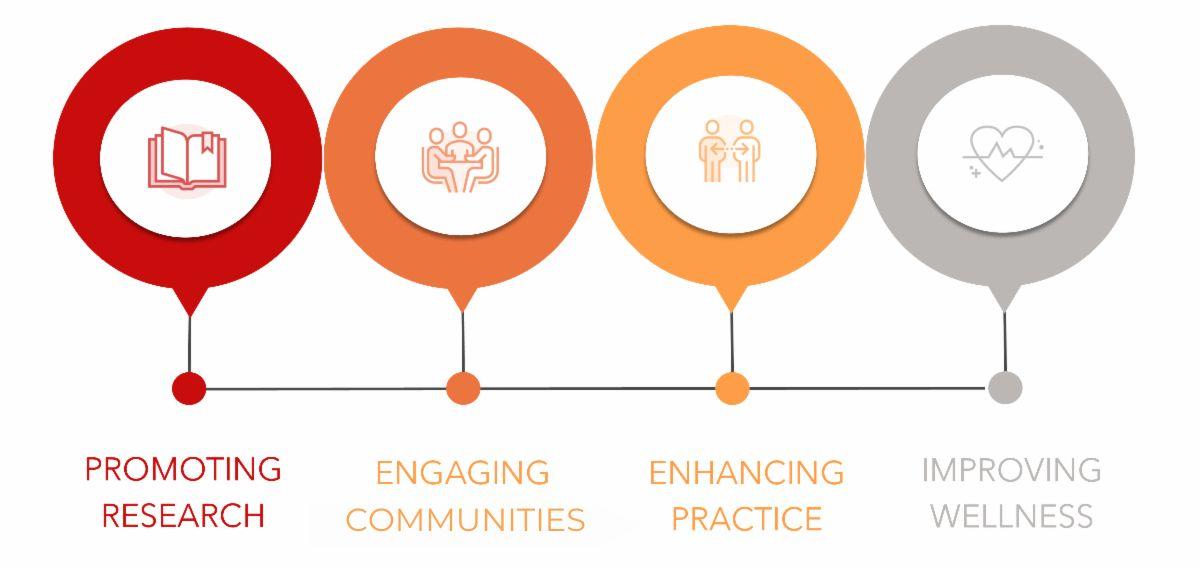
To that end, we want to help you connect the dots with this newsletter. It is a tool to support our efforts to promote new research, share tools and trainings that aim to help you engage in different communities, enhance practice and improve the health of your clients and program participants.
| |
Pregnancy-Related Deaths: Data from Maternal Mortality Review Committees
from the CDC
Maternal Mortality Review Committees (MMRCs) are multidisciplinary committees that convene at the state or local level to comprehensively review deaths during or within a year of pregnancy (pregnancy-associated deaths). MMRCs have access to clinical and non-clinical information (e.g., vital records, medical records, social service records) to more fully understand the circumstances surrounding each death, determine whether the death was pregnancy-related, and develop recommendations for action to prevent similar deaths in the future.
See the data here.
| |
Parent Peers in Crisis Services: Results of a 2025 State Survey
from Wisconsin Department of Health Services
The data collected from this survey will support the ongoing work to expand the use of parent peers in crisis services across Wisconsin.
View the report here.
| | | |
FASD: What Is It and What Do We Do About It? Intro to FASD
from FASD United
May 8
9:00-11:00am CT
Virtual
Of all substances of abuse, alcohol causes the most serious long-term effects in a fetus, resulting in permanent brain damage. Many children with FASDs often go undiagnosed and suffer lifelong social challenges, serious mental health problems, and involvement with the juvenile justice system. Proper identification and intervention can help prevent many of these challenges. This webinar will help attendees identify red flags and signs that may indicate a child has brain-based behaviors as a result of prenatal alcohol exposure. Additionally, it will also help shift one’s perspective, viewing social/emotional problems, difficult behaviors, and learning challenges of these individuals as a symptom of brain dysfunction and not willful defiance and opposition.
Learning Objectives:
- Learn what FASD is and how it is often misdiagnosed.
- Learn how FASD impacts brain development and behaviors.
- Learn to identify FASD red-flags.
- Gain a shift in perspective about those with social/emotional problems, difficult behaviors, or learning challenges.
Learn more here.
| | |
Virtual Stimulant 101 Training
from Opioid Response Network and Boston Medical Center
May 12
12:00-1:30pm CT
Virtual
Presenters: Julie Valerius, DNP, CARN-AP and Justin Alves, MSN, FNP-BC, ACRN, CARN, CNE
The Virtual Stimulant 101 session is intended to provide training to practicing addiction professionals who already provide trainings related to substance use disorders, with a deeper understanding of stimulant use disorders. This 90-minute session provides an overview of the effects of psychostimulants, including neurobiology, epidemiology, withdrawal, and overamping, followed by discussion of medications used to treat stimulant use disorders. The session will also review evidence-based behavioral health and pharmacological treatments for stimulant use disorders and associated sequelae, using polling questions and case-based discussion to engage participants throughout, and concludes with a review and question-and-answer period.
Learn more and register here.
| | |
Matrix Model Training
from Wisconsin CONNECT
Matrix Recovery Program for Justice-Involved Populations™
Tuesday, June 2 and Wednesday, June 3
9:00am-4:00pm CT both days
Virtual
The workshop will include both the Matrix Recovery Program for Justice-Involved Populations™ and additional components focused on criminogenic issues and new information on post incarceration syndrome, identity fusion and use of Matrix Recovery Program for Justice Involved Populations™ strategies.
This training will cover the fundamentals of the Matrix Recovery Program for Justice-Involved Populations™, with a focus on addressing substance use and behaviors that contribute to justice system involvement. Key topics include reintegration into the community, family, and employment, as well as overcoming barriers faced by justice-involved individuals.
The training will also explore strategies for providing treatment through an integrated approach to enhance program outcomes.
register here
Matrix Recovery Program™ for Adults
Wednesday, June 10 and Thursday, June 11
9:00am-4:00pm CT both days
Virtual
This 2-day training has been updated to provide implementation of the new Matrix Recovery Program for Integrated Care- Adults™. The training will utilize some lecture, discussions, videos and experiential exercises. A special emphasis will be placed on familiarizing attendees will all the evidence-based components of the original Matrix public domain program but a new 2026 adapted version which incorporates new evolving recovery language and terminology, recent advances in behavioral health and substance disorder treatment.
Attendees will learn to:
- Describe the core components of Matrix Recovery Program™ for Adults
- Begin implementing these components into their organizations
- Provide clients new skills they need to move forward in their recovery journey
- Integration of the components and recovery process to improve both individual outcomes and overall program effectiveness
- Understand the neurochemical changes integrated into the sessions to assist clients in understanding where they are in the recovery process.
register here
Peer Recovery
Monday, June 22 and Tuesday, June 23
9:00am-4:00pm CT both days
Virtual
Since its beginnings the Matrix Model has always incorporated the use of Peers in programming. Specifically, the use of Peers as co-leaders in the Matrix group process. This training will provide the basics of the Matrix Model and how peers can use their own recovery successes to help others. The Matrix Model wants to further that support with individuals who have completed the Matrix Program and share their lived experience with others in Matrix. A person with lived experience can pull from those successes while sharing their own recovery journey. Matrix Peers/Co-Leaders also can provide additional support as a new individual moves through the Matrix program.
Goals:
- Assist program participants in the development of skills, confidence, and relationships as they begin their recovery journey.
- Learn skills to Co-Facilitate Matrix groups in an open and welcoming environment.
- Provide direct peer support based on their own lived experiences.
Objectives:
- Learn how to engage new individuals in the Matrix Program
- Display skills of when and how to share recovery stories
- Identify ways to help peers efforts for health, wellbeing and recovery
- Learn Matrix core components and how to assist peers with new skills and strategies learned in Matrix programming.
register here
Learn more about Matrix offerings here.
| | |
Mental Health Awareness Month 2026 Toolkit
from SAMHSA
"Mental Health Awareness Month 2026 launches May 1. Our theme this year is: See the Person. Support the Journey. Throughout May, we will share resources you need to show up for this month, in your channels, your conversations, and your communities.
What's inside the toolkit:
We encourage you to pick the tools that fit your audience. Download, share, and make the toolkit content your own.
See the Person. Support the Journey. One powerful message that the people in your life, your community, and your networks need to hear this May."
| |
Older Adult Mental Health Awareness Day Symposium
from National Council on Aging
May 7
Virtual
The National Council on Aging is proud to host the 9th annual Older Adult Mental Health Awareness Day Symposium. This event is co-sponsored with the U.S. Administration for Community Living, the Health Resources and Services Administration, and the Substance Abuse and Mental Health Services Administration. Registration is free and includes a full day of sessions on how to best meet the mental health needs of older adults. In partnership with Rush University’s E4 Center of Excellence for Behavioral Health Disparities in Aging, we anticipate offering free continuing education (CEs) for several professions.
Learn more and register here.
| | |
Sexual Assault Awareness in April
from Wisconsin Department of Health Services
"April is Sexual Violence Prevention Month, also known as Sexual Assault Awareness Month. A time to call attention to the fact that sexual violence is widespread, but actions big and small can help prevent it. Learn here how you can decrease sexual violence and support survivors.
Governor Tony Evers also issued a proclamation, declaring April officially Sexual Assault Awareness Month in Wisconsin!
This is also a perfect time to share our new webpages:
-
Prevention programs and services: Includes info on staying safe, victim and survivor resources, and partner links
-
What you can do: Has clear, concise steps to help support survivors, practice consent, and shift harmful norms.
-
Childhood sexual abuse: Outlines keeping kids safe, reporting, and recognizing the signs.
-
Data: Includes both Wisconsin and federal data around the prevalence of sexual violence."
| | |
Check out our video archive to find a session you might have missed.
You can also go back to the training session webpage to find other resources, slides and handouts.
| | | |
Click here below to see all the upcoming trainings and events across topics. | |  |
Have a training interest? Looking for technical assistance? Simply fill out this online form with what you are seeking, and we will follow up to further explore your needs. | | Wisconsin CONNECT Social Media | | Go follow the new Wisconsin CONNECT social media pages for regular updates on training opportunities as well as to connect and network with other professionals. | | |
|
We do this in partnership with the Bureau of Prevention, Treatment and Recovery within the Wisconsin Department of Health Service's Division of Care and Treatment Services, UW-Milwaukee, and our network of training providers. |
| | | |