|
February, 2026
Become Their Voice
| | |
February brings two things that couldn’t be more different: the Super Bowl and Valentine’s Day.
One is about snacks, commercials, and yelling at the TV.
The other is about love, connection, and (hopefully) not forgetting a card.
What they do have in common is this: they’re both reminders that the people we surround ourselves with matter.
Whether you’re celebrating with friends on Super Bowl Sunday or spending Valentine’s Day with someone you love, it’s a good time to pause and check in—on yourself and on each other. Big events can bring a lot of fun, but they can also bring stress, pressure, and unhealthy habits if we’re not paying attention.
At Become Their Voice, we believe connection is one of the most powerful forms of prevention. Showing up, listening, and being present can make more of a difference than we sometimes realize.
Enjoy the game. Enjoy the chocolate. And most of all, take care of the people around you.
-- Kathy & Deric
| | |
We've added VIDEO!
Please follow us on Facebook, Instagram, LinkedIn and/or YouTube.
| |
The Super Bowl, Binge Drinking, and Mental Health
The Super Bowl is one of the most watched—and most celebrated—events of the year. It’s also one of the largest binge-drinking days in the United States.
For many, it’s about football, food, and friends. But for others, it can quietly increase risk—especially for youth, individuals in recovery, and families already navigating mental health or substance-use challenges.
What the Data Tells Us
- The Super Bowl consistently ranks among the top days for alcohol consumption nationwide.
- Emergency room visits related to alcohol spike during and immediately after the game.
- Studies show increased incidents of impaired driving, domestic conflict, and emotional distress tied to binge drinking during major sporting events.
- For teens, highly visible adult drinking behaviors can normalize excessive alcohol use and lower perceived risk.
Why This Matters for Mental Health
Alcohol is a central nervous system depressant. While it may temporarily lower inhibitions, it can:
- Worsen anxiety and depression
- Increase impulsivity and aggression
- Lower emotional regulation
- Interfere with sleep and mood stability
For individuals already struggling—or those in early recovery—events centered around heavy drinking can be especially triggering.
The Overlooked Impact on Teens
Even when teens aren’t drinking themselves, they are watching.
- Adults’ behaviors shape teens’ beliefs about alcohol and coping
- Exposure to binge drinking can normalize unhealthy stress relief
- Teens experiencing anxiety, depression, or trauma may be more vulnerable to experimenting with substances later
Prevention starts with what we model, not just what we say.
What Prevention Looks Like (Especially During Big Events)
- Normalize alcohol-free options at gatherings
- Talk openly with teens about peer pressure and expectations
- Check in with friends or family who may be struggling
- Plan ahead for safe transportation
- Be mindful that “just one night” can have lasting consequences
A Thought Worth Remembering
Celebration doesn’t have to come at the cost of safety, mental health, or recovery.
| | |
Teen Dating Violence Awareness Month, observed each February, highlights the very real risks teens face in dating relationships today—many of which go unseen.
Research shows that 1 in 3 teens in the United States experiences physical, emotional, sexual, or digital abuse from a dating partner, with emotional abuse and controlling behaviors often appearing first.
Teens navigating unhealthy relationships are at significantly higher risk for anxiety, depression, substance use, and suicidal thoughts, as alcohol and drugs are often used as coping mechanisms to numb stress, fear, or emotional pain.
Dating violence has also been linked to higher rates of school struggles, isolation, and future victimization in adulthood.
What makes this especially concerning is that teens are still developing emotionally and neurologically, making them more vulnerable to manipulation, peer pressure, and impulsive decision-making.
Education, early intervention, and open conversations are critical—because healthy relationships are a powerful protective factor, and prevention at this stage can change the trajectory of a young person’s life.
| |
🍺 Iowa Drinking & Binge Drinking Patterns
- Approximately 22 % of Iowa adults reported binge drinking in 2022, which is higher than the U.S. average of about 17 %. Binge drinking is defined as five or more drinks on one occasion for men and four or more for women.
- Among Iowa youth (ages 12-20), about 23 % reported drinking at least once and 15 % reported binge drinking in 2019-2020 surveys.
🧬 Iowa’s Cancer Rates & Alcohol
- According to the 2024 Cancer in Iowa report, Iowa has the fourth-highest incidence of alcohol-related cancers in the U.S., and the highest rate in the Midwest.
- In 2019, the rate of alcohol-related cancers in Iowa was almost 10 % higher than the U.S. average.
- Alcohol is a known carcinogen that increases risk for at least seven types of cancer, including cancers of the mouth, throat, esophagus, liver, colon/rectum, and female breast.
- Only about 40 % of adults know that alcohol consumption raises cancer risk, even at moderate levels.
📊 Putting It Together
- Iowa’s high binge-drinking rates and overall alcohol consumption patterns are believed to be a significant contributor to the state’s elevated rates of alcohol-related cancers.
- While cancer has many causes (including tobacco, obesity, genetics, and environmental exposures), reducing alcohol intake can help lower individual cancer risk.
| | |
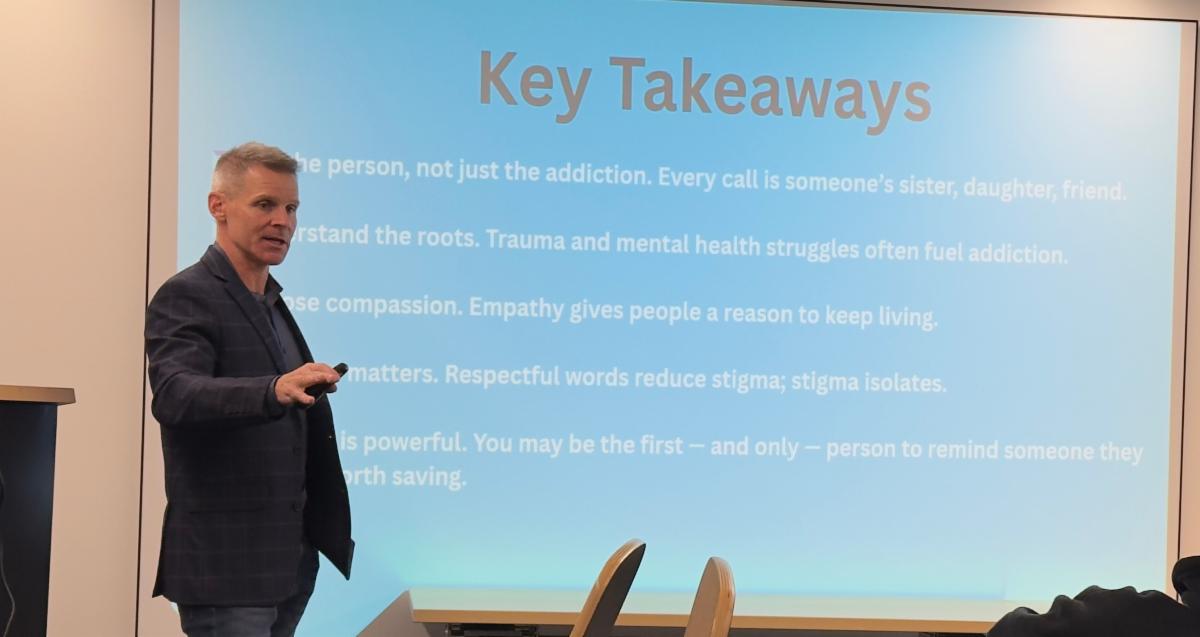
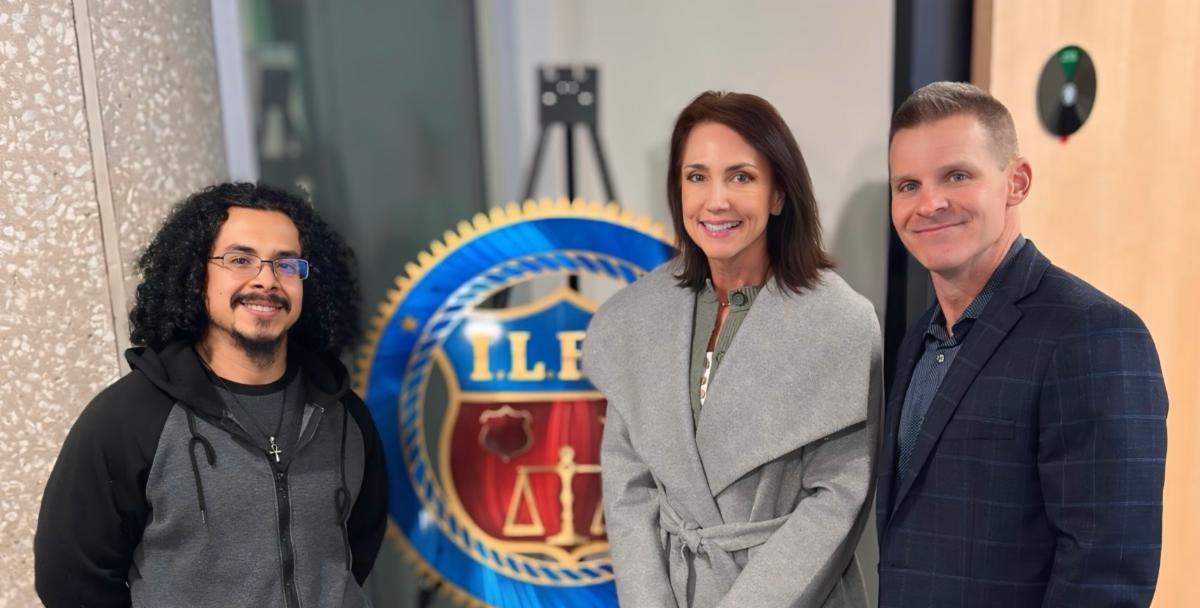
We continued our work with the ILEA through interactive sessions that sparked meaningful discussion with incoming recruits.
Our work with the Iowa Law Enforcement Academy centers on supporting cadets’ mental health and reinforcing the importance of taking care of themselves so they can be at their best when they are called to a crime scene. Law enforcement officers often arrive on someone’s worst day, and the way they show up—emotionally, mentally, and physically—has a profound impact on victims, their families, and everyone involved. We emphasize that self-awareness, healthy coping strategies, and mental resilience are not optional; they are essential tools of the profession.
A grounded, regulated officer can create a sense of safety and trust, while an overwhelmed one can unintentionally add to trauma. Those moments don’t end at the scene—they ripple outward, creating a snowball effect that influences how individuals and communities experience law enforcement long after the incident is over.
We had a positive experience with everyone that responded to the call when our son passed away. This had an impact on our family and we want to share why their role is critical.
| | |
The Iowa Law Enforcement Academy (ILEA) is the state’s central training institution for peace officers, responsible for the initial basic academy and ongoing in-service education that helps prepare law enforcement officers across Iowa.
Under the leadership of Director Brady Carney—a veteran officer appointed by Governor Reynolds in 2023 with extensive patrol, investigative, and training experience—ILEA runs a 16-week Basic Academy that typically enrolls recruits in classes of roughly 70-80 per cycle, with multiple cohorts each year.
Over the course of those 16 weeks, recruits complete more than 600 hours of instruction covering law, tactics, firearms, de-escalation, driving, and other foundational skills before graduating as certified officers. Carney emphasizes both professional standards and adapting training to meet the evolving needs of communities and public safety throughout Iowa.
We were fortunate to have Cristian “Lunatik” Miranda join us, who brings powerful lived experience and a deep passion for empowering youth. With his authentic perspective and comprehensive background, we look forward to seeing him inspire students and our future leaders.
| | |
Your Life Iowa is a great resource if you need information about
any of the topics below.
There are options for teens and adults
including treatment and treatment facilities.
- About addiction
- Alcohol
- Drugs
- Gambling
- Suicide
- Mental health
- Maternal health
- Vaping
- Brain injury
- Community trauma
- Stigma
- Prevention
- Recovery
| | |
EVENTS IN IOWA
Events in February:
Make It OK
- When: February 5, 2026
- Where: Online (Zoom/virtual)
- Focus: Make It OK to Talk about Mental Health — A free 60-minute presentation focused on reducing stigma, increasing understanding of mental illness, and helping attendees feel more confident talking openly and supportively about mental health.
Iowa Healthiest State Initiative
- When: February 10, 2026
- Where: Online/In-Person (Iowa State University Extension)
- Focus: Youth Mental Health First Aid Training — Mental Health First Aid certification focusing on identifying, understanding, and responding to signs of mental illness and substance use disorders in youth (ages 6–18).
UI Addiction and Recovery collaborative
- When: February 21, 2026
- Where: Xtream Arena, Coralville, IA
- Focus: UI Addiction & Recovery Collaborative Community Outreach at Iowa Heartlanders Game — Outreach event distributing naloxone and raising awareness about addiction education, harm reduction, and recovery resources statewide.
Make it OK
- When: February 24, 2026 (virtual)
- Where: Online (via Make It OK / QPR program)
- Focus: QPR Suicide Prevention Training — “Question, Persuade & Refer” session offering suicide prevention skills anyone can use to help someone in crisis.
Upcoming Events in March
Make It OK to Talk About Substance Use Disorder and Mental Health
- When: March 10, 2026 (virtual)
- Where: Online (via Make It OK / Healthiest State Initiative)
- Focus: One-hour session focused on reducing stigma and increasing understanding of substance use disorders and mental health — learn supportive language, how to start conversations, and where to find help.
Make It OK to Talk About Mental Illness Presentation
- When: March 4, 2026 (virtual)
- Where: Online (via Iowa Healthiest State Initiative / Zoom)
- Focus: 60-minute session on reducing stigma around mental illness — what stigma is, how to communicate supportively, and how to encourage help-seeking.
Make It OK to Talk About Mental Illness Presentation
- When: March 26, 2026 (virtual)
- Where: Online (via Iowa Healthiest State Initiative / Zoom)
- Focus: Another opportunity to engage with mental health stigma reduction training — resources, supportive language, and strategies for starting conversations.
QPR Suicide Prevention Training for Agricultural Communities
- When: March 17, 2026 (virtual)
- Where: Online
- Focus: QPR “Question, Persuade & Refer” suicide prevention training tailored to agricultural communities — learn to recognize crisis signs and take supportive action.
If your organization has an upcoming event and would like us to add it to our newsletter, please contact us.
| | |
Why Donate?
Make a lasting impact.
Your donation directly supports initiatives that raise awareness about the connection between mental health and substance abuse, helping to prevent tragedies and support those in need as well as their families.
Support a meaningful cause.
Funds go towards education, advocacy, and outreach programs that provide resources to individuals and families affected by mental health and addictive challenges. This includes grants, scholarships, and funding to bridge the gap for recovery programs. Click on the link below for full details.
Tax-Deductible contribution.
As a 501(c)(3) non profit, donations to the the Sebastian Kidd Foundation are tax-deductible, allowing you to support a vital cause while receiving potential tax benefits.
| | If you know someone that would enjoy our newsletter, please forward it on. They can use the link below to subscribe. | | If you would like to read our previous newsletters, use the link below. | | | |
Sebastian Kidd Foundation
Become Their Voice is funded by the Sebastian Kidd Foundation, a registered 501(c)(3) non profit organization. 92-0524029
| | | | | |