November 2025

Backyard Conversation
Connecting Community + Conservation

Welcome to Franklin Soil and Water Conservation District's Backyard Conversation newsletter! Each month, we will share a conservation topic from a more personal viewpoint for our readers and residents. Thanks for reading!

Preventing Stormwater Pollution

with Ponds

Neighborhood ponds are often hard at work preventing pollution from entering streams and rivers.

Why are there so many ponds in the city?

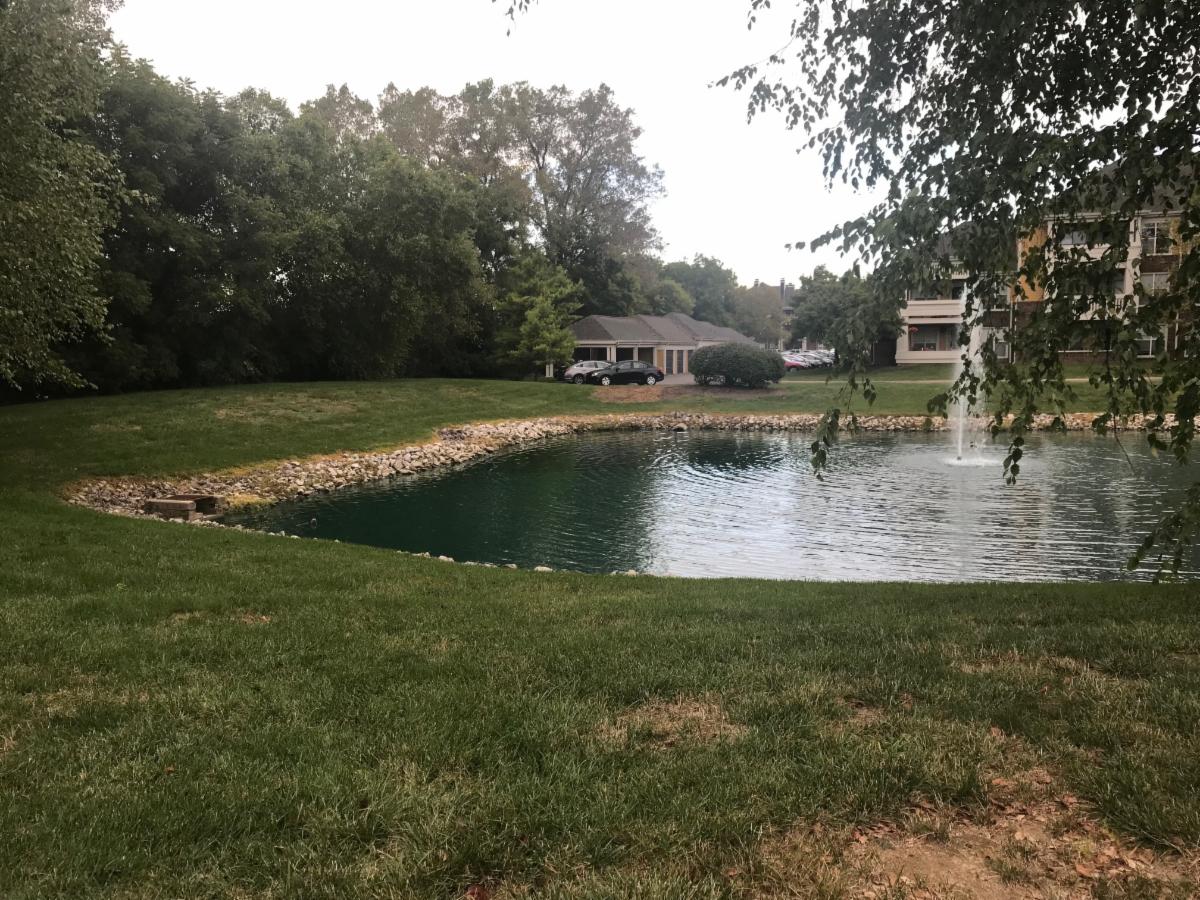
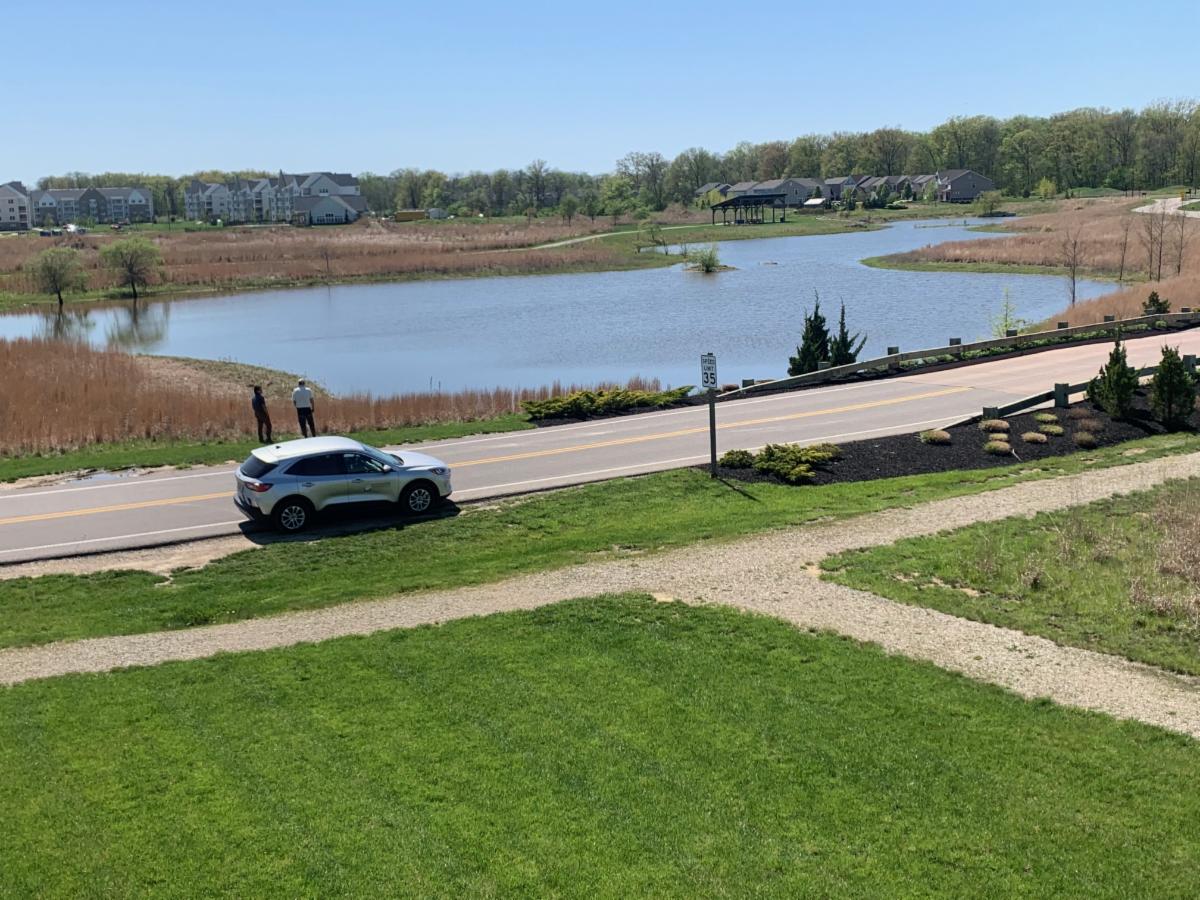
When it comes to ponds, most people are familiar with recreational ponds for fishing, boating and swimming. However, most of the ponds we see in Franklin County are stormwater ponds, which function much differently.


Stormwater ponds are designed and constructed to store and/or treat the stormwater that runs off of our developed landscapes (including roadways, roofs, and lawns). This helps prevent downstream flooding and keeps pollutants from ending up in our lakes, streams, and other water bodies. It's important that stormwater ponds should be inspected and maintained regularly to ensure they function as designed. Common things to look for include bank erosion, invasive plants, and clogged structures or pipes.


Protecting your pond

Streets, sidewalks, driveways, and other hard surfaces produce runoff to the stormwater pond and affect the maintenance needs of the pond. Simple practices residents and landowners can do to help are:

  • Lawn Care- keeping grass clippings and leaves out of storm drains and minimizing dead vegetation that goes into the pond
  • Automobile Maintenance- Cars and mowers with leaks and spills are typically washed into stormwater ponds affecting water quality
  • Litter/Trash- by picking up litter and trash, landowners can reduce the amount of material washed and/or blown into the pond.
  • Create a buffer- Plant native plants along the banks of the pond to prevent erosion, provide habitat and deter Canada Geese.


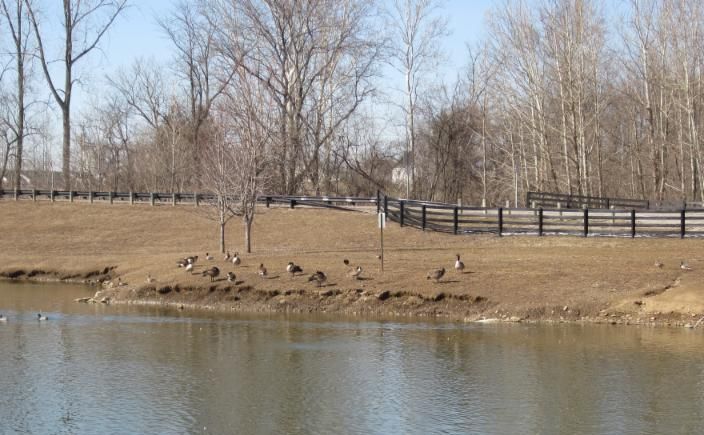
Bare pond banks can create erosion and optimal habitat for Canada Geese.

Canada Geese in Stormwater Ponds

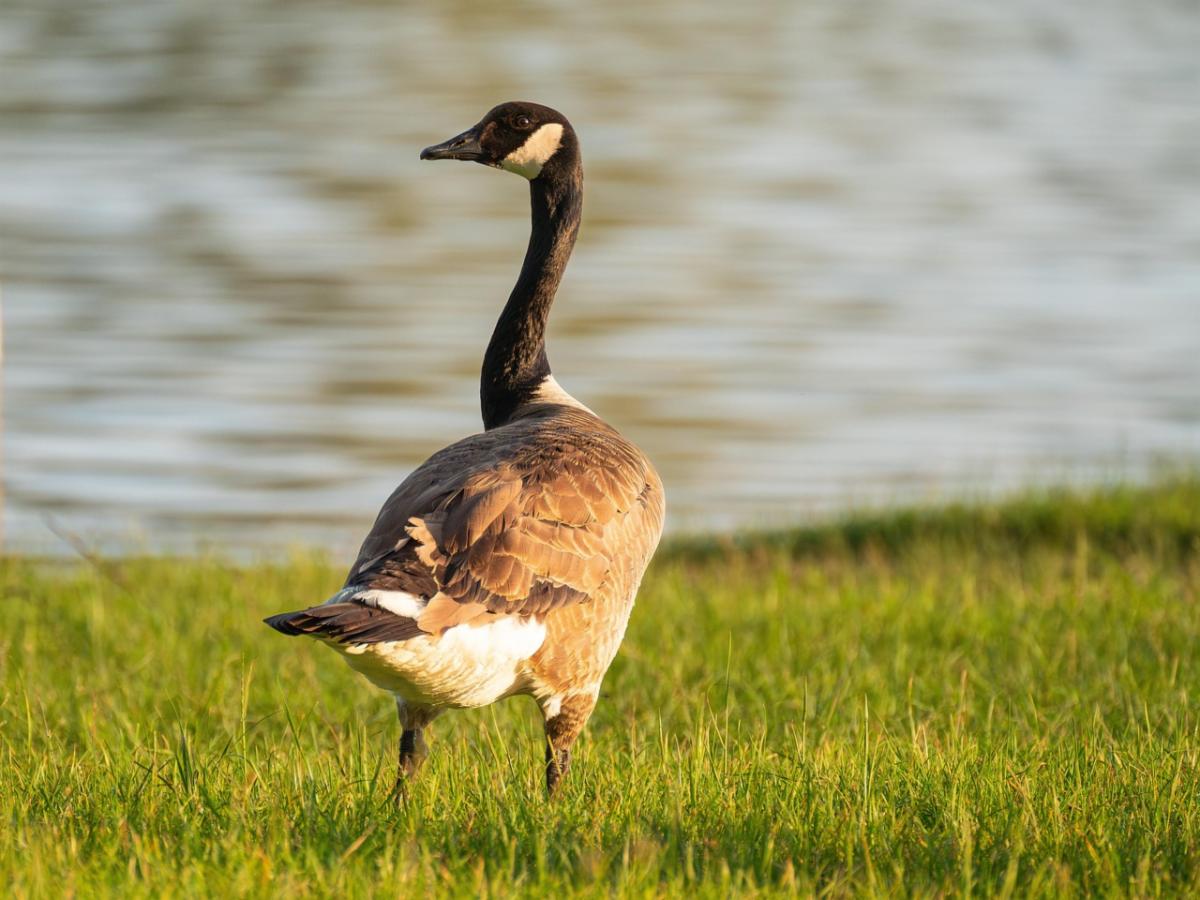
If you live near a stormwater pond you may have met some feathered families that often call these ponds home: Canada Geese.


While they are abundant now, Canada Geese had disappeared from Ohio in the late 1800's due to overhunting and habitat destruction. In the 1950's 10 Canada Geese were re-introduced to three wetland areas by the Ohio Division of Wildlife. The reintroduced geese were an adaptable type that does not migrate long distances and prefers to nest in shorter grasses bordering wetlands or ponds. The successful re-introduction was followed by regulations requiring developments to install stormwater ponds to protect waterways, and Canada Geese and stormwater ponds have been inseparable ever since!


While Canada Geese can be aggressive during certain times of year, their loud honks and fearless posturing stem from their strong family bonds. Canada Geese will mate for life and are devoted parents. They will readily adopt young orphan geese, which is an uncommon trait among birds.

Tips for Co-existing with Canada Geese

Remove food sources. Hand feeding geese, or leaving out pet food or food scraps within their reach is a surefire way to keep geese hanging around. Human foods like bread can also lead to health problems for geese leaving them unable to fly.


Plant a buffer of native plants. If you are a native plant lover who does not love Canada Geese, you're in luck. Geese like to have open lines of sight between land and water where they nest, so a buffer of native plants at least 2 feet tall and 10 feet wide will both deter the geese and protect the pond from erosion!


Utilize hazing services. Hazing geese is a non-lethal method of goose control that typically utilizes a dog to scare geese out of an area.


Beyond the pond: Wetlands Control Stormwater Too

Stormwater ponds perform many of the same functions as a wetland, though they are usually deeper and must handle more pollution than a natural wetland does.


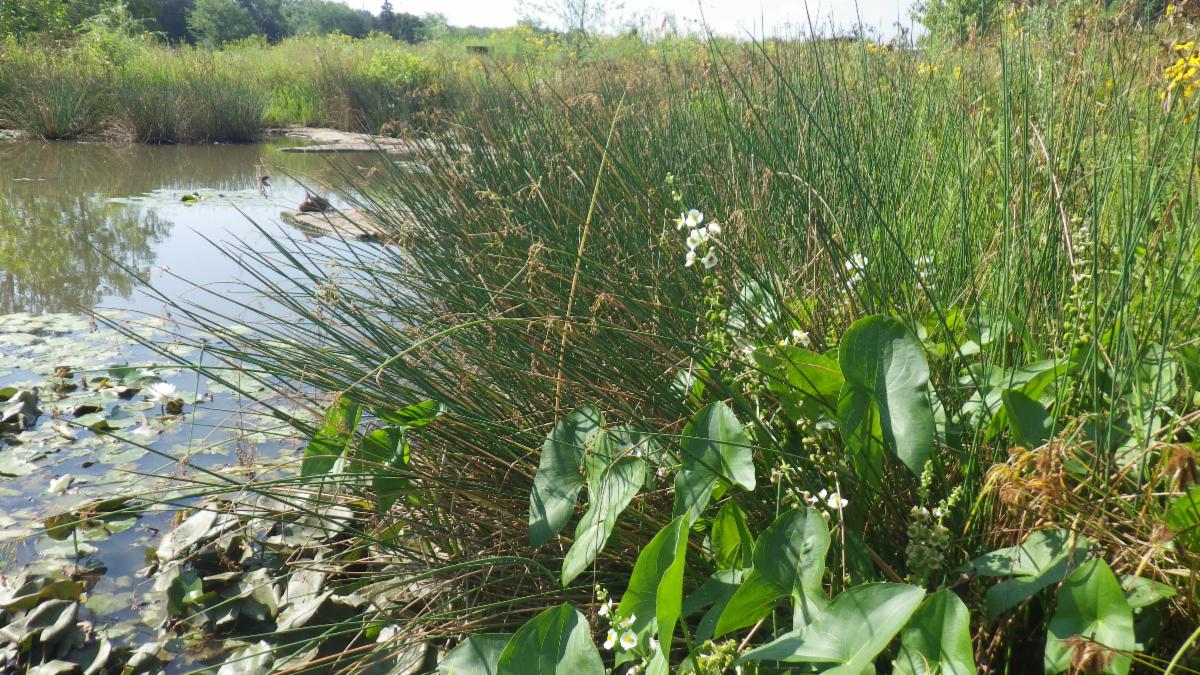
That hasn't stopped land managers and designers from creating wetlands that can slow down and filter urban stormwater while providing the native plants wetland animals need to thrive.


Highlands Park wetland in Westerville (top left) contains many native plants in addition to a boardwalk and water access that allow the designers- MAD Scientist Associates LLC- to host Frog Friday events that connect the local community with this urban wetland.


The stormwater ponds at Heritage Preserve housing development in Hilliard (below) are lined with a large buffer of native tallgrass. The grass deters Canada Geese while still providing habitat for songbirds and migratory waterfowl.

lonnie fall leaf

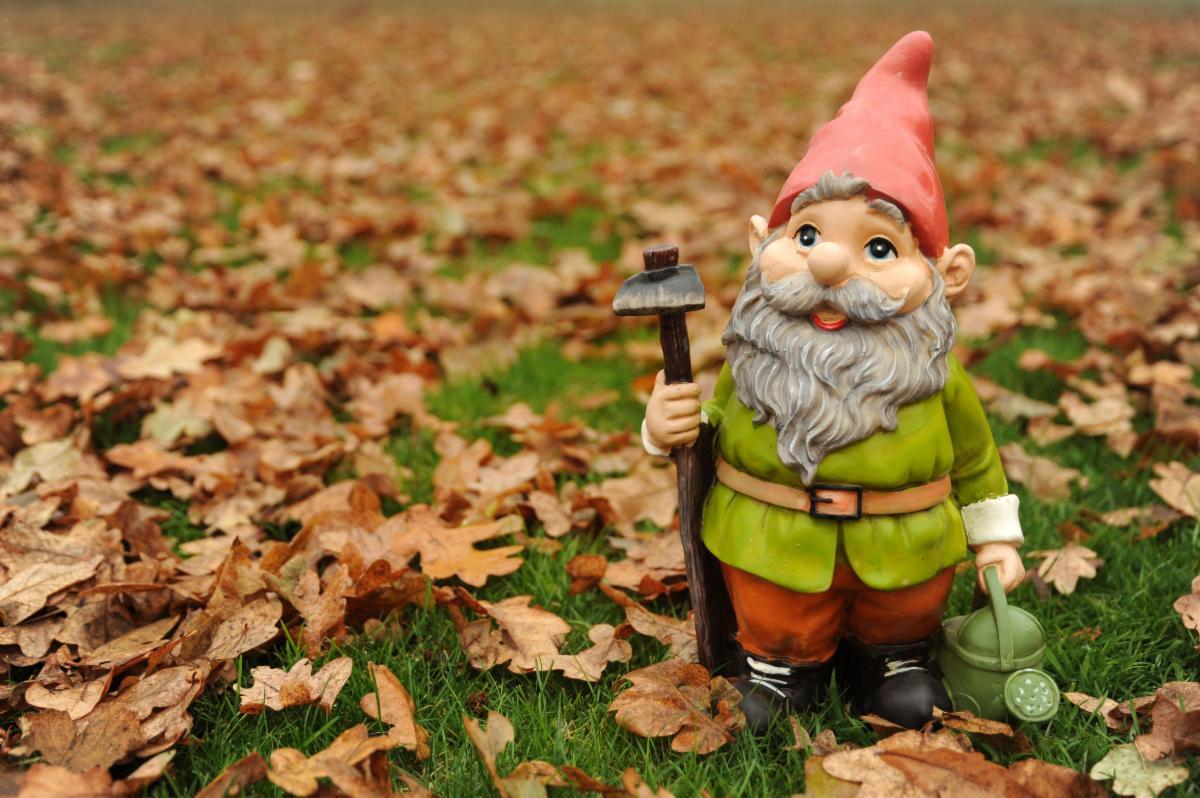
November Yardening Tips from Lonnie the Garden Gnome


  • Leave plants standing: You may not see them, but many insects spend the winter tucked away in the stems and leaves of plants. Certain species of plants may also be holding onto seeds that birds will enjoy in the winter months. Save cleanup until later in spring (when nighttime temperatures are staying above 50 degrees) to provide the most habitat for wildlife!


  • Put hoses and barrels away: When water freezes it expands so any hoses and rain barrels should be disconnected and stored somewhere dry so they don't crack or burst.

Question of the Month

Does your neighborhood have a stormwater pond?

Get the Scoop from Nature Scoop


Want to learn more about backyard conservation, pollinators, and more? Read the latest edition of the monthly newsletter Nature Scoop by Toni Stahl, National Wildlife Federation Habitat Ambassador.


Pruning Native Trees. Butterfly Questions. Leave the Leaves. Native Plants & Tips for Our Yards: https://mailchi.mp/4372fe192996/nature-scoop-nov-2025


Learn more at www.nwf.org/certify and at www.backyardhabitat.info

Kori Sedmak

Public Outreach Coordinator

Franklin Soil and Water Conservation District

1404 Goodale Blvd. Suite 100, Columbus, OH 43212 

p: 614-486-9613 

Franklin Soil and Water Conservation District | (614) 486-9613 | www.franklinswcd.org

Facebook  Twitter  Instagram  Linkedin  Youtube