PRESIDENTS CORNER
Alligators!
Eva Rey,
President of Central Viera Community Association
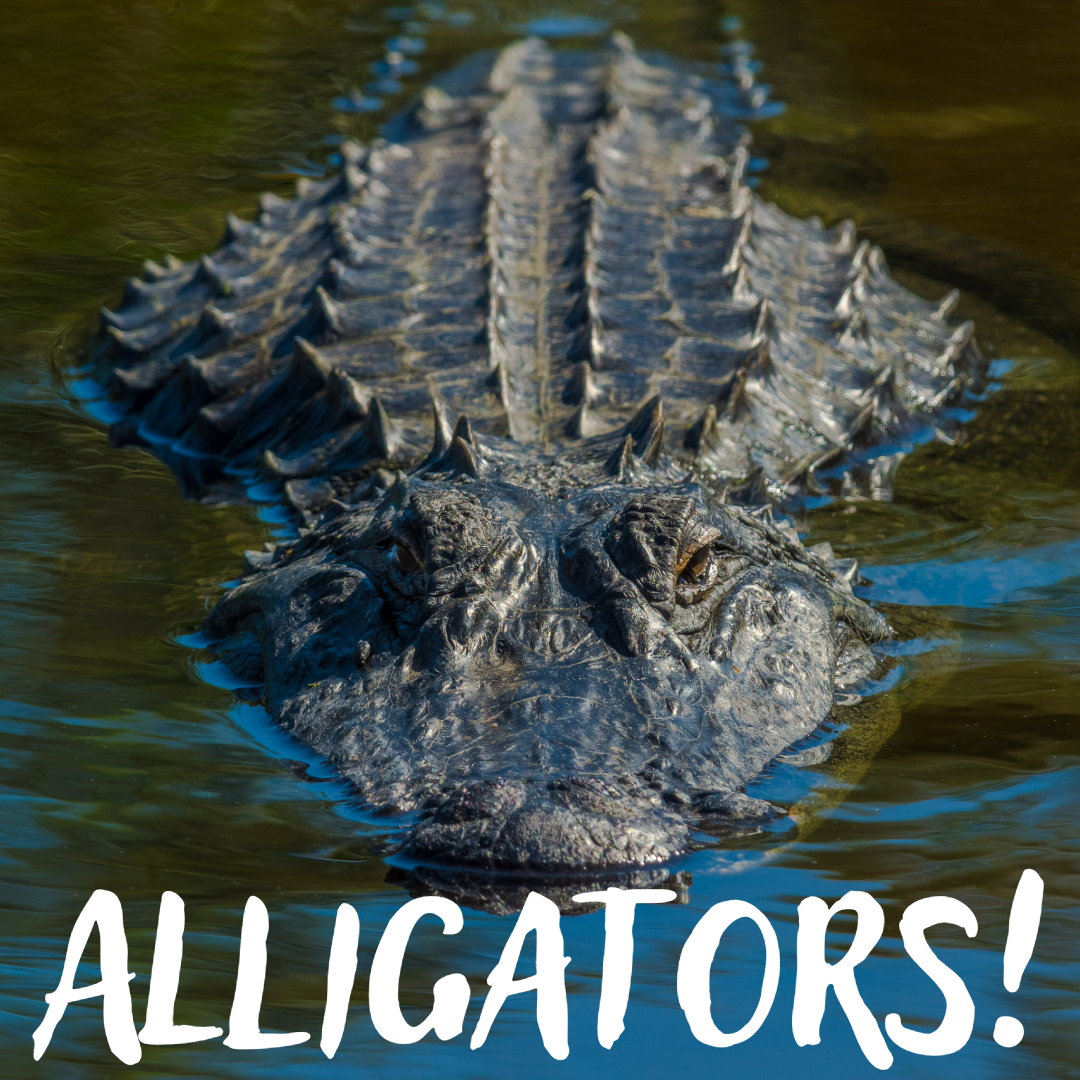
It’s that time of year again! And I get to use my favorite alligator meme – again!
I know I have written on this subject before, but we live in an environment that we share with our friends, the alligators. Spring is mating season, which means some extra precautions and knowledge of alligators is essential to living with them in harmony. They were, after all, here first and they deserve our respect. This means taking the time to get to know them and their habits a little bit better. And, not to scare anyone, but, you all know how close we are to Lake Washington, right? Well, the largest alligator caught in Florida, based on length, was a 14-foot, 3.5-inch male found in Lake Washington in 2010. So, this just illustrates how important it is to get to know our gator neighbors.
If you’ve lived in Florida long enough, you know we share our beautiful state with some pretty incredible wildlife, including the American alligator. These prehistoric reptiles aren’t just a quirky part of our ecosystem, they’re a key part of it. With an estimated 1.3 million alligators roaming every county in the state, chances are you’ll encounter one eventually. And, now that spring has sprung, temperatures are rising, and alligator mating season approaches, the Florida Fish and Wildlife Conservation Commission (FWC) advises us to be vigilant and exercise caution around bodies of water. Mating season in Florida typically begins in April and runs through early summer, with peak activity in May. As temperatures rise, male alligators become more vocal and territorial, often bellowing to attract females and warn off rivals. This increased activity means you’re more likely to spot alligators moving around, sometimes even crossing roads or appearing in unexpected places. It’s also when alligator encounters with people and pets are more likely to occur, making it especially important to stay alert near freshwater areas. During this time, keeping a safe distance and following FWC safety guidelines is key to coexisting peacefully with these ancient reptiles.
CONTINUE READING
|