Menopause has been getting some long overdue attention lately, focusing on evolving recommendations for hormone replacement therapy (HRT). Why is VBCF talking about menopause? A few good reasons: the risk for breast cancer increases after menopause; the use of HRT has long been connected with increased risk of breast cancer; and many people in treatment for breast cancer are thrust into early menopause or temporary menopause due to hormone-suppressing medications. We’ll break the menopause conversation down for you and give you some background on menopause, what led to the fear around HRT in the early 2000s, and how recommendations are evolving.

Read More
 

You may have seen the recent Washington Post article discussing how the death rate for breast cancer has dropped 58% since 1975. And that’s amazing! Back in 1975, mammograms were difficult to access and less accurate, surgery was intensely disfiguring and often involved the removal of chest muscle in addition to breast tissue, and chemotherapy was basically the only option for medical treatment. In almost 50 years, the scientific community has learned so much more about the most common invasive cancer in women. 


When we meet people out in the community who are afraid to get screened for breast cancer because they don’t want to be diagnosed, we share how much things have changed in breast cancer treatment, even in recent decades. Doctors have more information and tools to individualize treatment and are learning more about how they can use the least amount of treatment for the greatest effect on the cancer. Breast cancer now comes with a 95%+ five-year survival rate if it hasn’t spread, and we are having more and more conversations about how to improve lives for breast cancer survivors because we now have so many of them who are living decades after their initial diagnosis. 


However, there is one very important aspect that only got a footnote in the Washington Post article that we think deserves more attention: the progress made has been unequal, and the disease appears to be changing. 

 
Continue Reading
 

Advocacy Scholarships Available!


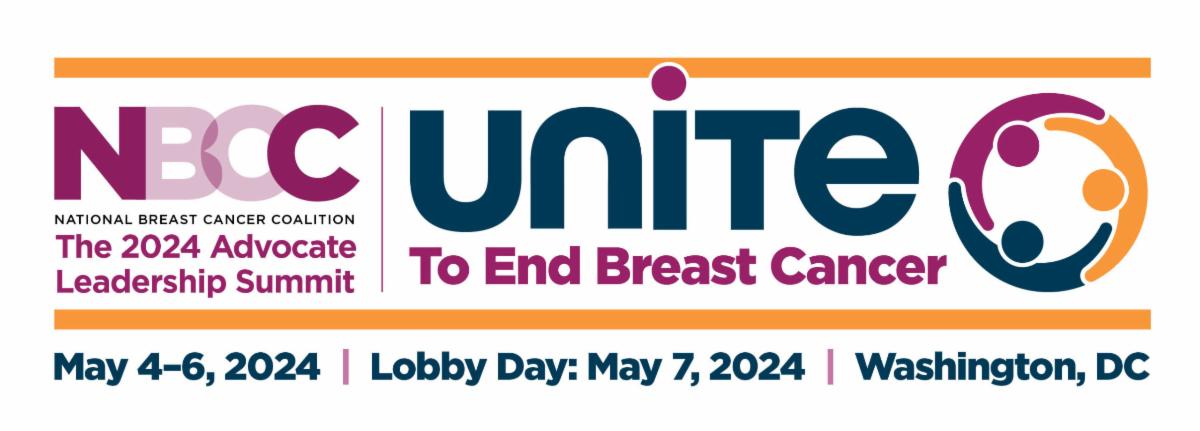
VBCF's Karin Decker Noss Scholarship funds training for volunteer advocates in legislative advocacy and medical research. 2024 Scholarship funds are available for those interested in attending the National Breast Cancer Coalition (NBCC) Advocate Leadership Summit and Lobby Day in Washington, DC. The scholarship will cover registration fees, travel, meals, and hotel costs to attend the Summit and will be awarded on a first-come, first-served basis. We hope you will consider applying for this exciting opportunity!


NBCC’s Advocate Leadership Summit is an annual gathering of breast cancer advocates from across the country. Participants attend sessions on the latest scientific research, training in effective advocacy strategies, and presentations by respected researchers in the field, grassroots leaders from around the country, and prominent public policy experts. Learn more about NBCC's Summit.


Apply for the Scholarship


If you are interested in applying for the Noss Scholarship, please contact Kirsta Millar, VBCF Policy Manager at kirsta@vbcf.org or 804-285-1200 ext. 203. All Scholarship requests must be made by April 8, 2024.


We Want to Hear from YOU!


We're on a mission to make our e-newsletter as relevant and engaging as possible for you. Please take a few moments to answer our short survey. Your feedback is invaluable to us!

Complete Survey


Quick Links


Find Help

Free Support Kits

Find a Support Group

Financial Help


Who We Are

About VBCF


Take Action

Order Educational Materials   

Request a Speaker

Volunteer

Get a Pink Ribbon License Plate

Calendar of Events

Easy Ways to Give


Join the Drive Against Breast Cancer!


www.vbcf.org

1-800-345-8223

Facebook  Twitter  Instagram  
LinkedIn Share This Email