Your generosity fuels research and provides people who have stomach cancer the information, support, and hope they need to navigate their journey. 

New Approaches to H. Pylori-Driven Gastric Cancer

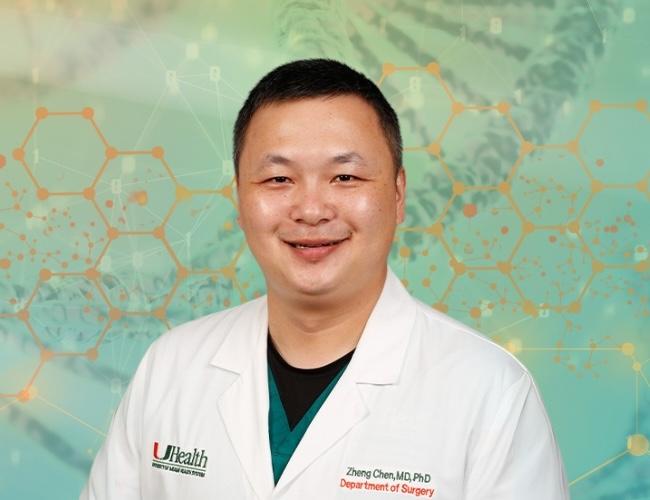
When Zheng Chen, MD, PhD, was awarded a $100,000 seed grant from the Gastric Cancer Foundation a year ago, his goal was to understand how a particular network of proteins contributes to raising the risk of the disease in people with the gut bacterial infection Helicobacter pylori (H. pylori). Thanks to our support, Chen has made significant progress in reaching that goal – and raised additional funding that he hopes to use to develop novel therapies based on his findings.


One of the priorities of the Gastric Cancer Foundation is to bridge the funding gap for researchers like Chen, who are in the early and mid-stages of their careers. Our hope is that this funding will allow researchers to gather valuable data they can use to apply for larger grants. We believe this is a crucial funding mechanism that supports the early development of novel diagnostics and treatments.

“This funding is very important for early-stage investigators like me. It builds preliminary data that we need to get bigger grants. Because of this award, we can seek out more opportunities to support this research – and to try to improve outcomes for gastric cancer patients.”


– Zheng Chen, MD, PhD

Chen, who is assistant professor of surgery at the University of Miami’s Miller School of Medicine, is focusing on the WEE1-STAT3 protein signaling axis, which is active in H. pylori-driven gastric cancer. His research centers around the hypothesis that WEE1-STAT3 promotes the growth of gastric cancer cells, in part by suppressing the ability of the immune system to fight the disease. Read the full article >>


Your experience matters. Join the registry and help make advancements in gastric cancer research.


Giving season is here, and the Gastric Cancer Foundation’s fall fundraising campaign is underway. In addition to cash contributions, there are several other options for supporting our important work on behalf of researchers, patients and caregivers. By adopting one of these strategies, you can maximize your gift and possibly reduce your tax bill at the same time. 

Donate from a donor-advised fund (DAF)

Many people have established donor advised funds at financial institutions or charitable foundations. When you set up and contribute to a DAF, you get a tax deduction, and those funds are invested so they grow over time. These funds can do a lot of good. You can direct your DAF administrator to give one-time or recurring grants to IRS-qualified charities. If you have a DAF, please consider directing a grant to the Gastric Cancer Foundation.

Contribute appreciated securities

Donating shares of stocks, bonds or mutual funds that have increased in value since you invested in them is a great way to support our work without impacting your day-to-day cash flow. And it’s tax-efficient, because you’ll be able to avoid the capital gains tax on the security you’re donating. Then you can deduct the full market value of your gift on your 2025 tax return. Contact info@gastriccancer.org to receive instructions for transferring stock to the Gastric Cancer Foundation.

Send a distribution from your IRA

If you are over the age of 70.5, you can make gifts to qualified charities as tax-free distributions – and up to $108,000 per year can count towards your required minimum distribution (RMD). Because it’s going straight to charity, it will not count as taxable income, and you can take a deduction that will lower your adjusted gross income. You can make IRA-qualified distributions from traditional IRAs, as well as from inactive Simplified Employee Pension (SEP) plans or Saving Incentive Match Plan for Employees (SIMPLE) IRAs.

Everyone’s financial and tax situation is unique. Be sure to consult with your own advisor to determine the best charitable giving approach for you.  


For information on additional ways to support the Gastric Cancer Foundation, visit our website. Your generosity is powering our progress to defeat gastric cancer!


Feed Your Recovery: Balancing Calories to Fuel Your Body


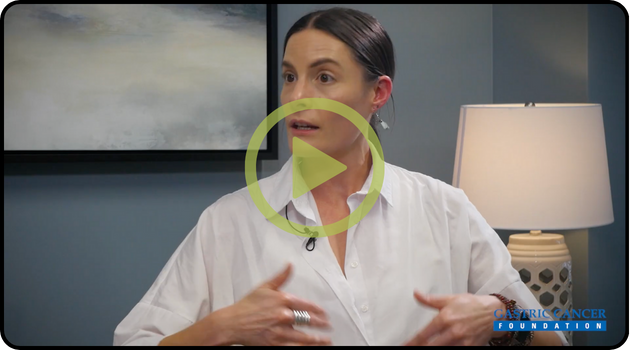
Chef Hans Rueffert and Alison DeVries, a clinical oncology dietitian at Northside Hospital in Atlanta, GA, discuss post-surgery eating and how to fuel your body for recovery. They explore nutritional needs and strategies to manage digestion speed - highlighting why taking things slow is key to healing.


Quick Links to Resources


Special Thanks to Our
National Sustaining Sponsors
 
Facebook  Twitter  Linkedin  Youtube  
Spread the word. Share the Gastric Cancer Foundation Newsletter.
X Share This Email
LinkedIn Share This Email