|
When children need to follow multistep directions and remember information long enough to complete tasks, they are using a form of cognitive processing called working memory. This function helps store short term information. According to an article by Jocelyn Greene in Edutopia, there is a strong connection between working memory and success in subjects such as math and reading comprehension.
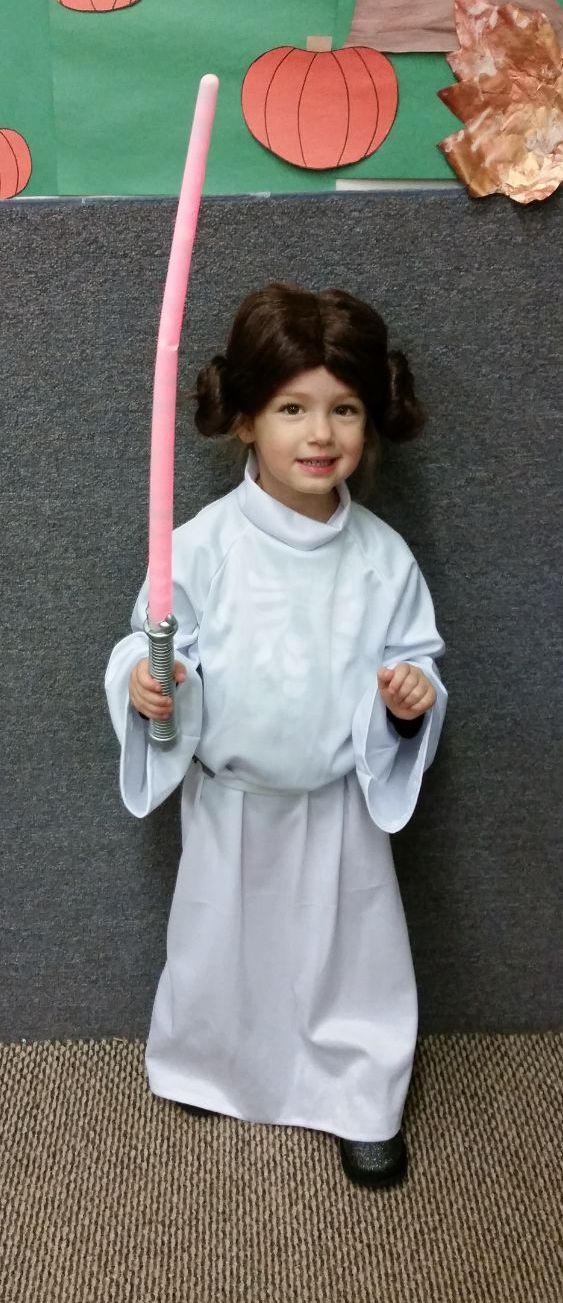
Working memory can grow and improve through theatre games and play. “Making believe can have a most profound impact on young minds,” says Greene, a theatre educator. “When children pretend to be someone else, these skills actually improve.” Greene describes theatre games that enhance children’s attention regulation and working memory, and suggests adding these “social emotional learning boosts” to morning routines or tying them into a curriculum.
1. Movement Story and Sound Story. Brainstorm simple stories with children, and anytime a character or event is introduced, have them act it out with easy gestures. Once there are five gestures, children should reenact the story with the gestures (and without any words). Eventually, children should be able to do it with longer stories, which will increase their ability to retain information.
2. Taxi. Children imagine they are someone with an important place to visit, and a taxi will take them there. The educator might begin as the driver and children will line up to hail rides. As they get “in the cab,” they will reveal where they are going; the driver can ask questions and elaborate on the character development. Children are “practicing working memory as they follow the established formula of the game and as they hold on to their character throughout their time in the taxi.”
3. Four Corner Emotion. Label each corner of the classroom with an emotion, such as “anger” or “joy.” When you call out an emotion, children should run to the corner and say a predetermined phrase, such as “I feel joy,” while expressing that emotion through performance and body language. Call out all four emotions until each of the children has visited each corner. This game helps with emotional literacy and vocabulary. Additionally, it demonstrates the many different ways children’s peers may express their emotions.
4. Landmarks. Have children help brainstorm a list of locations. These might relate to a book you are reading or geography terms that have been introduced. Children should decide on poses that might symbolize these places. For example, the Brooklyn Bridge might require children to find partners and raise their arms together to look like a bridge. The Bronx Zoo might require children to get on their hands and knees to act like four-legged animals. Call out locations and children will act out the gestures that were assigned to the places. You might even play music in the background and add a freeze dance game element to it.
Click here to read more about building working memory through theatre games.
|