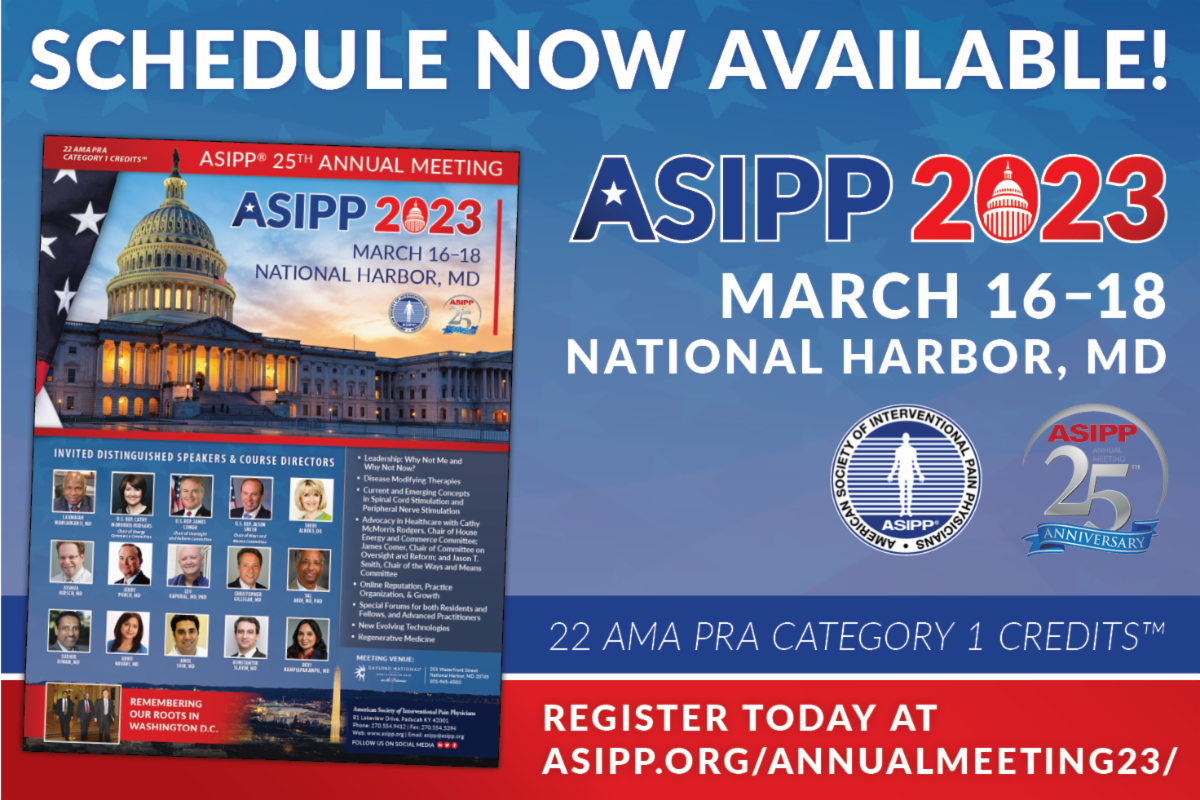
Remembering our roots and revisiting why ASIPP has been The Voice of Pain Management since 1998. |
|
The important aspects of Omnibus include proposed pay cuts of 2% in 2023 for physicians, a reduction from 4.5%, and in 2024, the cuts will increase to 3.5%.
The Wall Street Journal described this as the ugliest Omnibus bill ever with a 4,155-page bill that most members will never read. This bill includes multiple provisions affecting healthcare providers:
1. Reduce the physician fee schedule cut from 4.5% to 2% for 2023 and 3.5% for 2024
2. Prevents the 4% statutory pay as you go sequester for 2 years
3. Provides extension of telehealth services for 2 years
4. The worst news is that:
- There is no mention of a 2% sequester cut from ACA. Consequently, the 2% sequester cut will continue. Obviously, this will result in a 4% cut for the physician fee schedule from 2022 (2% new cut + 2% sequester cut = 4%).
- For facilities, a sequester cut of 2% will be implemented through 2023.
There are also multiple changes to the Medicaid policy, which will remove ineligible of their Medicaid roles in April, regardless of when the COVID-19 public health emergency ends.
As you well know, the American Society of Interventional Pain Physicians (ASIPP) advanced advocacy to prevent all cuts permanently. Obviously, we are extremely disappointed, along with almost all physician organizations. ASIPP will soon be providing you with appropriate activities for upcoming months and years as the new Congress steps in to remove these cuts permanently.
The new fee schedule, based on 2% and 4% cuts for 2023 for physicians and a 2% cut for facilities, is available at asipp.org. Sample schedules are as follows:
|
|
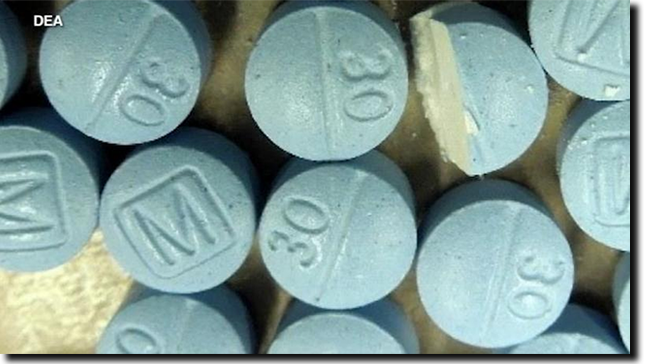
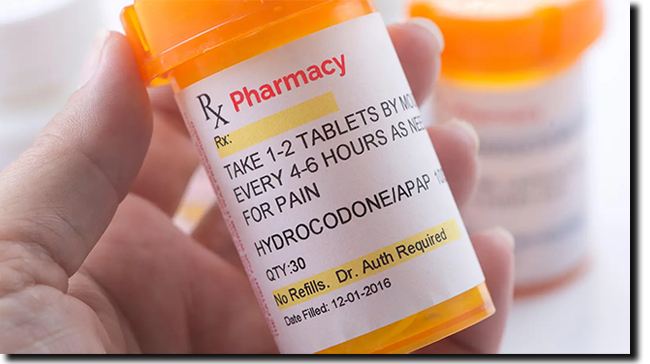
The CDC estimates more than 107,000 people died of a drug overdose in the 12-month period ending August 2022. That's nearly 3,000 fewer deaths than the record number recorded in the 12-month period ending March 2022.
However, it's still more than 50% higher than it was three years before that.
Synthetic opioids, such as fentanyl, continue to be involved in more than two-thirds of overdose deaths, which may involve multiple drugs at the same time.
|
|
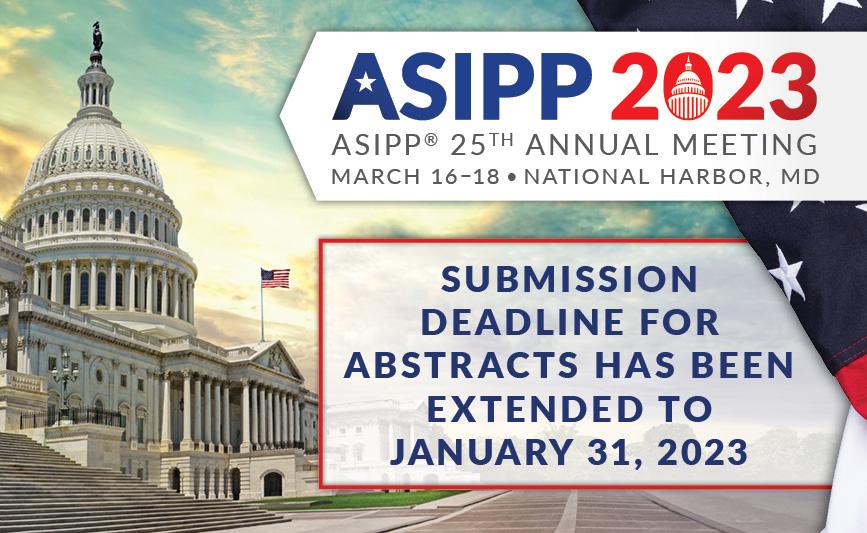
Submit your abstracts by January 31, 2023
Questions should be directed to Savannah Gold at
|
|
Commission members approve two draft recommendations to boost Medicare physician reimbursement
Members of the Medicare Payment Advisory Commission (MedPAC) on Thursday approved two draft recommendations for Congress aimed at increasing payments under the Medicare Physician Fee Schedule.
"I'm very supportive of this work," said Cheryl Damberg, PhD, commission member and director of the RAND Center of Excellence on Health System Performance. "I do think that this Medicare safety-net payment add-on will be critically important, especially in promoting greater access for low-income populations."
Damberg was responding to two draft recommendations presented by MedPAC staff members for inclusion in the commission's upcoming March report to Congress. The first recommendation would update the 2023 Medicare base payment rate for physician and other health professional services by 50% of the projected increase in the Medicare Economic Index (MEI).
|
|
Resident/Fellow News and Updates |
|
A limited number of qualifying residents/fellows will receive a travel scholarship to attend the ASIPP 25th Annual Meeting, March 16-18, 2023 at the Gaylord National Harbor, MD.
Recipients of this scholarship will receive reimbursement for up to three nights' stay at the host hotel at the official ASIPP single-occupancy room block rate. This includes room, tax, and resort fees.
Qualification Requirements:
• Residents and Fellows must register for the meeting to be eligible for reimbursement (The meeting fee is only $25 for Residents and Fellows) Click here to register for the meeting.
• Residents and Fellows must be active participants in their fellowship or residency programs during the meeting dates.
• Residents and Fellows must be active ASIPP members.
• A letter of recommendation from the (non-industry) residency or fellowship program director must include:
- Proof that the resident or fellow is an active participant in the program during the meeting dates.
- A statement verifying that no other travel scholarships for the ASIPP 2023 Annual Meeting have been or will be awarded.
• Must be willing to share your email with sponsoring company of the scholarship program.
|
|
|
|
Limited number of scholarships available.
|
|
|
Physicians and other clinicians could more easily exit contracts and change jobs under the Federal Trade Commission's new proposed rule that would block companies from limiting employees' ability to work for a rival.
The proposed rule seeks to ban companies from enforcing noncompete clauses in employment contracts, a practice that represents an "unfair method of competition" with "exploitative and widespread" impacts, including suppression of wages, innovation, and entrepreneurial spirit, said the FTC. The public has 60 days to submit comments on the proposal before the FTC issues the final rule.
Employers often include noncompete clauses in physician contracts because they want to avoid having patients leave their healthcare system and follow a doctor to a competitor. A 2018 survey of primary care physicians found that about half of office-based physicians and 37% of physicians employed at hospitals or freestanding care centers were bound by restrictive covenants.
|
|
Significant decreases in prescription days, doses, refill requests, with few patient complaints
A restrictive postoperative opioid prescribing policy for patients with cancer led to a 50% reduction in opioid prescription days and an even larger decrease in the rate of conversion to chronic opioid use, a prospective cohort study showed.
Mean opioid prescription days decreased from 3.9 days before policy implementation to 1.9 days in the first 6 months afterward, accompanied by a 45% decrease in prescribed opioids after surgery. Patient requests for new opioid prescriptions also declined significantly.
Conversion to chronic opioid use occurred in 11.3% of patients prior to the policy versus 4.5% afterward, reported Emese Zsiros, MD, PhD, of Roswell Park Comprehensive Cancer Center in Buffalo, New York, and co-authors in JAMA Oncology
|
|
Head of Maine CDC will become deputy director; insider becomes chief medical officer
In some of its first major leadership moves since announcing its intention to modernize, the CDC has hired a new deputy director and appointed a chief medical officer, according to an internal email shared with MedPage Today.
Nirav Shah, MD, JD, the current director of the Maine CDC, will become the CDC principal deputy director in March, he announced on the state agency's YouTube channel late last week.
Debra Houry, MD, MPH, will become CDC chief medical officer and deputy director for program and science, she said in an email to colleagues that was shared with MedPage Today. Houry has been serving as CDC acting principal deputy director since July 2021, and will continue in that role until Shah arrives in March, she said in her email.
|
|
- ASIPP Members Only Site Information - |
|
-
To log in for the first time you will need to click “forgot password” at the bottom of the login window.
- Check your email and then log in as directed.
-
If you have problems logging into your account, click here.
|
|
Disrupting the illegal drug supply chain also high on the list, says ONDCP director Rahul Gupta
Improving access to addiction treatment and disrupting the supply of illicit drugs will be the big goals this year for the Office of National Drug Control Policy (ONDCP), according to its director, Rahul Gupta, MD, MPH.
One big order of business will be to fully implement the Mainstreaming Addiction Treatment (MAT) Act, which was included in the omnibus spending bill passed in December, Gupta said Thursday during a phone interview at which a press person was present. The MAT Act gets rid of the requirement that physicians and other clinicians get an "X waiver" before being able to prescribe buprenorphine to patients with opioid use disorder.
"That includes making sure that physicians and providers are aware" that the X waiver is gone, Gupta said, adding that he also wants to ensure that pharmacies are stocking the drug and that manufacturers continue to manufacture it. "There are millions of people that need treatment, but less than 1 in 10 are getting it."
|
|
Pain Medicine Case Reports (PMCR) and Editor-in-Chief Alaa Abd-Elsayed, MD, PhD would like to invite you to submit case reports and case series to the PMCR journal. Your article will be published free of charge.
Open access journals are freely available online for immediate worldwide open access to the full text of published articles. There is no subscription fee for open access journals. Open access journals are no different from traditional subscription-based journals: they undergo the same peer-review and quality control as any other scholarly journal.
Interested in becoming a member of the PMCR Editorial Board?
Editorial board members are asked to review 2-6 manuscripts per year. Please submit your most up-to-date CV to sgold@asipp.org for consideration.
For more information or to submit your articles, click here.
|
|
| CASE REPORT |
Esra Ertilav, MD, and Devran Ertilav, MD
Abstract
Background: Complex regional pain syndrome (CRPS)-like symptoms are rarely observed after herpes zoster (HZ) infection. Especially in the presence of a rash spreading to the distal extremity, CRPS-like symptoms are more common.
Case Report: In this report, we present a 67-year-old patient who developed CRPS-like symptoms along with persistent severe pain after HZ infection, whose symptoms resolved after sympathetic ganglion blockade.
Conclusions: CRPS-like symptoms are rarely to occur after HZ infection, especially in patients with HZ infection affecting the distal extremity. In these cases, early interventional procedures may be effective in resolving clinical symptoms, may affect prognosis, and may help prevent persistent pain.
Key words: Complex regional pain syndrome, herpes zoster, varicella zoster, postherpetic neuralgia
|
|
| SYSTEMATIC REVIEW |
Jung Hwan Lee, MD, PhD, Younjoo Lee, Hahck Soo Park, MD, PhD, and Jun Ho Lee, MD, PhD
Abstract
BACKGROUND: Cervical epidural steroid injection (ESI) has been used to alleviate axial or radicular pain incurred from various cervical pathologies, including herniated intervertebral disc (HIVD) and spinal stenosis (SS). However, the superiority of the transforaminal ESI (TFESI) method over the interlaminar ESI (ILESI) in terms of clinical effectiveness for the radicular pain is still controversial.
OBJECTIVES: This study has compared TFESI and ILESI in terms of clinical effectiveness, such as pain control and functional improvement, as well as the incidence of adverse events in patients with radicular pain secondary to cervical HIVD or SS.
STUDY DESIGN: A systematic review and meta-analysis.
SETTING: Primary clinic and tertiary referral center.
METHODS: A literature search was performed using Medline (PubMed), Embase, Cochrane Review, and KoreaMed databases from the studies published until March 2022. After reviewing titles, abstracts, and full texts of 371 studies during the initial database search, 6 studies were included in a qualitative and quantitative synthesis. Data, including pain score, functional score, and adverse events were extracted from 6 studies and were analyzed using a random-effects model to obtain effect size and its statistical significance. Quality assessment and evidence level were established in accordance with the Grading of Recommendations Assessment, Development and Evaluation methodology.
RESULTS: Among 6 studies, including 4 randomized controlled trials (RCTs), only 1 RCT showed that TFESI achieved a significant lower Numeric Rating Scale (NRS-11) at 1 month than ILESI, but no advantage in the NRS-11 at 3 months and the Neck Disability Index at 1 month and 3 months, respectively. Another RCT indicated that ILESI achieved significantly more neck NRS-11 reduction at 1 month and 3 months than TFESI. The other 4 studies revealed no significant difference between the 2 groups. A meta-analysis showed no significance in clinical outcomes, except that ultrasound-guided TFESI featured less intravascular leakage of contrast than ILESI. The level of evidence was low because of inconsistency and imprecision.
LIMITATIONS: The feasible clinical heterogeneity from the relatively small number of patients included as well as differences in methodology across the studies.
CONCLUSIONS: Comprehensive reviews of selected articles revealed TFESI could not be recommended over ILESI for the sake of a preferential cervical radiculopathy control due to the weak evidential strength.
KEY WORDS: Cervical vertebrae, epidural steroid injection, transforaminal, interlaminar, systematic review, meta-analysis
|
|
| RANDOMIZED CONTROL TRIAL |
Kai Wei, MMed, Yanzhi Bi, PhD, Huihong Xu, MMed, Ling Shen, MMed, Yantao Liu, MMed, Qianbo Chen, MMed, Xuerong Miao, MD, Cheng Wu, PhD, Li Hu, PhD, and Zhi-jie Lu, MD
Abstract
BACKGROUND: Smoking behavior alters the analgesic threshold, which challenges postoperative pain management for patients who smoke.
OBJECTIVES: We aimed to assess the analgesic efficacy of tramadol versus sufentanil in relieving postoperative pain for patients who do and do not smoke who underwent a partial hepatectomy.
STUDY DESIGN: Double-blinded randomized controlled trial.
SETTING: Eastern Hepatobiliary Surgery Hospital, Shanghai, China.
METHODS: All patients in this study were men. A total of 66 patients who smoke were randomly assigned to receive tramadol or sufentanil (n = 33 each). In addition, a total of 66 patients who do not smoke were randomly assigned to receive tramadol or sufentanil (n = 33 each). The primary outcome was the consumption of additional analgesics within the first 48 hours to control postoperative pain. Secondary outcomes included the postoperative pain level, the frequency of postoperative nausea and vomiting, the sedation score, and the frequency of fever within 48 hours postsurgery.
RESULTS: A significant interaction between “analgesic strategy” and “smoking history” was detected on the consumption of additional analgesics. In those who smoke, the requests for additional doses of analgesics were significantly less in those receiving tramadol than those receiving sufentanil; such a difference was not observed in those who do not smoke. The postoperative pain level was not significantly different between the tramadol group and the sufentanil group within patients who smoke within 48 hours postsurgery. The incidence of treatment-related adverse events was not significantly different between the tramadol group and the sufentanil group within both those who do and do not smoke.
LIMITATIONS: Only men patients were included. Also, the superior analgesic effect and the incidence of adverse events of tramadol in patients who smoke were only assessed within the first 48 hours postsurgery.
CONCLUSIONS: Our data suggest that tramadol has a better analgesic effect than sufentanil in relieving postoperative pain in patients who smoke.
KEY WORDS: Men patients who smoke, tramadol, sufentanil, postoperative pain management, analgesic efficacy, RCT, analgesic consumption, partial hepatectomy
|
|
ASIPP is now in collaboration with Curi Medical Liability Program
Since this malpractice insurance program officially launched in November 2018, ASIPP has signed up hundreds of providers with an average savings of 30%. This is professional liability insurance tailored to our specialty and will stand up for us and defend our practices.
Curi is a full-service advisory firm that serves physicians and their practices. Their valued advice is grounded in your priorities and elevated in your outcomes. They are driven by a deep understanding of your specific circumstances in medicine, business, and life. To read a few important points to keep in mind about the program, including discounts, administrative defense, cyber coverage, aggressive claims handling, and complimentary risk management CME activities, visit our website.
|
|
ASIPP® has formed a partnership with Henry Schein and PedsPal, a national GPO that has a successful history of negotiating better prices on medical supplies and creating value-added services for independent physicians. Working with MedAssets, PedsPal provides excellent pricing on products like contrast media that alleviate some of the financial pressures you experience today.
|
|
ASIPP® is now offering our members the benefit of a unique revenue cycle management/ billing service.
We have received a tremendous amount of interest in the ASIPP® billing and coding program.
Click here to learn more about the negotiated rate for practices and more!
|
|
|
up-to-date news related to you, your practice, and your patients!
|
|
|
|
|
|
|