Instagram  YouTube

Exercise of the Month

Fracture Care & Exercises


The spectrum of fractures and stabilizations is wide. From a rehabilitation perspective, improving pain to promote early weight bearing , preventing function limiting soft tissue restrictions, and eventually returning strength are all common goals.


In my experience, the most challenging fractures to rehab are traumatic pelvic fracture +/- femur fracture with a neurological component. These are common cases at CSU. Based on my experience, I developed very simple pelvic fracture templates. Just as with all templates, please modify to best meet the needs of your patients. And remember, there are also neuro exercises and templates to address common co-morbidity clinical challenges like sciatic nerve deficit and spinal cord deficit.


Here's to the fracture pups with a low probably of walking who get to run and play again. Go doggies!


Onward!

Sasha

TEMPLATES

Template Keyword: fracture

ORTHO Humeral Fracture Level 1 (Acute)

ORTHO Humeral Fracture Level 2 (Subacute) ORTHO Humeral Fracture Level 3 (Chronic) ORTHO Elbow Condylar Fracture Level 1 (Acute) ORTHO Elbow Condylar Fracture Level 2 (Sub)

ORTHO Elbow Condylar Fracture Level 3 (Chronic) ORTHO Femur Fracture Distal 1 (Acute) 

ORTHO Femur Fracture Distal 2 (Subacute) 

ORTHO Femur Fracture Distal 3 (Chronic) 

ORTHO Pelvic Fracture Level I (Acute) 

ORTHO Pelvic Fracture Level 2 (Subacute)

ORTHO Pelvic Fracture Level 3 (Chronic)

ORTHO Femur Fracture Proximal 1 (Acute)

ORTHO Femur Fracture Proximal 2 (Subacute)

ORTHO Femur Fracture Proximal 3 (Chronic) ORTHO Tibia/Fibula Fracture Level 1 (Acute) ORTHO Tibia/Fibula Fracture Level 2 (Subacute) ORTHO Tibia/Fibula Fracture Level 3 (Chronic)

ORTHO Metatarsal Fracture Level 1 (Acute) ORTHO Metatarsal Fracture Level 2 (Subacute) ORTHO Metatarsal Fracture Level 3 (Chronic)

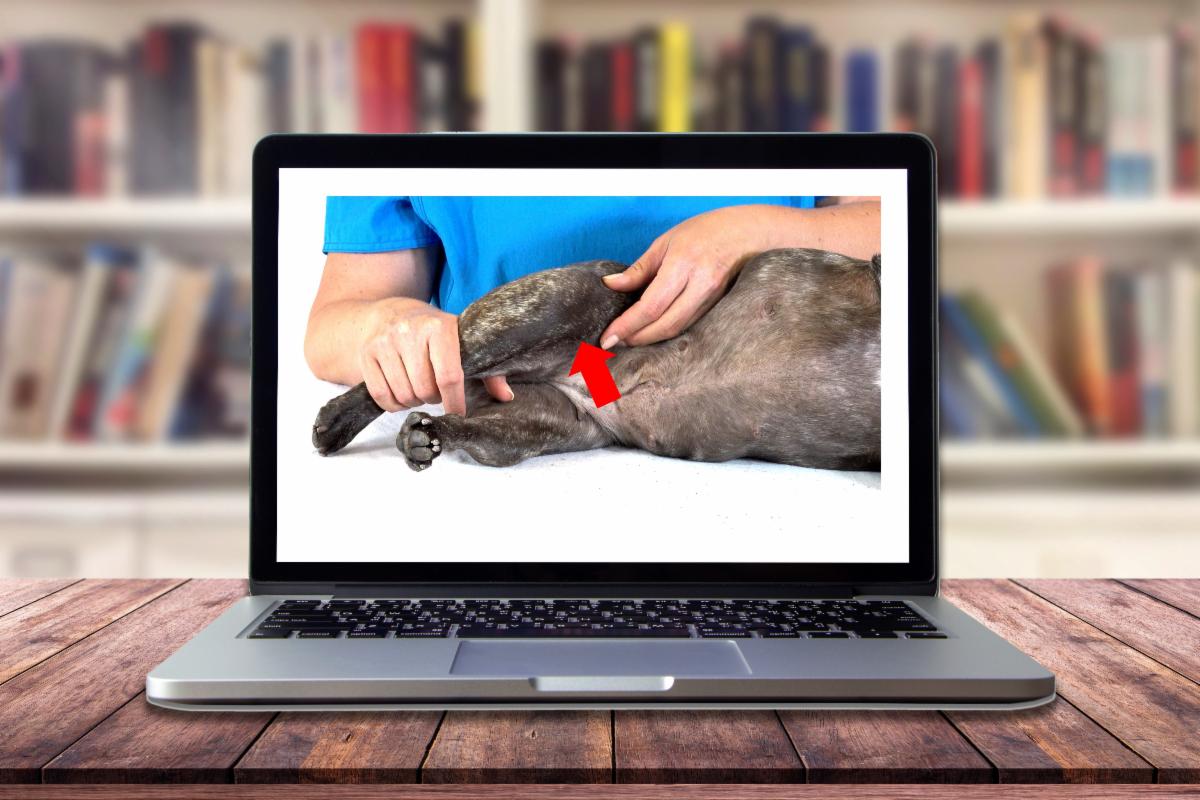
Preventing Contractures in Distal Femur Fractures


Distal femur fracture callouses can lead to quadriceps contrature. Rehabilitation can try to prevent this debilitating condition. Early interventions and high home plan compliance is key to preventing contractures.


If you are able to see these patients post operatively, decreasing pain and soft tissue edema helps with early initiation of the contracture prevention treatments - PROM and quadriceps/sartorius flexibility. The earlier these interventions are started, the better. If a contracture starts to develop, very robust interventions are needed. Along with standard rehabilitation modalities and manual therapies, treatment may also include external co-aptation to hold the stifle in a flexed position. As with any external device, this increases the risk of skin issues and in my experience, can be uncomfortable for the pet.


Since starting early intervention (we start before the pet is extubated), we haven't seen any quadriceps contractures in our fracture puppies. In my experience, there are two important components: starting treatments as soon as possible and ensuring the clients are comfortable with the home program so compliance is high.


Bardet, J. F. "Quadriceps contracture and fracture disease." Veterinary Clinics of North America: Small Animal Practice 17.4 (1987): 957-973.


Millis, Darryl. "Quadriceps contracture." Complications in small animal surgery (2016): 692-696.

Exercise Request

Don't see something you need? Send a request!

Newsletter Archive

These newsletters are archived on the website. If there is a specific topic you would like to see in the newsletter, please request it on the archive page.

Start a Free Trial

If you haven't already, start your free trial at any time!

Start Your Free Trial Today!