As the world approaches year three of the Pandemic, there is a universal acknowledgment of a feeling of weariness in the face of a virus that has made global economies suffer, families splinter under the pressures of too many lockdowns and emotions fray at the constant state of uncertainty. Indeed, one of the greatest concerns to come out of COVID-19 is the awareness of the severe impact that this disorder has had on the mental health of our youth. This month's newsletter article reviews the specific traumas that our children and teens are experiencing as well as successful coping strategies to help give hope and build resiliency.
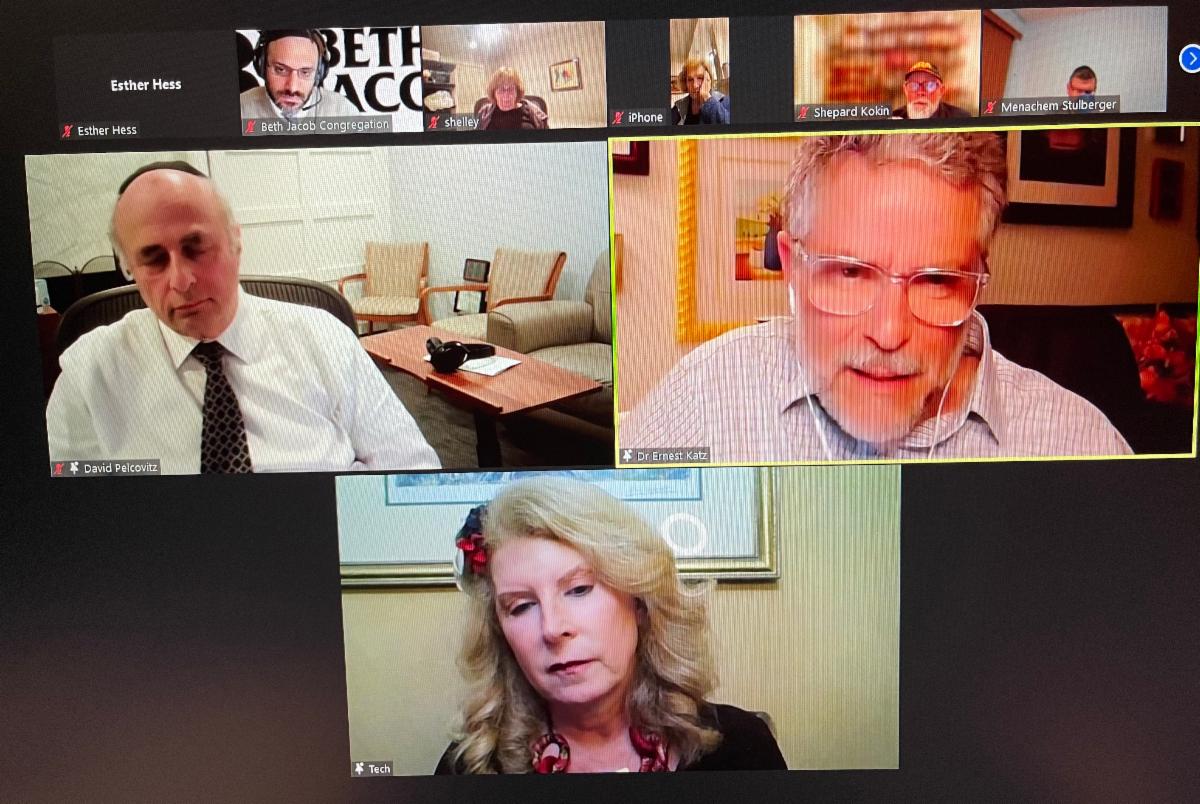
With the Pandemic very much of everyone's mind, Dr. Hess recently joined a panel of psychology experts on a webinar to address the dilemma of COVID Fatigue and Building Resiliency. The month's newsletter includes excerpt's of her discussion. Listen as Dr. Hess gives us all practical tips to help successfully battle COVID Fatigue.
As early as June 2020, Dr. Hess and her staff of devoted clinicians and interns rallied together to reopen Center for the Developing Mind, making sure that all COVID-19 protocols were in place to be able to provide a safe and clean environment for our children and their families to heal and grow. Our Center continues to thrive and it is our continuing pleasure to introduce another member of our wonderful support team that joins our children during their therapies to provide emotional and social support throughout their session experience. It is Center for the Developing Mind's great pleasure to introduce Ms. Leyna Nguyen, who has joined our team at Center for the Developing Mind as a psychological intern working directly with Dr. Hess in session.
Sending best wishes for your health and safety,
Esther Hess, Ph.D. and the staff at Center for the Developing Mind
|
|
The COVID generation: The effects of the pandemic on youth mental health |
|
By Wayne Deeker
Schools provide students with a refuge from family dramas, routine, activities, and sense of community. The closure of schools during lockdown disrupted or ended these supports.
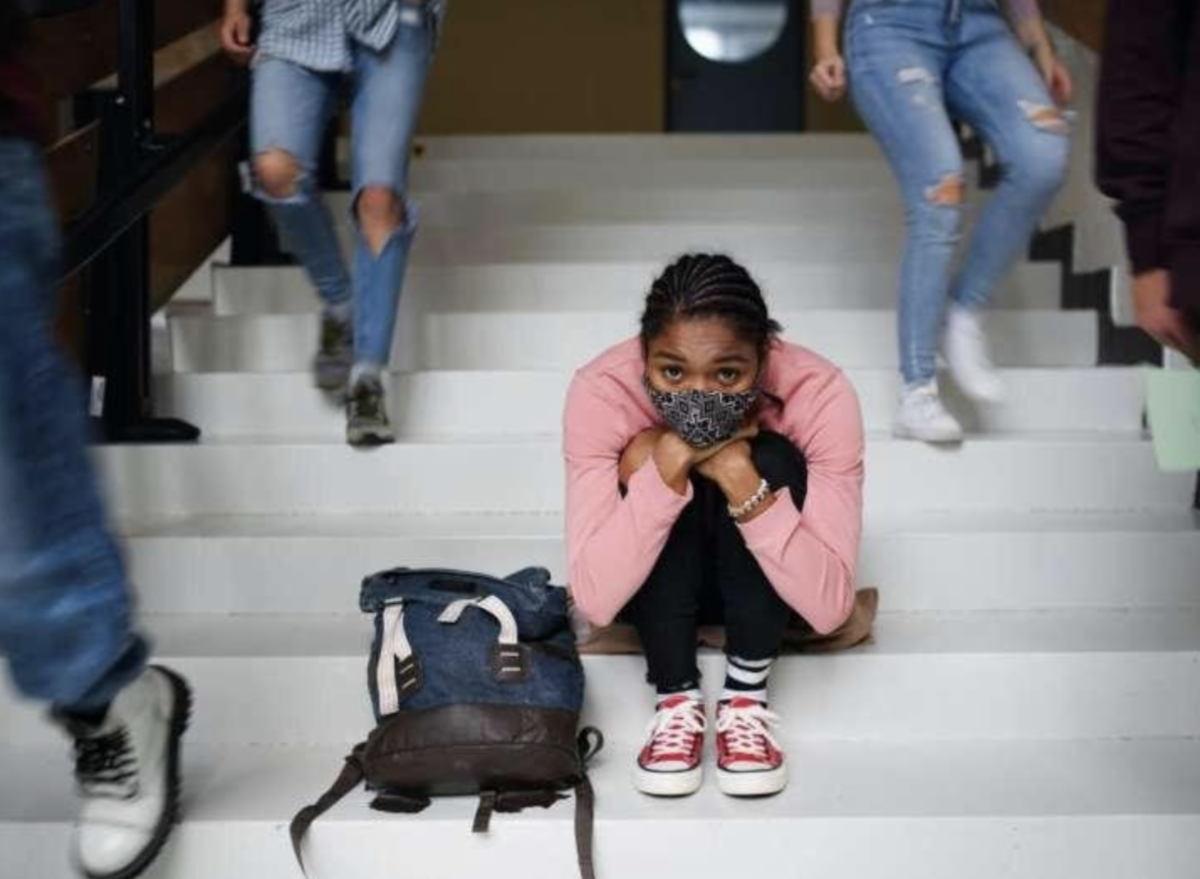
Children and adolescents tend to have more mild disease compared to adults if they catch the coronavirus that causes COVID-19, but they are still struggling to cope with the pandemic. Curfews, closures, and lockdowns are taking their toll on their emotional wellbeing.
Against a decade-long pattern of deteriorating mental health among European youths, experts warn the COVID-19 pandemic made everything worse. Numerous studies observed sharp increases in rates of depression, anxiety, loneliness, and suicide attempts.
"Before the pandemic we had about 10 to 20 percent of children suffering from mental illness problems, not all of whom progressed to an impairment," said Dr. Nina Heinrichs, professor at the Department of Psychology at the University of Bremen. "Now, from the last 2 years, it looks like it'll go up to 20 to 25 percent."
Nevertheless, mental illness is notoriously difficult to assess in young people. According to Prof. Heinrichs, who is on the executive board of the RISE research project, which focusses on the prevention of child mental health problems, it is the externalized behaviors—of an aggressive, oppositional type—that are easiest to observe and get the most attention. Yet most youngsters do not misbehave, and instead hide their feelings. Internalized feelings, such as those that worsened during the pandemic, can be difficult to observe and are easily overlooked.
This means the reported rates of mental health problems among European young people are probably an underestimate. This can cause problems down the line. Prof. Heinrichs explained that 'feeling blue' can sometimes develop into full-blown disorders.
A daily measure of adolescents' mood
Studying the development of prosocial behavior in adolescence since 2016, a group of researchers in the Netherlands could not ignore the impact of the pandemic. Under the PROSOCIAL project, they sent daily questionnaires to more than 600 adolescents in Rotterdam asking them about their mood and daily experiences. The results showed that as the pandemic wore on, rates of tension increased while vigor decreased. These trends did not ease even during respites from lockdowns and other restrictions, for example over summer.
"We see in periods of disaster that the socio-economic inequalities that already exist in society enlarge," said Eveline Crone, professor of Developmental Neuroscience in Society at Erasmus University Rotterdam. As the coordinator of PROSOCIAL, she explained why. "Children who are already advantaged in terms of being in good schools or having parental support, they don't suffer that much during homeschooling. Children who are dependent on the schools for their personal growth get hit the hardest."
The pattern is clear across Europe and beyond: families and communities that were already economically disadvantaged suffered the effects of COVID worse.
Growing up in lockdown
"COVID lockdowns have forced families to live together, often in small homes, for long periods," said Lucie Cluver, professor at Oxford University, UK, and coordinator of the HEY BABY project, which aims to assess resilience-promoting pathways for families. Prof. Cluver said this has created enormous stresses for families, 'on top of COVID's economic effects including reduced income and job losses."
HEY BABY also revealed a related global increase in family violence, including partner violence and violence towards children. All this compounds the child mental illness problems directly, and via increases in cyber-bullying.
Schools, apart from their educational benefits, provide students with a refuge from family dramas, routine, activities, and sense of community. The closure of schools disrupted or ended these supports for students and parents.
Instead, students faced homeschooling, and many families have struggled with that too. Homeschooling at a minimum requires a quiet room and computer access, resources that some households cannot easily provide, especially if they are crowded. Homeschooling is more effective when parents supervise and are available for questions, yet unfortunately this is not always possible.
A silver lining
Many might expect stressed, unsupported youths to express their frustrations destructively. "We definitely did observe that young people developed more negative feelings during the pandemic," said Prof. Crone. "But on the other hand, we observed a need to give support to friends. This increased as the pandemic went on. We refer to these as pro-social experiences, because they are social acts directed towards the benefit of others."
PROSOCIAL also examined how young people directed help towards friends and family. Youths aged 18–25 reported more prosocial experiences towards their families, while experiences towards friends peaked in the 15–17 age group. These findings were unrelated to socio-economic factors. PROSOCIAL researchers also observed that helping others was associated with an increase in vigor, showing that giving help is a basic need for adolescents.
"One of the biggest misunderstandings of adolescence is that it's only a time of trouble," continued Prof. Crone. "Of course, there are some tensions in every family … but the idea that all adolescents develop into inconsiderate risk-takers is a misunderstanding." Although most young people show a reward-sensitivity, only about 10 to 15 percent get into trouble with excessively risky behaviors. Troubled youngsters often get most of the attention, yet PROSOCIAL's results indicate that most adolescents develop into socially considerate and committed young people who feel an innate need to contribute.
The PROSOCIAL team discovered that the same region of the brain corresponding to personal rewards (the ventral striatum) is also activated by helping others. This led to a new understanding of the adolescent brain as being ripe for social learning opportunities, and that providing opportunities for youths to help others is vital for their development.
"Prosocial opportunities help adolescents to see the perspectives of others and give them good feelings as well," said Prof. Crone. "We all have a fundamental need to be part of the group and to matter to others around us, but this is particularly enlarged during adolescence. Helping others feels good."
Tips and songs for families
People need support to cope with stressful times. The right support for young people and their families can make a huge difference.
HEY BABY and RISE worked together, co-leading a COVID parenting emergency response in conjunction with Parenting for Lifelong Health, an initiative with the World Health Organization and UNICEF, and the European Commission.
Dr. Jamie Lachman, senior researcher and teaching fellow at Oxford University, co-led the collaboration with Prof. Cluver. "Funding from the European Research Council and other partners was essential in allowing us to rapidly respond to the situation, and build an interagency collaboration that endorsed and supported the dissemination of parenting resources on a global level," said Lachman. The results formed the basis of the tips for families. The tips have been delivered to 210 million people in 198 countries and territories worldwide and have been used by 33 national governments including many in Europe. The advice has even been adapted into a song by a team of Broadway composers and producers. The tips cover spending quality time with children, praising them for behaving well, parents saying what behavior they want, creating routines, sensitively handling misbehavior and supporting families experiencing illness and bereavement from COVID-19. The tips also help parents take care of themselves.
Prof. Cluver summarized one of the simplest and most useful parenting tactics. "When you want to scream or throw something, try to take a moment and count to 10, breathing in and out slowly. If you can get into a different room, great; if not, look away for a moment. Just give yourself a chance to calm down before you say or do anything. It can really help."
Young people need advice too. Esteban de Manuel Keenoy is Director of the Institute for Health Services Research in Spain, and coordinator of the UPRIGHT project. He spearheaded a collective team response to Horizon's questions. The group said that resilience can be taught, but also that it is vitally important youngsters are taught this before they encounter serious problems. This would allow children and adolescents to thrive better in most situations and to avoid the development of mental illness as a response to stressful events.
UPRIGHT examined the teaching of resilience, including the roles of families and schools. Not surprisingly, the study concluded that families or primary caregivers play the main role in emotional education. Families that provide a safe and nurturing environment are best for developing confidence, inner strength, and self-esteem. Yet schools play a vital role too, especially since the ages of schooling are the ideal developmental period to acquire such important life skills.
The UPRIGHT team designed an intervention program where the entire communities of 17 schools from five countries were trained in both personal and community resilience skills. Also, 22 school communities served as control to compare the effectiveness of the intervention. Together, these taught 18 mental-health skills across four broad categories (coping, efficacy, mindfulness, and social-emotional learning) as a subject separate from the normal school curriculum.
The group that participated in the program reversed the trend of deteriorating youth mental health observed during the pandemic, improving almost to pre-pandemic levels.
A downward trend in youth mental health is not hopeless. Although young people generally have little control over their situation, many have nevertheless stepped up to the challenge, coping with COVID themselves by helping others cope. This, combined with making resilience training a normal part of school life, and providing opportunities to contribute, can bring significant developmental changes that protect against mental illness. Supporting young people helps everyone.
|
|
Dr. Hess recently participated in a panel discussion sponsored by Beth Jacob congregation in Beverly Hills, CA. The topic was Covid fatigue and building resilience.
|
|
|
My name is Leyna Thai Nguyen and I am a first-generation student at the University of California, Los Angeles. I am in my third year of studying Psychology with a minor in Brain and Behavioral Health. Artist, singer, dancer, student, daughter—I am many things, but I feel closely tied to being a healer for my loved ones and the individuals I come in contact with. To aid others in their healing journey has always been my focus for figuring out which career path to take. My current aspiration is to become an occupational therapist in order to be present for and of support of those who are overcoming psychosocial and/or health-related barriers.
Over the past summer, I worked as a behavioral therapist for young children that are diagnosed with developmental disabilities. My work consisted of one-on-one therapy with the client(s) and direct in-home sessions. My responsibility as a behavioral therapist consisted of using Applied Behavioral Analysis principles to help build on the children’s socio-emotional and self-help skills. Play is one of the main sources of interaction for most young children and was used as a creative routine for us therapists to better understand how our clients socialize with others and what we can do to facilitate healthier communication styles.
While working as a behavioral therapist, my car’s trunk was completely filled with toys: Play-doh, slime, puzzles, games—you name it! I had three clients total, all of whom were so special and fulfilling to work with. I did not expect to have developed such a strong bond with my clients during the brief period that I was their behavioral therapist. The process of familiarizing myself with the clients was gradual but highly rewarding. Sooner than later, I found myself more and more excited to come into work since I was able to play and exercise my imagination with the clients. Through this job, I discovered my newfound passion of working alongside therapists and children. It took some time for me to finally figure out how to play with toys again and to comprehend what it is really like to be a child—now that I am an adult. What was so fulfilling about working with young children is that they ended up teaching me more about myself and the people in my life. How was this possible? We played a lot together.
Today, I am an intern at the Center for the Developing Mind. I was connected to the Center through UCLA Society for Physical and Occupational Therapy and found myself excited all over again to come in to learn from those whom I collaborate with. Under the mentorship of Dr. Hess, I help observe the children that visit the Center and use play as a means to foster healthy social interactions. Mainly, I laugh with them and get buried in the ball pit from time to time. During my time at the Center, I was able to first-hand witness the positive changes that Dr. Hess and her team have brought into these children’s lives. It is seen in the excitement of their eyes and cheerful laughter as they rush inside the facility. I see it in the way that they are sitting impatiently in the waiting room because they are very eager to begin playing with me, my co-intern, or Dr. Hess. The reason why I thoroughly enjoy working at the Center for the Developing Mind is for a very simple reason: play. As I have learned from my previous experience of working with children, play is the means through which they are learning to communicate their needs, explore their imaginations, and unapologetically be children. Play helps to create a safe space for even the shyest kid to venture playing with me or my co-intern at the Center. The most rewarding aspect of working here is the children that we have the privilege of playing with. They are witty, hilarious, and compassionate at heart. Ultimately, the children I have interacted with became my source of inspiration for seeking out joy in living a playful life. The Center has made it possible for me to continue exploring my creativity within the frames of playing and guiding children to explore their most authentic selves in the playroom.
|
|
February 9, 2022: BRAND NEW WORKSHOP: Dr Esther Hess will be presenting a brand new virtual workshop sponsored by the Spevack educational system entitled “Helping our children stay safe with social media”. The presentation is scheduled for 7:30 PM. For more information and to register for the workshop please contact Dr Hess directly at Drhess@centerforhedevelopingmind.com.
|
|
February 11, 2022: Spivak Educational Center has invited Dr. Hess to conduct a virtual webinar for children on Friday February 11, 2022 at 10:30 a.m. entitled " What I need to know to stay safe on Social Media". This presentation is geared toward children 10-14 years of age and will go over practical tips for kids to help them navigate safely and successfully social media. For more information and to register a child for the presentation please contact Dr. Hess at Drhess@centerforthedevelopingmind.com.
|
|
April 9, 2022: Save the date! Our very own Dr. Hess will be headlining the Expressive Therapies Los Angeles Virtual Conference on April 9, 2022, as she presents a 3 hour workshop on 'An Introduction to DIR/Floortime'. This workshop has been designed to meet the needs of clinicians and parents alike. Stay tuned for more upcoming information on this presentation and all of the other exciting lectures featured in the 2022 Conference.
|
|
Parents: Dr. Hess's new on-line parent group for families with older adolescents and young adults on the spectrum is now full.
|
|
2 SPOTS STILL AVAILABLE! NEW SUPERVISION GROUP CONTINUING: Dr. Hess will continue offering a virtual supervision group in Advanced Theories of Autism Intervention that started Monday October 4th, 2021. This supervisory session is open to senior level clinicians with at least 5 years post graduate experience. Classes will be capped at 10 students to provide for individual attention and support. For more information and to register for this group, please contact Dr. Hess directly at Drhess@centerforthedevelopingmind.com.
ROOM IS AVAILABLE FOR THREE ADDITIONAL FAMILIES.
|
|
Dr. Hess's new on-line parent group for families with older adolescents and young adults on the spectrum is now full. To get on the waitlist for our next support group, please contact Dr. Hess directly at Drhess@centerforthedevelopingmind.com. |
|
Weekly Caregiver Support Group
Dr. Esther Hess is now facilitating a weekly online support group for caregivers of special needs adults impacted by the COVID-19 pandemic, sponsored by Ogden Manor Home Care.
|
|
Please contact Dr. Hess at Drhess@centerforthedevelopingmind.com and share your thoughts and reviews on both her newest virtual song and your own strategies for self-care tips to start off 2022 strong!
|
|
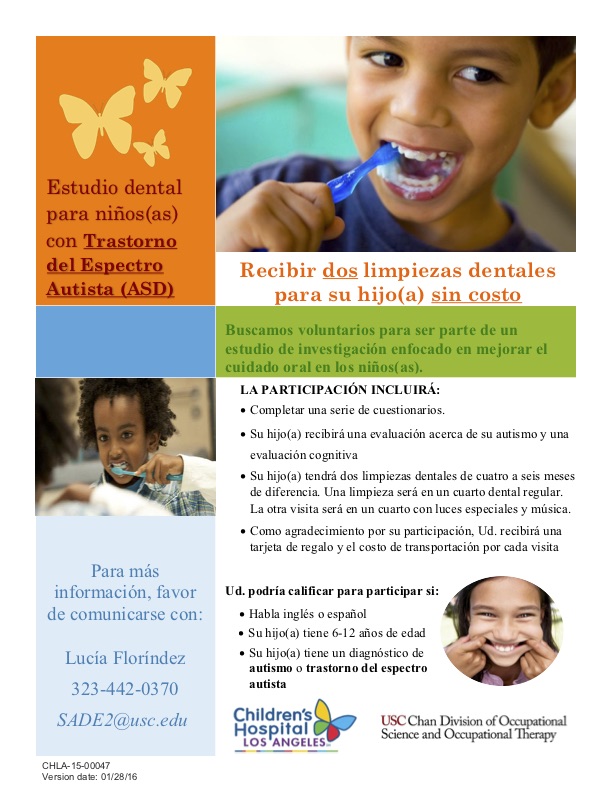
FREE Dental Cleanings for Children |
|
Center for the Developing Mind is Seeking Occupational Therapists |
There are immediate openings at Center for the Developing Mind for California licensed occupational/physical therapists. Ability to work weekends, a plus. Salary and benefits are compensatory to experience.
|
|
|
Center for the Developing Mind is Seeking Speech and Language Therapists |
Center for the Developing Mind is Expanding It's Speech and Language Services. We are looking for licensed SLPs to work in our state of the art facility. Treatment model based on DIR/Floor Time. Ability to work weekends, a plus. Salary and benefits are compensatory to experience.
|
|
|
Are You Looking To Expand Your Own Private Practice While Being Part of a State of the Art Team For Children? |
Center for the Developing Mind is now licensing space within a multidisciplinary facility. Suites available for speech pathologists, occupational therapists, physical therapists, and educators. For more information please contact Dr. Esther Hess: (310) 652-7581 |
|
Support Center for the Developing Mind |
|
Don't forget to make your end of the year contribution!
Center for the Developing Mind Foundation is the non-profit arm of our clinic, servicing children, adolescents and young adults with developmental and/or regulatory delays who might otherwise not get the support they need. Your donation during these precarious times can make all the difference in the world.
Thank you, in advance.
|
|
|
|
|
|
|
|