OHIO TAKES CBC ALC IN DC IN JUST TWO WEEKS | | |
On September 19, 2026, the Ohio Leadership Party returns to Washington, D.C., during CBCF Annual Legislative Conference Week. Hosted by the Ohio Legislative Black Caucus Foundation in partnership with Vestige Strategies and Taft, this signature celebration brings together members of Congress, state leaders, and civic, corporate, philanthropic, and cultural leaders to honor Black political leadership and invest in the next generation. The Ohio Leadership Reception will be held at The Point DC.
We are two weeks out. Sponsorships are still available at $5,000, $10,000, and $25,000. Every level carries brand visibility, event recognition, and direct access to leaders from Ohio and across the country. Once we finalize event materials, recognition closes. If your organization has been waiting for the right moment to stand with Black political leadership in Ohio, this is it. To discuss a sponsorship directly, please contact President Davis at 614-585-6645 or president@olbcfoundation.org.
| | OUR VOICES. OUR POWER. OUR OHIO. | | |
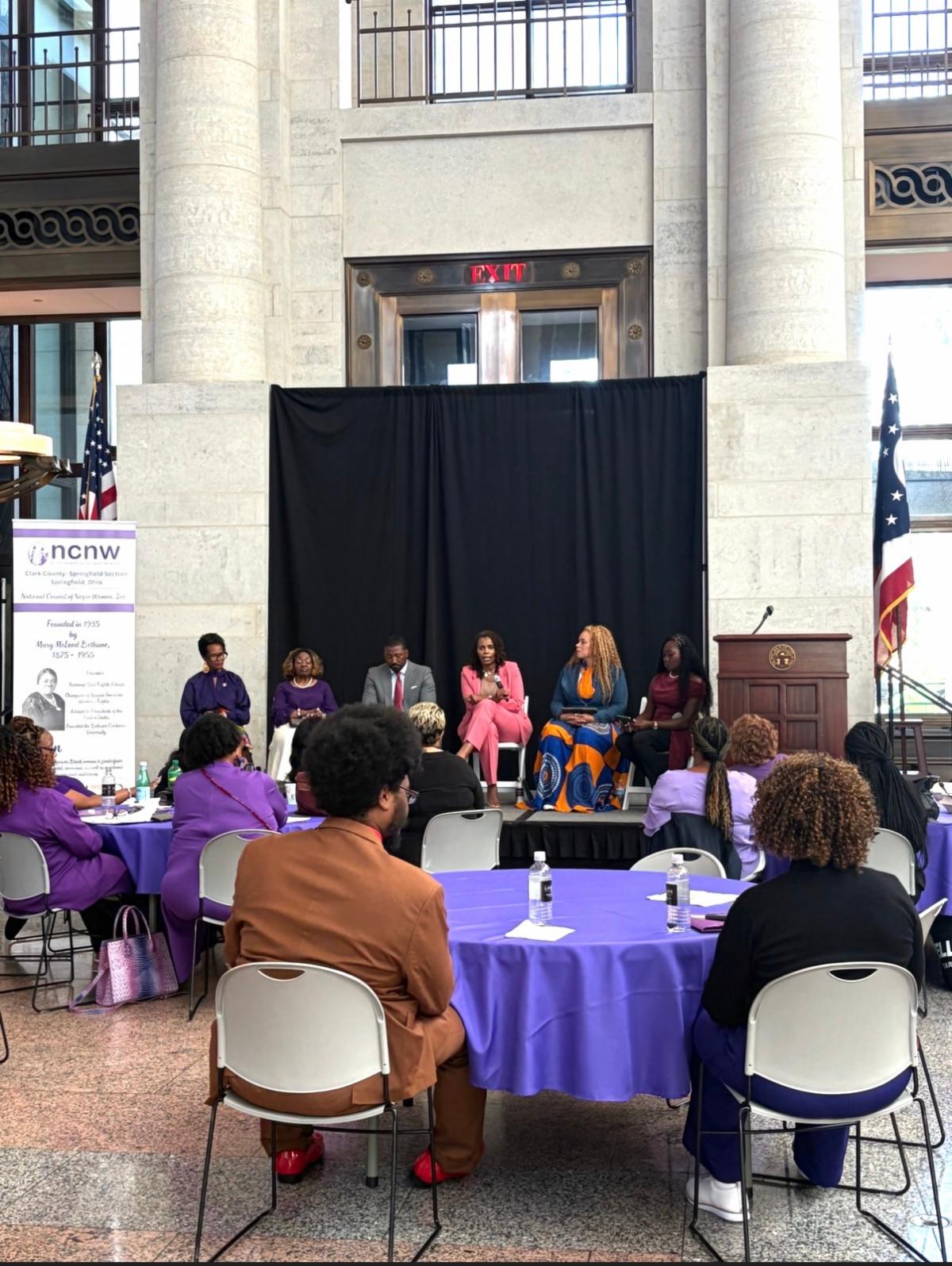
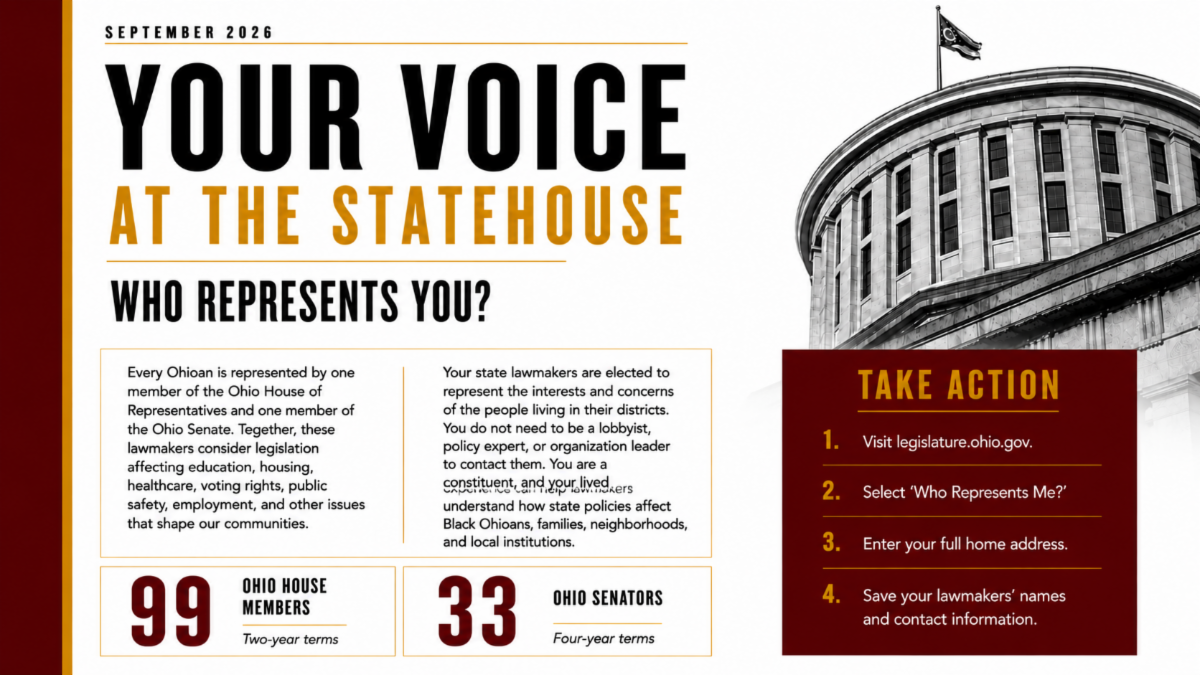
President Davis served as a panelist at the Ohio Statehouse for the National Council of Negro Women's Bootcamp Advocacy Day. She was joined by Representative Terrence Upchurch of Cleveland, President of the Ohio Legislative Black Caucus, Representative Erika White of Toledo, Representative Meredith Lawson-Rowe of Columbus, and NCNW President Vivian Anderson. The conversation was moderated by Lauren Morgan, Political Director of the Ohio Legislative Black Caucus.
One question anchored the day: at what point does a disparity become a policy failure?
The barriers facing Black Ohioans are not accidents. They are the product of policy choices, which means they can be undone by policy choices. President Davis pressed hardest on economic justice. When entire communities are shut out of wealth building, the damage compounds. Businesses close, investment leaves, and families lose the pathways that hold a neighborhood together. Entrepreneurship is a real tool, but no one builds on it without fair access to capital, information, and networks.
Four bills came up that Black Ohioans should be tracking:
House Bill 543 would create a food desert elimination grant program.
House Bill 777 would modify Ohio's childcare cost-sharing program.
House Bill 135 would prohibit housing discrimination based on lawful source of income.
House Bill 306, the Hate Crime Act.
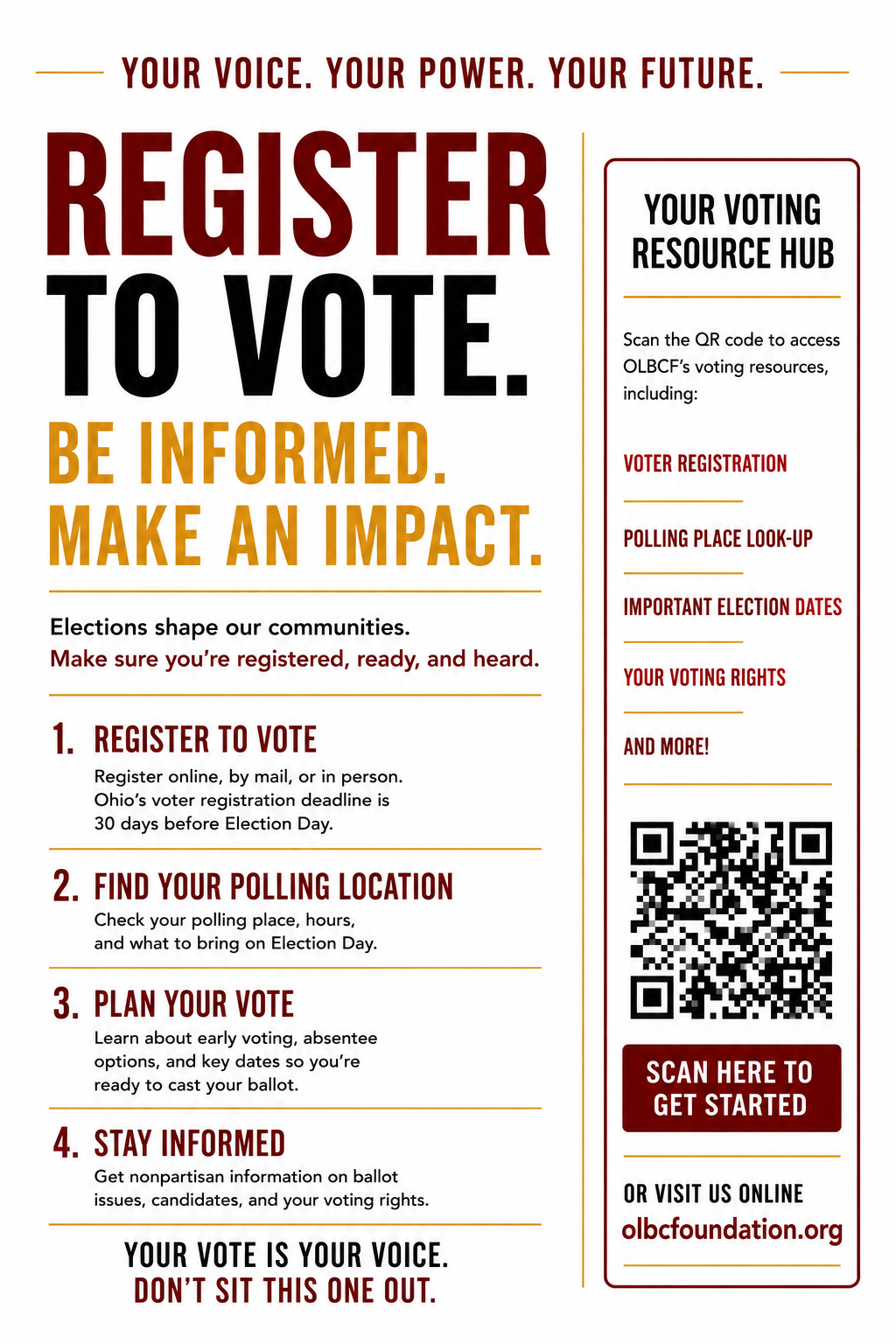
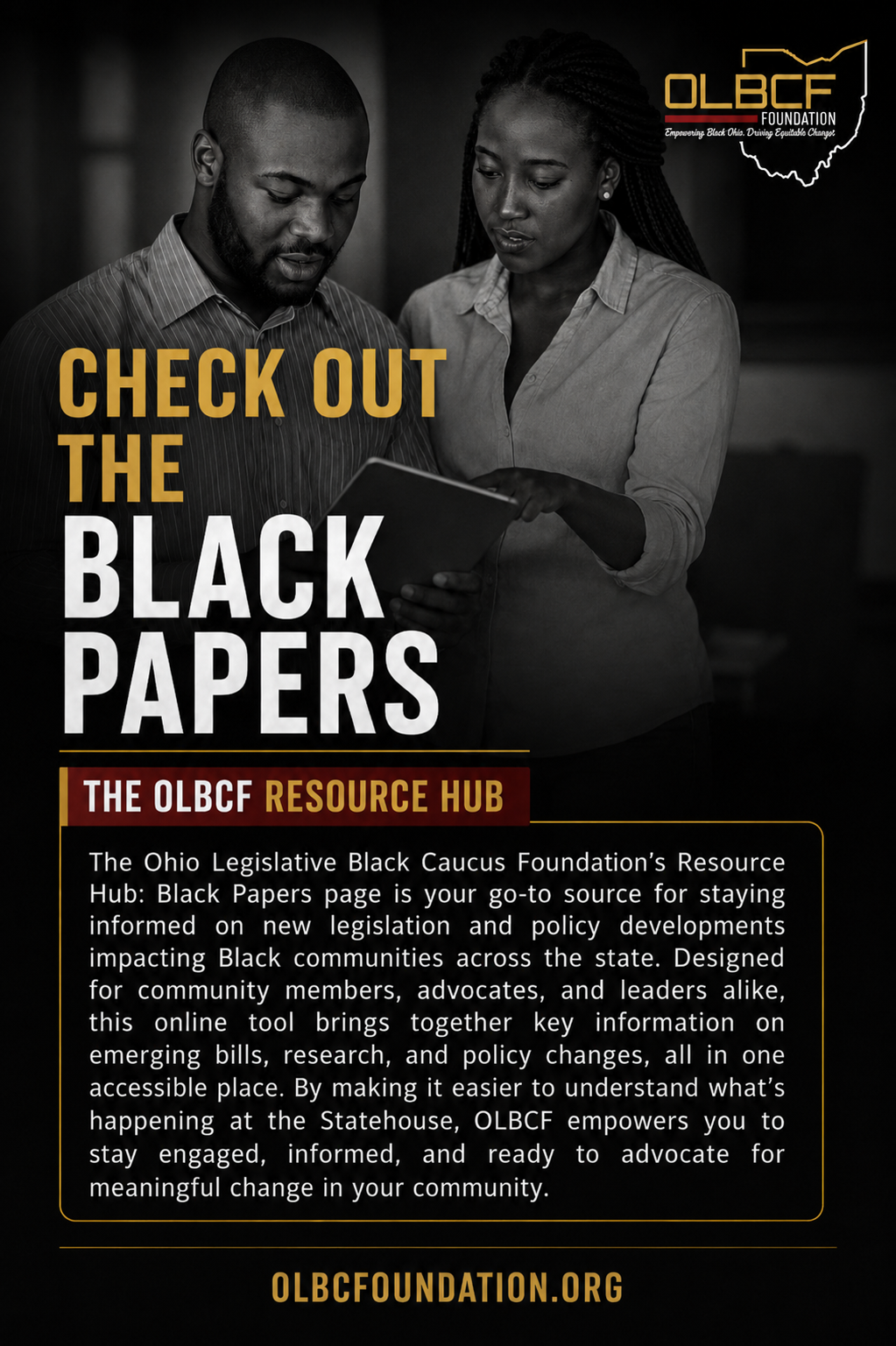
The day closed with Representative Erika White on voting rights and on money, power, and respect for all Ohioans, and President Davis breaking down SJR 10, now on the ballot as Issue 3, which would move Ohio's photo ID requirement into the state constitution where it becomes far harder to change. The bills discussed that day are still moving, and the November ballot is already set. OLBCF publishes Black Papers on legislation before the General Assembly and voter resources on what Ohioans will decide this fall. Both are available at olbcfoundation.org.
| | STATE OF BLACK CIVIC POWER IN OHIO REPORT | | |
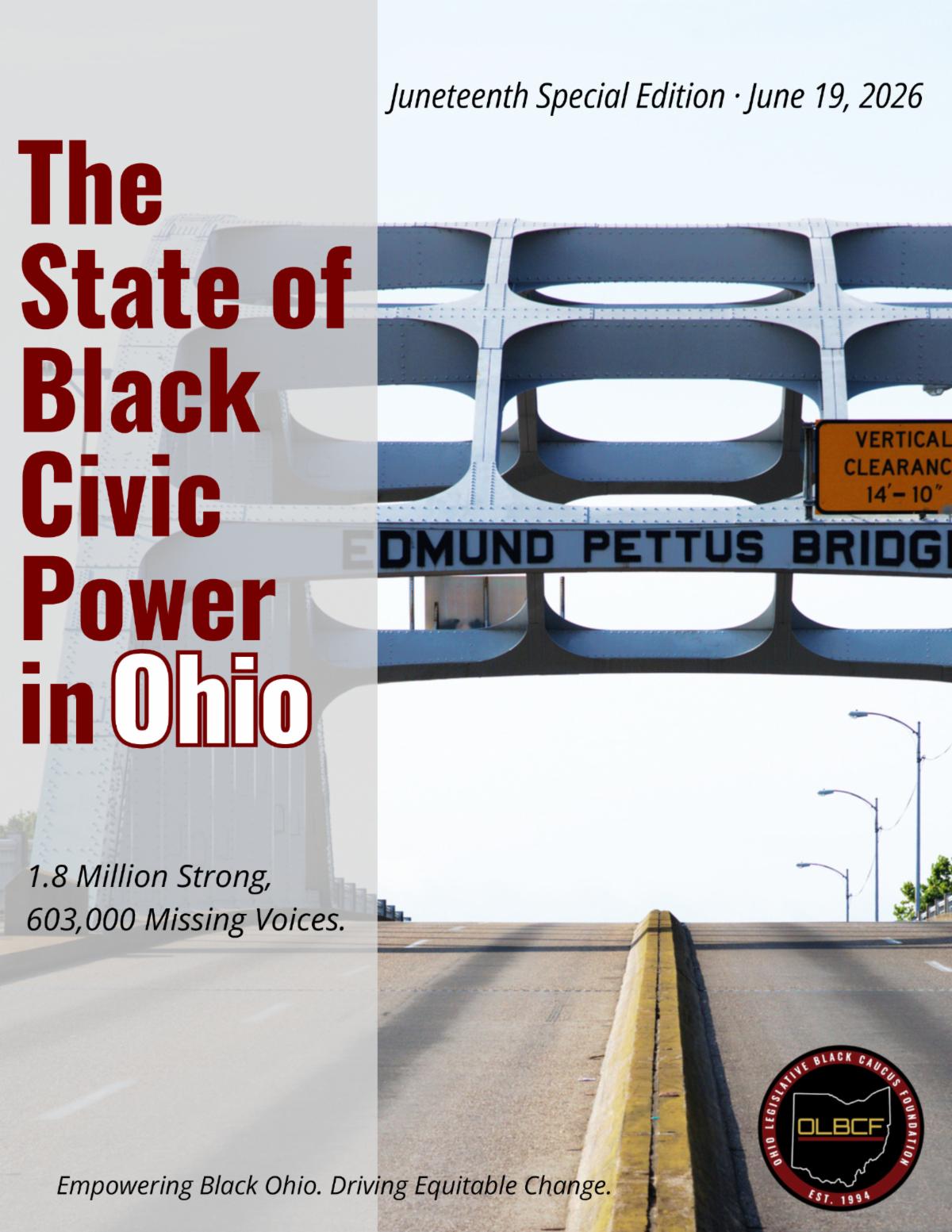
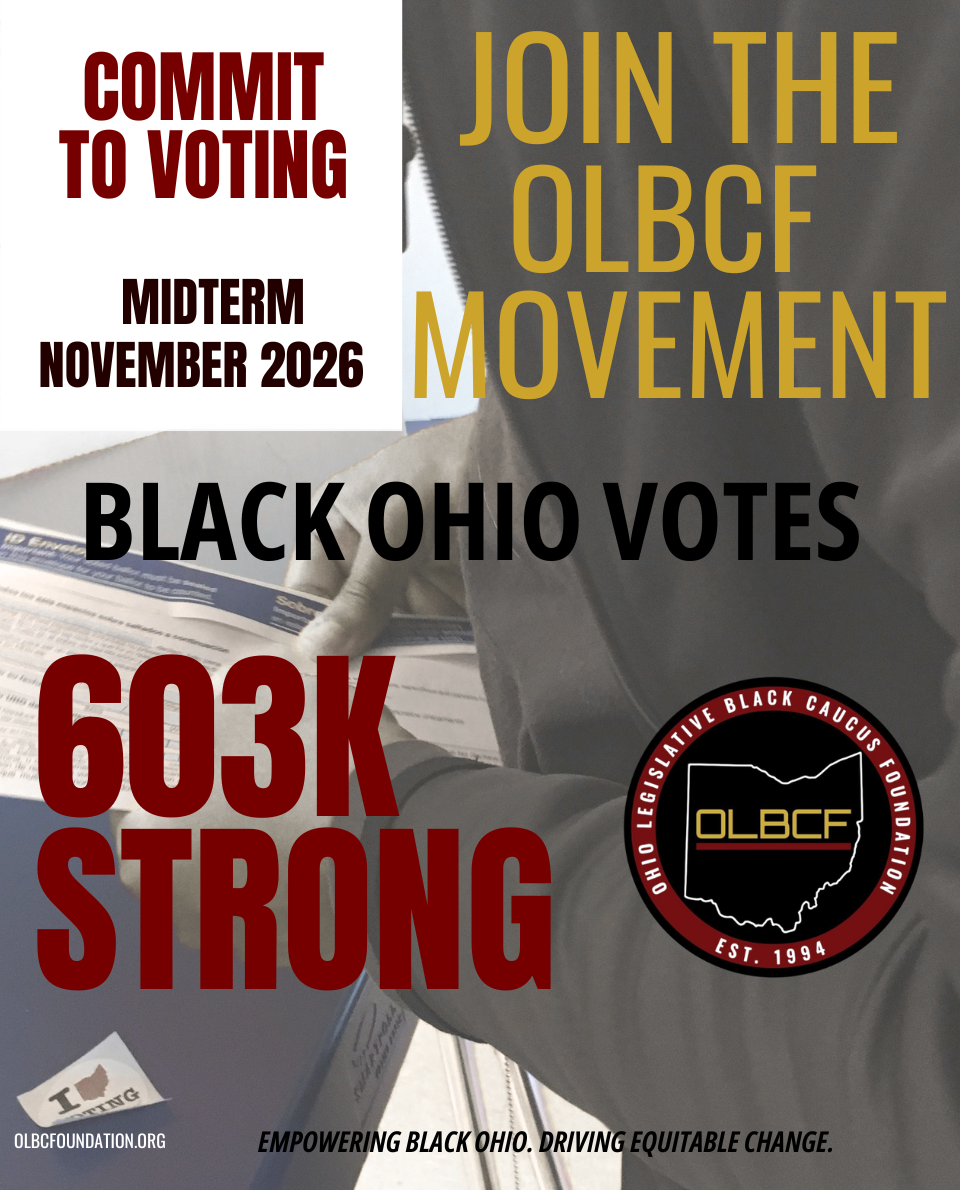
Black Ohio is 1.8 million strong, yet more than 603,000 eligible Black Ohioans were missing from the last midterm election. The State of Black Civic Power in Ohio examines the policies, economic conditions, and systemic barriers shaping Black political participation and representation across the state.
The report explores declining Black voter turnout, restrictive voting policies, widening economic disparities, and the challenges Black leaders continue to face despite increased representation. It also highlights the strength, influence, and untapped civic power present within Black communities.
This report is both a warning and a call to action. By understanding the barriers that limit participation and investing in voter education, leadership, and community engagement, Black Ohioans can strengthen their collective voice and help shape the decisions affecting their families, neighborhoods, and future.
| |
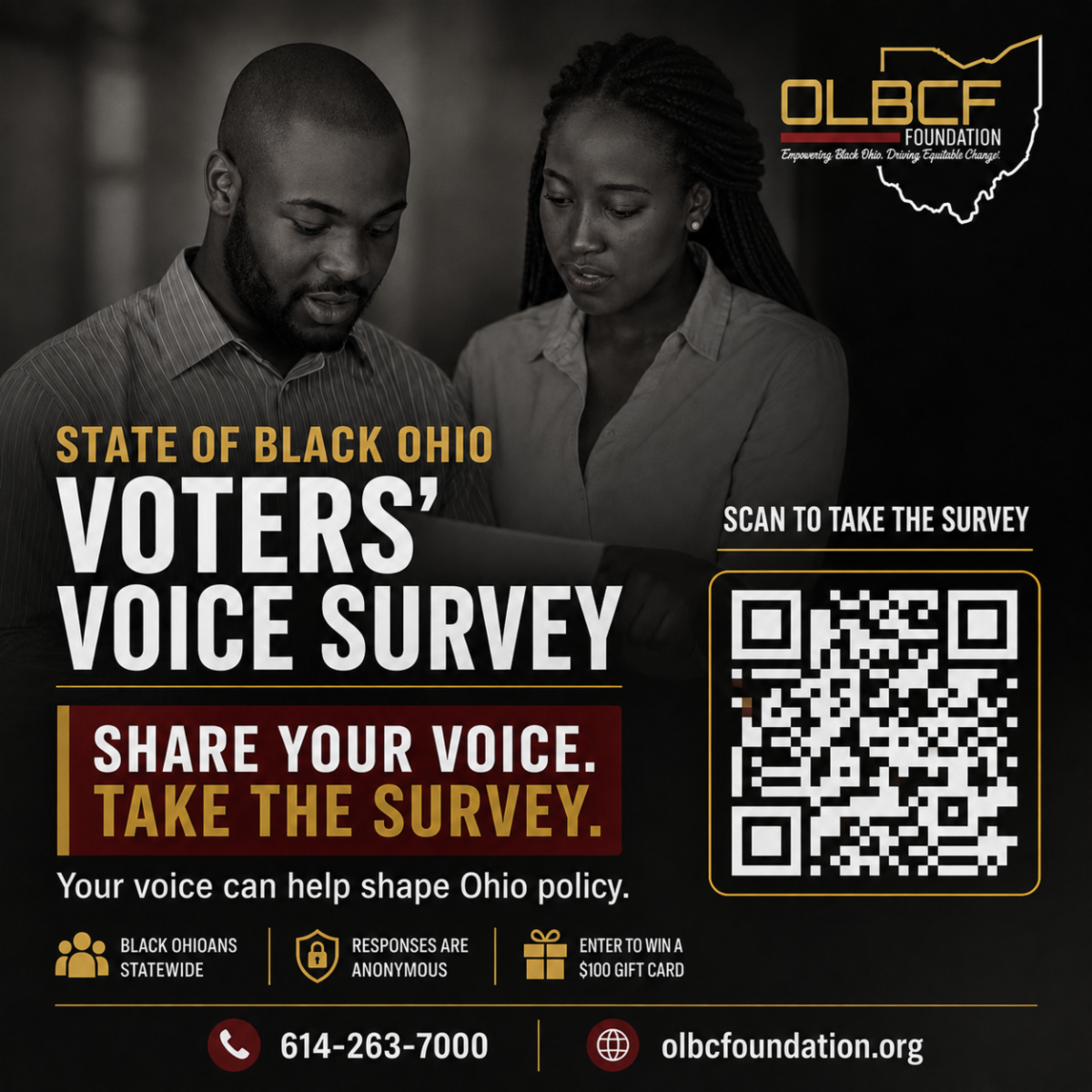
Your Response is Crucial: Take the State of Black Ohio Survey
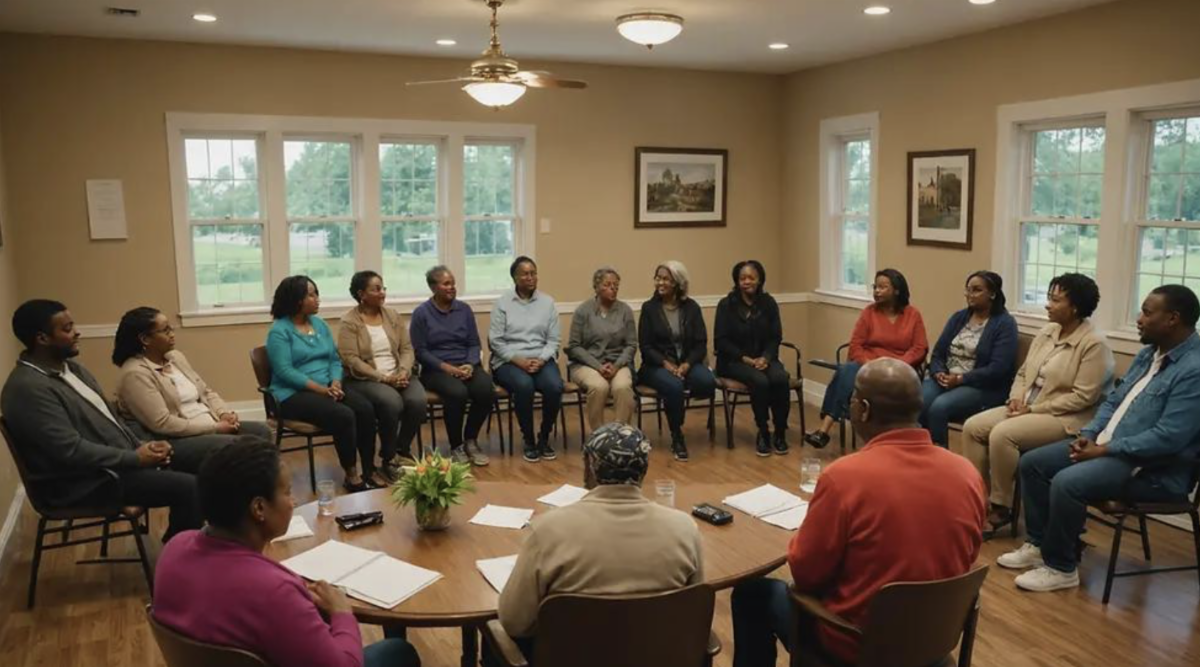
We are actively collecting responses for the State of Black Ohio: Voter's Voice Survey and are willing to travel to community events and gatherings to help residents complete the survey.
The State of Black Ohio Survey is how we turn lived experiences into meaningful policy change. When lawmakers ask, “What do Black Ohioans need?” we answer with your data, your voice, and your priorities. Just five minutes of your time can help shape a living policy agenda placed directly on desks at the Statehouse.
Have an upcoming event or community gathering? Partner with us by emailing office@olbcfoundation.org. Take the survey. Share it with three people. That’s how we build power together!
| | |
Issue 3: What Ohio Voters Should Know
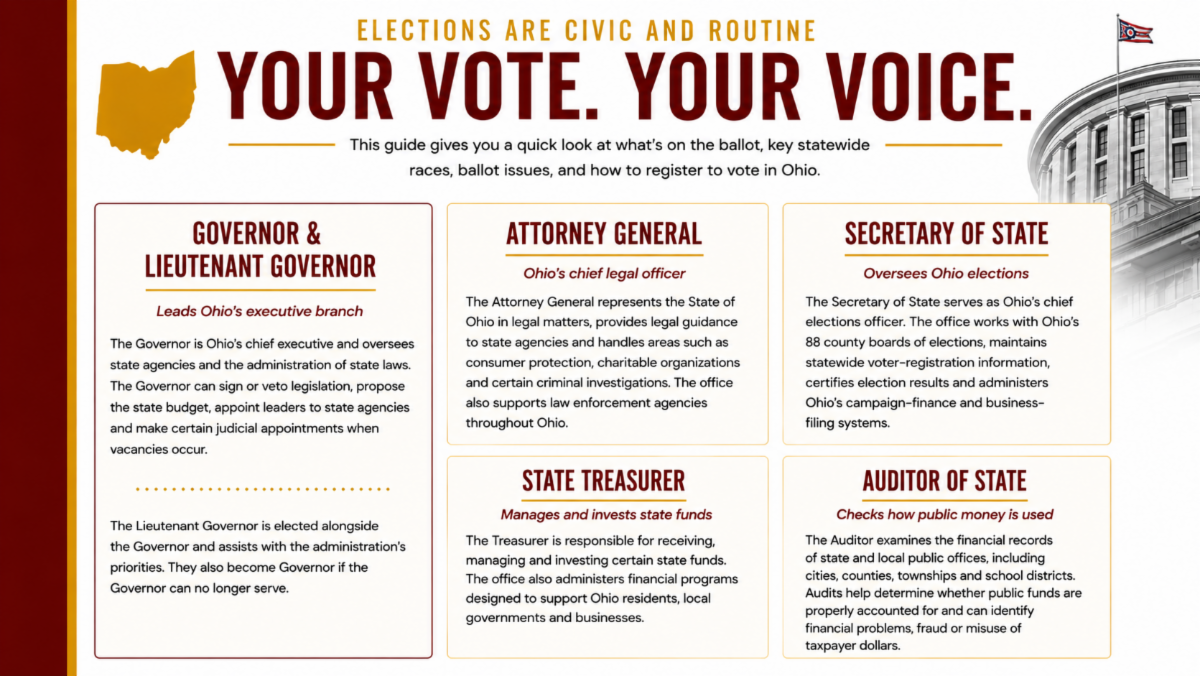
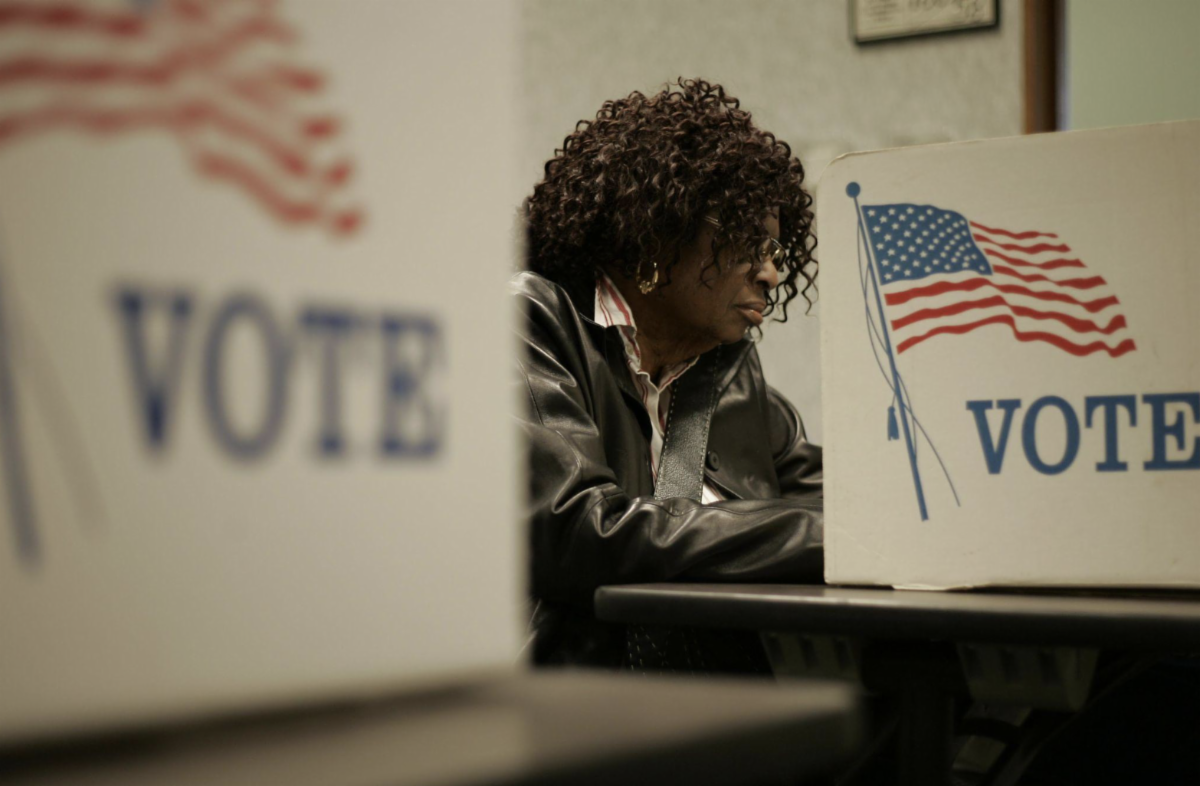
In August, the Ohio Ballot Board approved the official language for Issue 3, a proposed constitutional amendment that will appear on the November ballot. Issue 3 would place Ohio’s current photo identification requirement for in-person voting into the state constitution. Ohio law already requires voters to present an approved form of photo ID when voting in person. However, placing this requirement in the constitution would make it significantly more difficult to change or improve the policy in the future.
OLBCF has joined the Ohio Legislative Black Caucus in opposing Issue 3. Voting restrictions have historically created greater barriers for Black voters, seniors, students, people with disabilities, and low-income Ohioans. These barriers can include difficulty obtaining an accepted form of identification, transportation challenges, and confusion surrounding changes to election rules.
More than 603,000 eligible Black Ohioans did not vote in the 2022 midterm election. Instead of making restrictive voting policies harder to change, Ohio should focus on removing barriers, educating voters, and ensuring that every eligible voter can participate in the democratic process. Before November, Ohioans should learn what Issue 3 would change and understand how it could affect voting rights for years to come.
| |
Recovery Housing Faces New State Oversight
In August, Governor Mike DeWine signed an executive order giving the Ohio Department of Behavioral Health authority to establish a statewide certification and oversight process for recovery housing.
Recovery housing provides safe, substance-free living environments for people working toward long-term recovery from addiction. These homes can serve as an important bridge between treatment and independent living.
The new oversight system is intended to create consistent standards for recovery housing providers and better protect residents from unsafe conditions, financial exploitation, or poorly managed facilities. Stronger standards could improve the quality of care and help families identify trustworthy programs for their loved ones.
This issue is especially important for Black Ohioans, who continue to experience disparities in access to addiction treatment, mental healthcare, stable housing, and support following incarceration. Oversight alone will not address those disparities.
As Ohio develops its certification process, state leaders should work with residents, treatment providers, and community organizations to ensure that recovery housing remains safe, affordable, and available throughout the state. Black communities must also be included in decisions about where recovery homes are located and how residents are supported as they rebuild their lives.
| |
Brownfield Funding Opens New Opportunities
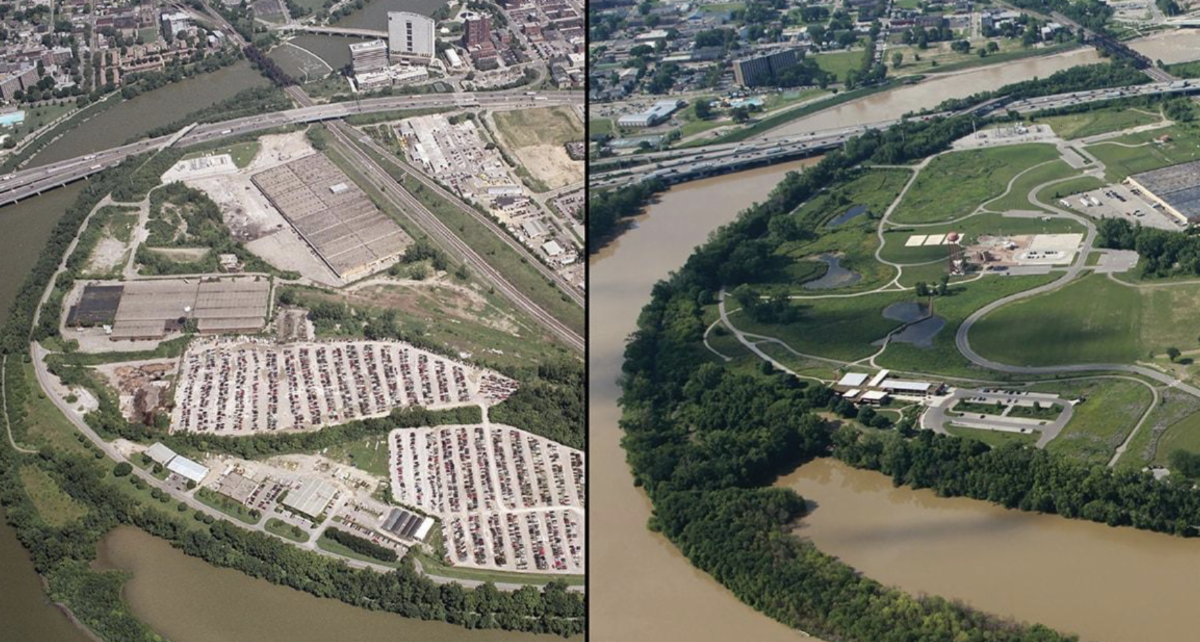
In August, Ohio opened applications for approximately $120 million through the Brownfield Remediation Program. The program provides funding to help communities assess, clean up, and redevelop abandoned, underused, or environmentally contaminated properties. Brownfields may include former factories, warehouses, gas stations, or other properties where pollution makes redevelopment difficult and expensive.
This funding could help transform neglected properties into new housing, businesses, parks, healthcare facilities, and community spaces. It could also create jobs and encourage additional investment in neighborhoods that have experienced decades of economic disinvestment. For many Black communities, however, redevelopment can bring concerns about displacement, rising housing costs, and projects being approved without meaningful input from current residents.
Black neighborhoods should receive a fair share of the available funding, particularly communities that have carried the health and environmental consequences of industrial pollution. Residents should also have a voice in deciding how properties are reused. State and local leaders must ensure that brownfield redevelopment creates opportunities for existing residents, supports Black-owned businesses, improves public health, and does not price longtime families out of their neighborhoods. Redevelopment should strengthen communities, not remove the people who sustained them.
| | |
603,000 Reasons
to Give
The last midterm, 603,000 eligible Black Ohioans stayed home. We built Civic AF, the Voter's Voice Survey, and the State of Black Ohio Report to change that number.
Your gift turns a plan into presence at the Statehouse. Help us raise $60,300 before early voting begins, one dollar for every ten voters we are working to bring back to the polls.
-
$25 keeps Civic AF episodes free and shareable
-
$50 sends a survey team to one more community event
-
$100 puts the State of Black Ohio report in front of another lawmaker
-
$250 funds a voter-education session in a neighborhood that needs it
-
$603 makes you a 603K Strong Founding Donor
Give by September 30. Join 603K Strong
| | | | |