Faulkner County Agriculture Update

December 12, 2025


General Conditions

Weather


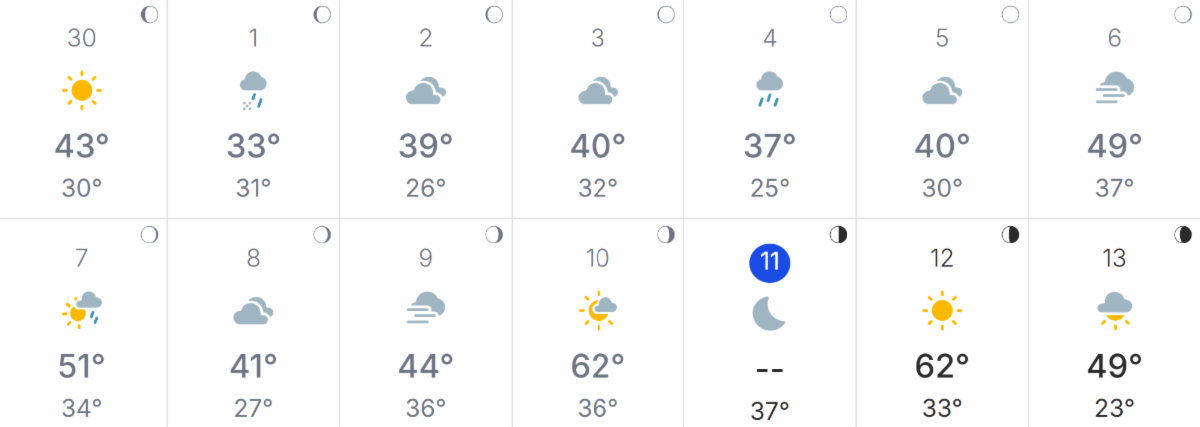
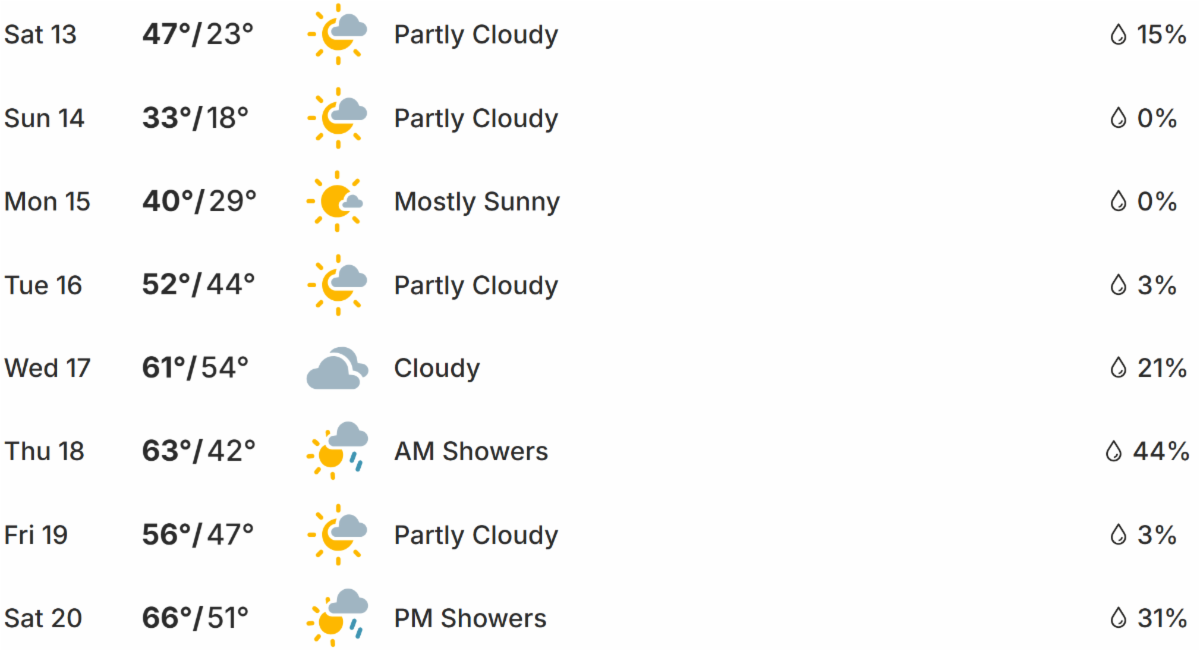
It was a cool and windy week here in Faulkner County. Temperatures got pretty cool Monday night but we finally warmed up in the 60's on Wednesday. More cold is on the way and some rain chances show up next week.

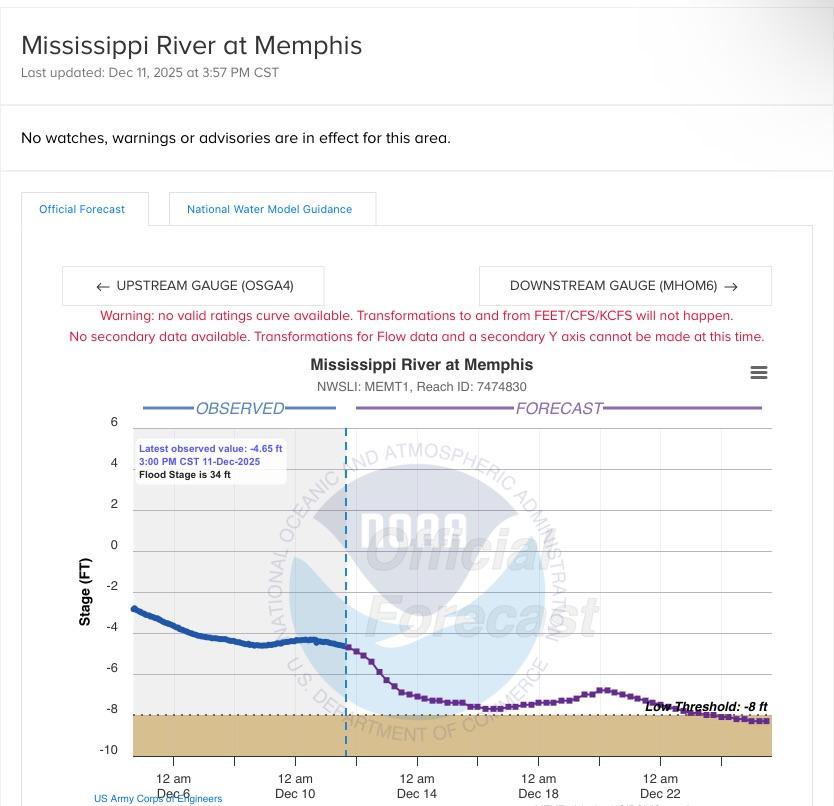
Arkansas and Mississippi River

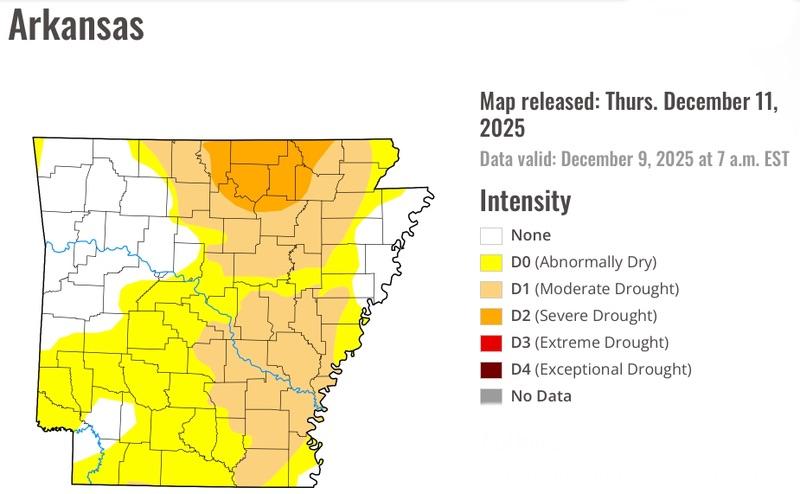
Drought Monitor

Row Crop

Tri-State Soybean Forum returns to Arkansas


Experts from Arkansas, Louisiana and Mississippi will share information about issues facing soybean producers in the South at the 69th annual Tri-State Soybean Forum on Jan. 9, 2026.


The annual event rotates among the three major soybean production states, bringing together producers, researchers and other agriculture industry professionals. The University of Arkansas System Division of Agriculture Cooperative Extension Service, Louisiana State University AgCenter and Mississippi State University Extension Service jointly plan the conference.


“Arkansas is proud to host this year,” said Tri-State Soybean Forum chair Grant Beckwith, who is also the Arkansas County agriculture extension agent for the Division of Agriculture. “We know these are tough times for soybean producers, and this year’s forum will focus on issues affecting them as we head into 2026.”


The half-day event begins at 8 a.m. at the Dumas Community Center, 18 Belmont St. in Dumas, Arkansas.


Schedule

8–8:30 a.m. — Registration

8:30–9:15 a.m.— H-2A Pointers and Pitfalls William L. Mencer, Attorney at Law

9:15–10 a.m. — Ag Law & Policy Update, Rusty Rumley, Senior Staff Attorney, National Ag Law Center

10–10:15 a.m. — Break

10:15–10:45 a.m. — Weather Drivers for the Lower Mississippi Valley, Jay Grymes, Louisiana State Climatologist

10:45–11:15 a.m. — Soybean Market Outlook, Will Maples, Associate Professor-Ag Economics, Mississippi State

11:15–11:45 a.m. Dicamba Update, Susie Nichols, Pesticide Section Manager, Arkansas Department of Agriculture

11:45 a.m. – 12 p.m. — Equipment Care & Maintenance Strategies for Soybean Production - Brittney Schrick, Associate Professor & Family Life Specialist, U of A System Division of Agriculture

12–12:15 p.m. — Updates from State Soybean Agronomists - Arkansas, Louisiana, Mississippi

12:15–12:30 p.m. — Arkansas Soybean Board Update, Arkansas Soybean Promotion Board

12:30 p.m. Lunch – Sponsored by Farm Bureau Federation

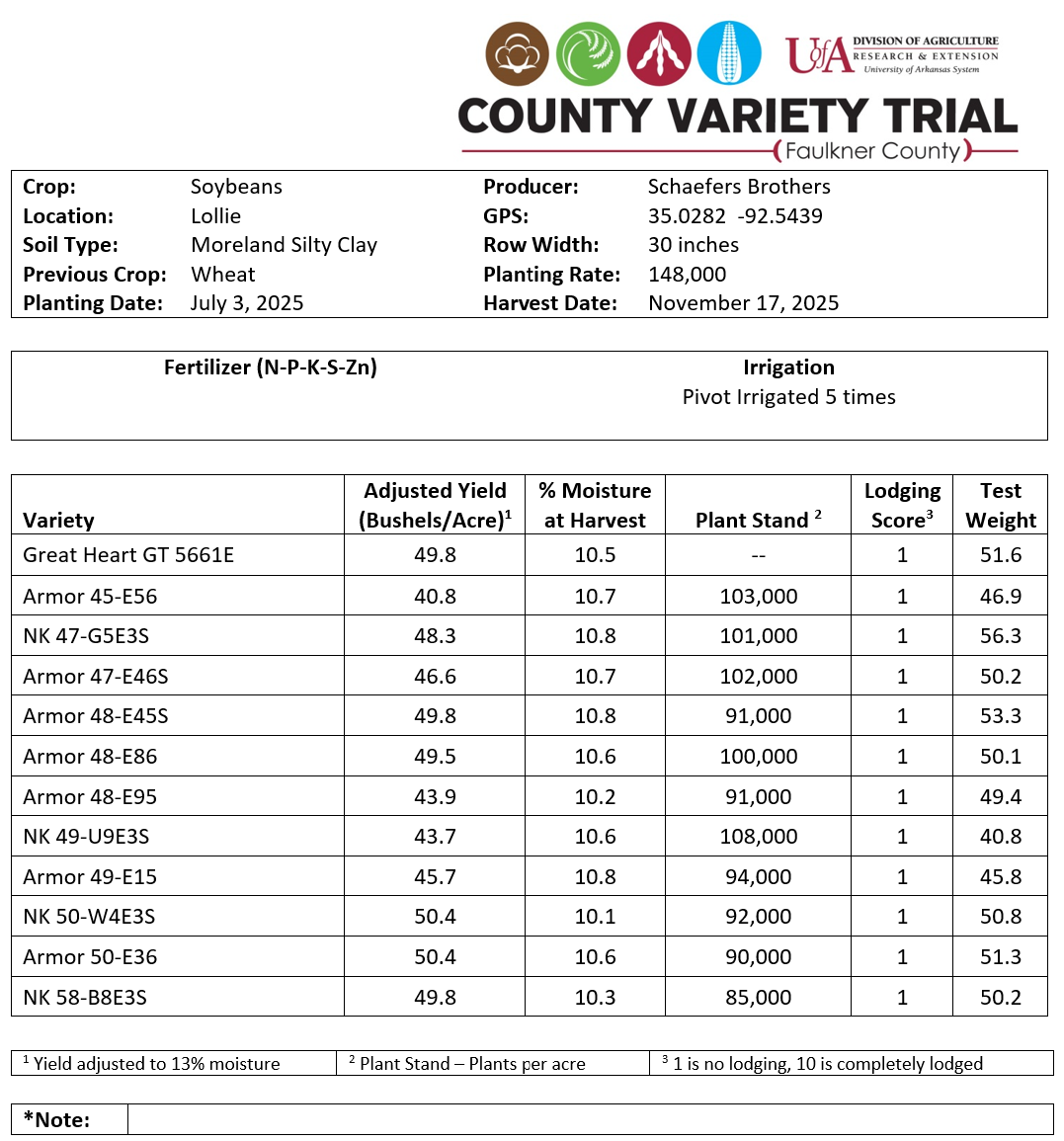
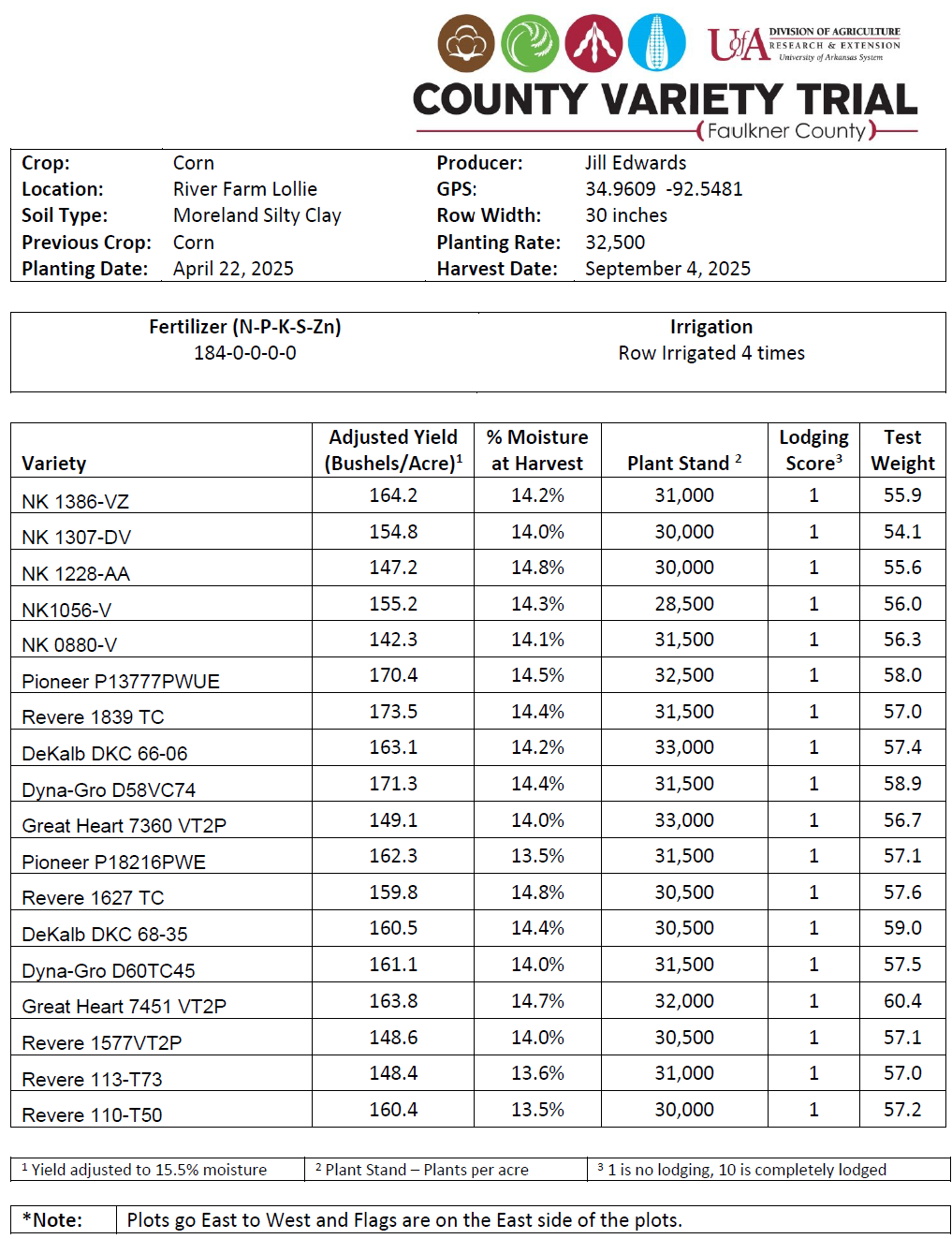
2025 Faulkner County Variety Trials

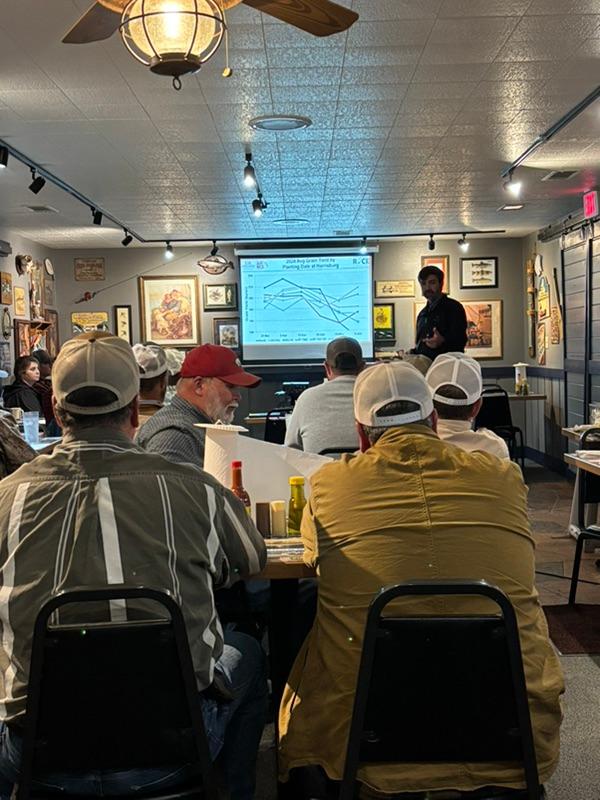
2025 Arkansas Rice Performance Trials

Jarrod Hardke, Rice Extension Agronomist


The link to Rice Information Sheet No. 185 Arkansas Rice Performance Trials 2025 is provided below. This contains the final results of the Arkansas Rice Performance Trials (ARPT) and DD50 Planting Date studies, as well as updated cultivar descriptions and disease ratings.

Row Crop Production Meetings


Our annual row crop production meetings will be coming up in early 2026. Save theses dates and I will share more information as we get it.


Corn and Soybean Production Meeting - January 22, 2026 - Morrilton (Place TBA)


Rice Production Meeting - February 24, 2026 - The Barn at Lollie

Crop Enterprise Budgets


Below is a link to the 2026 Crop Enterprise Budgets. If anyone needs assistance with these budgets please let me know.

Beef, Small Ruminants, & Forages

Faulkner County Cattlemen's Meeting


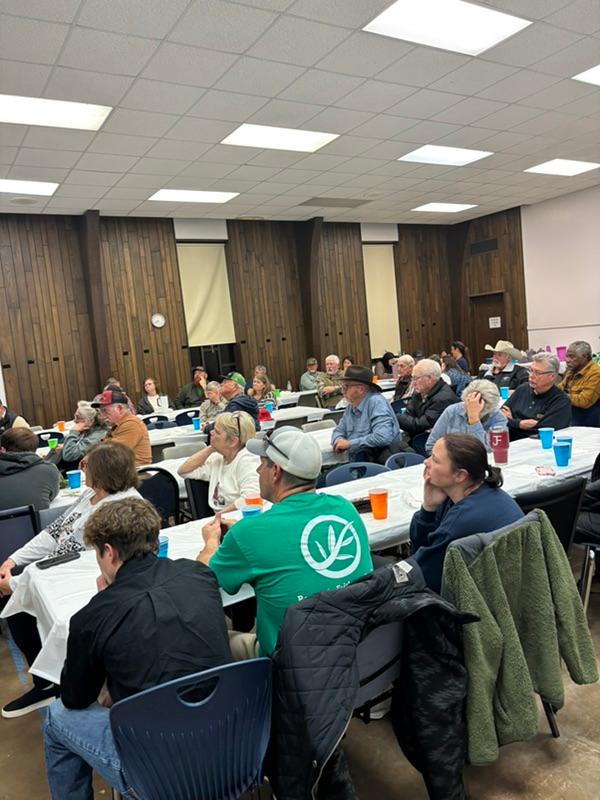
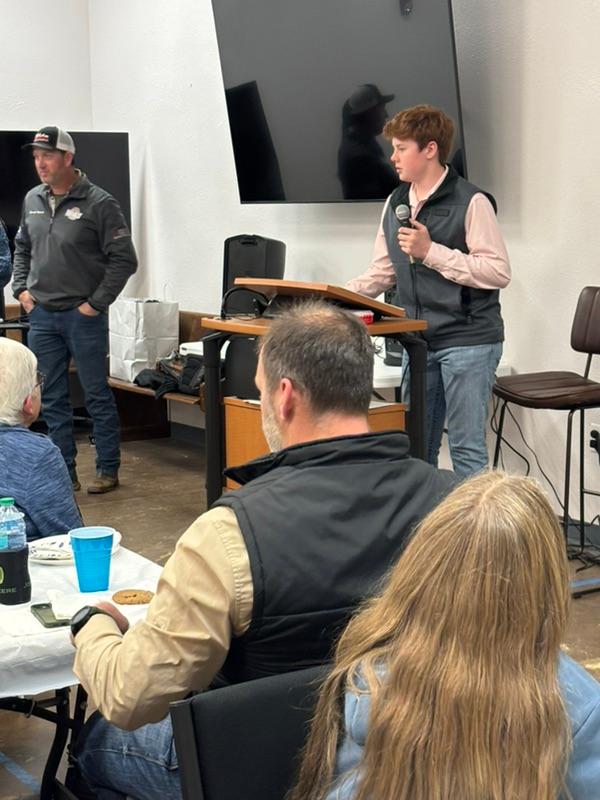
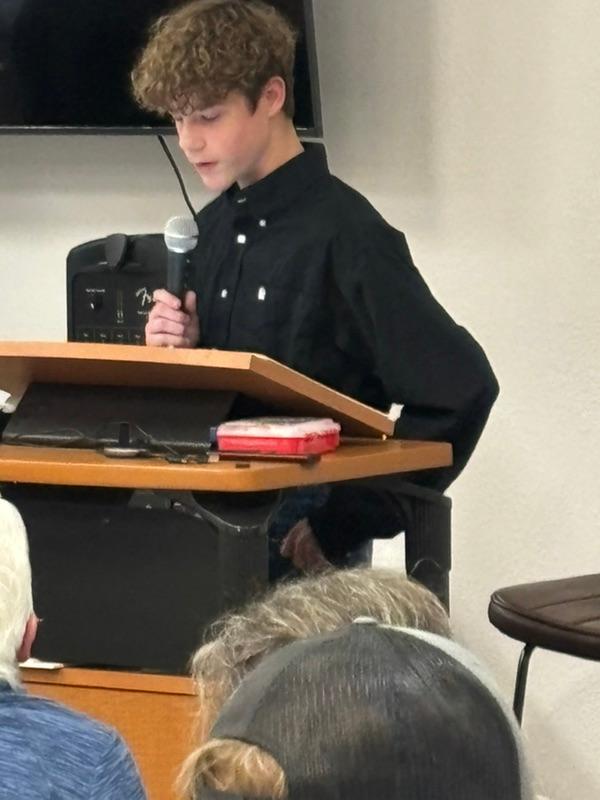
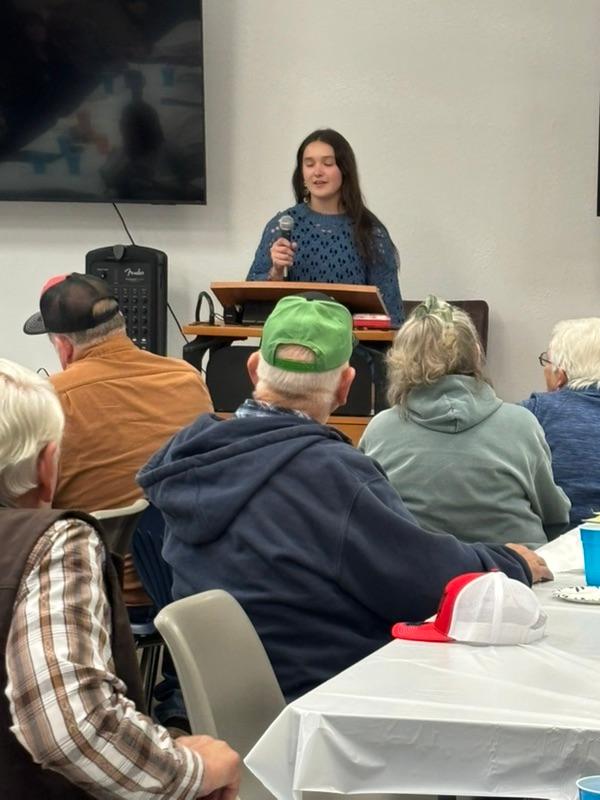
The Faulkner County Cattlemen's Meeting was held on Thursday December 11 at the Faulkner County Extension Office.


Three of our Pasture to Plate youth got a chance to present before the members and summarize their summer with their steers. They did a great job and the members really enjoyed seeing the youth being able to talk about the cattle industry.


Executive vice president for the Arkansas Cattlemen's Association Michelle Bufkin Horton gave the educational program. She gave a great presentation on some of the programs from the state level and an update on legislation that the ACA has played a part in.


Big thanks to the Faulkner County 4-H Foundation for serving the meal of smoked turkey and all the fixins!

Selection Decisions and Breeding Value

Build Back Better – Replacement Heifer Series – Article 5

Mark Z. Johnson, Oklahoma State University Extension Beef Cattle Breeding Specialist


Selection of cattle is the process by which we determine which animals become parents, how many offspring they will produce and how long they will remain in our breeding herd. When we select replacement heifers or herd bulls we are practicing selection. When we cull old, open cows or ornery herd bulls we are practicing selection. The focus of this article is on replacement selection. Specifically, the best way to determine which animals will become the parent stock in our commercial cow-calf operation.


After we have analyzed our production system, identified our breeding objectives and determined the traits on which to apply selection pressure, the goal is to identify the animals with the best genes and let them reproduce. The animals with the best genes are said to have the best Breeding Value (BV). BV, based on the additive genetic effect of individual genes (across the genome), serves as the best indicator of an animals genetic value as a parent. BVs are trait specific. Since BVs are based on the effects of individual genes, they represent the part of genotype which can be passed from parent to offspring. Successful selection is based on identifying the animals with the best BVs (for traits of primary economic importance) to become our next generation of parents. Using Expected Progeny Differences (EPDs) in sire selection or Genetic Merit Scorecards on groups of commercial heifers are examples of modern tools available to assist us in determining the BV of potential parent stock in cow-calf operations.


Heritability is important to define relative to selection. Heritability is the relationship between phenotypic values and breeding values for a trait in a population. More precisely, heritability is the proportion of phenotypic variation that can be explained by additive genetic variation for a given trait. Quantitative, polygenic traits in beef production can be lumped into three categories. These include: Reproductive traits (for example: heifer pregnancy percentage or rebreeding intervals in the cow herd). Reproductive traits are low in heritability. Scientific literature indicates the heritabilities of reproductive traits fall into a range between 0 to 20%. Growth Traits (for example: weaning weights or yearling weights), are moderate in heritability typically falling into a range between 20 to 40%. Carcass traits (such as marbling, fat thickness or ribeye size) are highly heritable (40% or higher).  


For example, the Sire Summary of the American Angus Association currently estimates the heritability of carcass marbling to be 48%. This can be interpreted to mean that the additive genetic variation of marbling accounts for 48% of all the variation we observe in marbling phenotypes.


In summary, selection should be based on identifying animals with the best BV for traits of primary economic importance. Effective selection decisions lead to building additive genetic potential. Additive genetic change is cumulative and permanent. While genotypic value represents the overall effect on an individual animal’s genes, BV represents the only part of genotypic value that can be transmitted from parent to offspring. Finally, heritability estimates for a given trait serve as an index of how easily the trait can be changed through selection. 


The other part of genotype is Gene Combination Value (GCV). Since it is the result of genes paired at loci across the genome, and only one gene from each locus is transmitted by parents, it represents the part of genotype which can’t be passed from parents to offspring. GCV will be discussed in more detail next week.

Little Indication of Heifer Retention in 2025

Derrell S. Peel, Oklahoma State University Extension Livestock Marketing Specialist


As 2025 wraps up there is still little indication of significant heifer retention for herd rebuilding though some retention may be beginning slowly. The July Cattle report showed the smallest beef replacement heifer inventory in the history of the report back to 1973, although no comparison to last year was possible (the report was not available last year). The October Cattle on Feed showed that the percentage of heifers in feedlots was unchanged from July and still above average as it has been since late 2018.


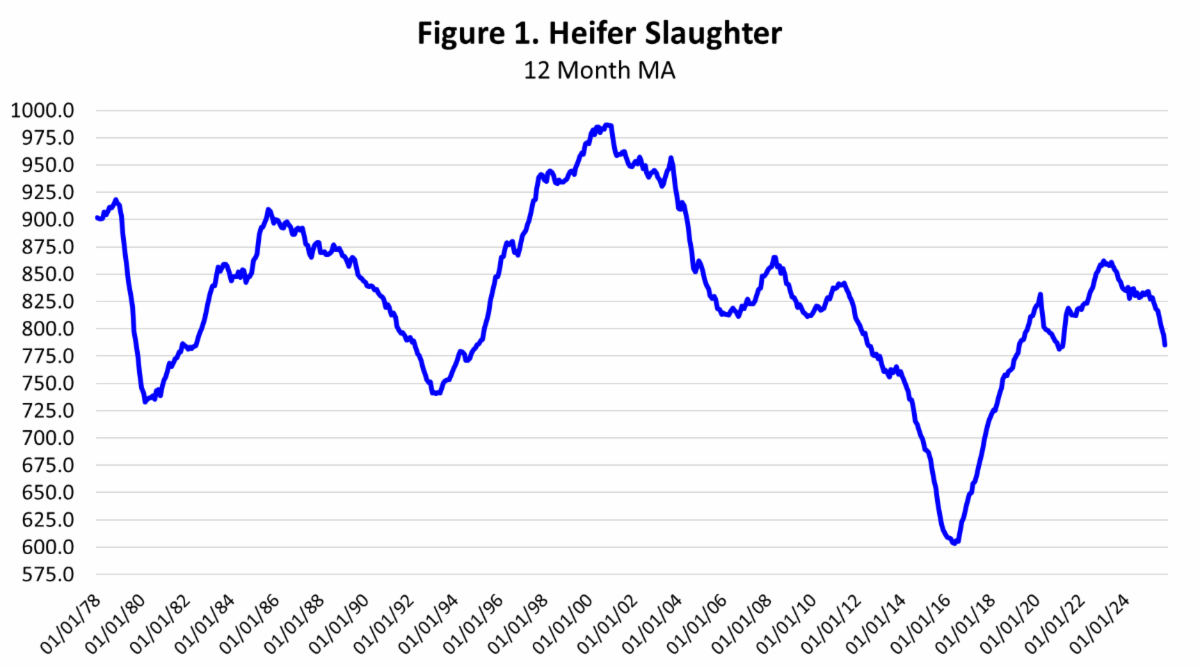
It is true that heifer slaughter is down 6.6 percent so far this year and is falling faster than steer slaughter, which is down 4.4 percent for the year to date. Figure 1 shows average monthly heifer slaughter since January 1978. Average heifer slaughter peaked most recently in January 2023 and has declined 9.0 percent as of October 2025. Heifer slaughter is quite variable and does decrease during periods of herd expansion. However, at this point the decrease in heifer slaughter is not enough to indicate significant heifer retention.

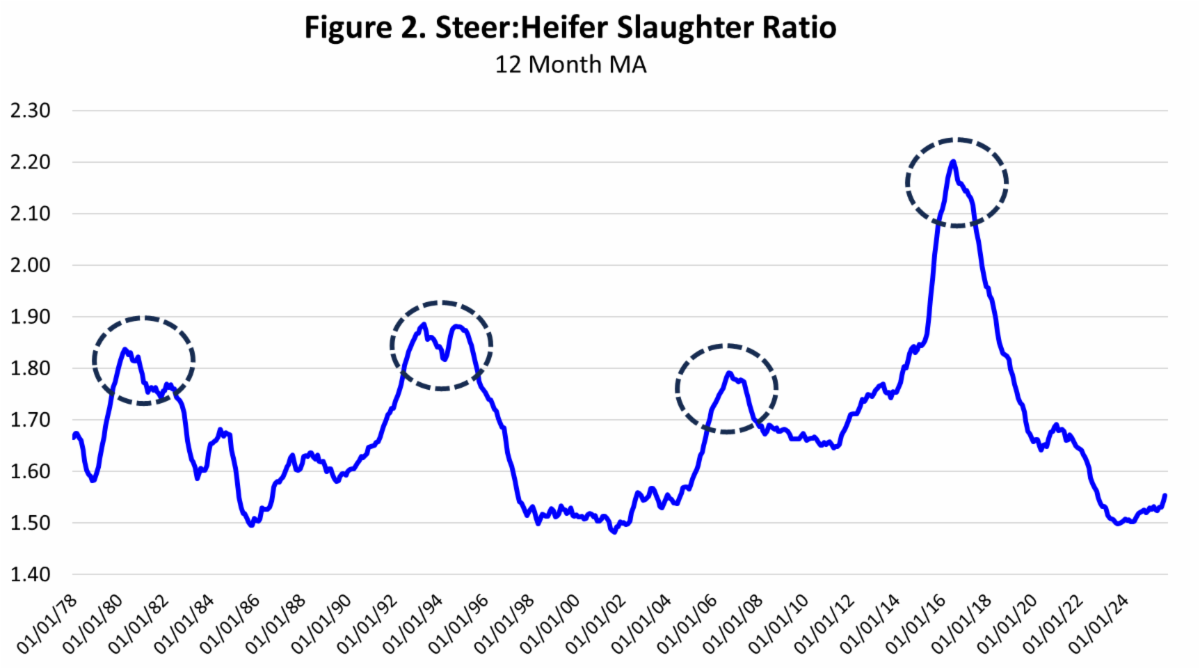
Figure 2 shows the ratio of steer to heifer slaughter over the same 49-year period. The obvious spikes in the ratio (dotted circles) correspond to herd expansions in the years 1979-1982; 1990-1996; 2004-2006; and 2014-2019. The ratio increases when heifer slaughter drops relative to steer slaughter during herd rebuilding. The current steer:heifer ratio has begun to increase but appears to indicate only the slightest beginning of heifer retention. Additional heifer retention may build in 2026 but the pace appears to be slow.

Dairy Goat Linear Appraisal Clinic


The dairy goat industry in Arkansas has been experiencing growth. According to the latest agricultural census, the number of dairy goats in the Natural State increased by 42% over a 5-year interval. 


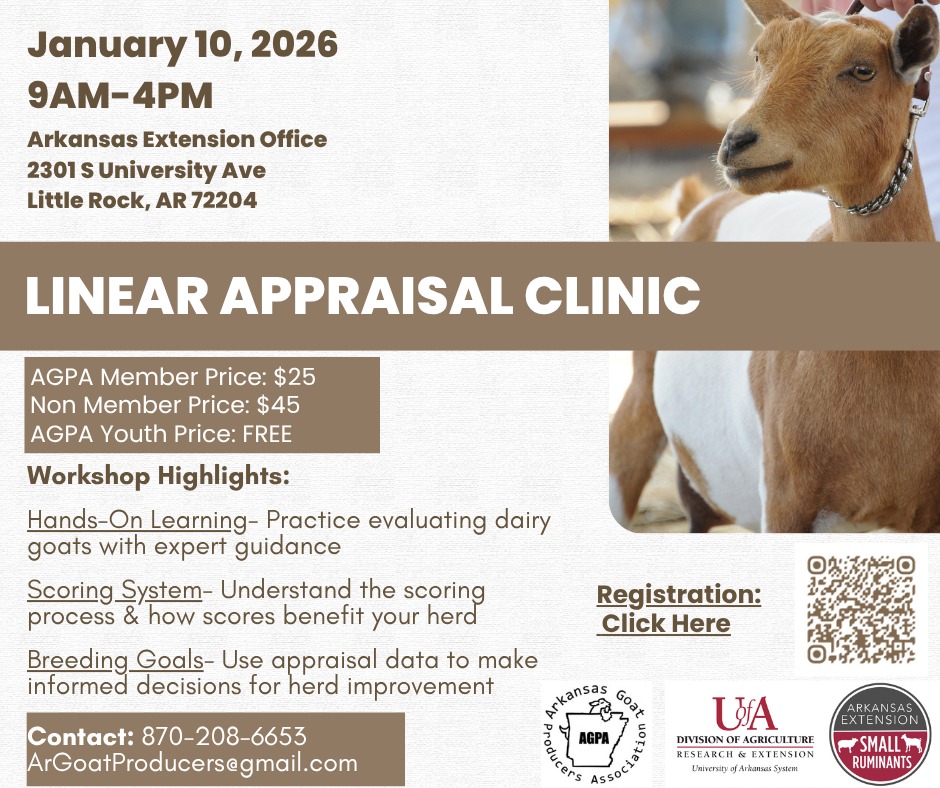
The Arkansas Goat Producers Association and the Department of Animal Science/Small Ruminant Program teamed up to offer a Linear Appraisal Clinic on January 10th (Saturday) at the Little Rock State Office (2301 University Ave), from 9 am to 4 pm.

Registration: https://www.argoatproducers.com/event-details/linear-appraisal-clinic?fbclid=IwY2xjawOlJVlleHRuA2FlbQIxMABicmlkETFCY0pJZnlRU1JIYXNCcVFnc3J0YwZhcHBfaWQQMjIyMDM5MTc4ODIwMDg5MgABHrVwcx7BT3mZljADQiUBinv8FAkPGupugLSSNhmFU_LTvfL9-lDcd5gSIcc1_aem_5zgybWMkFd1P_XCzJJ9tKw


Linear appraisal for goats is crucial for breeders to objectively evaluate structural traits that affect a goat's durability, longevity, production, and reproductive health, thereby guiding genetic improvement, making informed breeding decisions, identifying herd strengths/weaknesses, and enhancing overall herd management for improved long-term economic value.

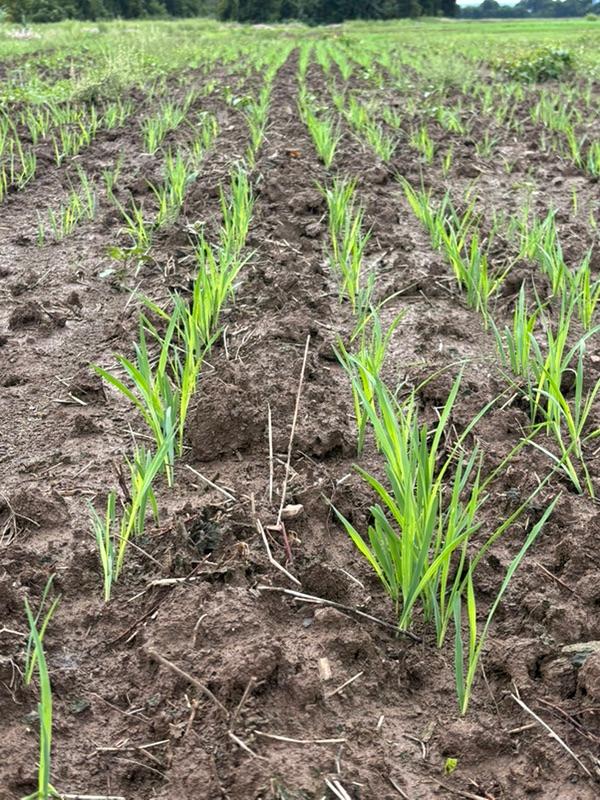
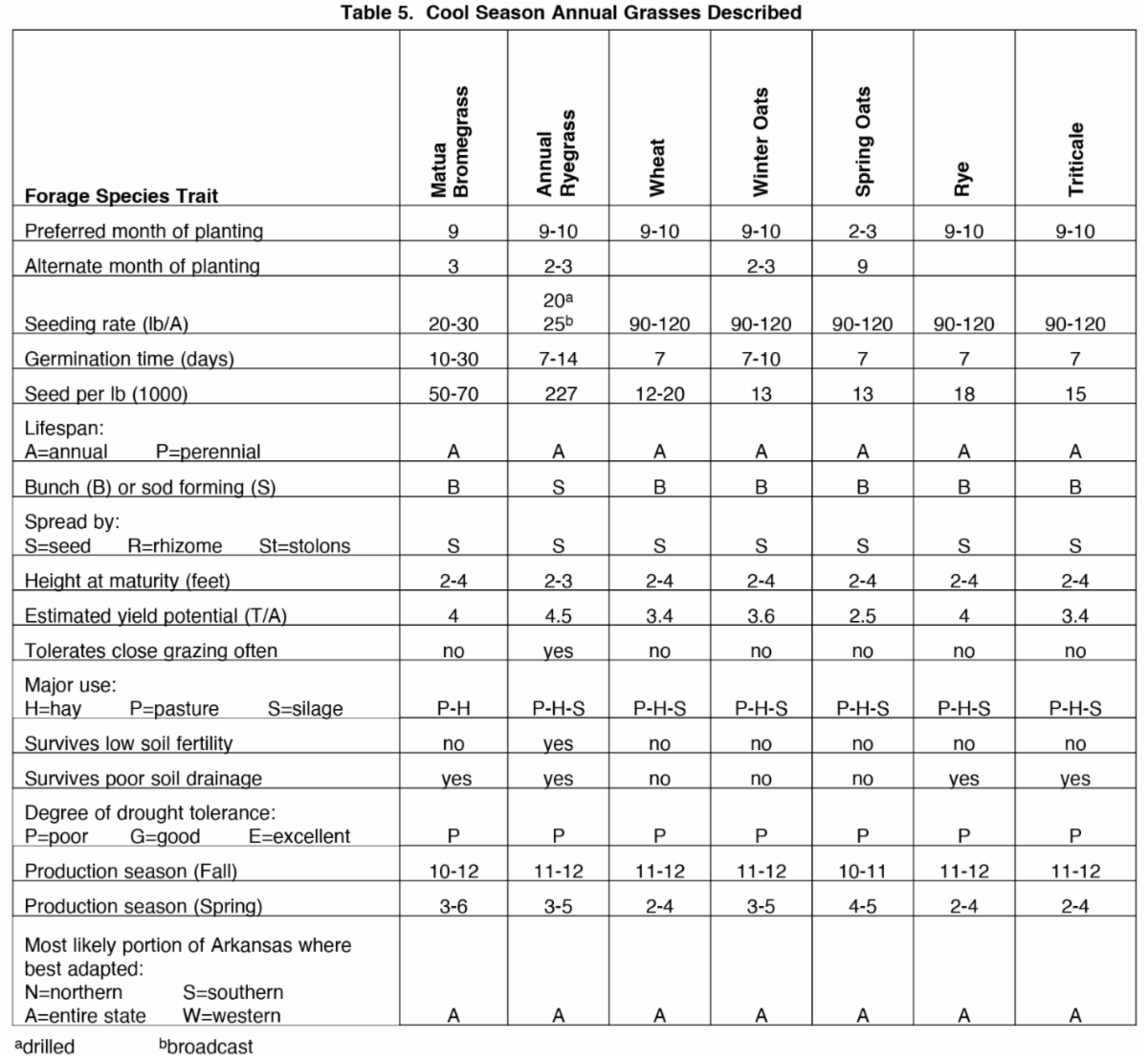
Cool Season Annual Resources

Pesticide Applicator Trainings


In order to purchase restricted use pesticides (herbicides, insecticides, fungicides, etc) you must have a private applicators license. The license is good for 5 years.


To obtain a license you must first attend a certification training. Certification trainings are done in person by a County Extension Agent or you can go online and be certified. Below is a link to the online training.


In person trainings this year will all be at the Faulkner County Extension Office and will be on:


January 29 - 6:00 PM

March 12 - 6:00 PM

April 30 - 2:00 PM


A certification training costs $20 and is due the day of the training.


Once a producer is certified, they will go through the Arkansas Department of Agriculture to obtain the license which is $45.


Please call the Extension office at 501-329-8344 to sign up for one of these dates.


There will be other opportunities for trainings in Perry and Conway County and I will post those as soon as those dates are available.


If you have a question about your license, please follow the License Search and Verification link below to find your license.

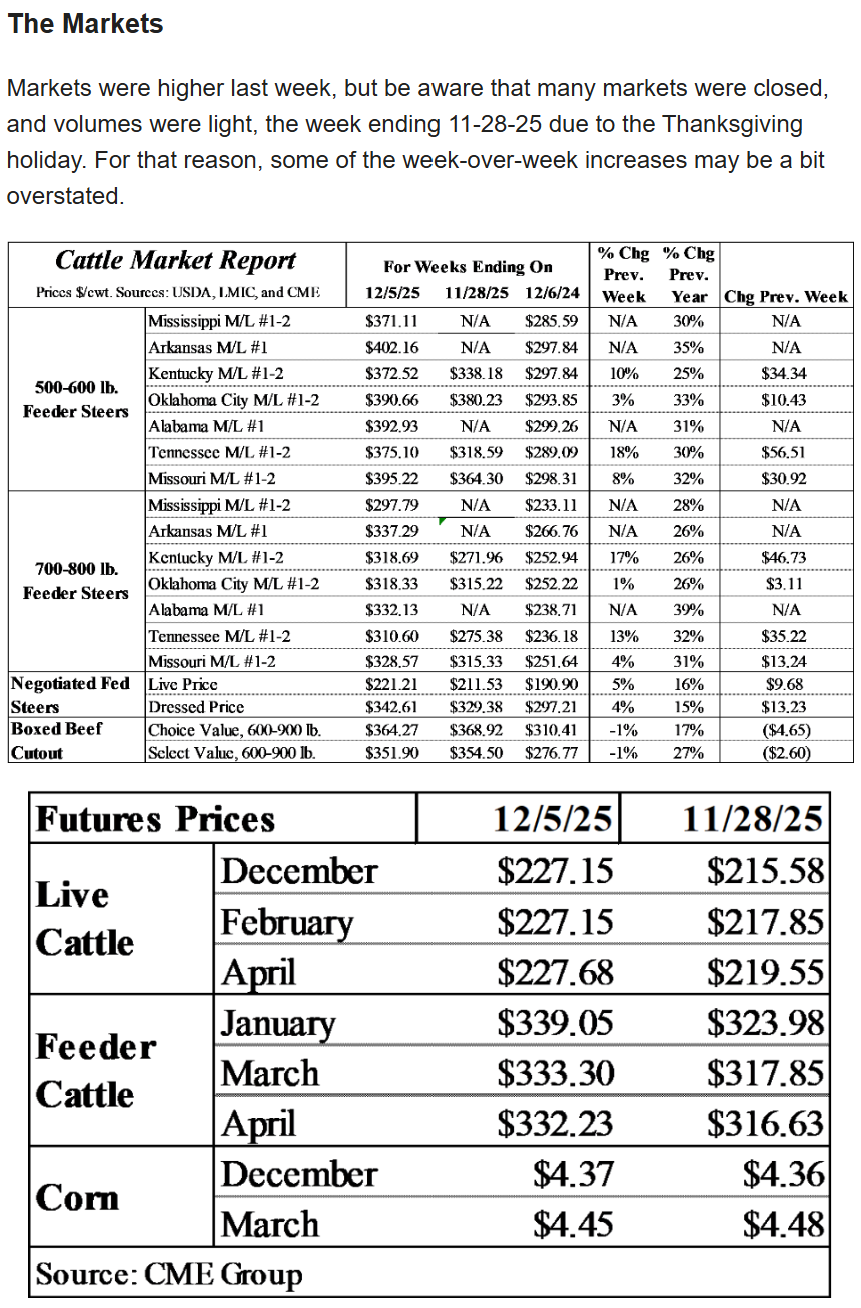
Livestock Market Report


The weekly livestock market report is available on the Arkansas Department of Agriculture website.

Sign up for Text Alerts


You can now sign up for text alerts from me throughout the year. I have two areas you can sign up for which includes Faulkner Livestock or Faulkner Ag (Row Crop Updates). To sign up you can follow one of these links or use the QR Codes below.

Faulkner Livestock


Use either the QR Code or this link:

https://slktxt.io/10lLe

Faulkner Ag (Faulkner Row Crops)


Use either the QR Code or this link:

https://slktxt.io/10lLc

Pursuant to 7 CFR § 15.3, the University of Arkansas System Division of Agriculture offers all its Extension and Research programs and services (including employment) without regard to race, color, sex, national origin, religion, age, disability, marital or veteran status, genetic information, sexual preference, pregnancy or any other legally protected status, and is an equal opportunity institution.

Contact Kevin Lawson, County Extension Agent–Agriculture, Faulkner County | Kevin Lawson